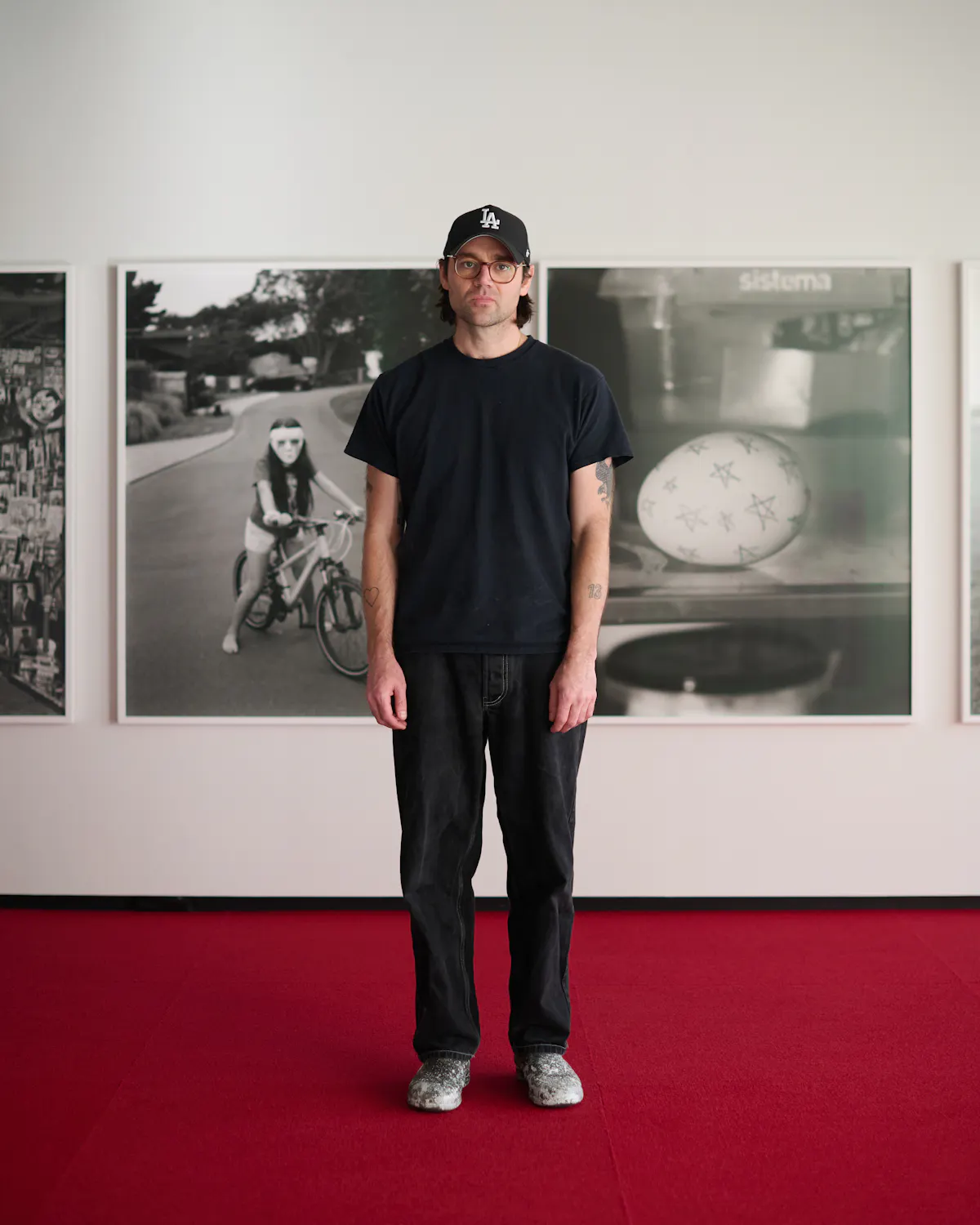
Harry Culy
Mirror City
13 August — 5 September
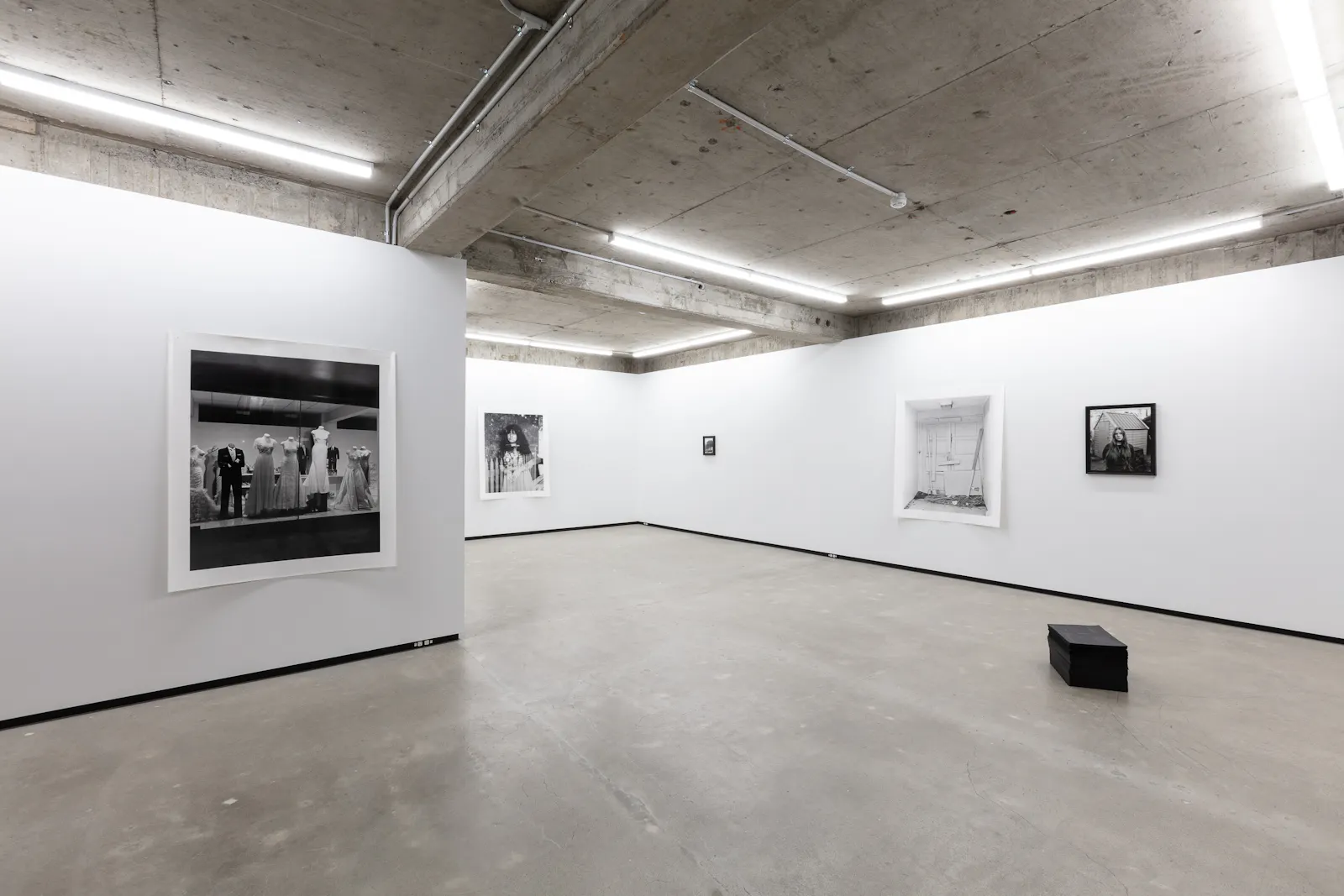
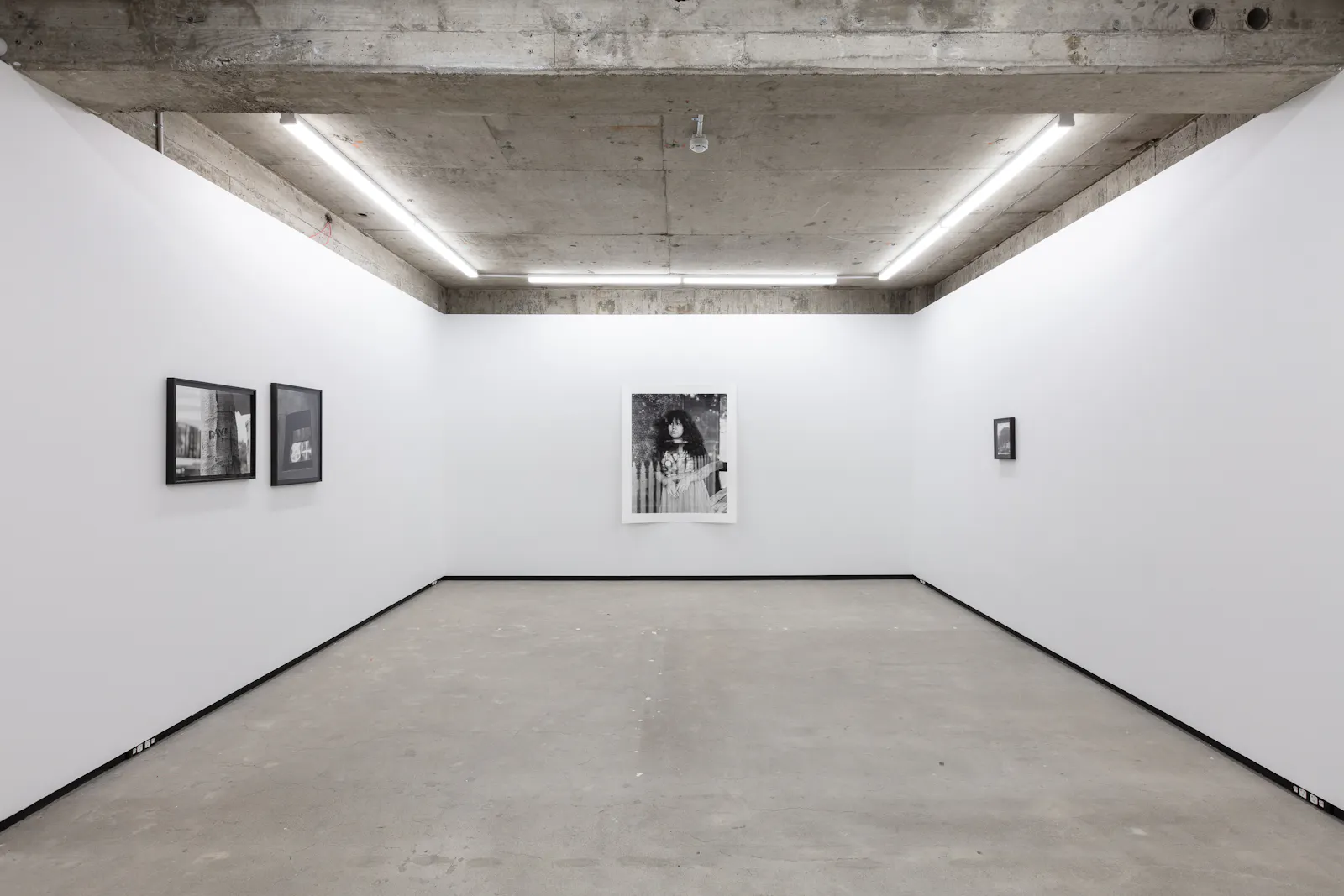
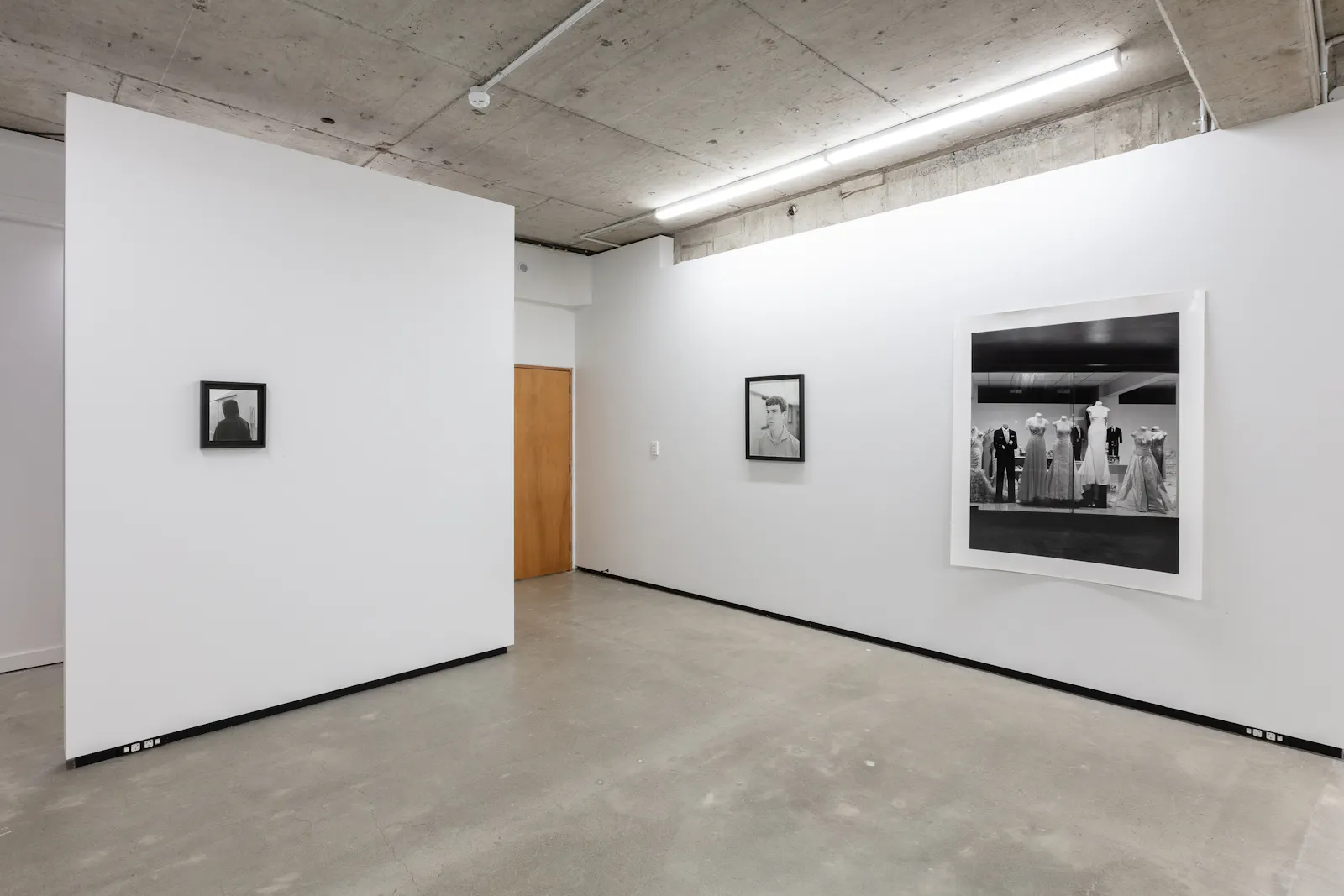
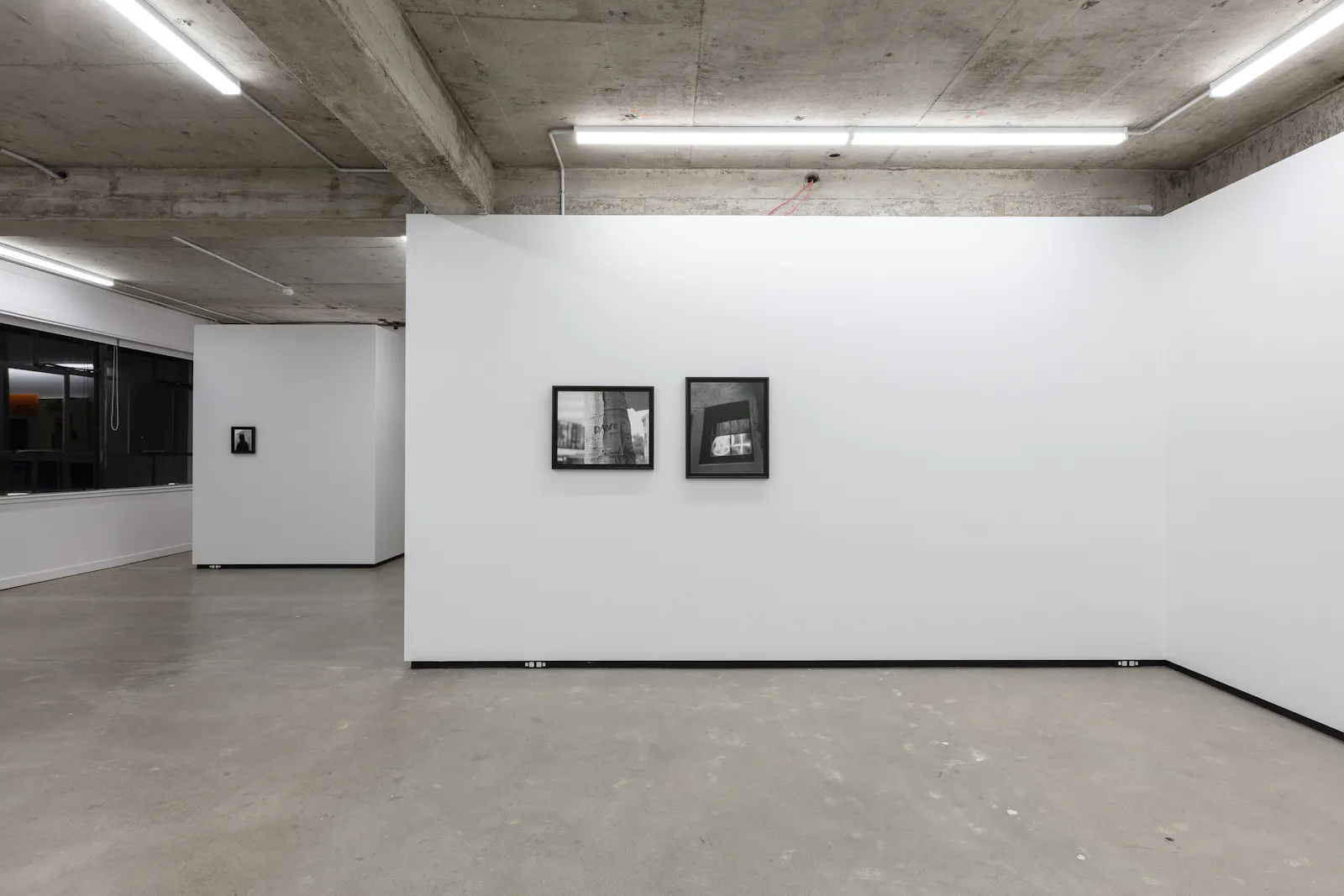
Mirror City is a photo series by Harry Culy of his home town, Te Whanganui-a-Tara Wellington, Aotearoa New Zealand. After several years spent living overseas, Culy realised his connection to the city had shifted. While much of its landmarks remain the same, parts feel unstuck, uncanny, even alien. Shot using a 4x5" field camera onto black-and-white negative film, Mirror City unfolds with this sentiment in mind, rethinking our changing relationship to home and its futures.
Culy's approach is more lyrical than journalistic, shaped by his own attractions and impulses rather than any survey of the city. Geographical clues are excluded or left out of focus, so locations recognisable to the perceptive city-dweller could just as easily belong to another city altogether.
The gothic genre lingers at the edges — cracks, scratches, tangled wires and other traces of activity take on a quiet menace, while deserted and overlooked places capture emptiness as a psychological state as much as a physical one. Portraits of the city's young people punctuate the series, their gazes carrying the unease of an uncertain future, holding their subjects and destinies in ambiguity. Spanning interiors and exteriors, details and portraits encountered across countless traipses through the city, Culy's ongoing project Mirror City now comprises over 500 photographs, each one a pause within an intensive, wandering process.
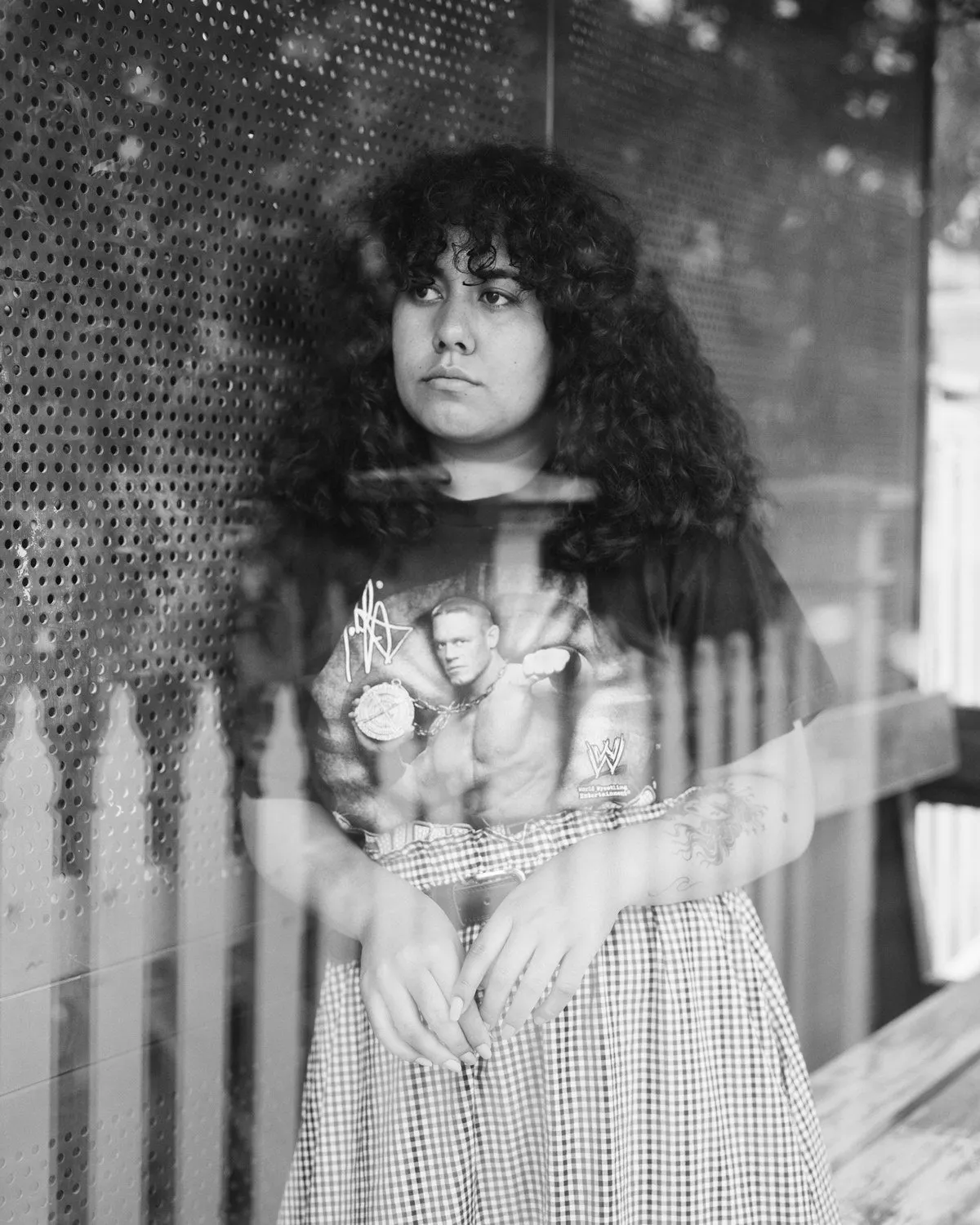
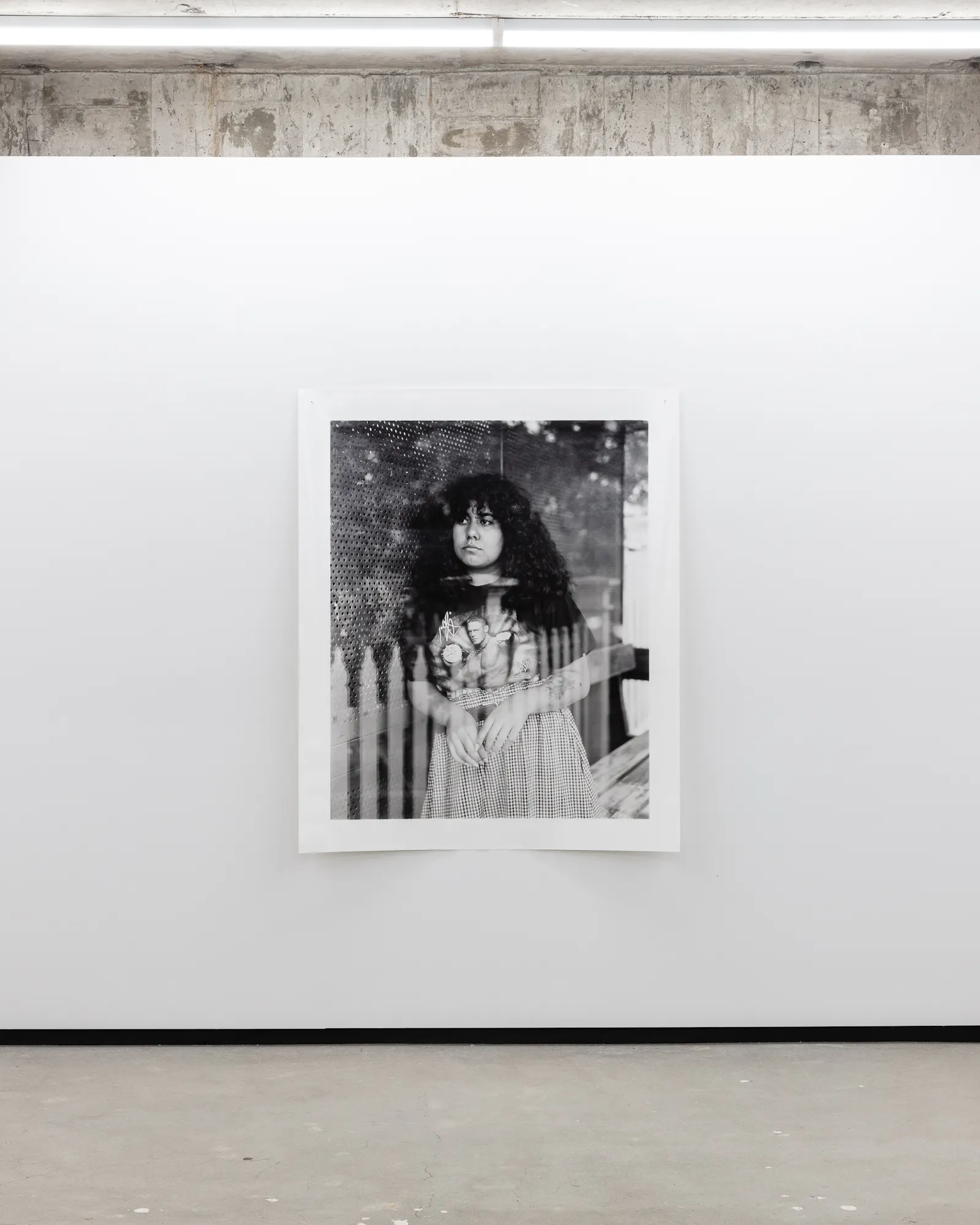
Untitled (Devyn), Wellington, New Zealand, 2019
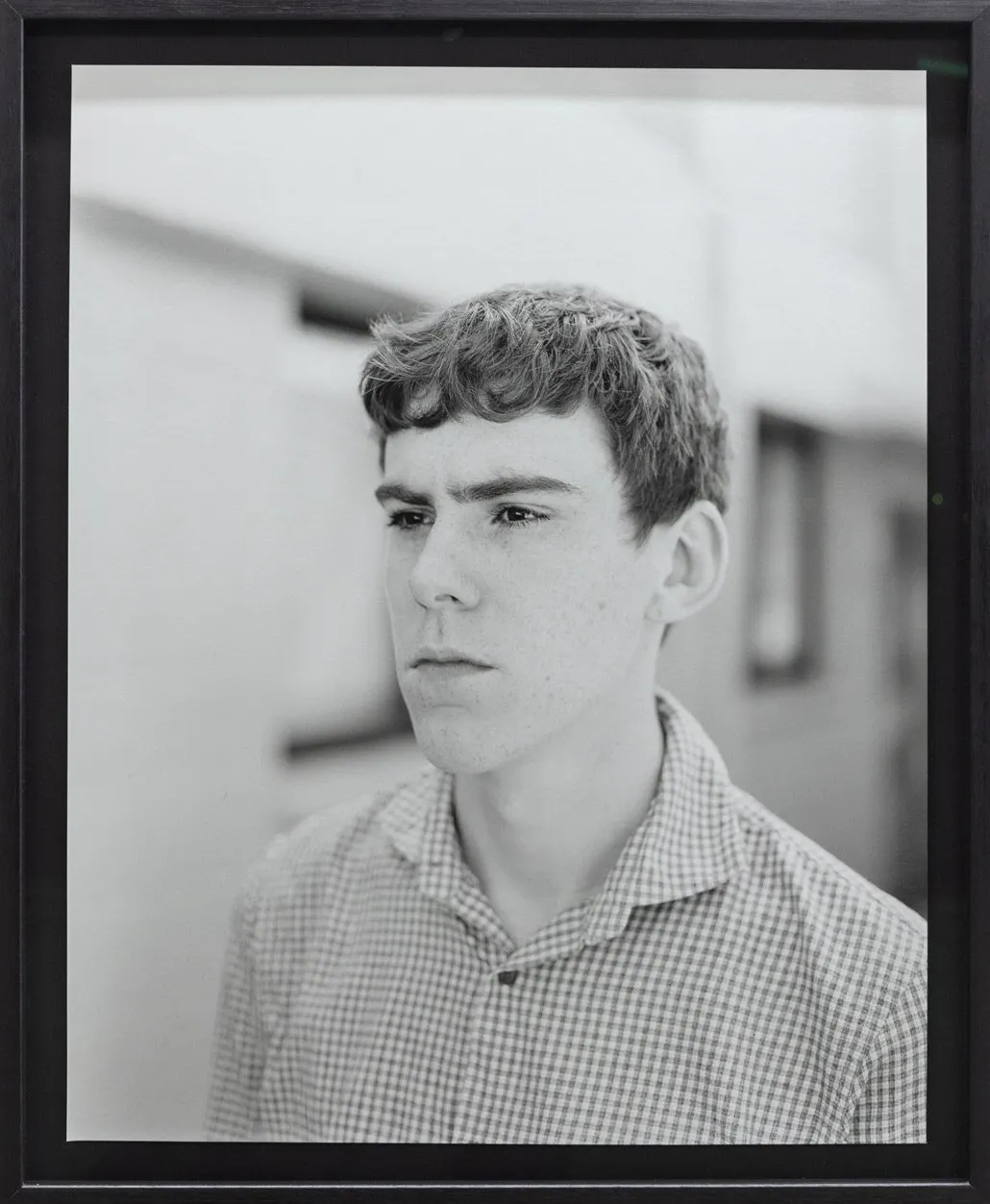
Untitled (Reid), Wellington, New Zealand, 2019
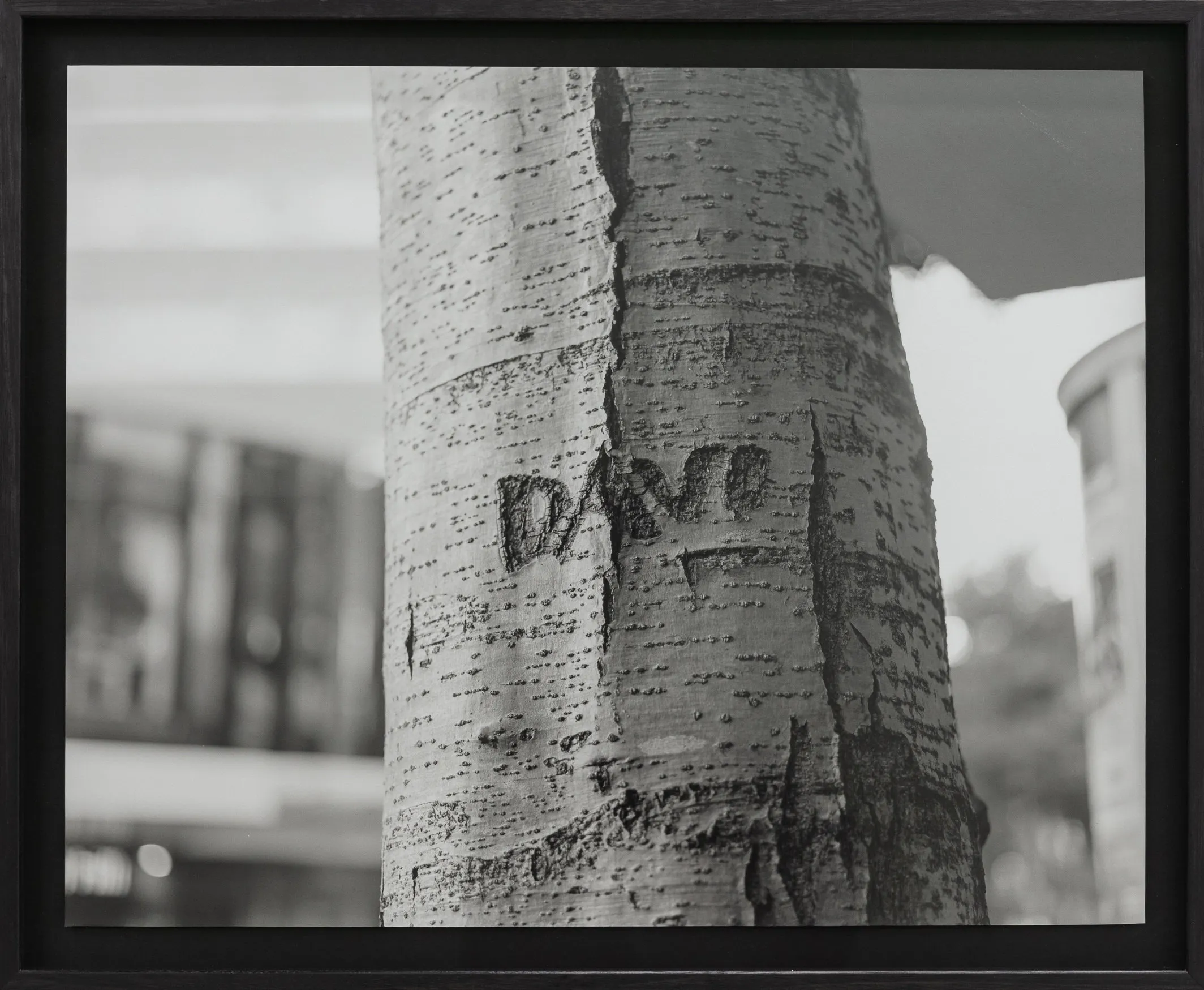
Untitled (Davo), Wellington, New Zealand, 2020
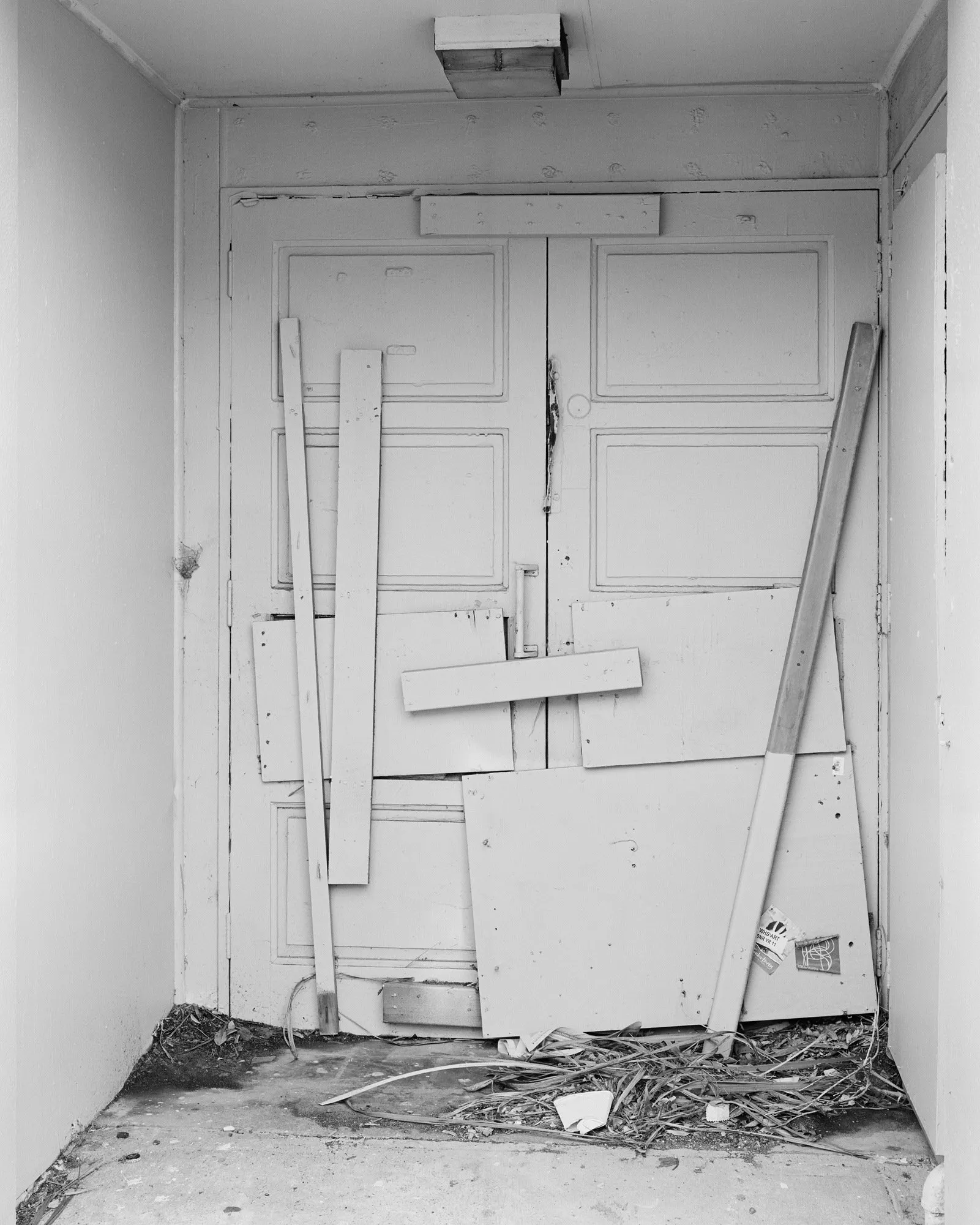
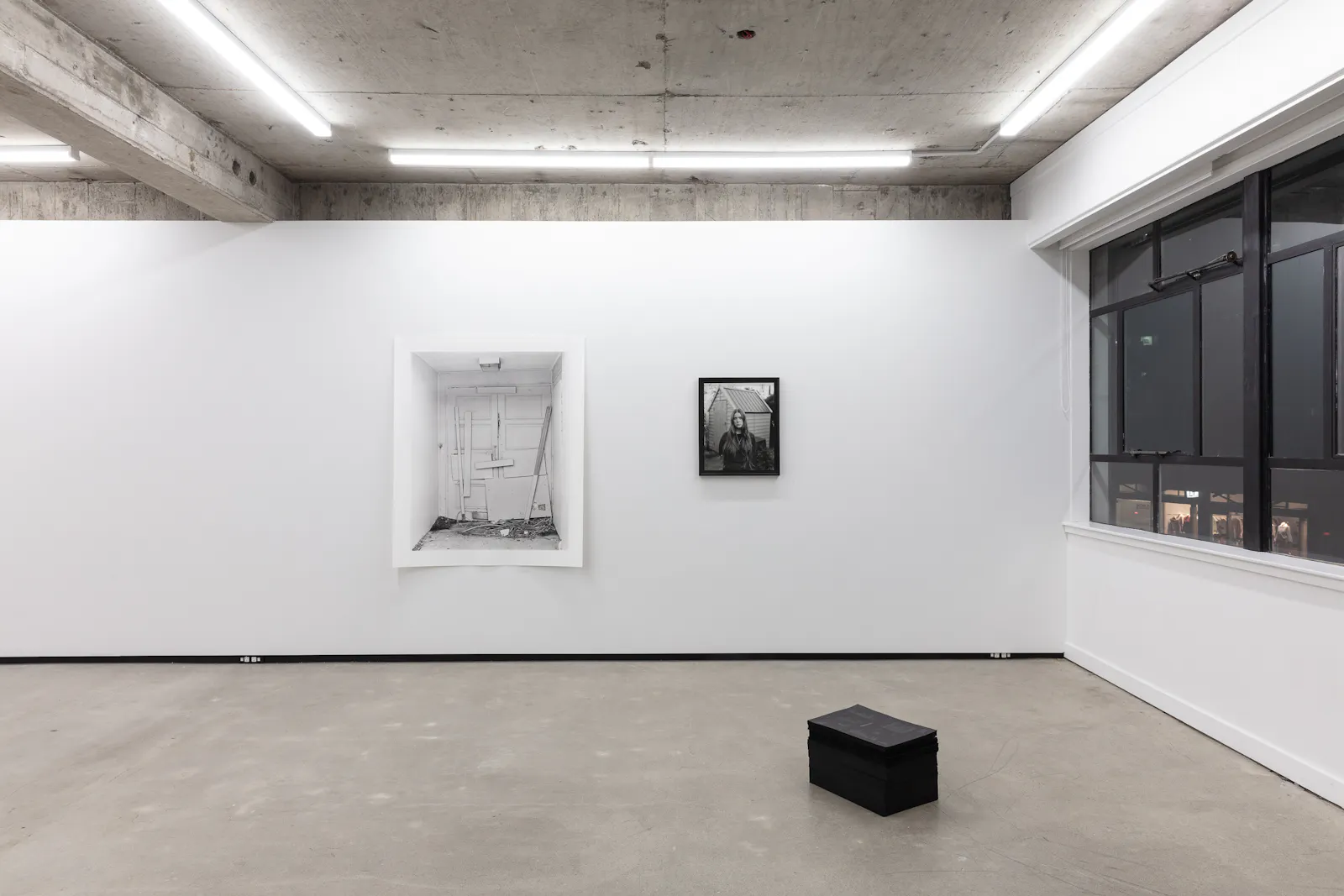
Untitled (door), Wellington, New Zealand, 2019
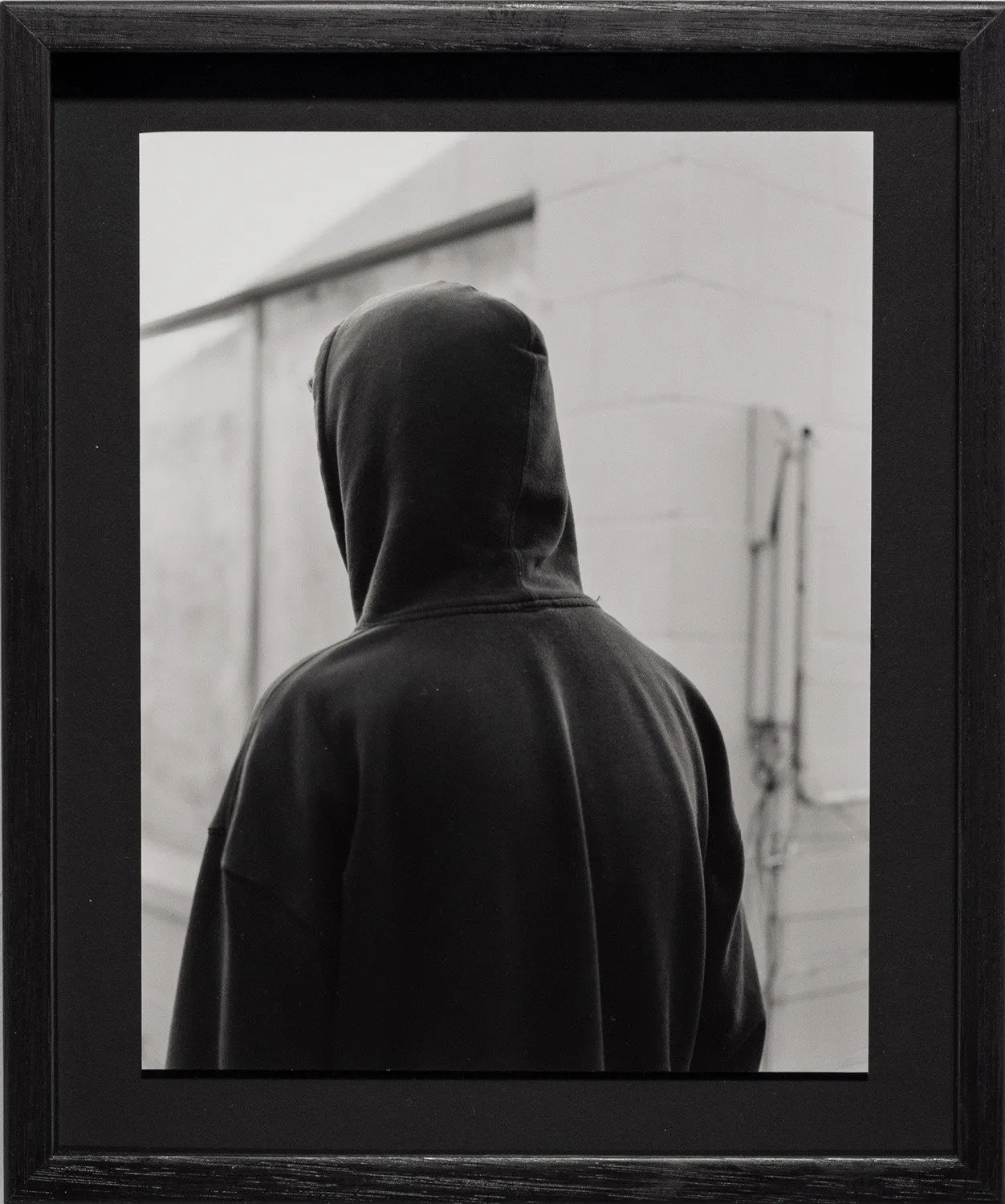
Untitled (hood), Wellington, New Zealand, 2019
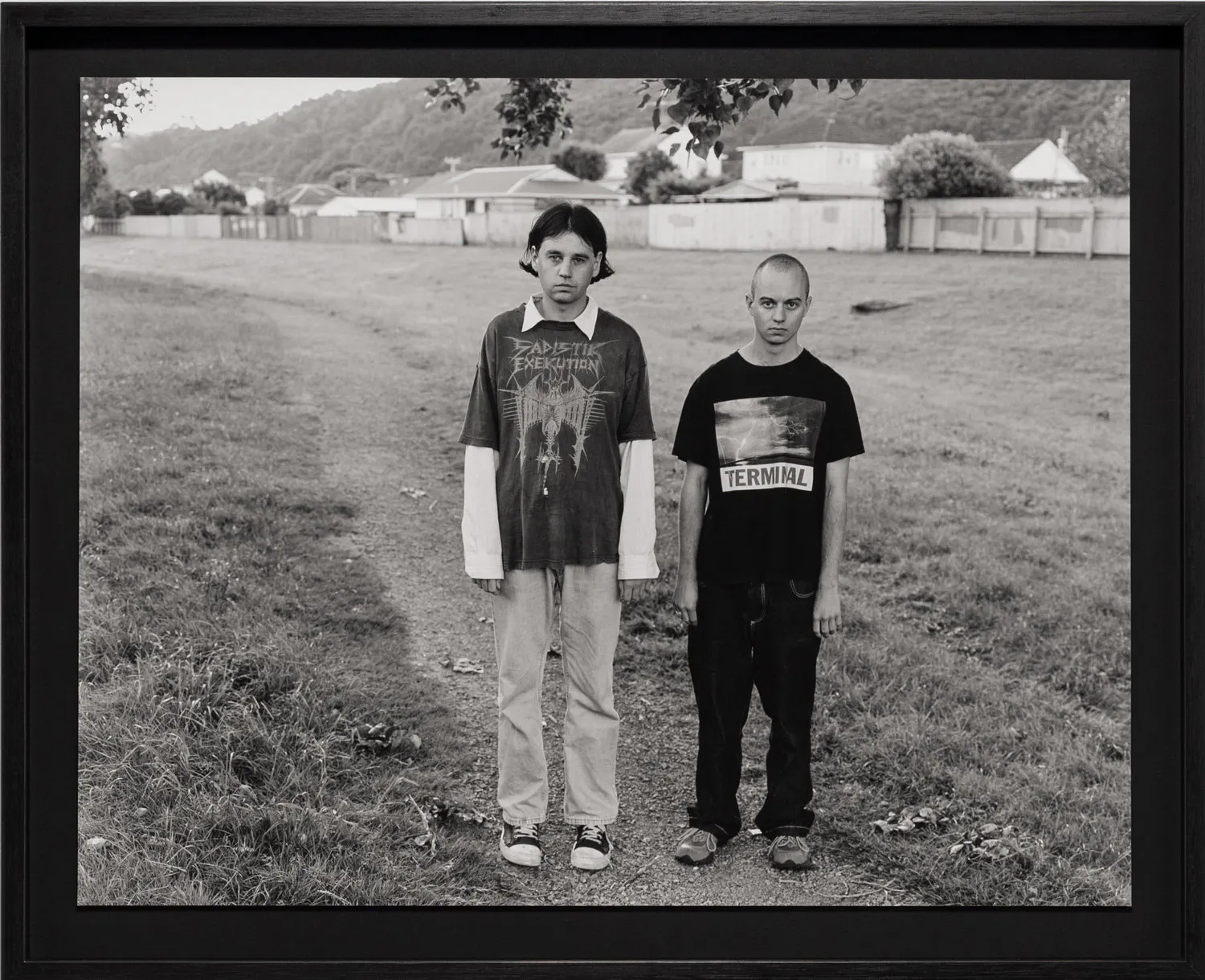
Untitled (Alex and Tommy), Wellington, New Zealand, 2019
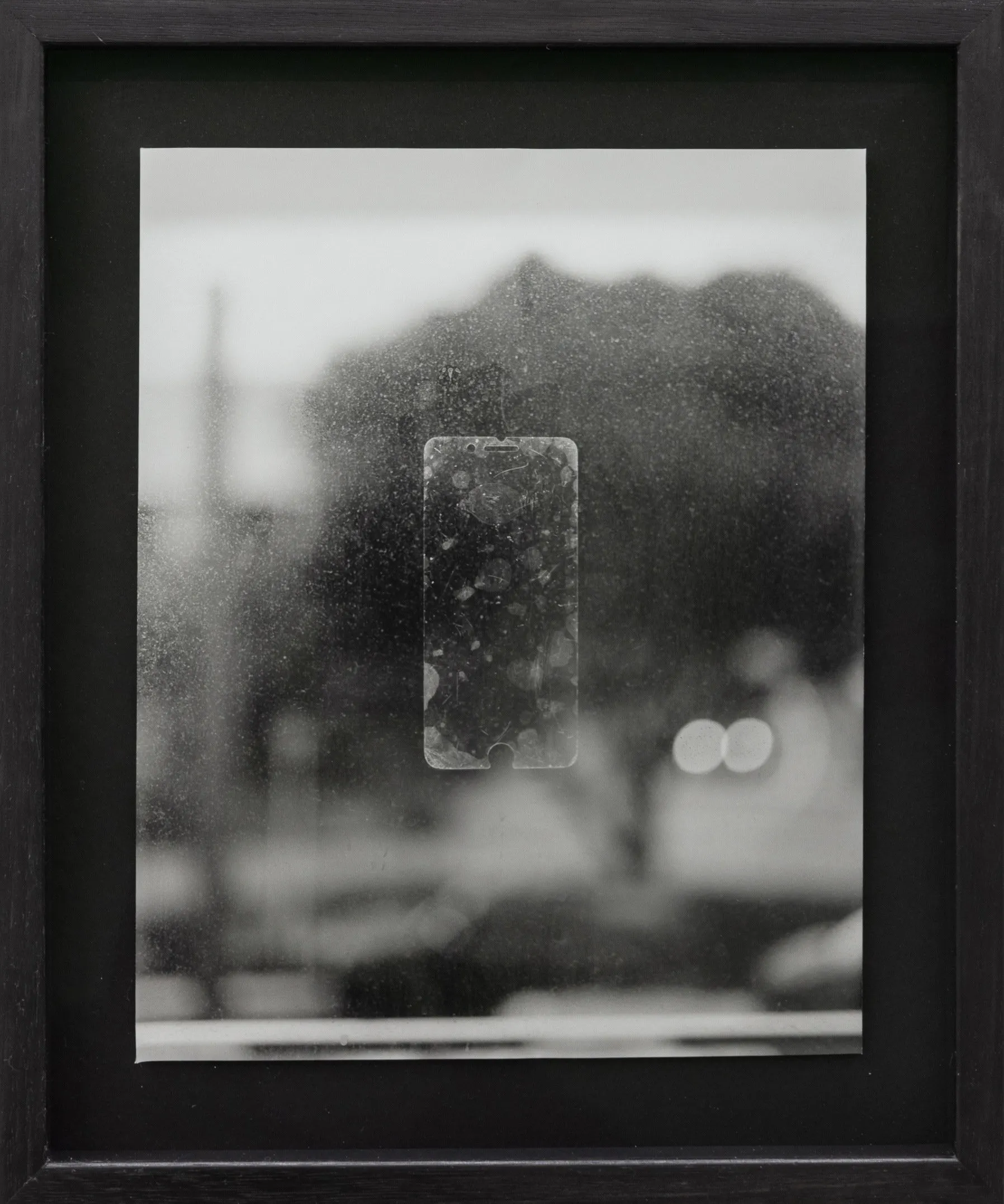
Untitled (screen protector), Wellington, New Zealand, 2019
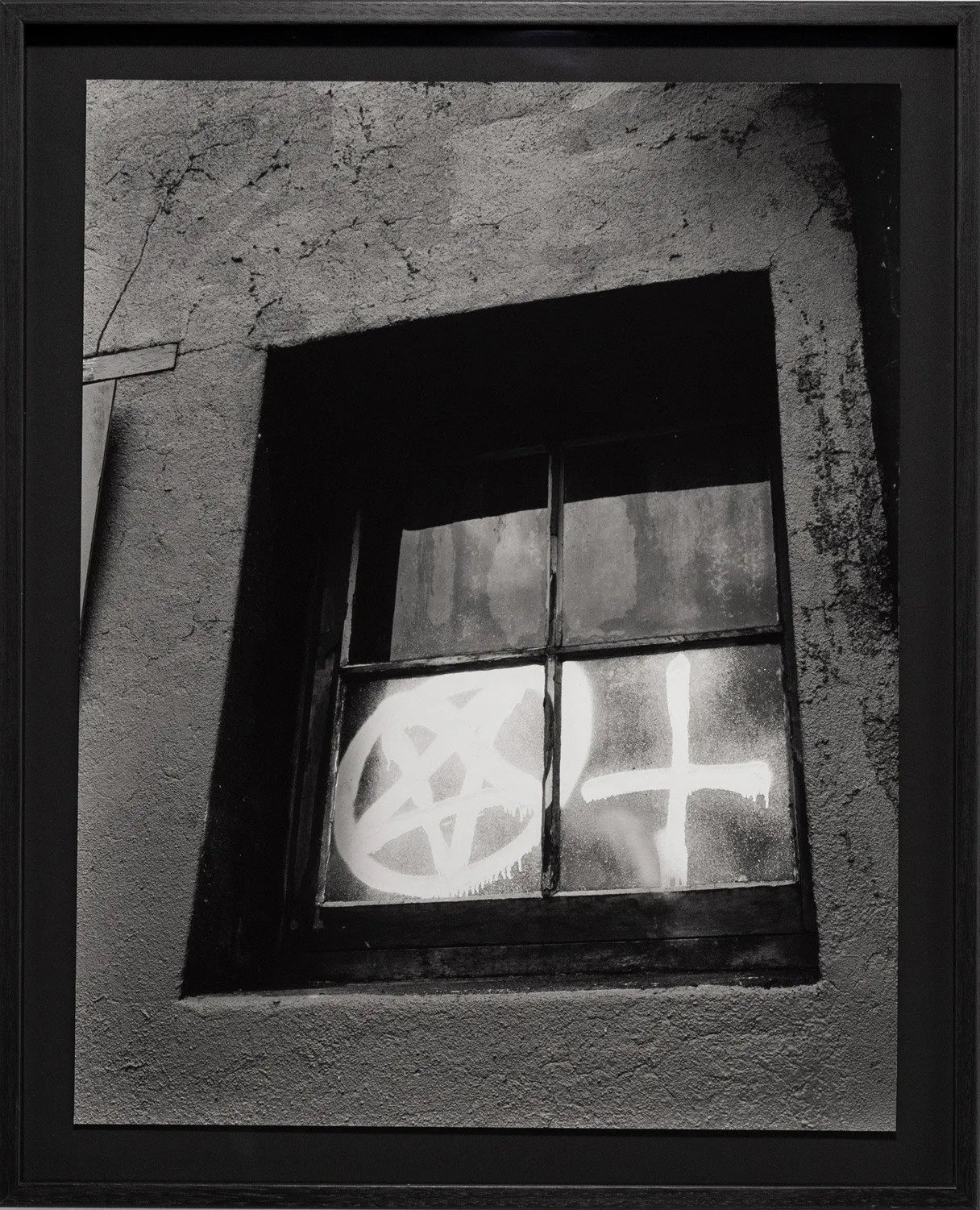
Untitled (window), Wellington, New Zealand, 2019
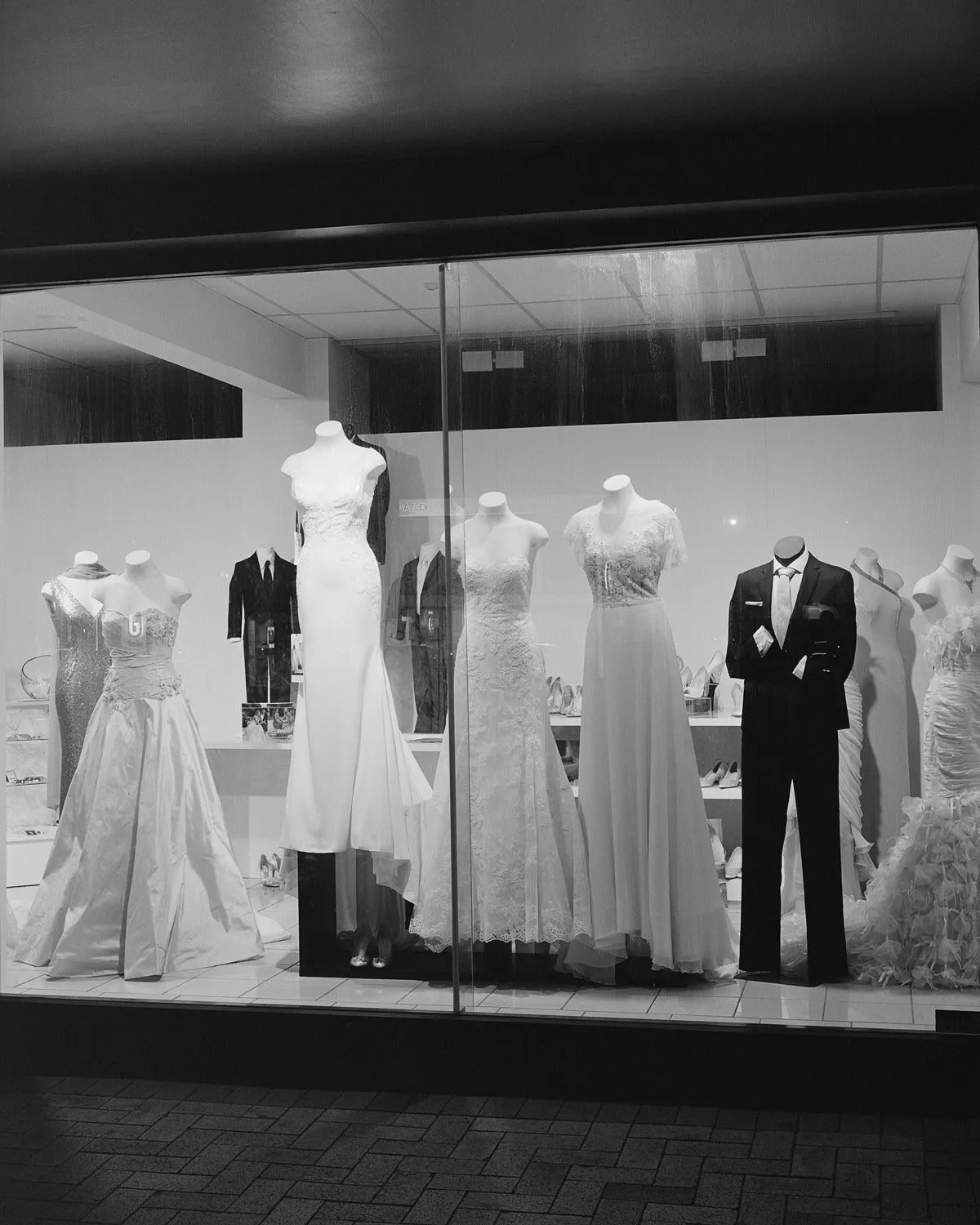
Untitled (Window display), Wellington, New Zealand, 2019
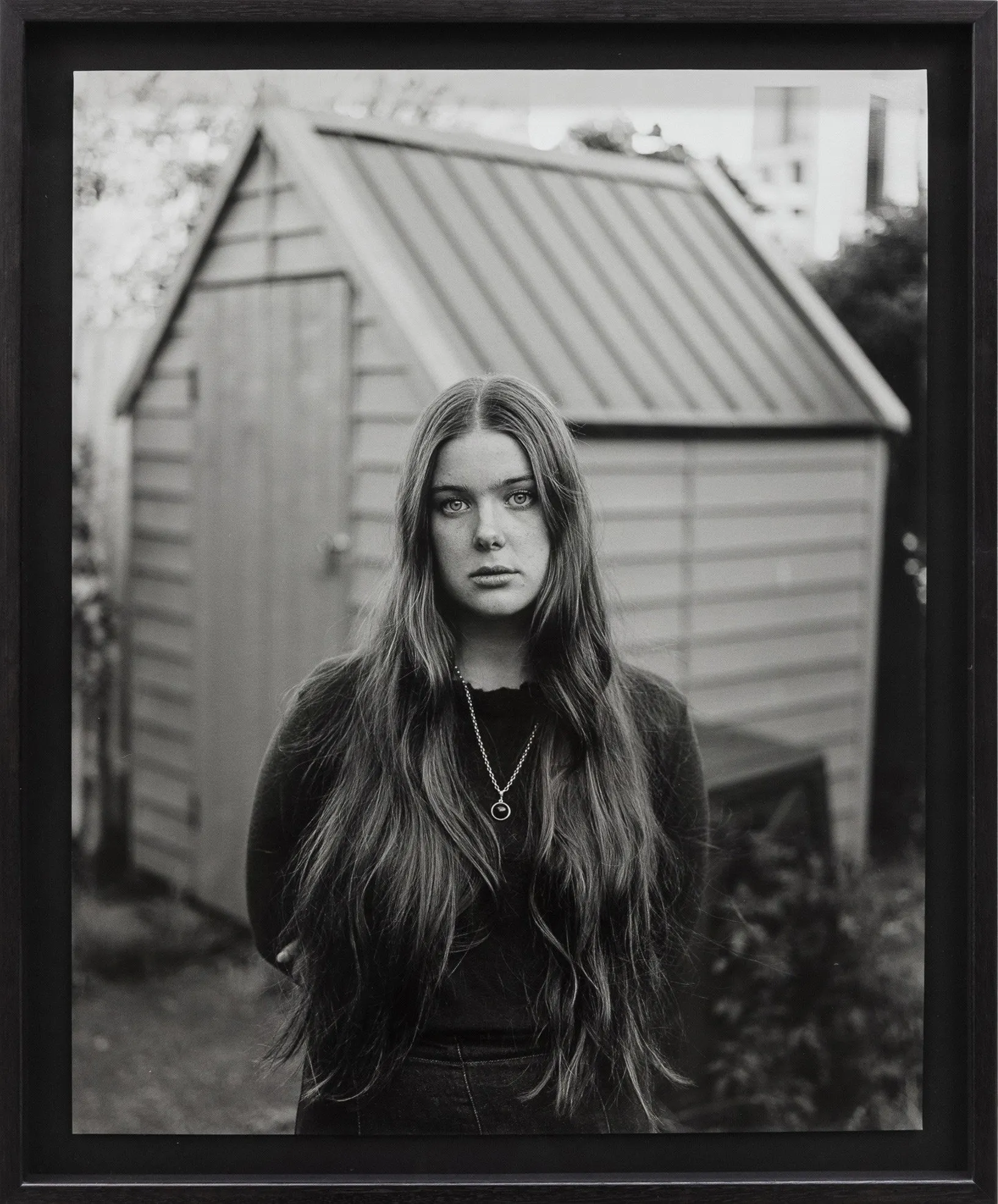
Untitled (Eilish), Wellington, New Zealand, 2019
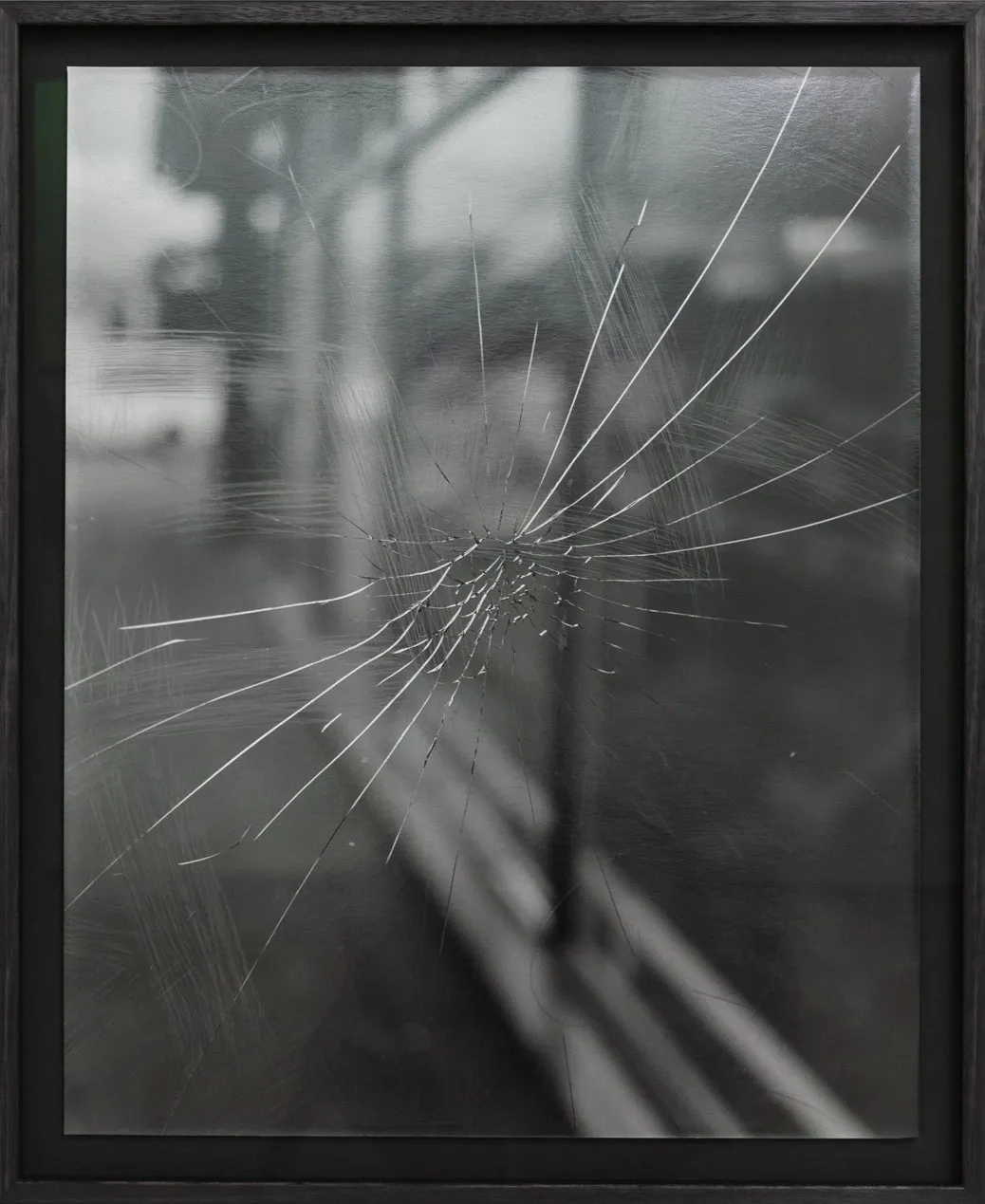
Untitled (Cracked Glass), Wellington, New Zealand, 2020
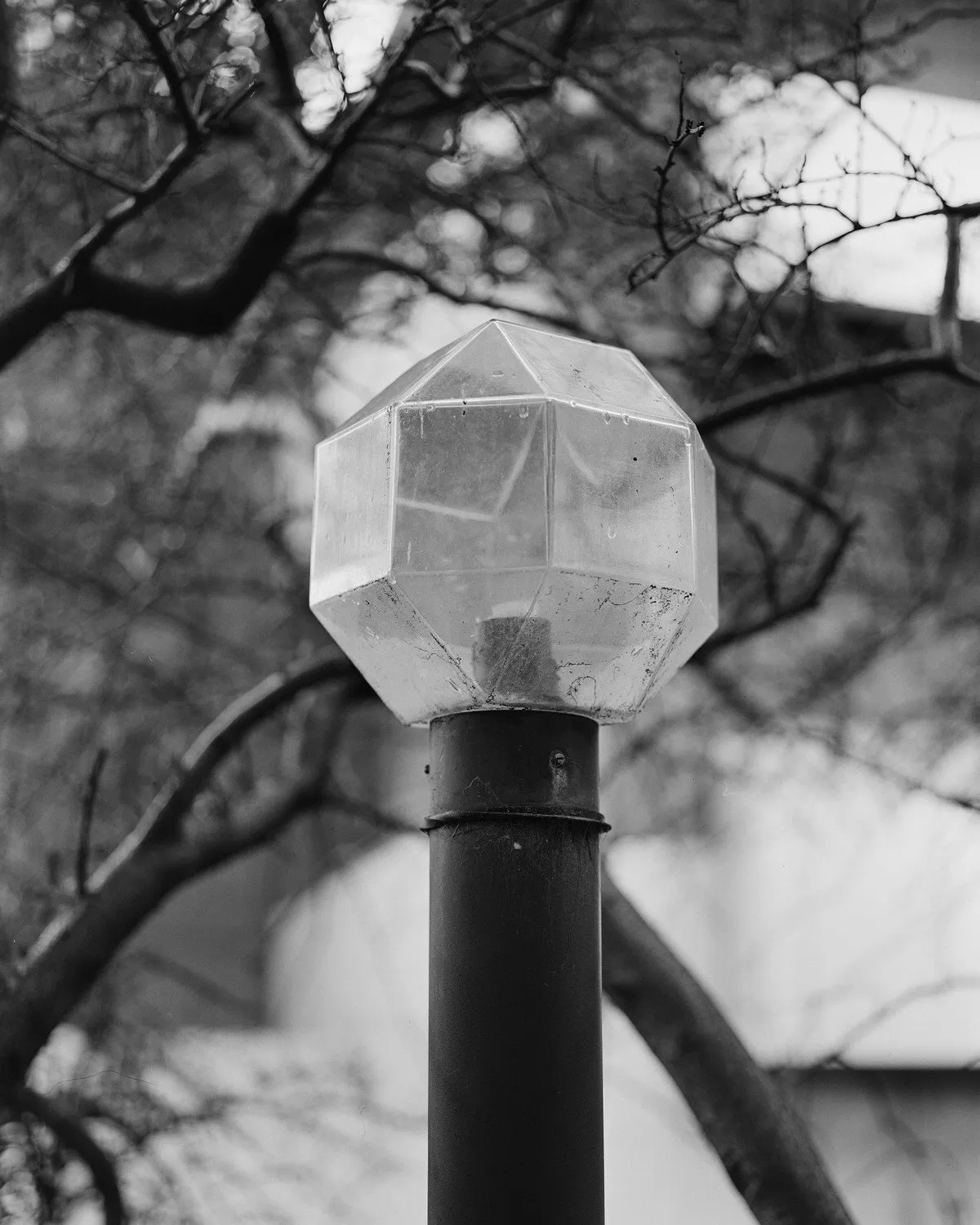
Untitled (Lamp), Wellington, New Zealand, 2019

Harry Culy, Mirror City, exhibition video
Mirror City grew from a feeling of unfamiliarity. Harry Culy began the photo series about Pōneke Wellington, his hometown, in 2016. He had recently returned from several years of living overseas and realised that his connection to the city had shifted. While many of its landmarks and footpaths were the same, parts felt unstuck, uncanny, even alien. Mirror City unfolds with this sentiment in mind, rethinking our changing relationship to home and its futures. The series spans interiors and exteriors, details and portraits, encountered by the artist on countless traipses across the city.
Culy’s subjects take focus within blurry, transient settings. Each photograph tracks an eye on the move, but also a return. Culy shoots with a 4 x 5” field camera onto black-andwhite negative film, so once he identifies a view, or arranges a sitting, he must come back to them, set up, test, adjust, expose. Developing and printing the photographs completes this process, and Culy experiments with formats to evoke the materiality and depth of fixing images in liquid. This exhibition includes some of the largest of Culy’s prints to date. At such a scale, shadows and highlights become almost three-dimensional, and blemishes that occur both within and upon the image manifest with gritty clarity. The photographs sway between their status as objects and portals.
Each image is a pause amid an intensive, wandering process — to date, Mirror City includes over 500 photographs. Culy’s approach to the photographic form is more lyrical than journalistic, and while being a portrait of a city, this is no survey. His view is personal, subject to his own attractions and impulses, allowing gaps for our own reading. While some locations might be recognisable to the perceptive city-dweller, they could easily belong to another city altogether, even another world. Any geographical clues are excluded or out-offocus. Culy isolates his subjects formally and conceptually, gently warping where they are and thus what they are.
While being drawn from the real world, Mirror City is more fictional in its aim. The gothic genre may come to mind. Culy’s environments seem threatened by sinister, invisible forces which lie beneath their surfaces. Photography in itself is a haunting of the present, a quality emphasised by his choice of subject. In Mirror City, there is a recurring interest in the traces of activity or collision: cracks, scratches, a hammer to a nail, an iPhone-screen protector stuck against a window. Their banality is transformed by Culy’s fixation, rendering them as something other than themselves, as silvery thresholds onto alternate dimensions. Several images document deserted and overlooked places, capturing emptiness as a psychological state as much as a physical one. Each subject appears at a risk of disappearing, or of being overgrown by an encroaching, post-apocalyptic environment — even the people.
Culy claims that Mirror City was also spurred by a dream. In it, he was fleeing death in a zombie wasteland with a tripod and camera slung over his shoulder. Between skirmishes and narrow misses, he marvelled at potential pictures, set up and took them, and broke into basements for dark rooms to develop them. It bears astonishing resemblance to a dream recounted by the American photographer Diane Arbus, also a key influence, which Culy only came across after waking up from his own. She described running around, elated, taking pictures on an ablaze, sinking, luxury ocean liner while its doomed passengers carried on drinking and gambling. Culy’s Armageddon is more extreme than Arbus’s — perhaps because the possibility seems greater.
Projected in his dreams, Culy attributes Mirror City’s undercurrents to the turbulent times he began it in — which, as we know, would only intensify with each passing year. This unease is reflected in the eyes of the young people he photographs, who carry on, living and finding their way in the face of an ever-precarious future. The future can be experienced as a haunting too. Mysterious and intangible, it is an omen which constantly threatens the present. These portraits become pillars across the series but are as inconclusive as an image of a shattered window. Mirror City guards its ambiguous subjects and their equally ambiguous destinies.
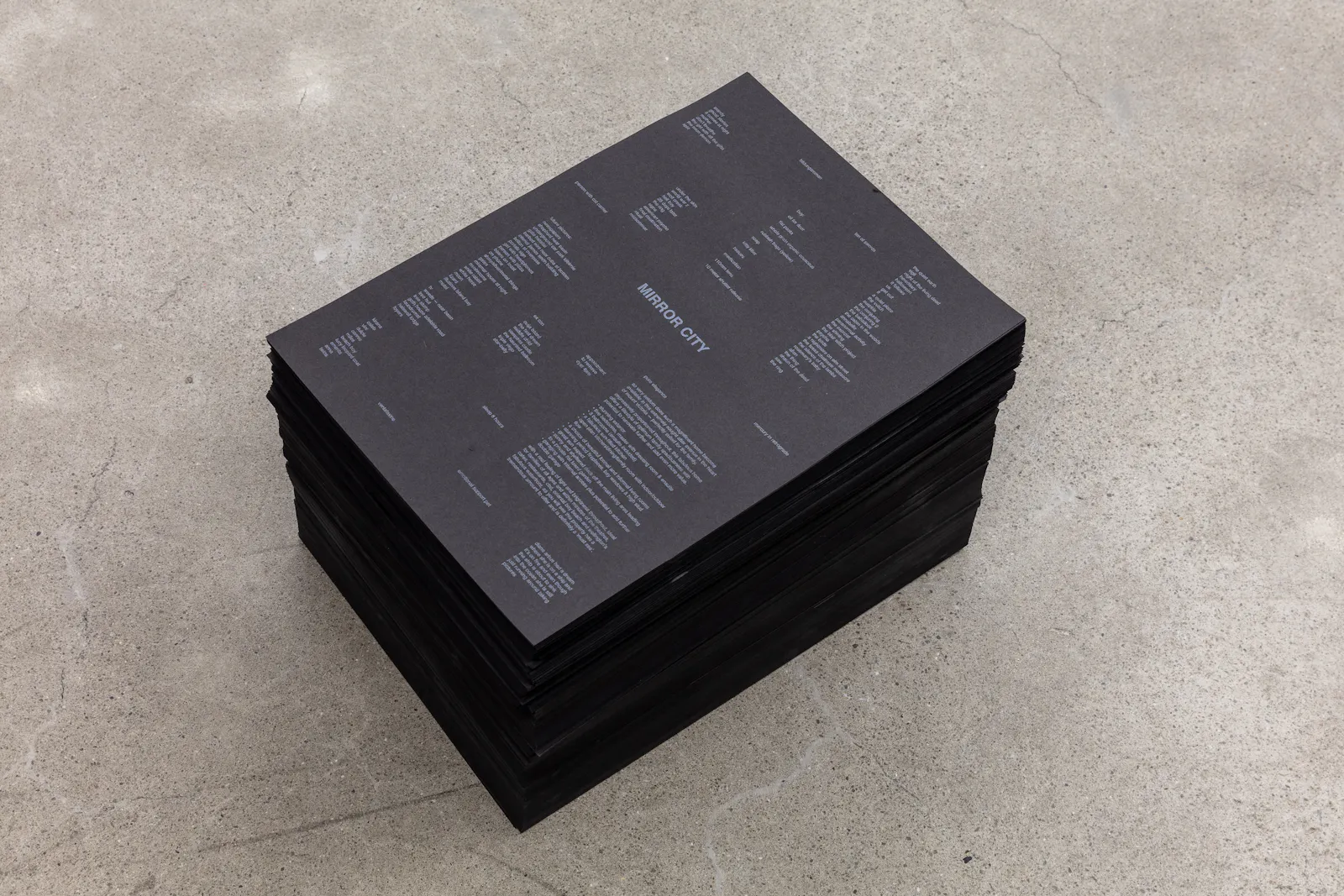
A stack of posters in the exhibition draws us back to reality. They contain miscellaneous pieces of text from the Notes App in Culy’s iPhone — a shopping list, horror-movies, pictures he wants to shoot, Arbus’s dream, an astrological forecast, a reminder to sleep. At once intimate and identifiable, such jitters mirror the rhythms of the generation in focus. There is a real-estate listing copied and pasted from Trade-Me, describing a quintessential building which most of us can picture (‘period fireplaces, bay windows, high stud’). A trope of the New Zealand gothic, too, its wooden frame has long stood as a symbol of hard-earned, colonial security. But this dream may be trivial to the people in Mirror City, and to what they value and look forward to. They peer out and beyond the viewer with glassy, impassive gazes, anticipating a world to come.
Harry Culy lives and works in Wellington and completed his Master of Fine Arts at Toi Rauwhārangi College of Creative Arts, Massey University Wellington, in early 2020. Culy’s photography practice explores quotidian scenes through documentary modes, experimenting with its ability to suggest narratives beyond the picture plane.
Culy has exhibited widely across Aotearoa New Zealand and Australia, and was the recipient of the 2018 Peter Turner Scholarship in Photography. Recent exhibitions include: News from the Sun, City Gallery, Wellington, 2019-2020; Nobody believe you (bad luck), Jhana Millers Gallery, Wellington 2019; Altered Visions, China Heights, Sydney, 2019; Blue Room, with Lucy O’Doherty, Jhana Millers Gallery, Wellington 2018; The Gap, Parlour Projects, Hawkes Bay, 2019; Rose Hill, as part of Projects 2018, Auckland Art Fair; and, I can see for miles, Contemporary Centre for Photography Melbourne, 2018.
Harry runs a small press photobook company called Bad News Books.