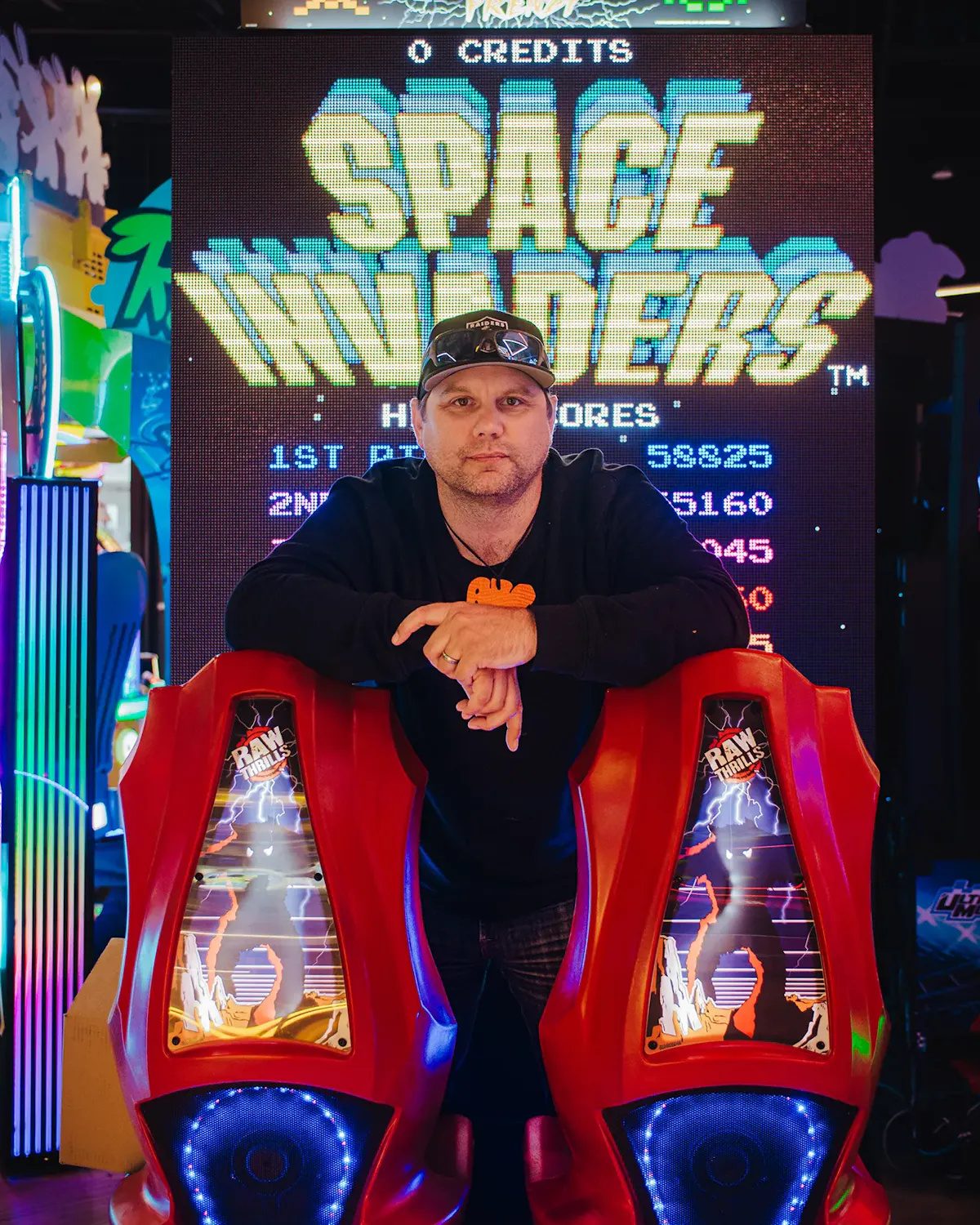
Kereama Taepa
WāMua
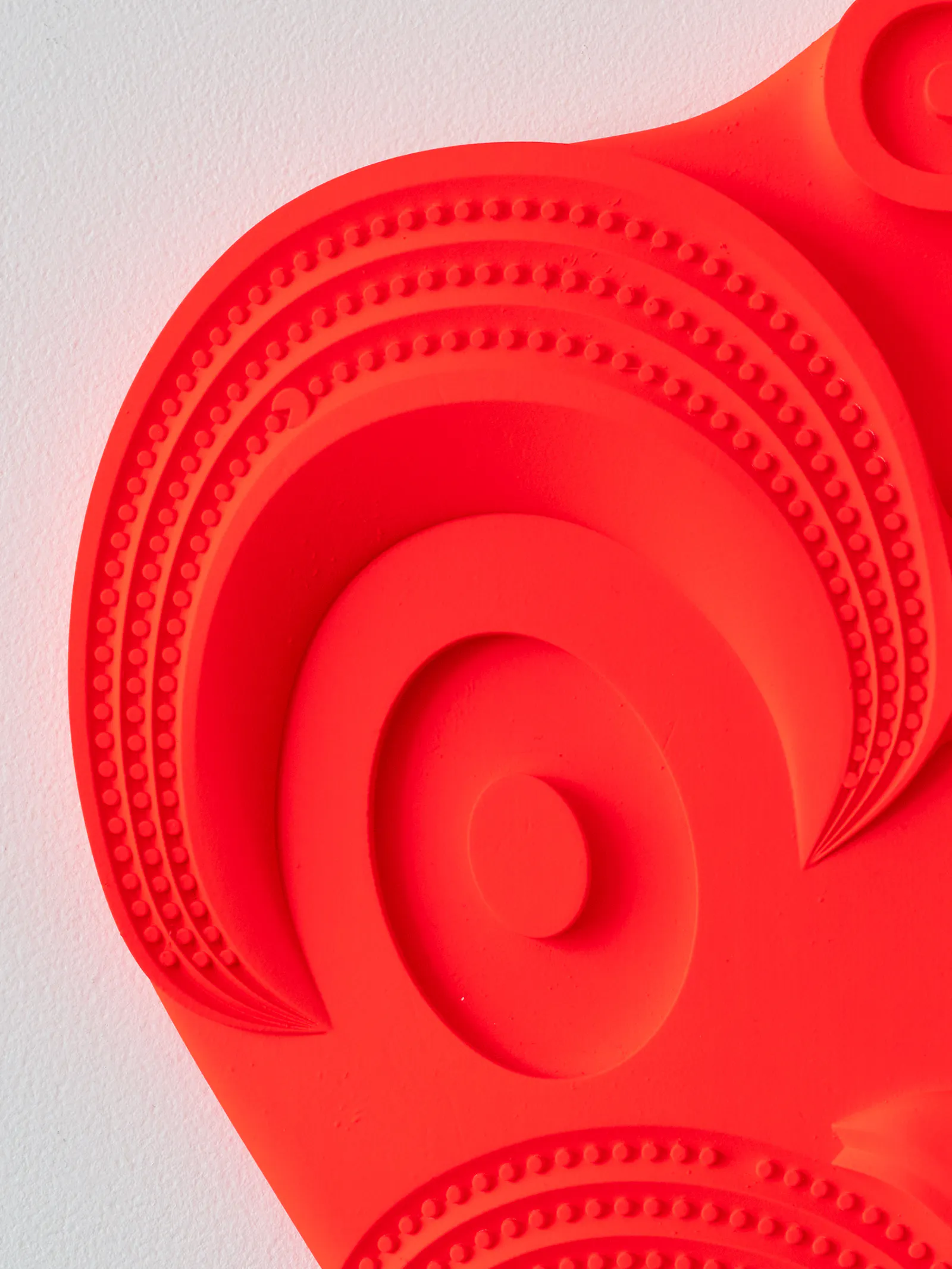
30 October — 22 November
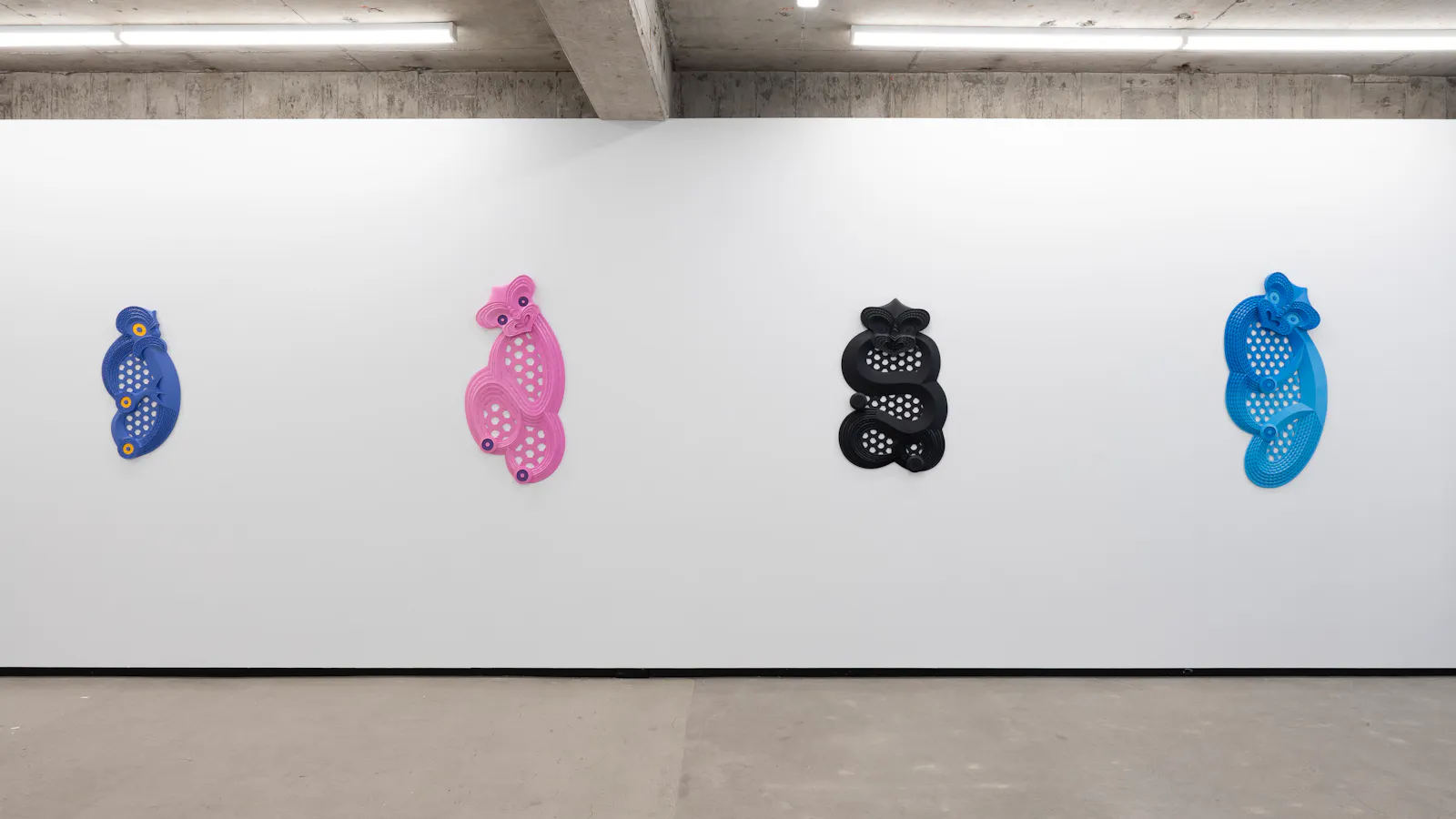
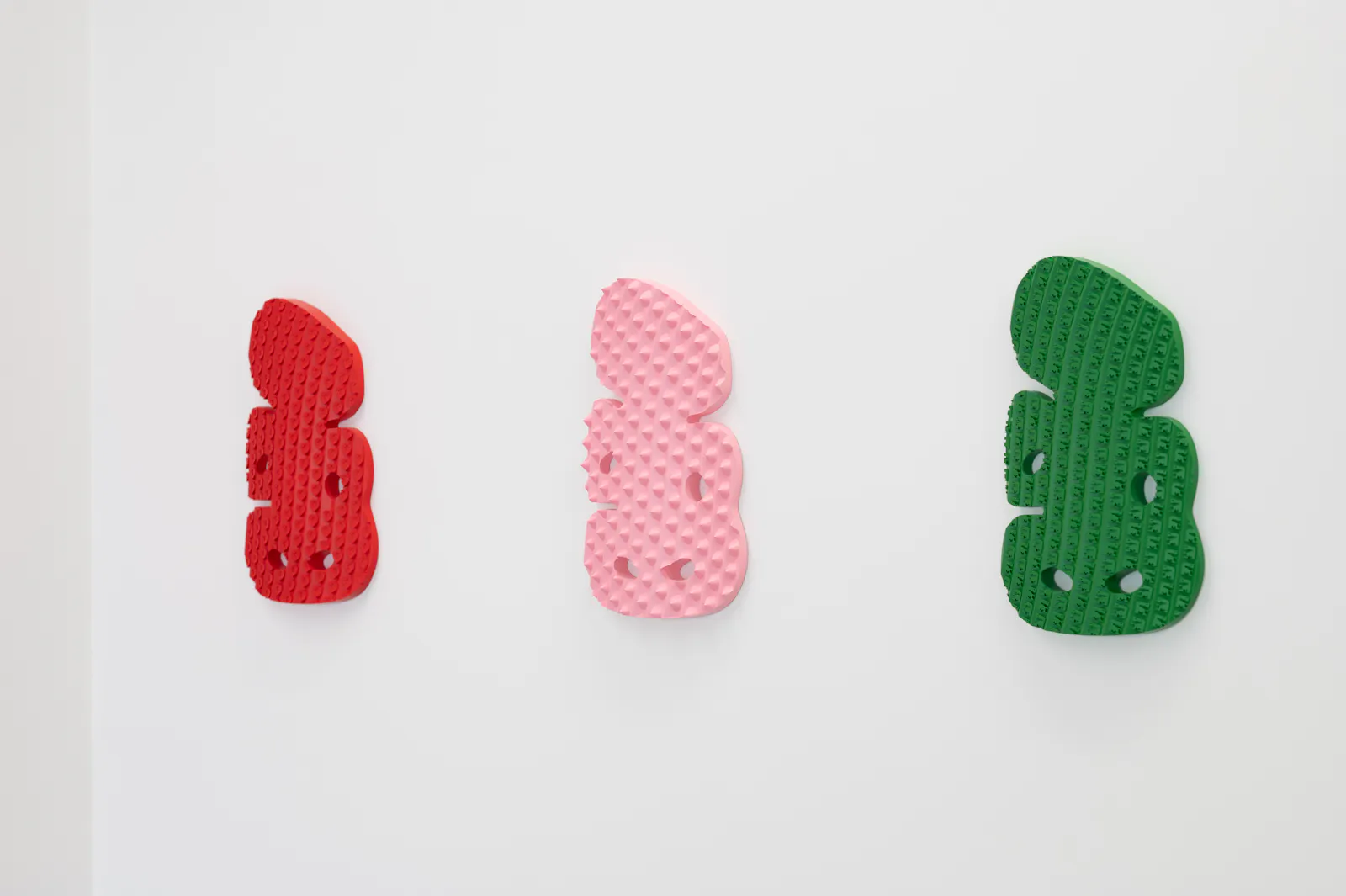
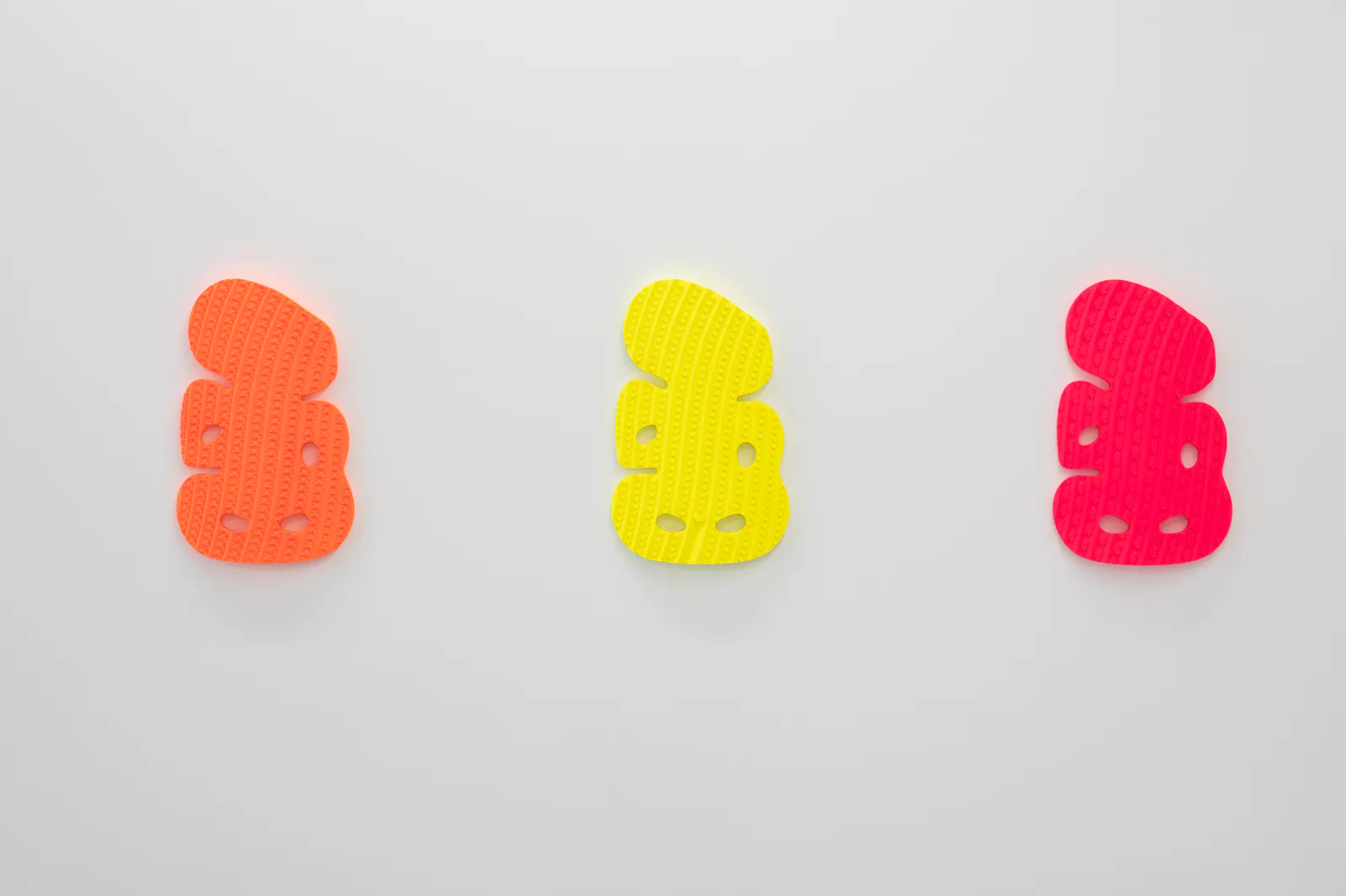
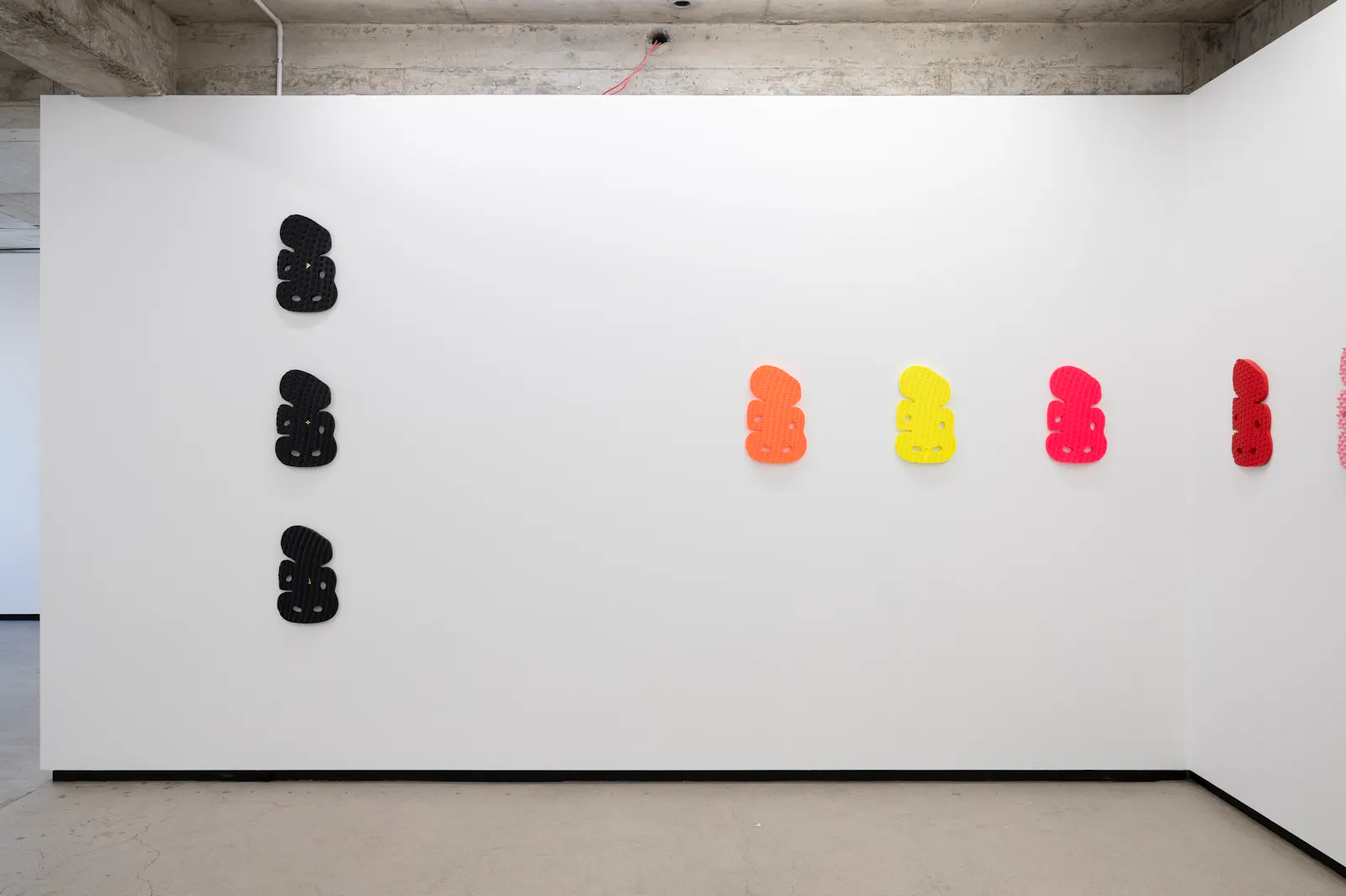
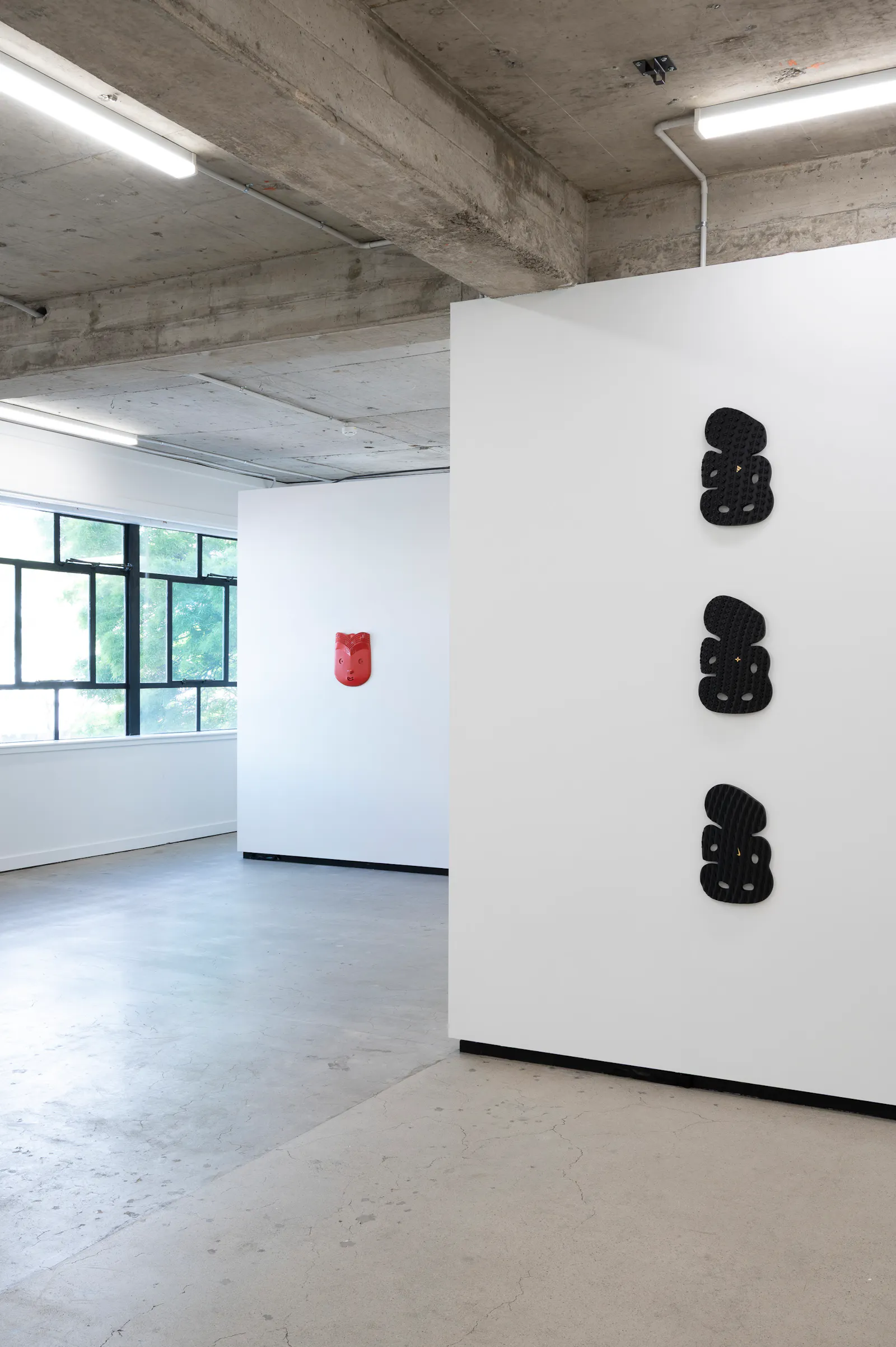
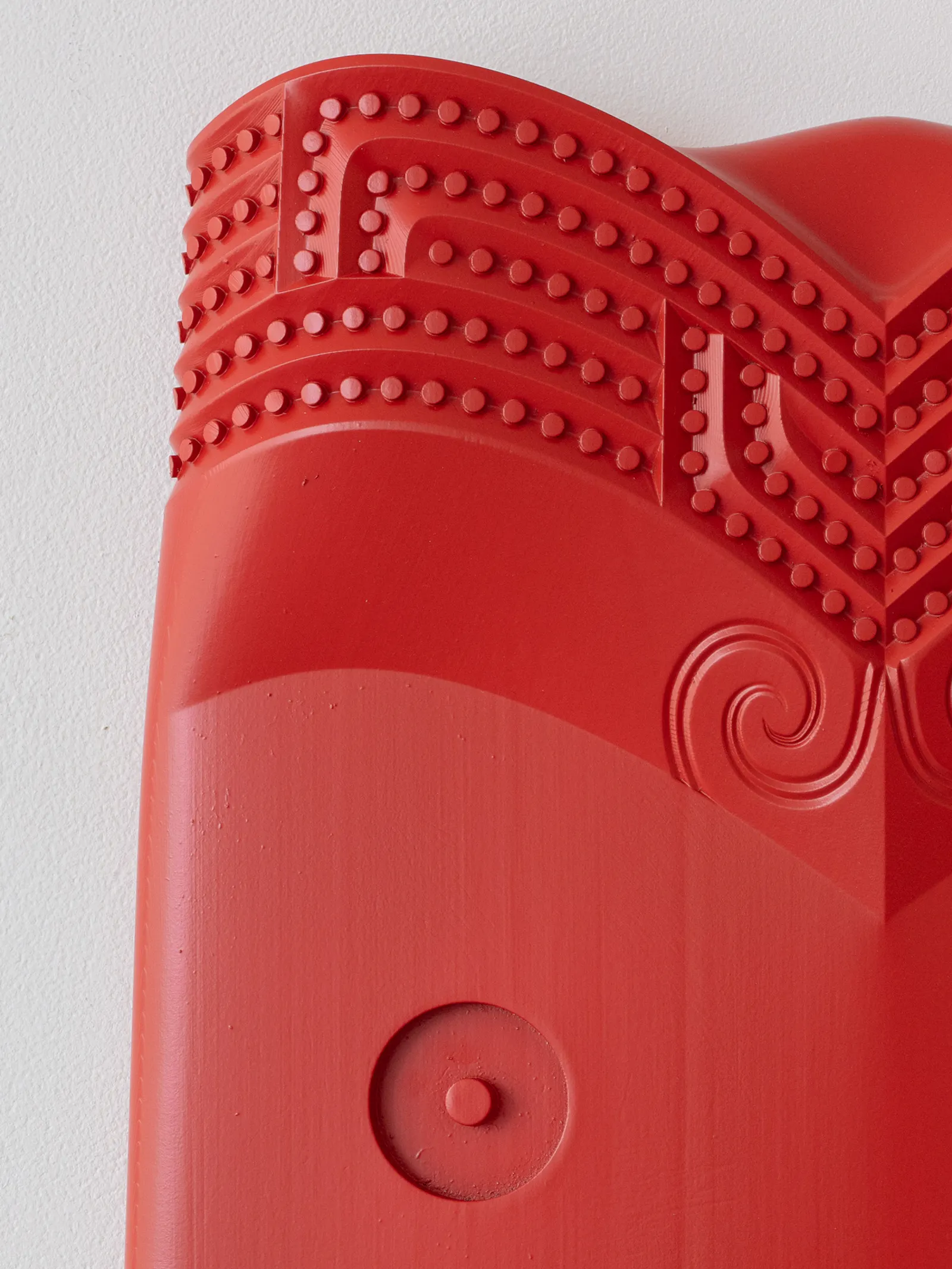
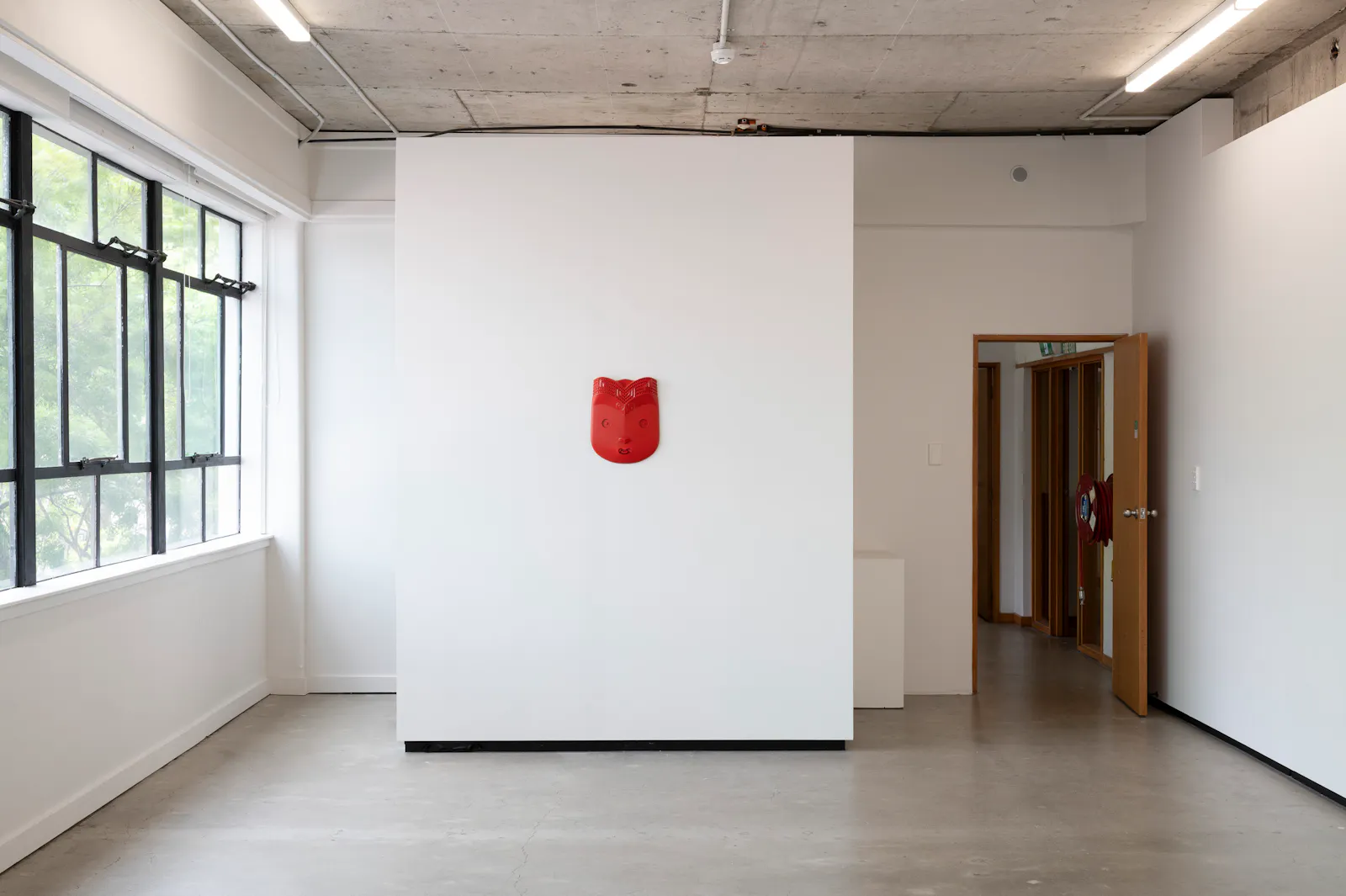
In WāMua, Kereama Taepa (Te Āti Awa) extends his exploration of how Māori art and digital culture intersect and evolve. His practice rhythmically weaves together the language of Te ao Matihiko (the digital world) and ancestral carving traditions, creating something simultaneously familiar and new, a dialogue between inherited forms and futuristic expression.
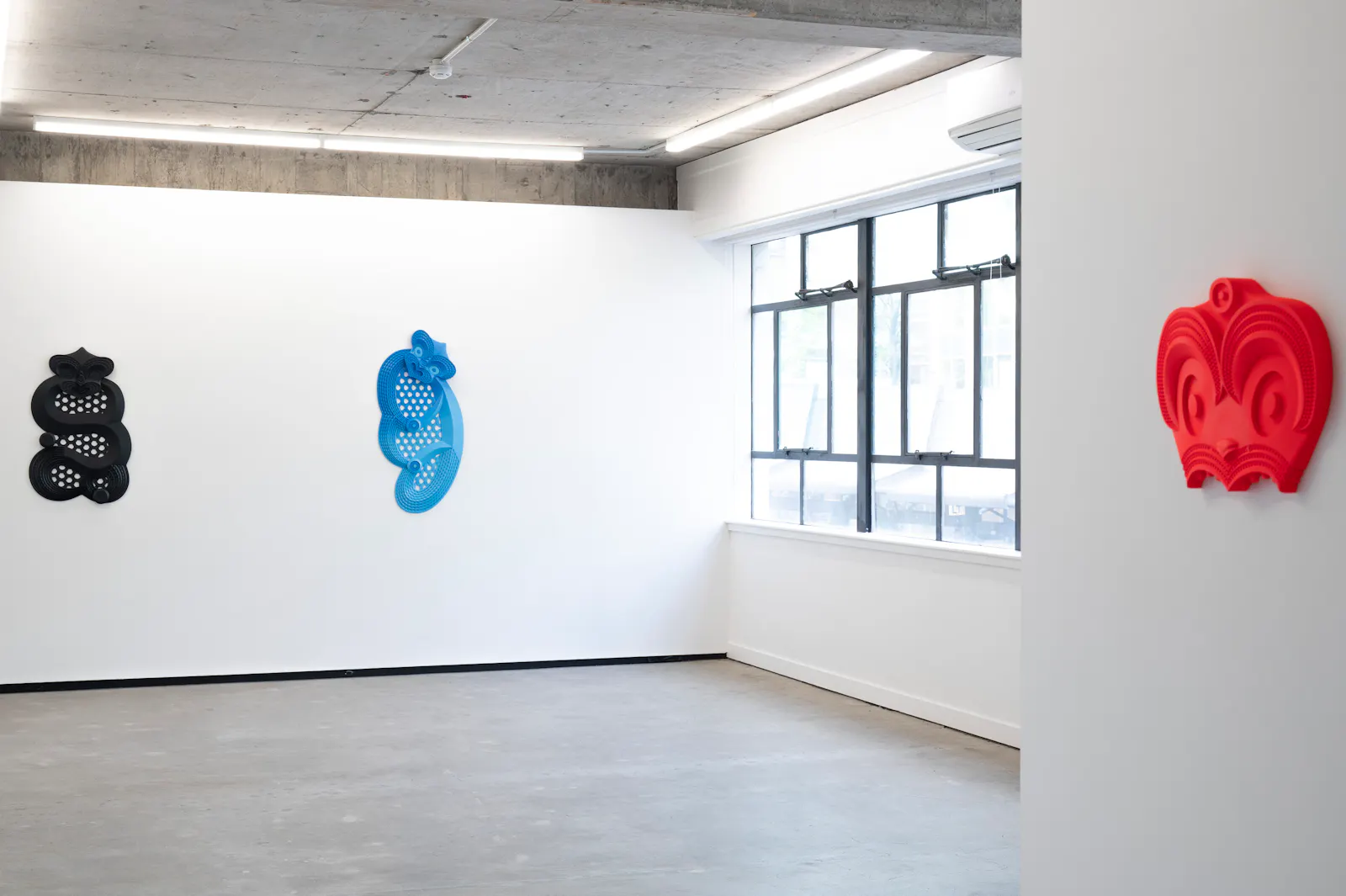
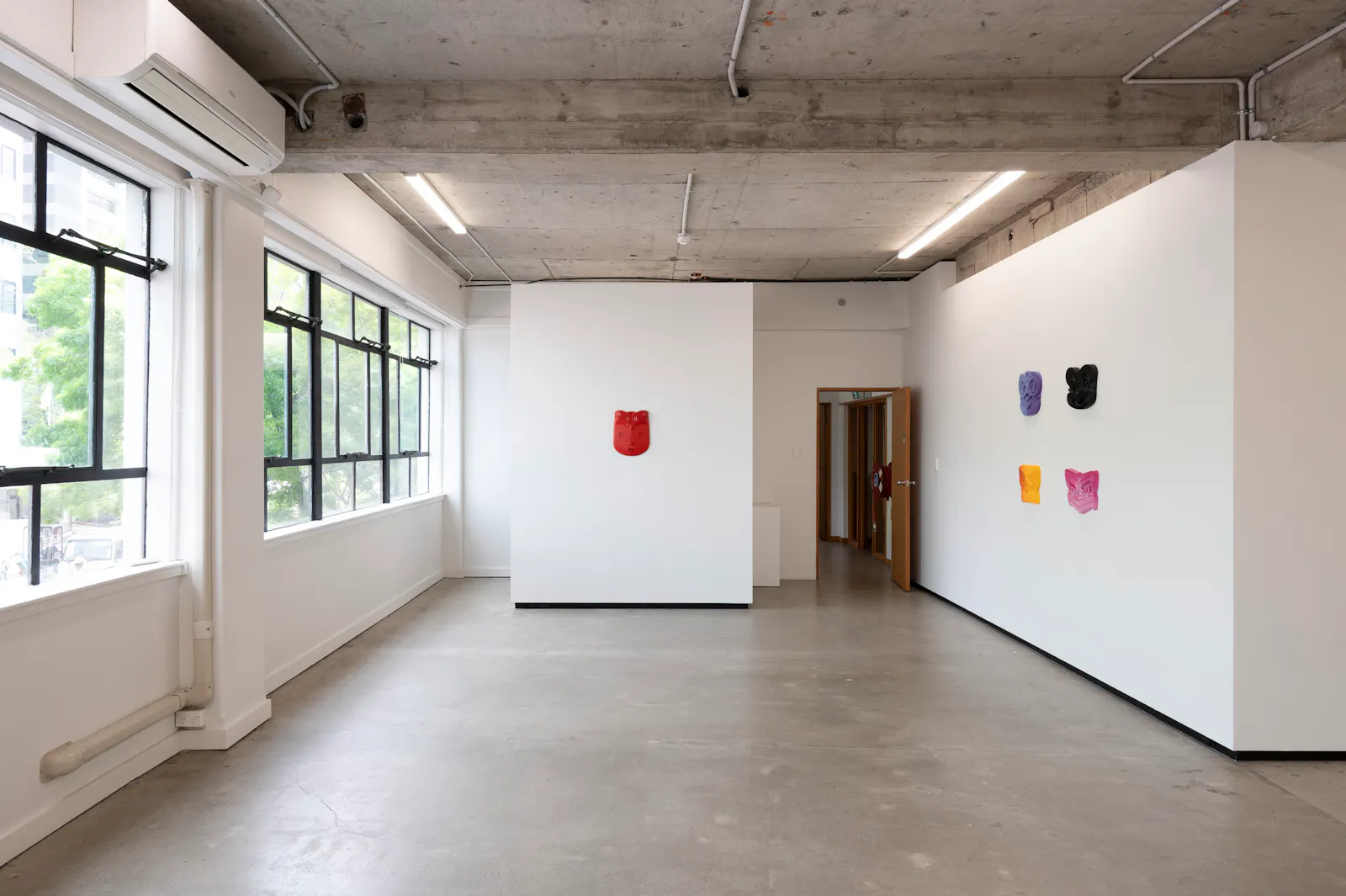
Across three distinct bodies of work—tiki, wheku (masks), and larger manaia and taniwha forms—Taepa merges intricate pattern and the precision of digital fabrication.
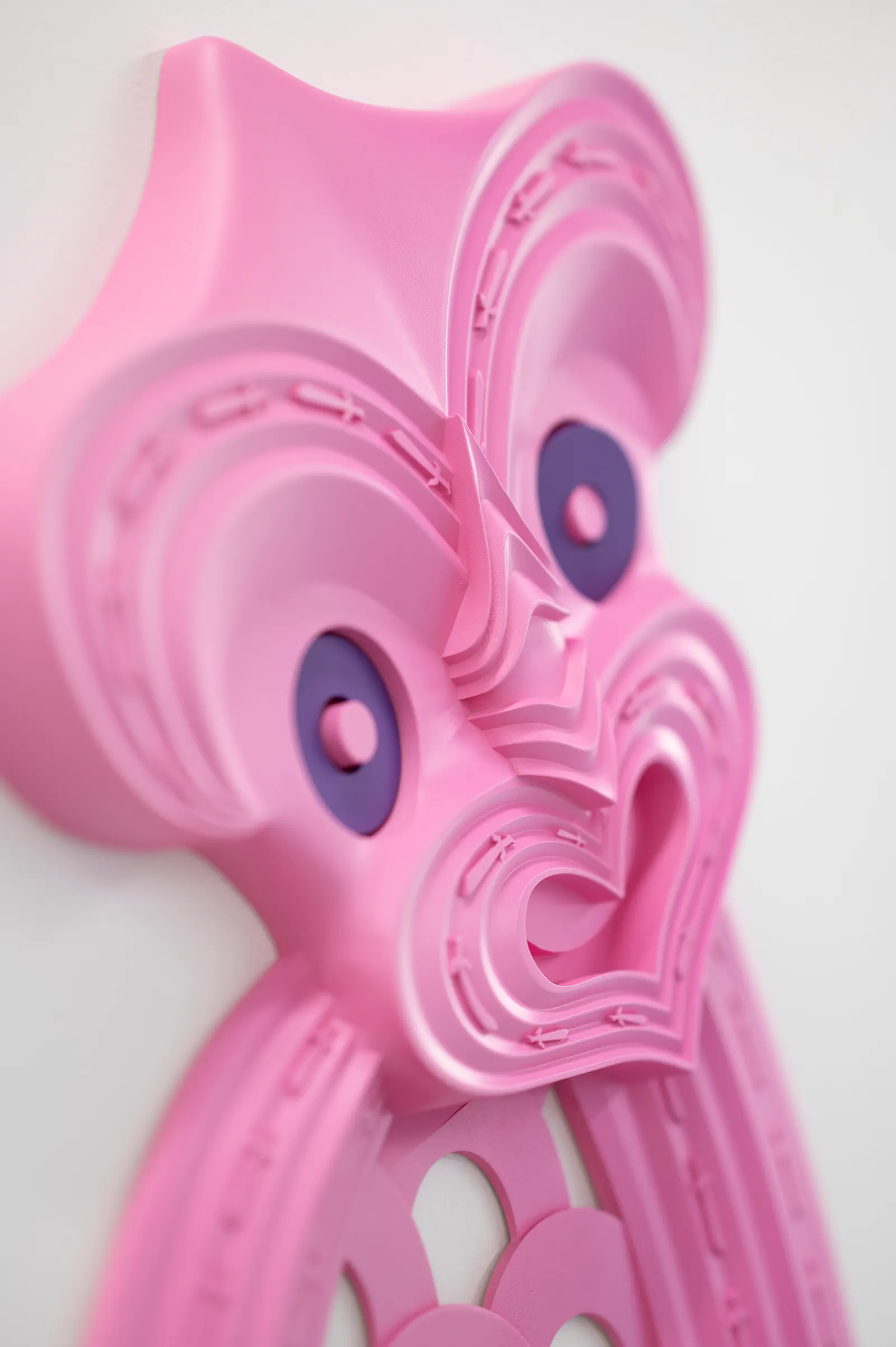
The manaia and taniwha are shaped in the Te Āti Awa style, their flowing contours honouring Taranaki Maunga. The wheku explore facial form and expression rather than referencing a specific iwi, focusing on the eyes, nose, mouth, and brows. The tiki are lighter in tone, playful works drawing from the visual language of pop culture, arcade games, and streetwear.
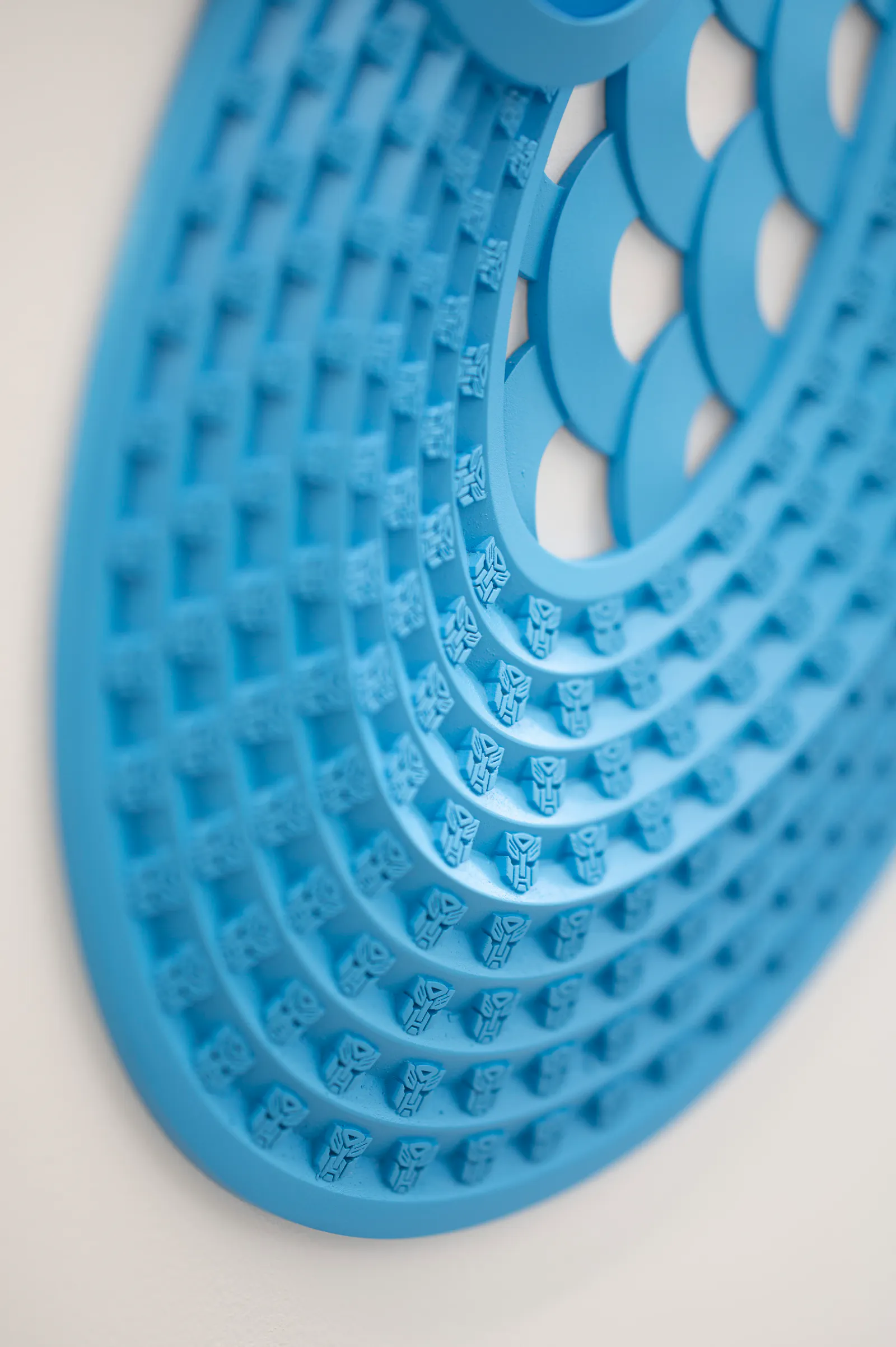
Through digital modelling and 3D printing, Taepa transforms familiar symbols from video games and global brands into new codes of whakapapa and imagination. His work, propelled by curiosity and continuous adaptation, embodies a tradition of innovation that has long driven Māori creative expression—from ancient carving to virtual space.
An exhibition essay by Zoe Black accompanies the show, scroll down to read.
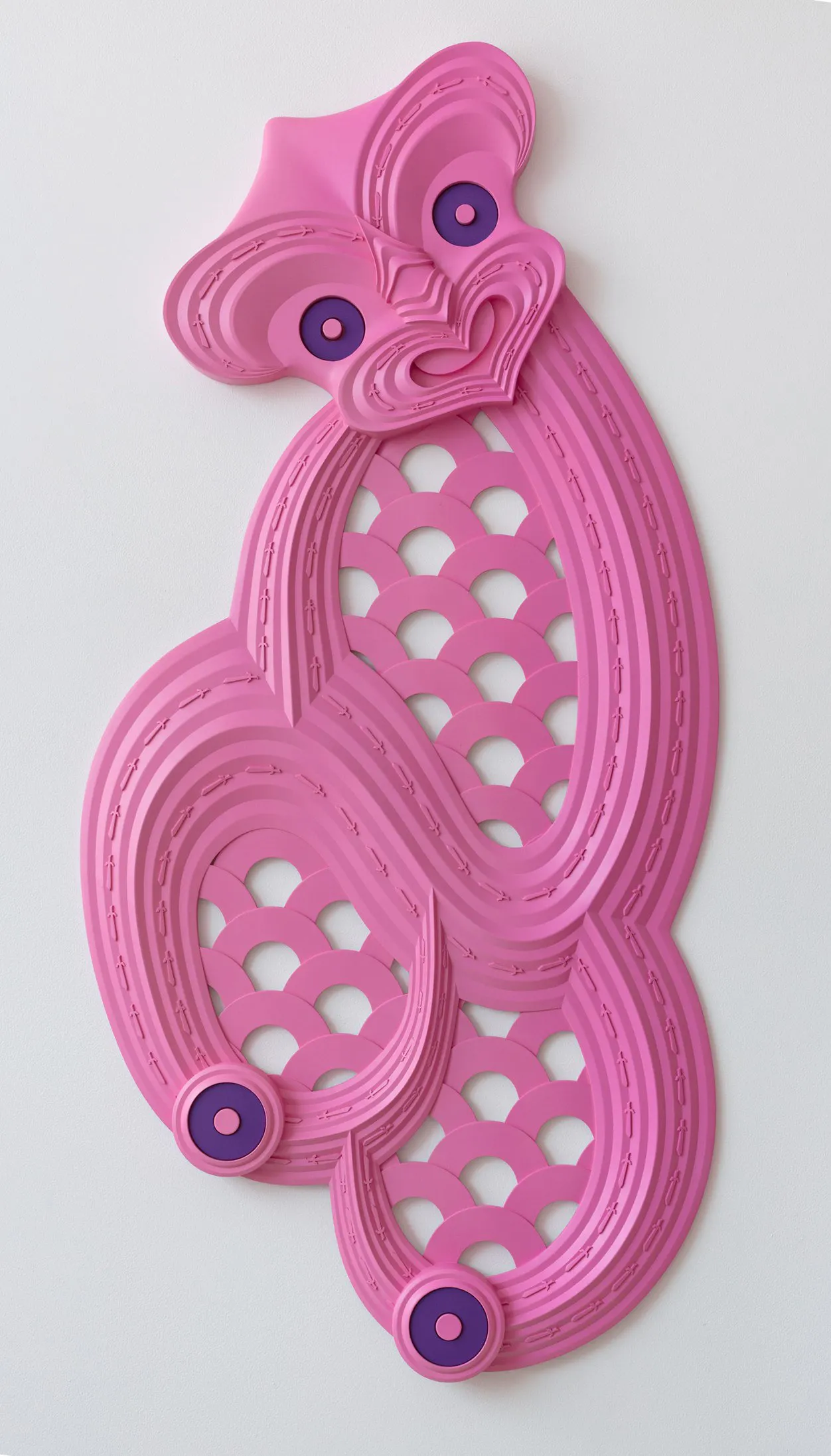
Hoari, 2025
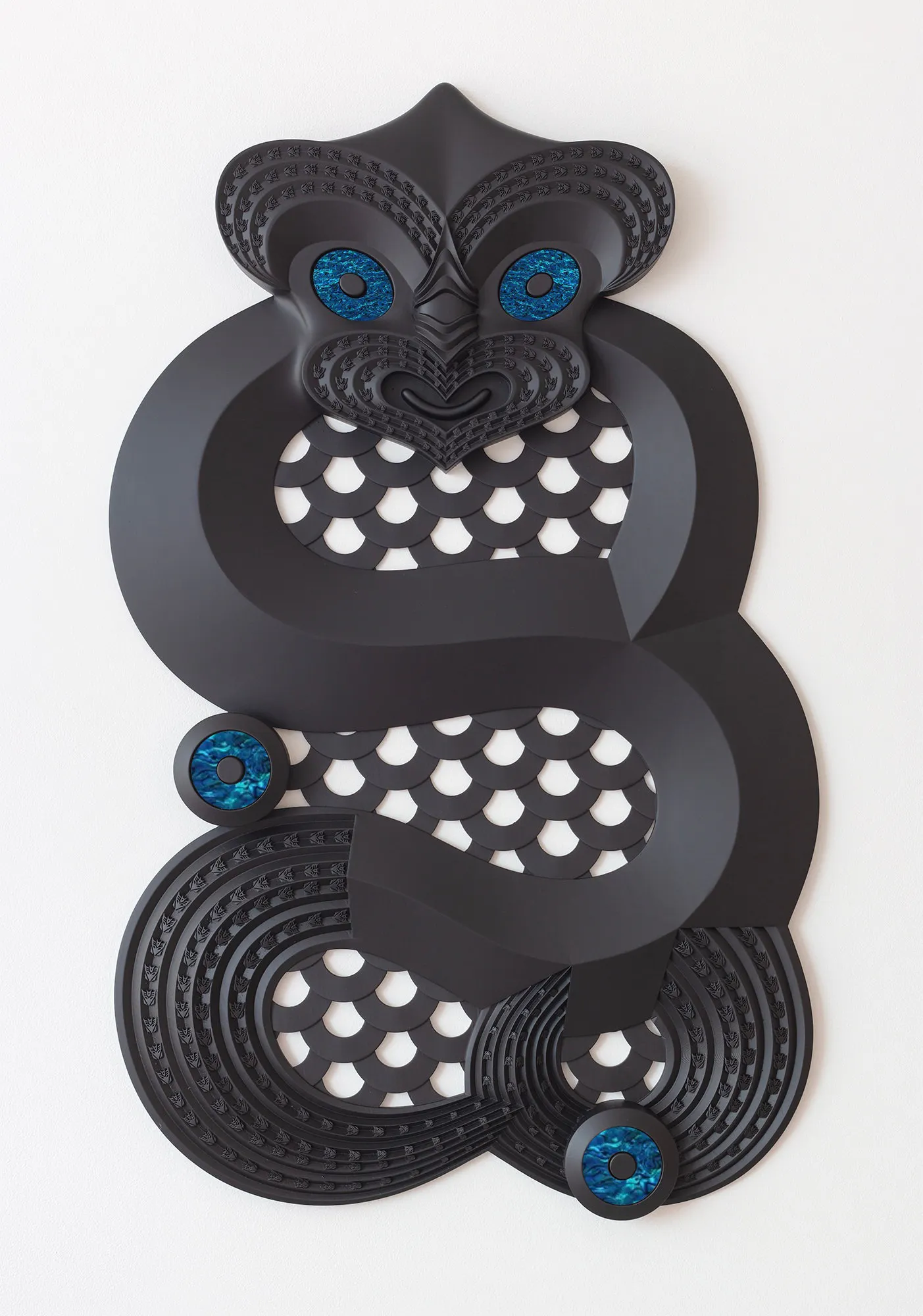
Whakaahuakino, 2025
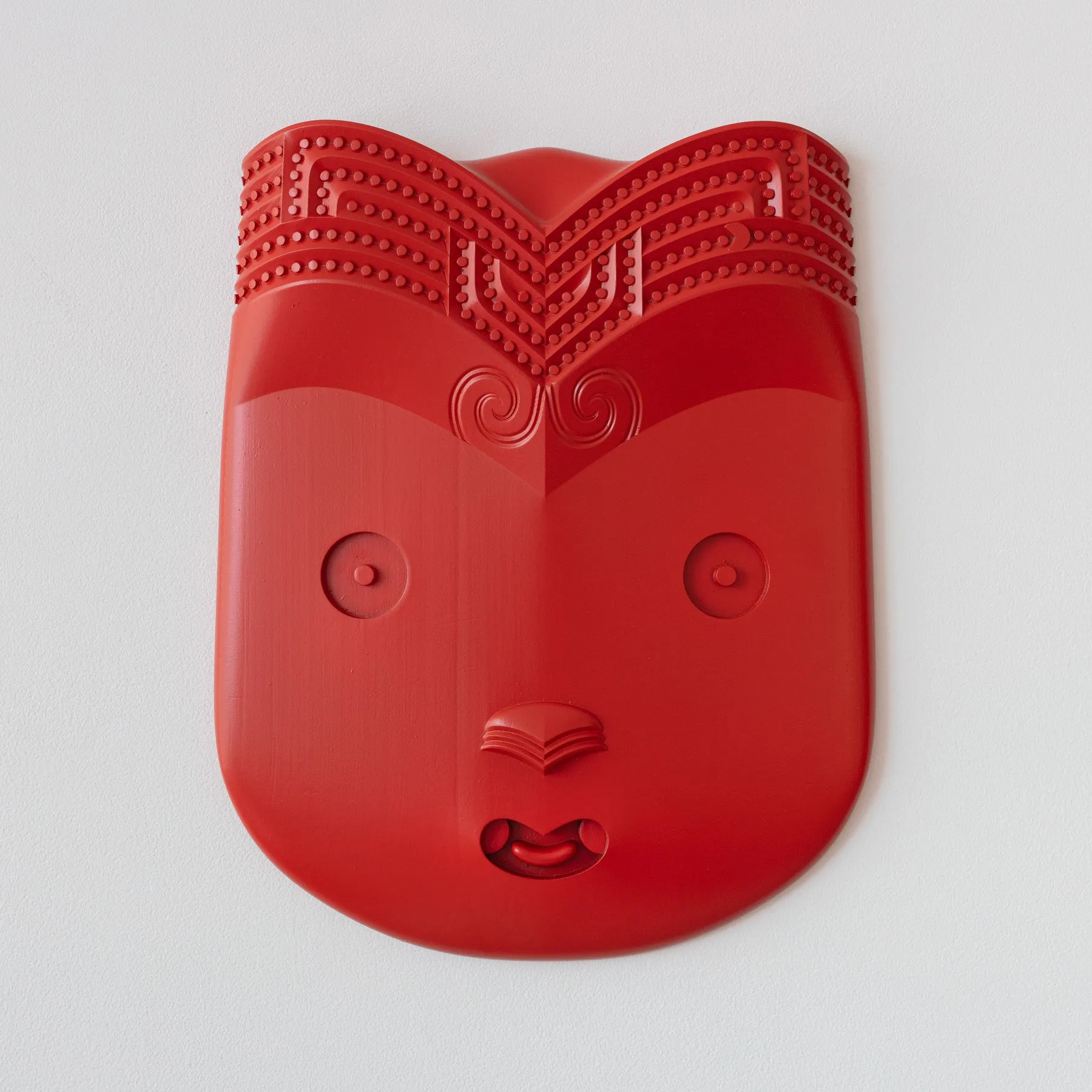
Nomnom, 2025
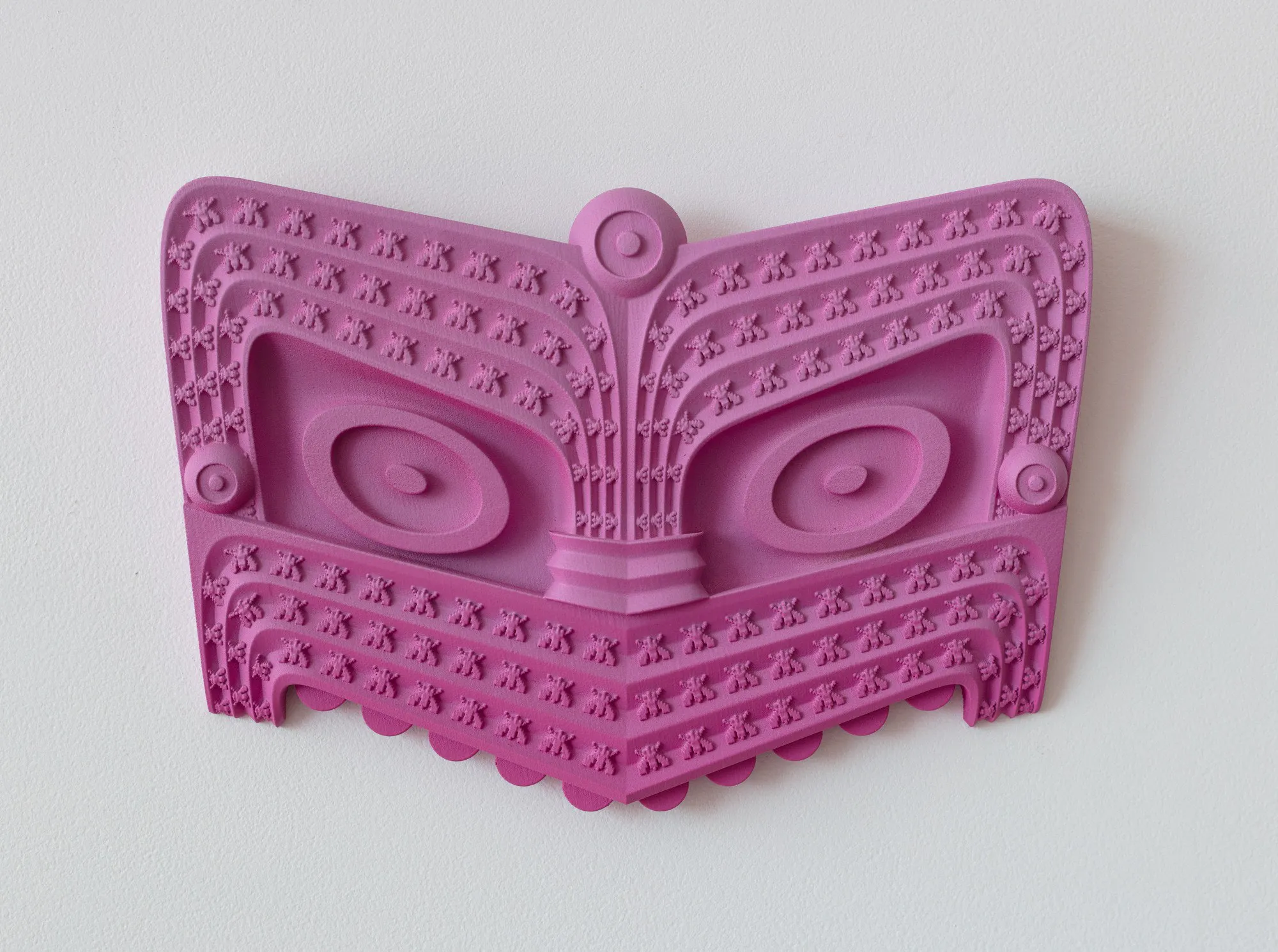
Pākatipī.2, 2025
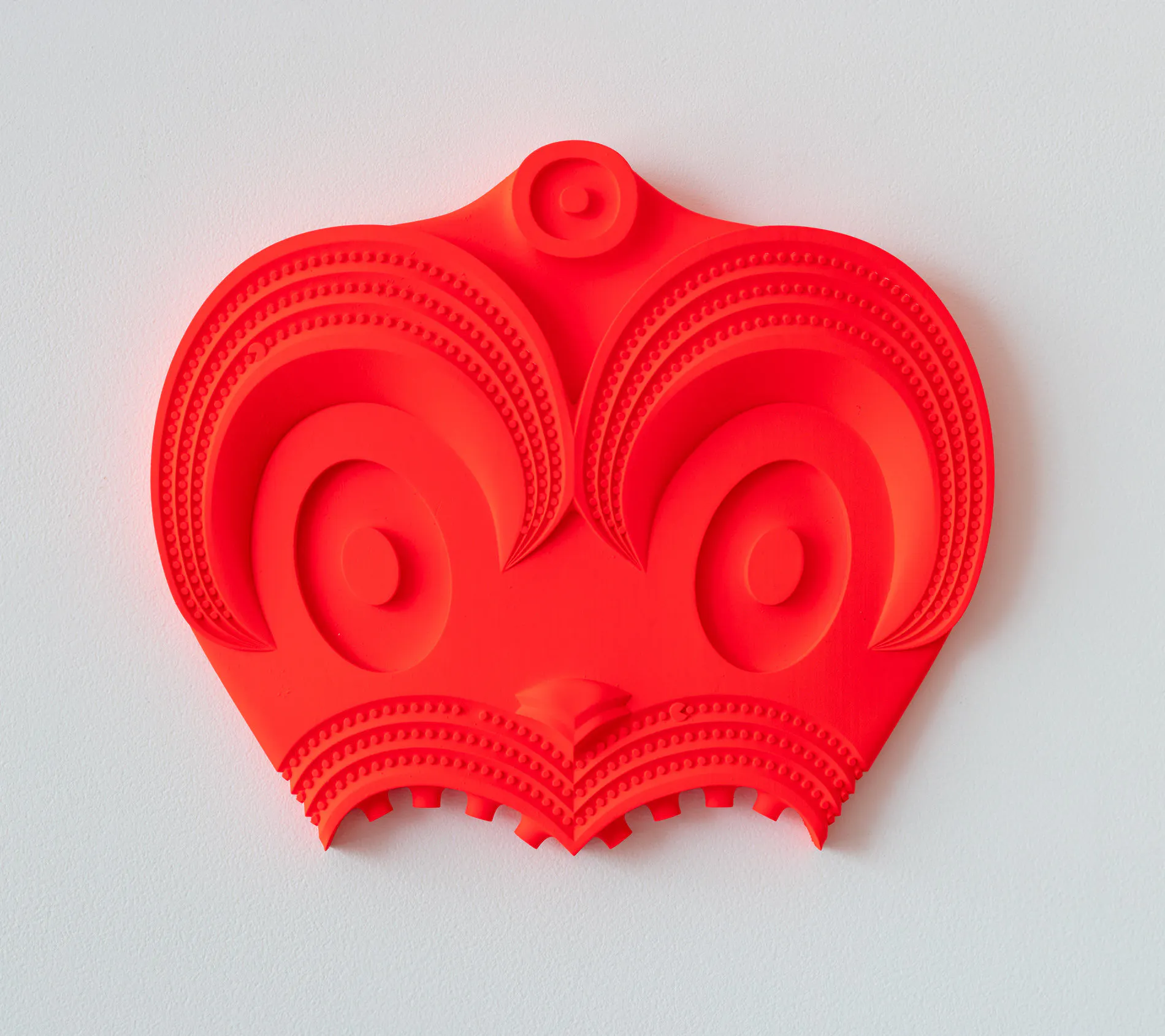
Hiakai, 2025
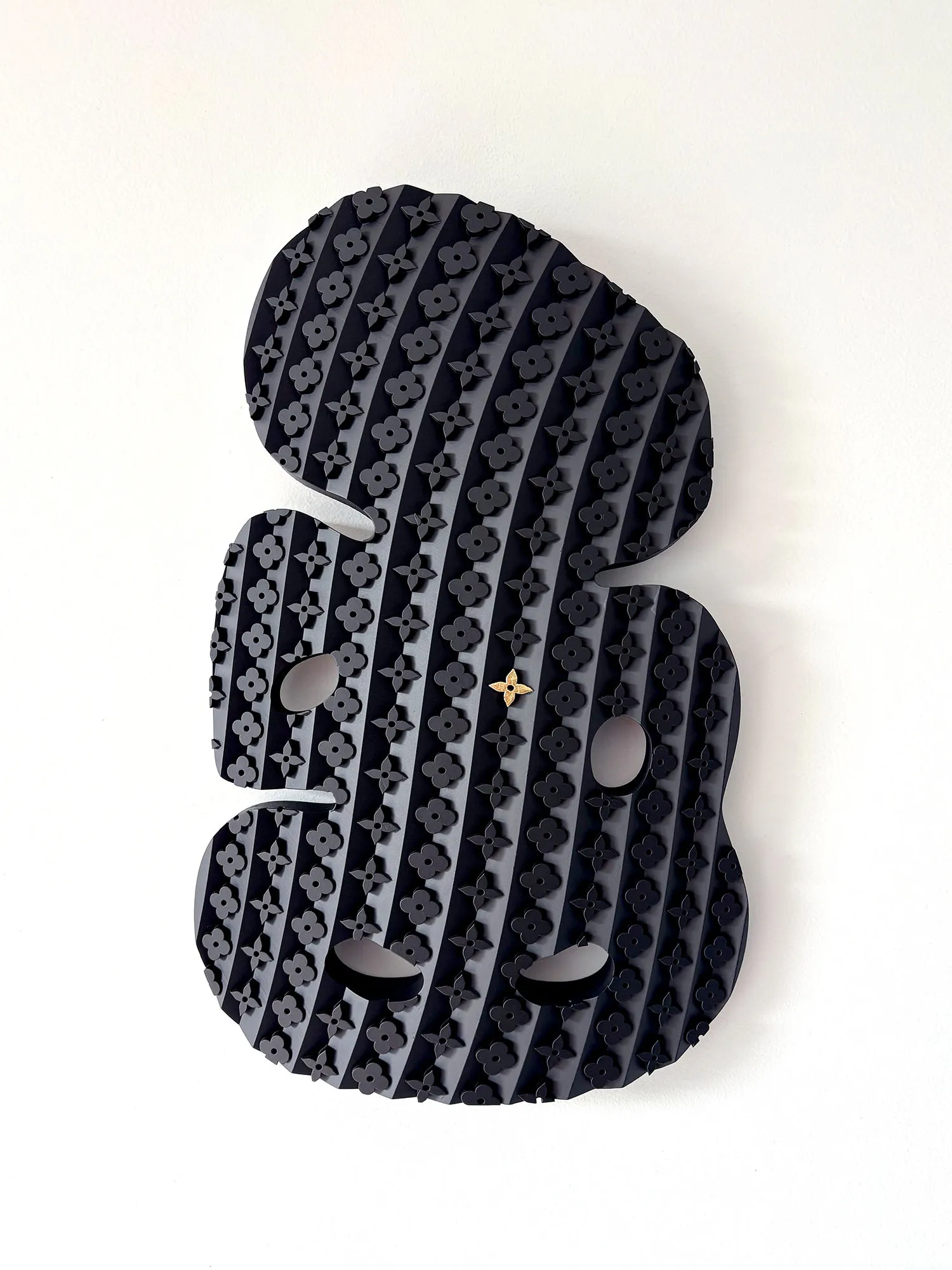
Tiki-Mārō, 2025
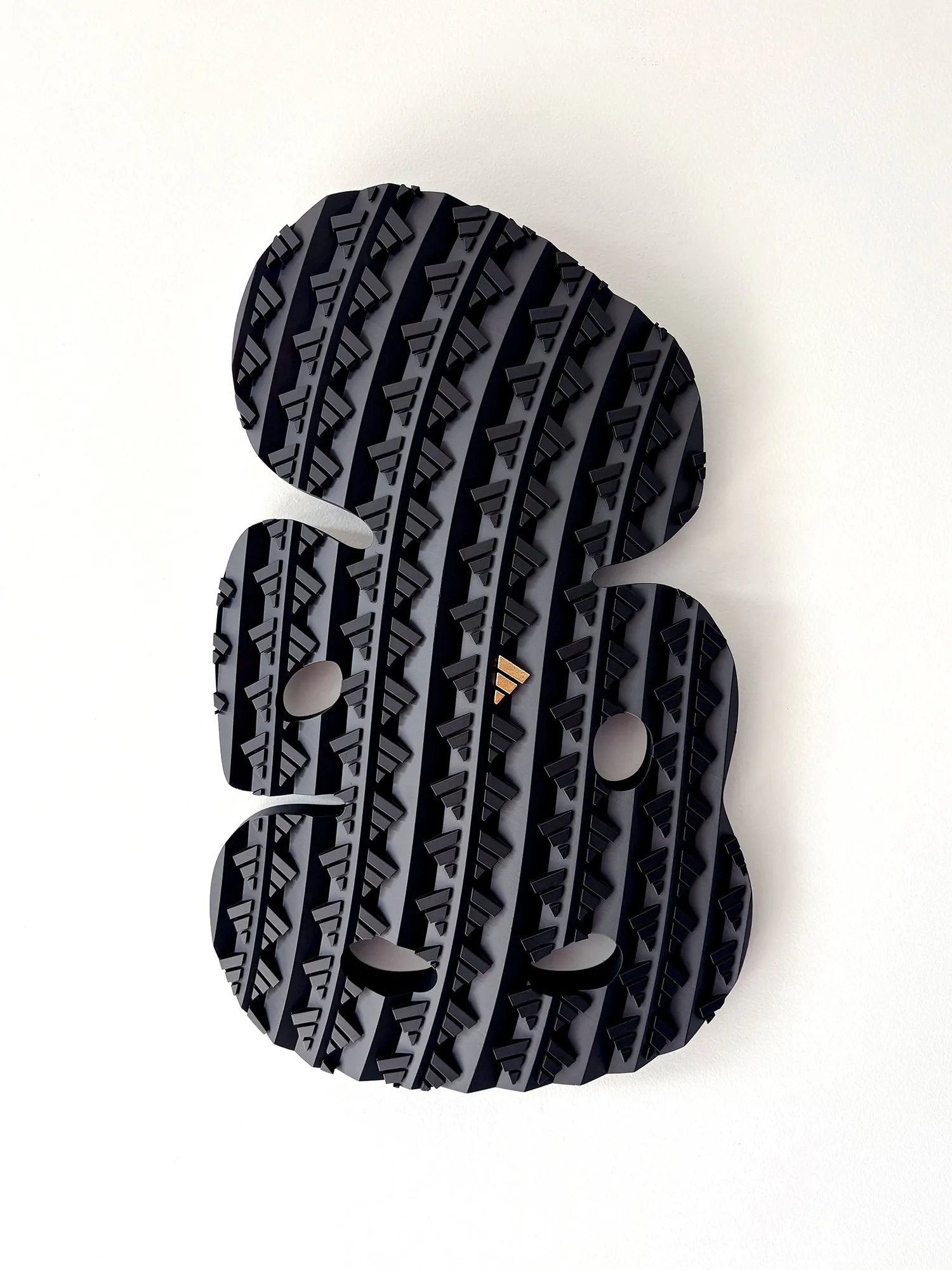
Tiki-Adi, 2025
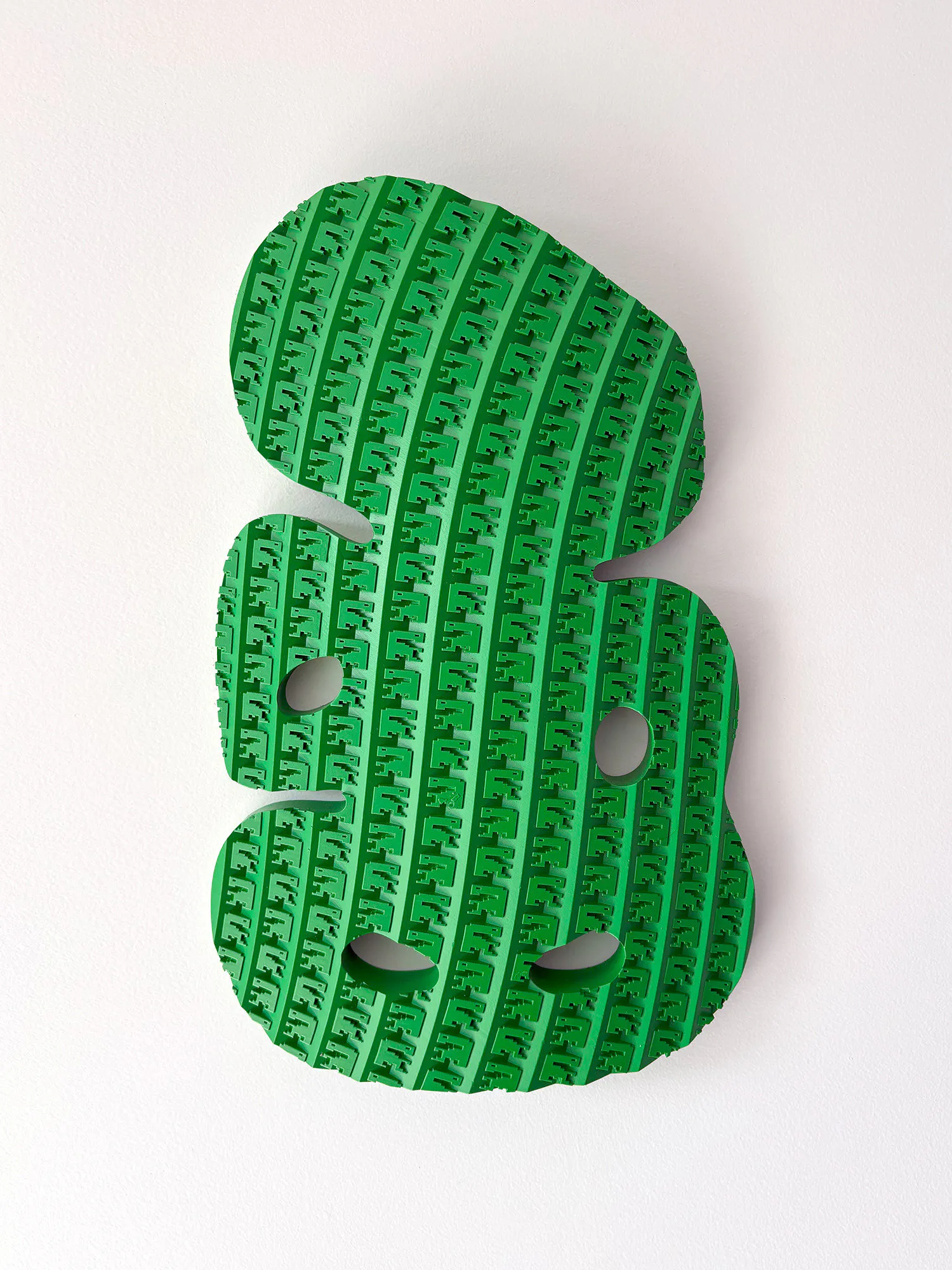
Tiki-KaingaWaea, 2025
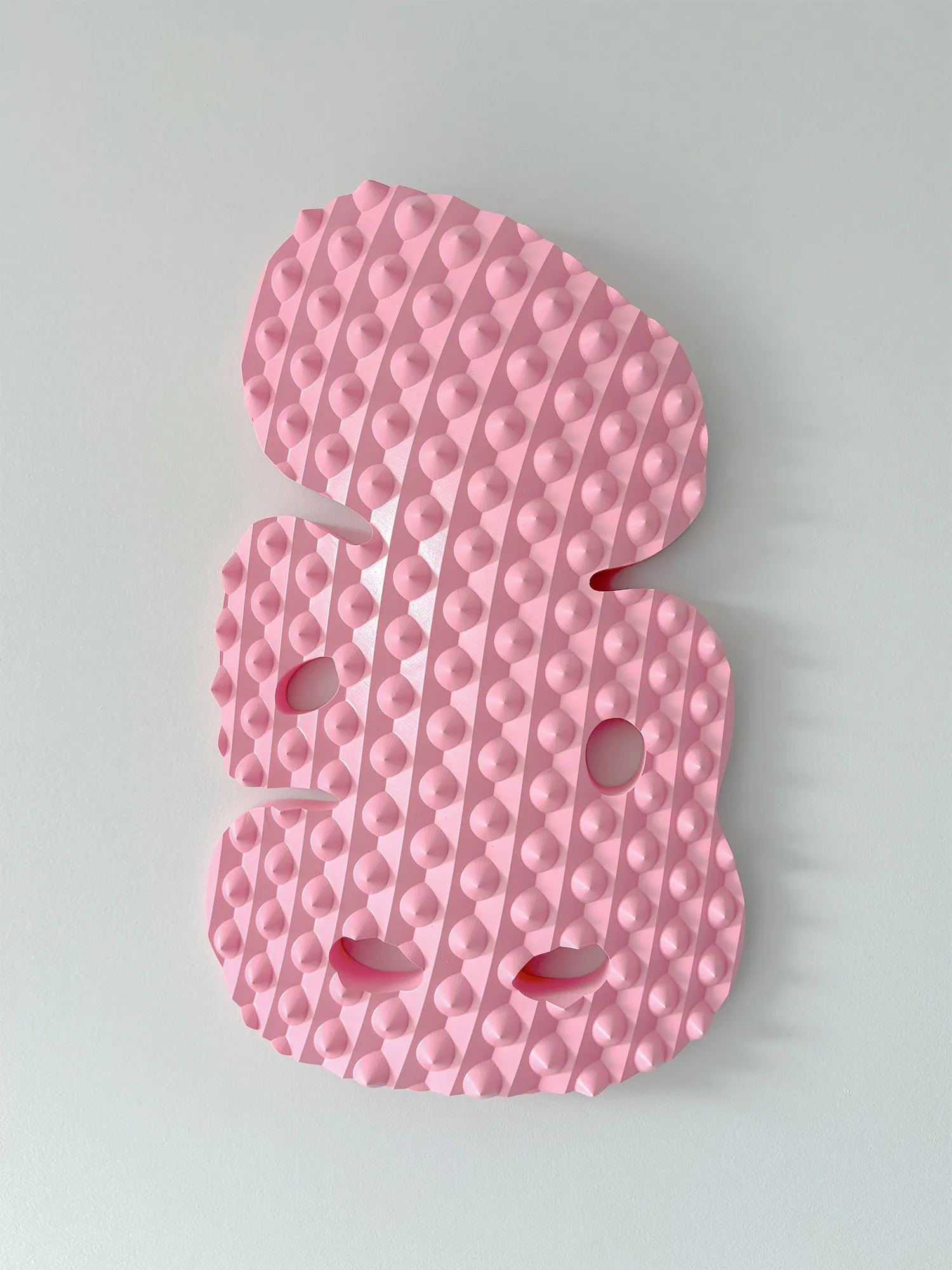
Tiki-Taratara, 2025
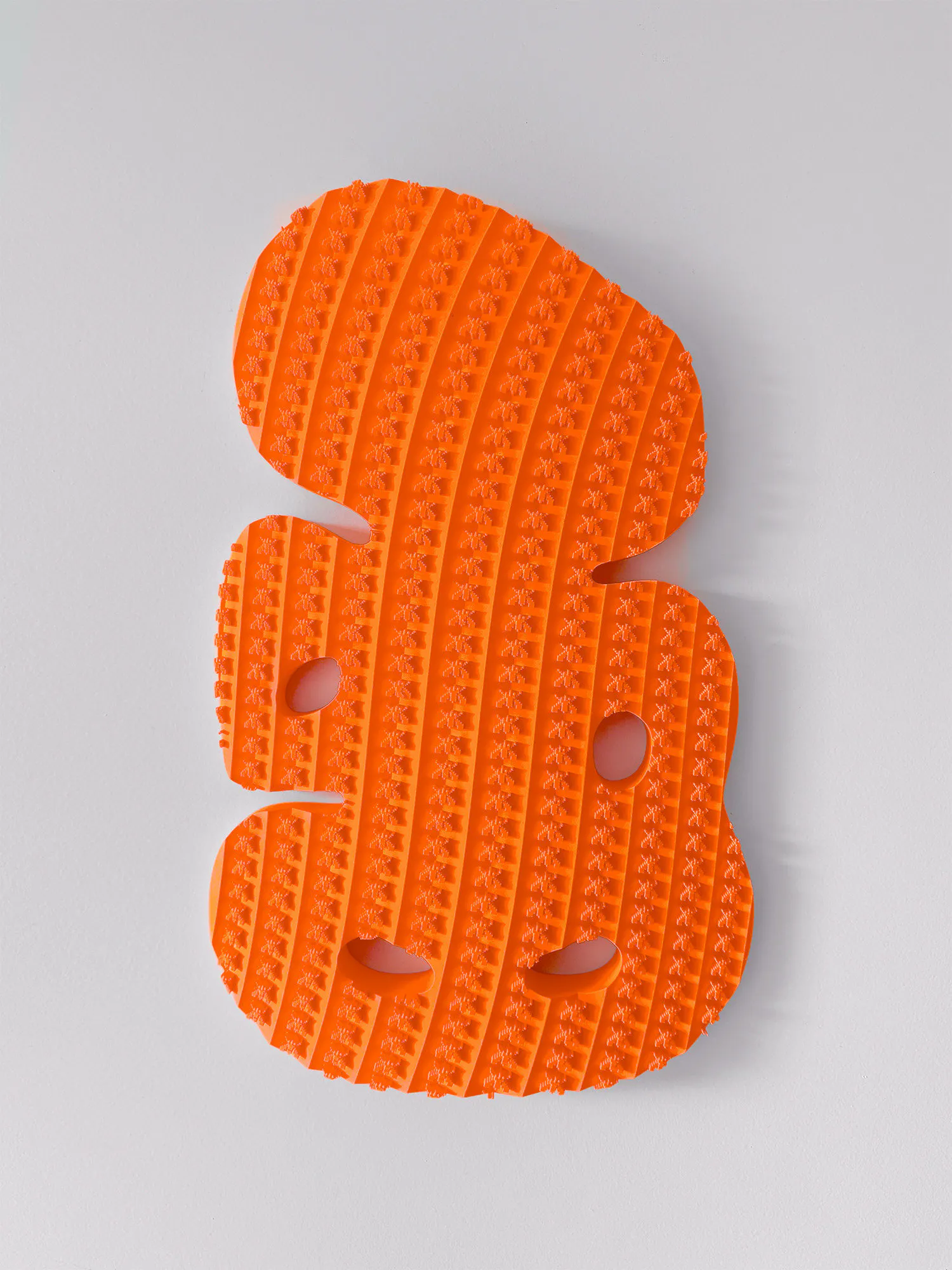
Tiki-Pī, 2025
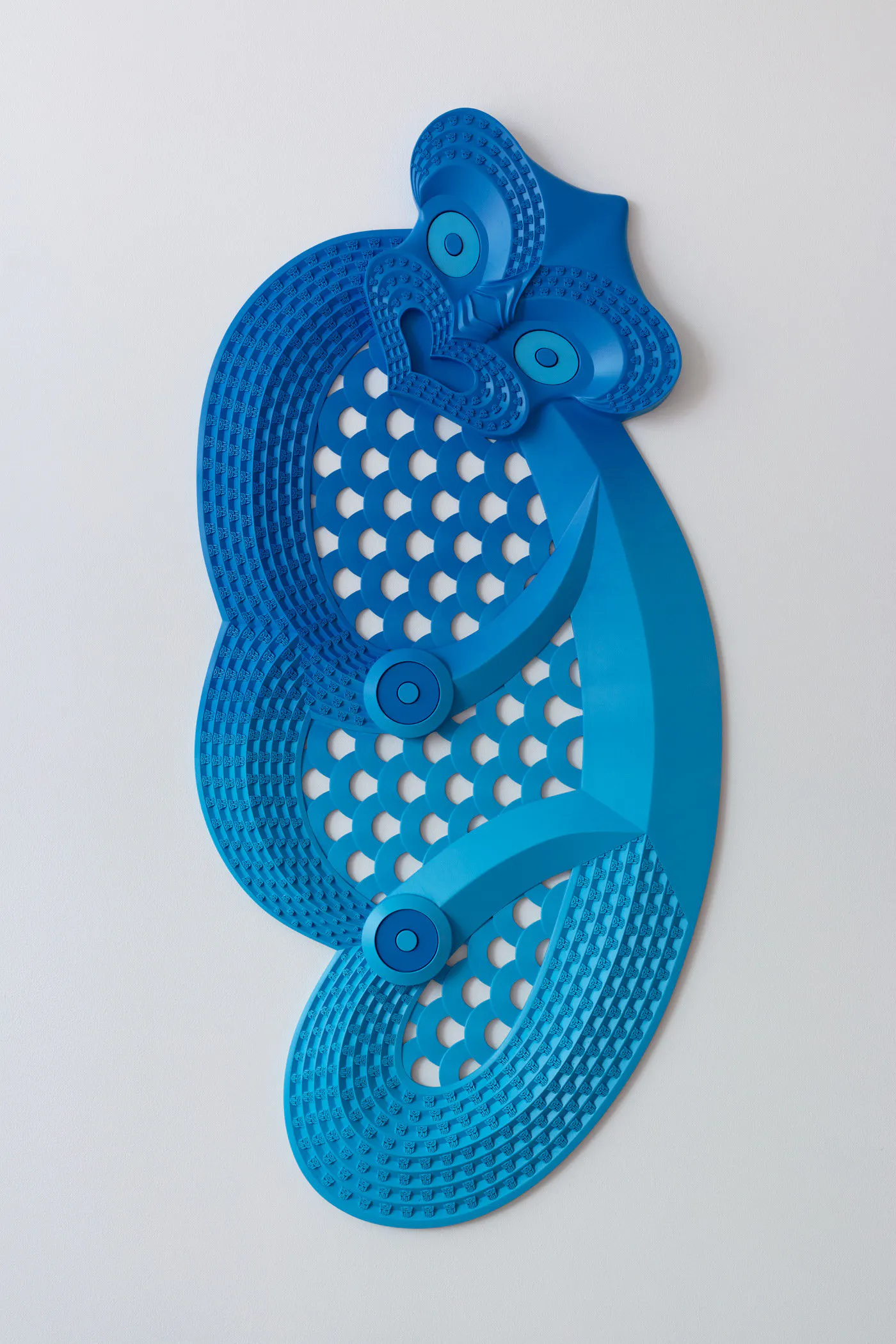
Whakaahuapai, 2025
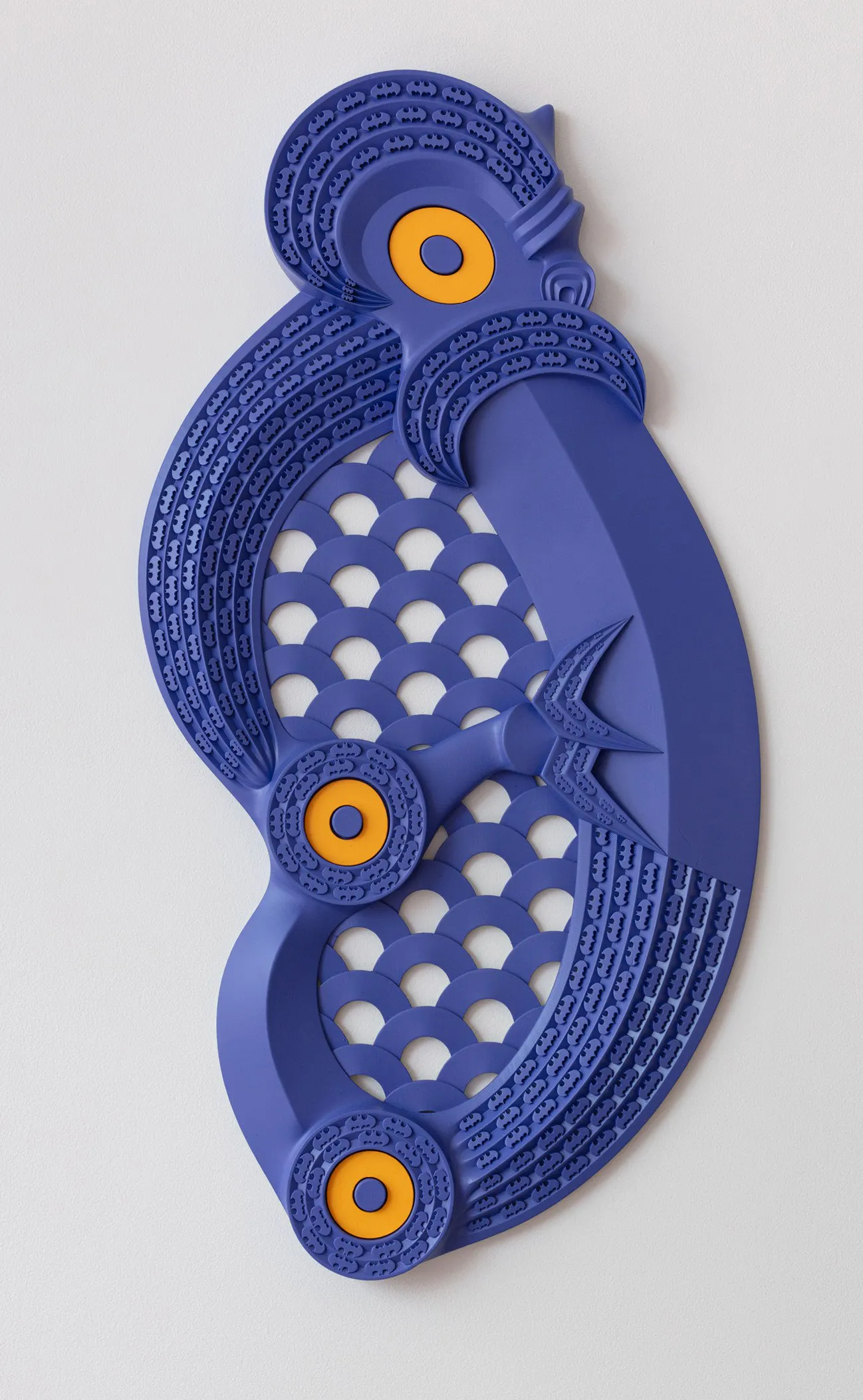
Pekapeka, 2025
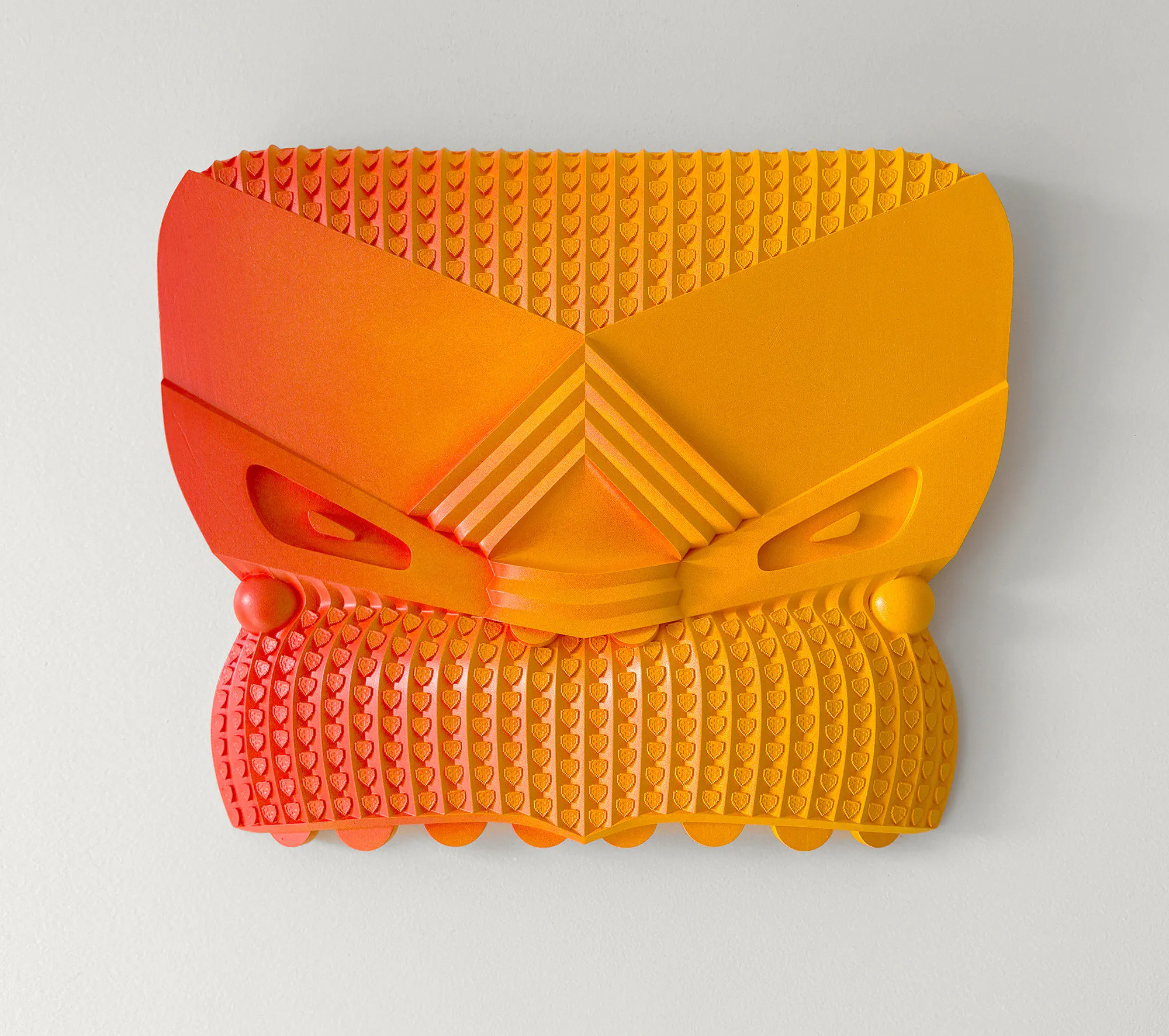
Pākatihīra, 2025
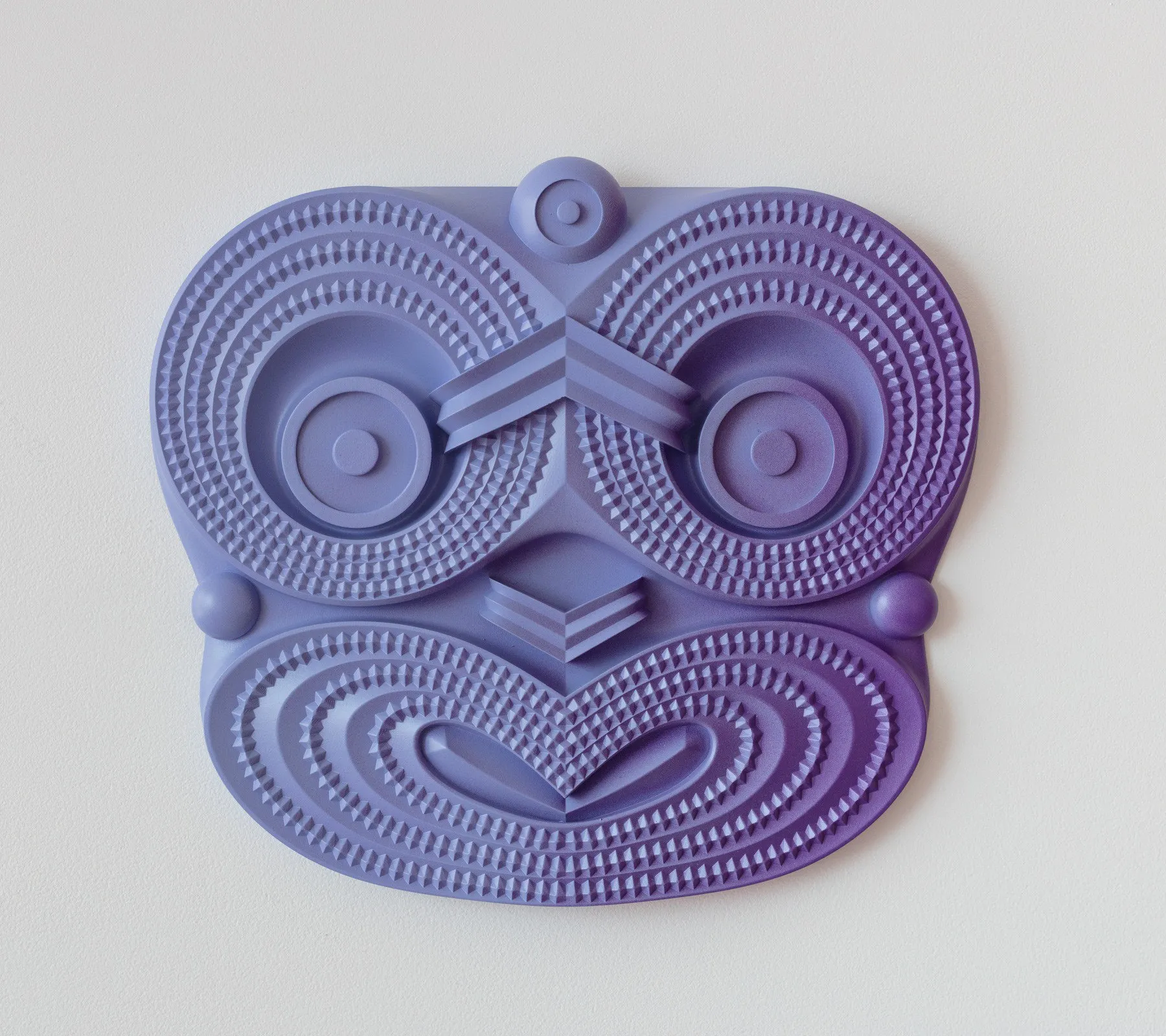
Nihotaniwha, 2025
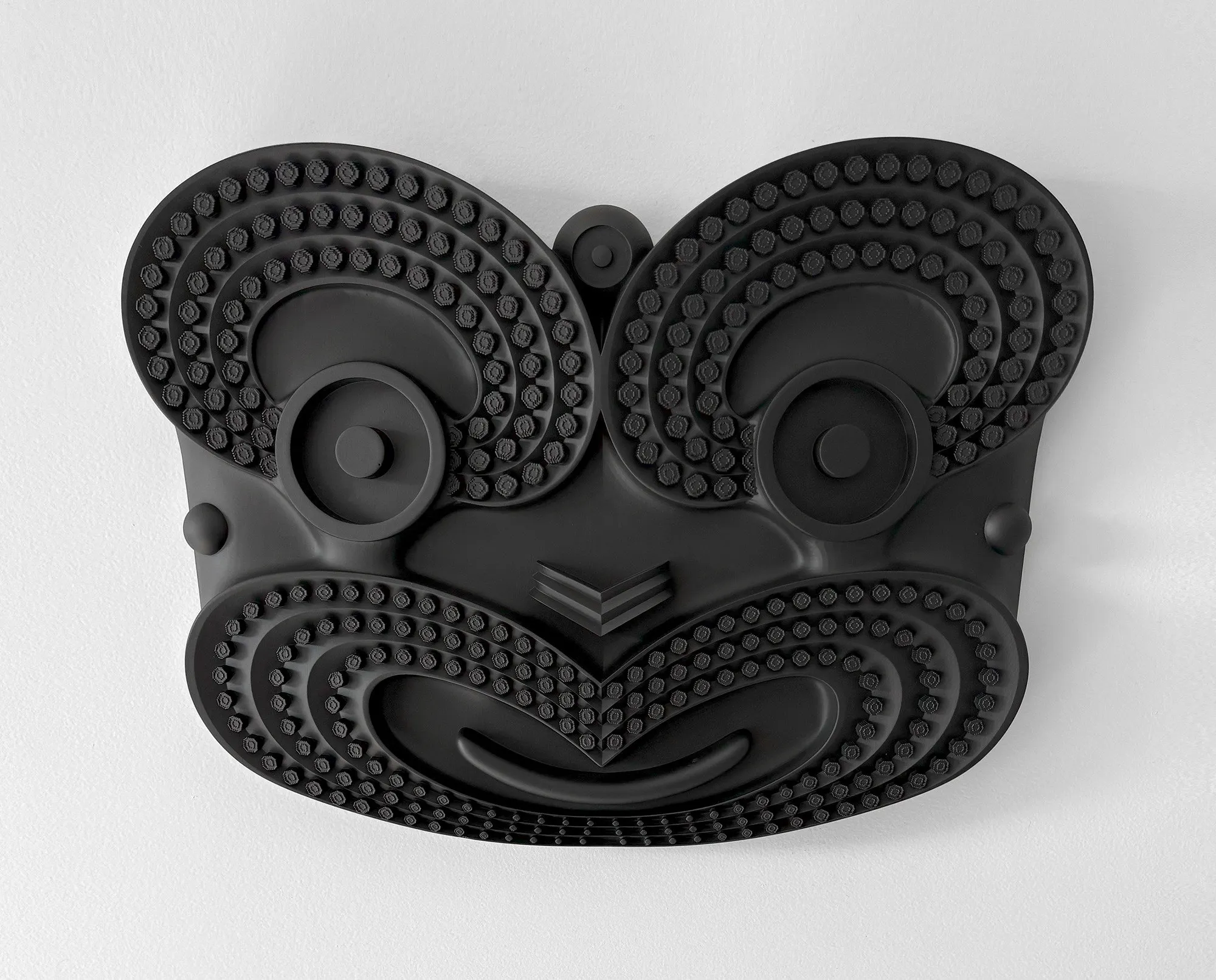
Pākatiuka, 2025
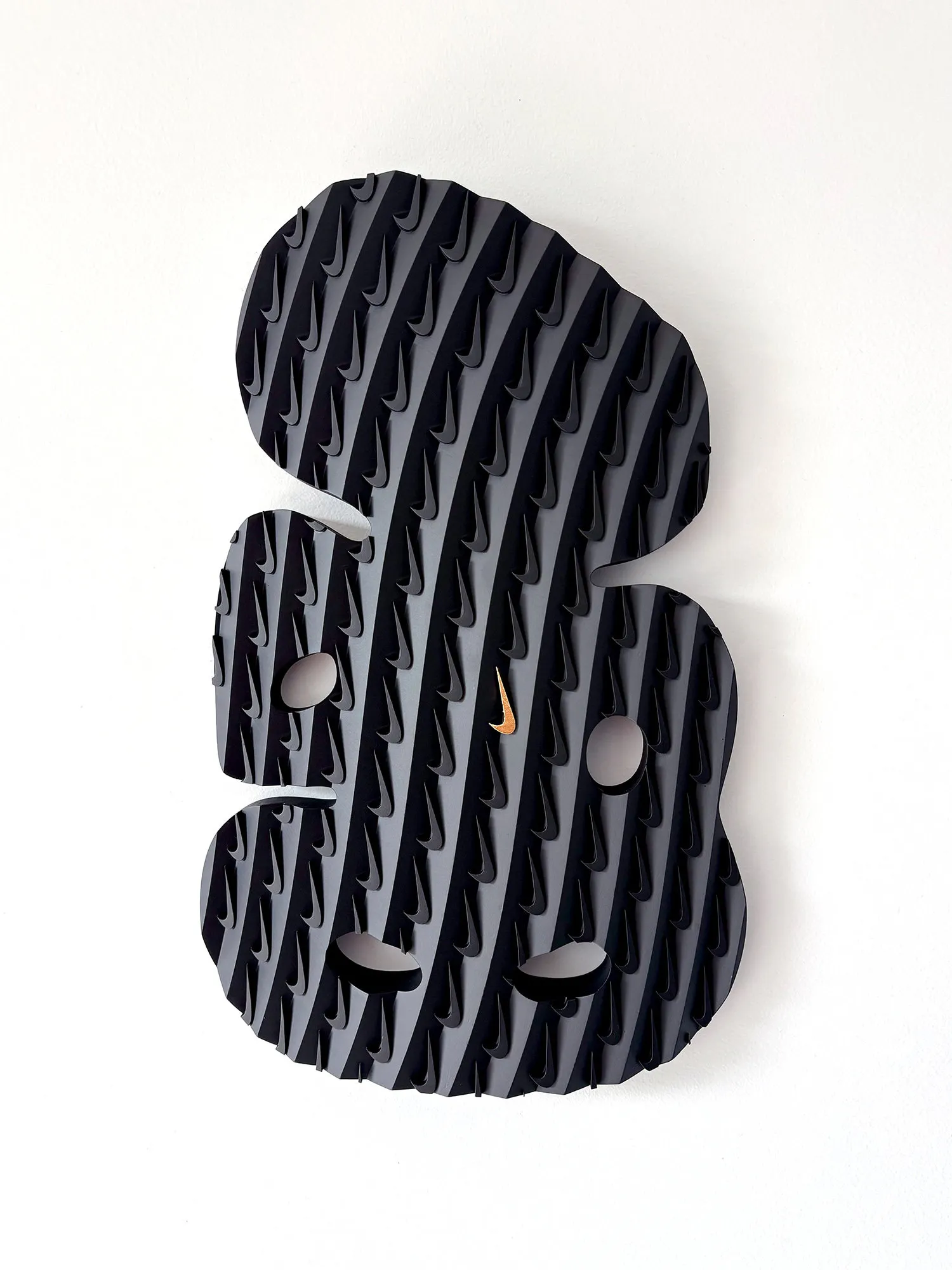
Tiki-Toa, 2025
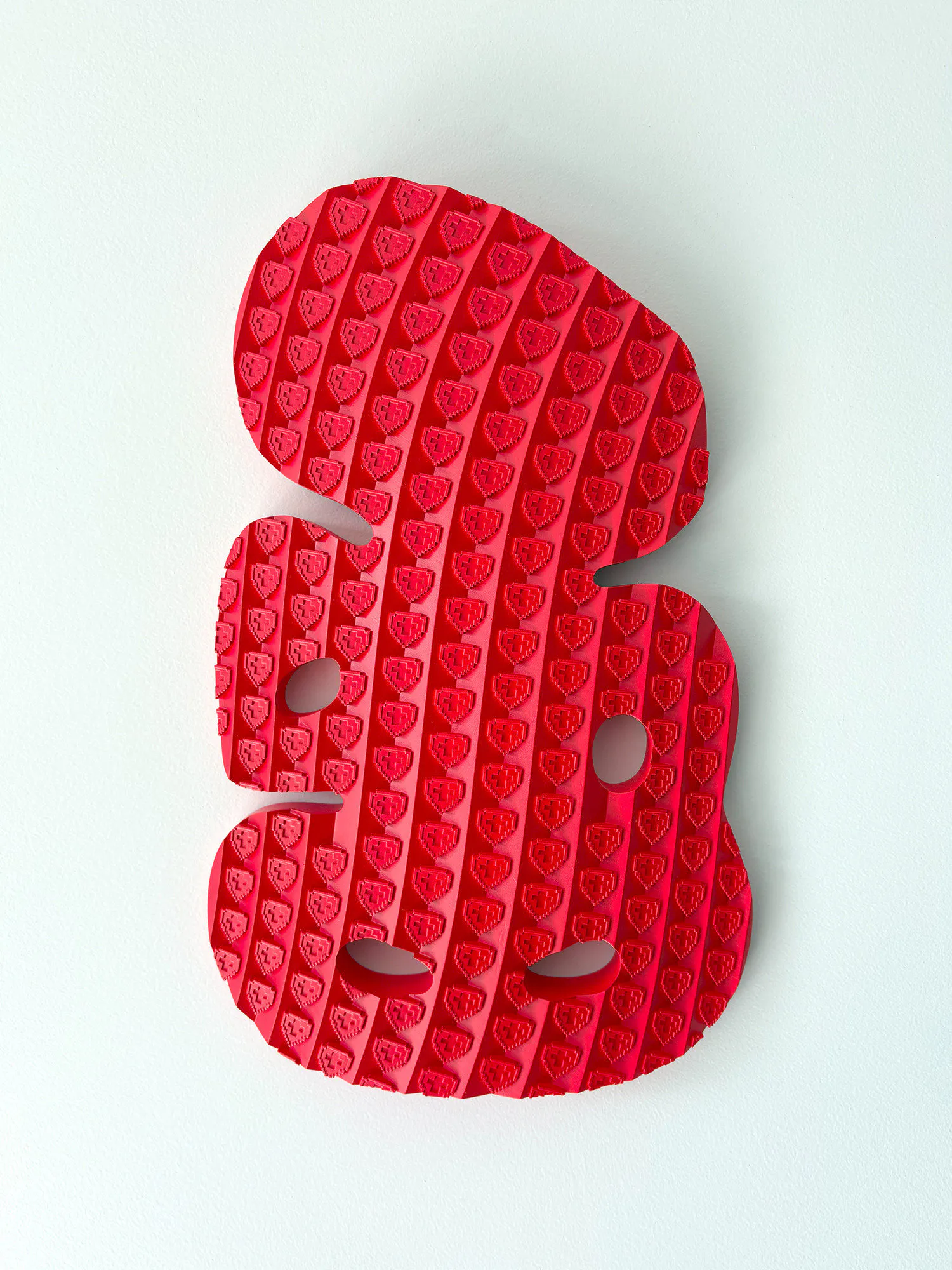
Tiki-Hīra, 2025
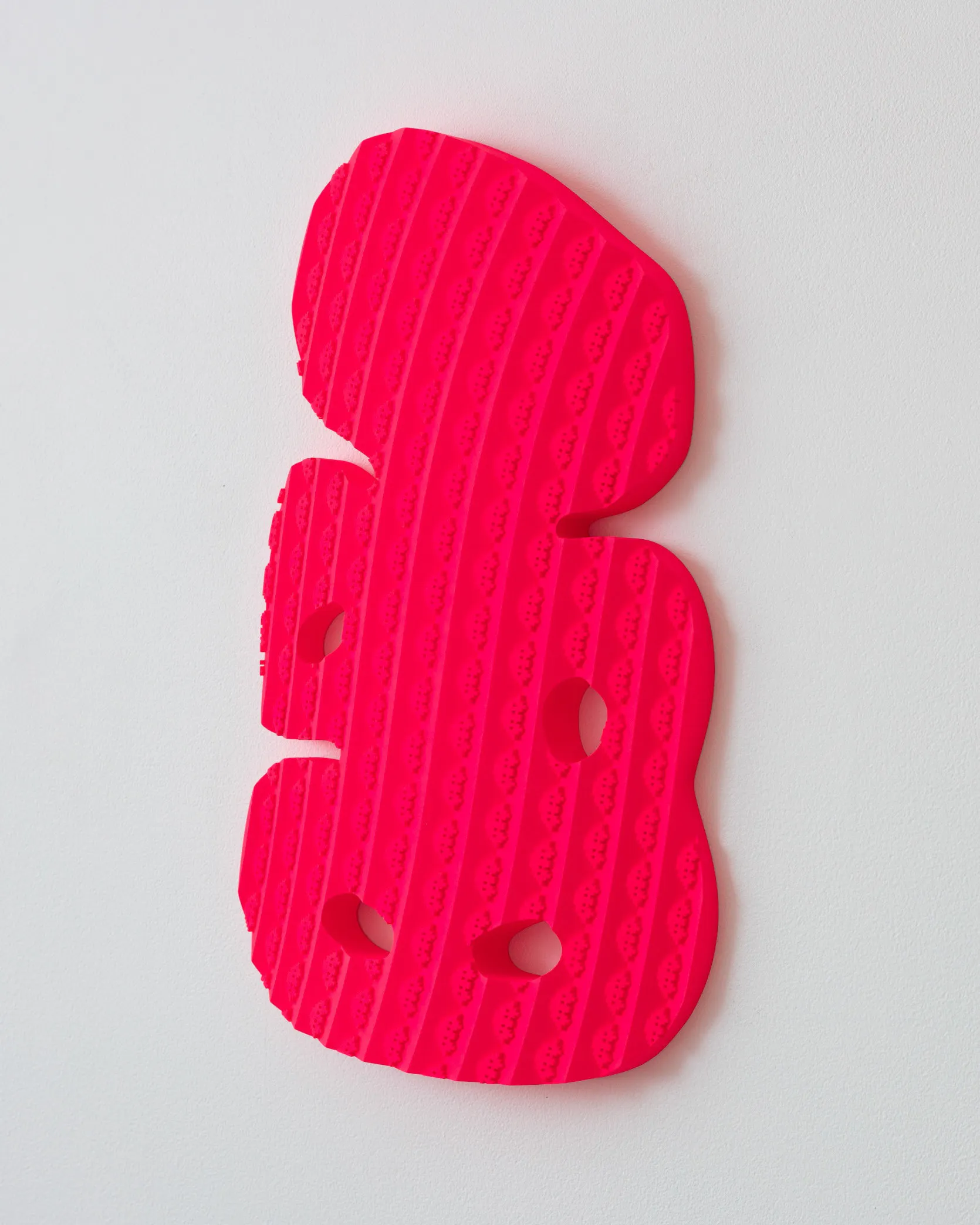
Tiki-Whakaeke, 2025
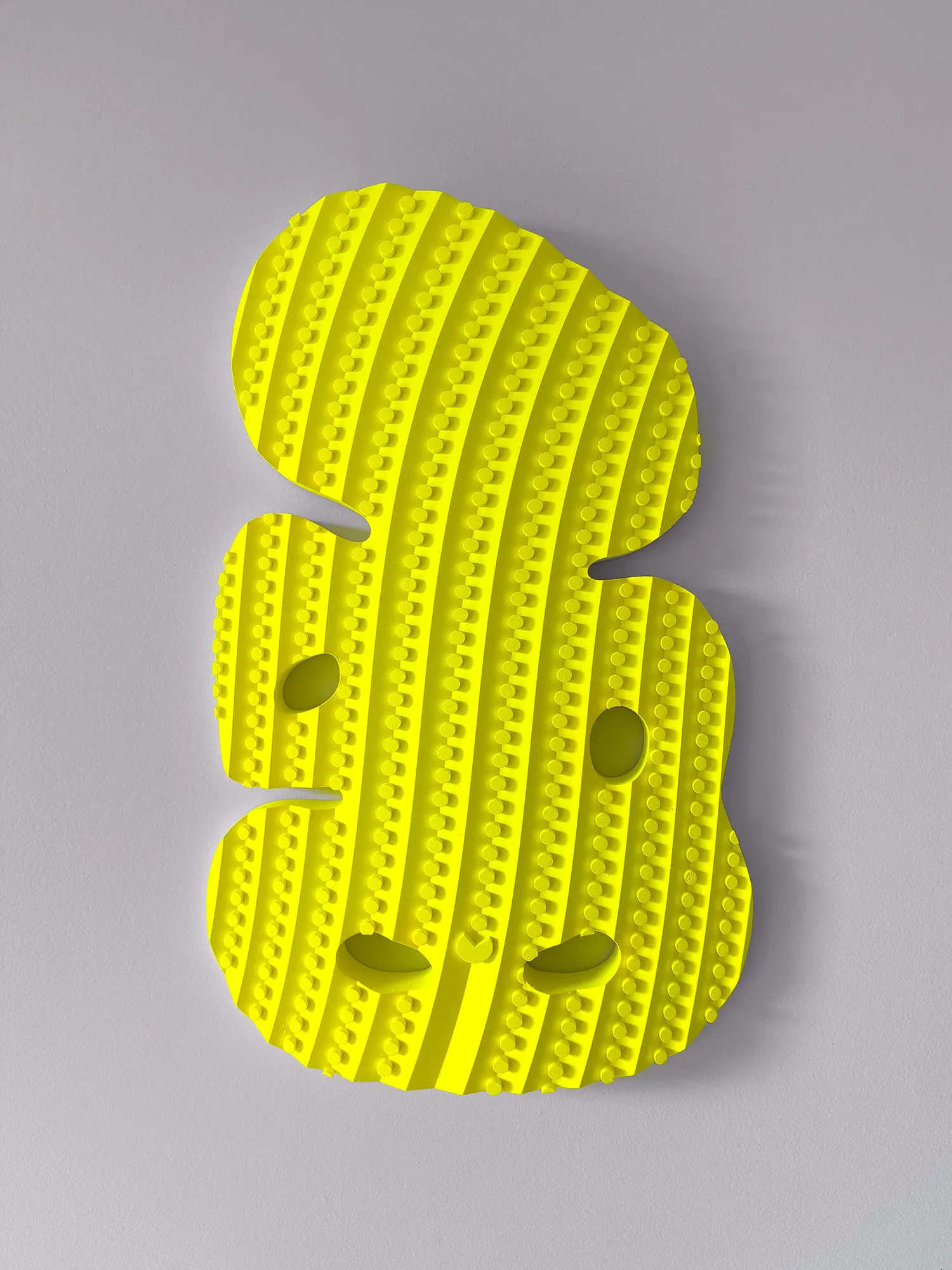
Tiki-Kainui, 2025
For Gen X and Millennials there are certain melodic tunes that immediately take you back to adolescent afternoons furiously pumping twenty-cent pieces into arcade machines. These soundtracks (likely just a few repeating notes) potently conjure adventurous and alternate realities—blasting aliens, dodging ghosts, hurtling through space, defeating the enemy.
For Kereama Taepa, games like Space Invaders were a portal to the stars and traversing the cosmos; a gateway to the possibilities of imagination and realms beyond what was immediately present.
Now, 8-bit icons have become his navigational codes, rhythmically woven into his mahi toi in the same way our ancestors incorporated pākati (patterns) reflecting what was significant to them. He parallels the scientific observations that tīpuna drew on to express their surroundings and the natural world in niho taniwha, unaunahi and kape. For Taepa, the sites to examine were the arcade, the movie theatre and the minds of storytellers who manifested worlds beyond worlds.
This exhibition continues experimentation by Taepa to adorn figures shaped in Te Āti Awa style with pop culture lexicon—controller buttons, Pac-Man, streetwear logos—a weaving of Te ao Matihiko (the digital world) and long formed traditions into something simultaneous familiar and new.
It has always been a daring, as well as imaginative, tradition propelled by both a longing to explore and the confidence that has come from the stories told in this land.[1]
As a self-described haututū, Kereama Taepa remains occupied with teasing out the edges of digital tools and how he can use them to push an expression of his view of Māori forms. His mahi toi holds strong to the ritual of continuous adaptation and innovation, the circular force that has enabled Māori cultural expression to twist and turn as different hurdles and adversaries come into play.
Throughout our histories, stories have been told of adventures, voyages, battles and heroes through evolving forms that have adapted to suit this land and be reflective of the tools and materials on hand. This inherent improvement comes from the urge to experiment, to progress how resources can be utilised to better communicate and to test the boundaries of possibility.
Taepa’s chosen tools are digital—renders are perfected in the virtual realm and then made physical via 3D printing technology. A method that Taepa has described as whakapī, a play on whakairo and the action of building like a bee. The virtual and digital tools used by Taepa enable him to create taonga Māori in a way that would be impossible with traditional methods, yet, important aspects stay tied to whakapapa. Here, the legacy of the carving style of Te Āti Awa is honoured in how the wheku are shaped. Their peaked heads in respect of Taranaki Maunga, as they have always been. For Taepa there is a necessary balance of what is drawn from the past to take into the future.
Interrogating how digital game languages can speak to deeper Māori contemporary realities has been part of Taepa’s practice since 2008. His Space Invasion video game incorporated symbols of the British monarchy coming to take over a pixelated Aotearoa, then in A (very) Brief History of Aotearoa (2016) four icons told of the ways in which colonisation has brutally changed Māori ways of being. “Our hero (a wharenui) bravely fought off invading enemy ships filled with missionaries, the Crown and government, all of whom wanted to stage a takeover.”[2] When viewing Taepa’s works, the familiarity of the visual language of pop culture can initially divert attention from the political significance. The deployment of common iconography enables a gut punch to be delivered unsuspectingly – the simple pixelated silhouettes are a vocabulary that offers a playful yet complex critique of our current context.
Taepa recognizes that digital tools like AI coming into the fore should be considered in the same way that other tools that have come to these shores have been, or should have been. With research, testing, wānanga and a firm grasp on how we can harness them to amplify and honour the vital aspects of culture that need to stay steady. We can see Taepa will continue to ride the wave of ancestral innovation while keeping threads present in his mahi toi that are essential for artforms to stay tika (right, true). Our unknowable futures with new tools and the pace at which new ways of communication and interpretation in the digital space are permeating life and practice is daunting and complex, but, on these murky battlefields we can find solace in the fact that we have always adapted, and we will undoubtably continue to level up.
[1] Moana Jackson, The Art of Having Faith in Ourselves, Toi Tū Toi Ora, 2022
[2] Kereama Taepa, A (very) brief history of Aotearoa, 2016, SCAPE Public Art, https://www.scapepublicart.org.nz/artwork/a-very-brief-history-of-aotearoa/