Pūtahitanga
Heidi Brickell, Zena Elliott, AJ Manaaki Hope, Maioha Kara, & Nadia Marychurch
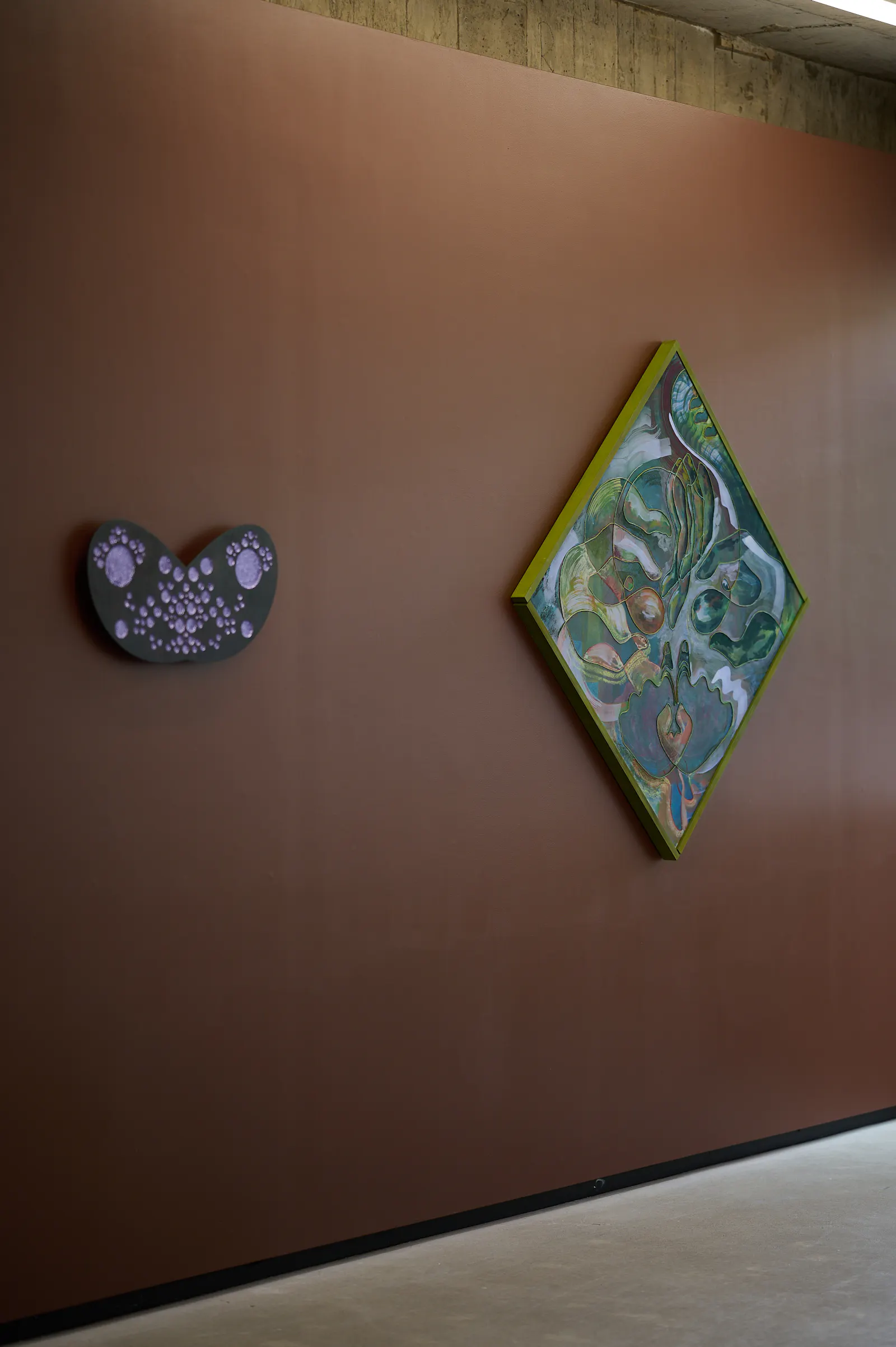
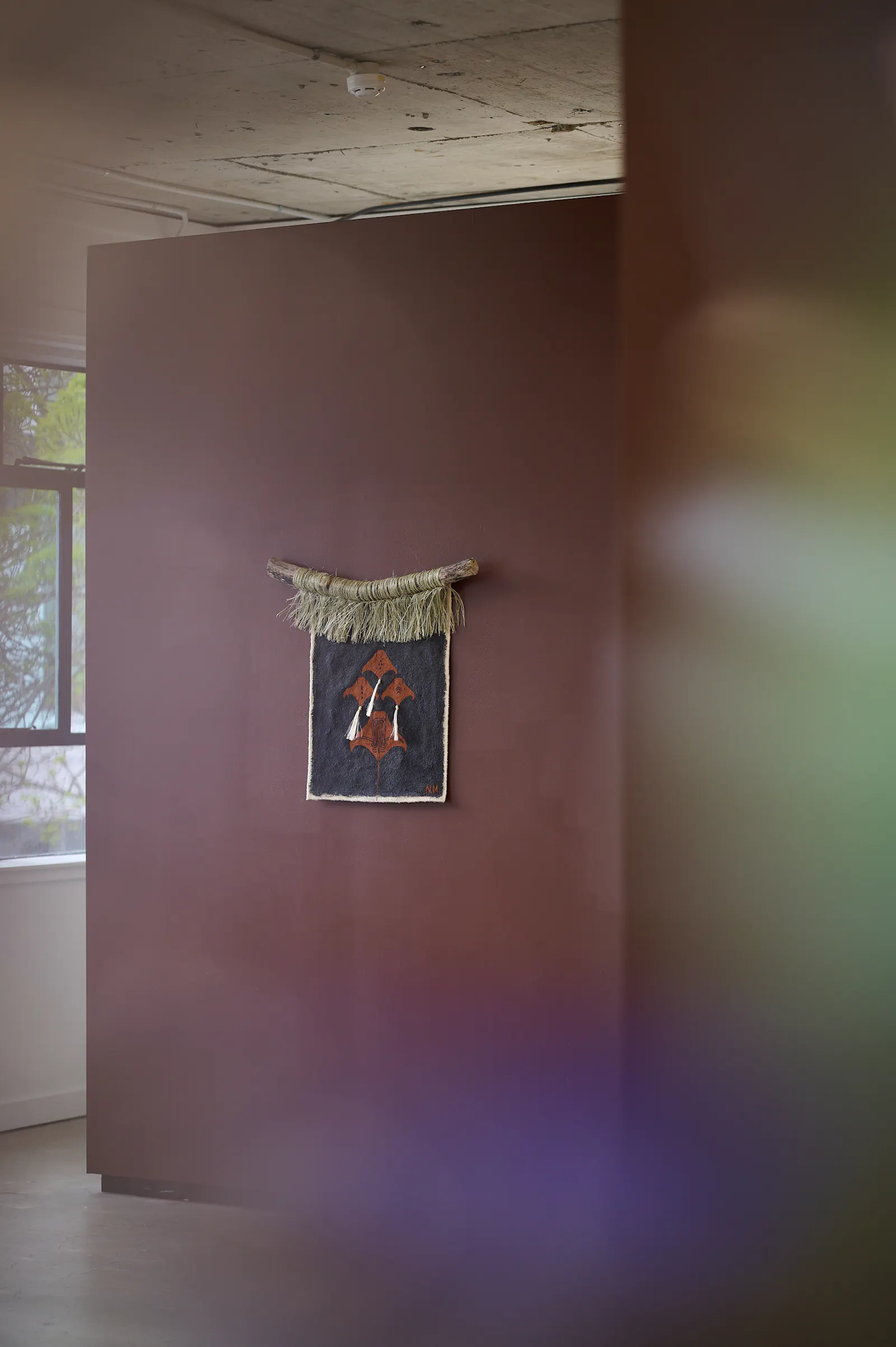
8 — 24 October
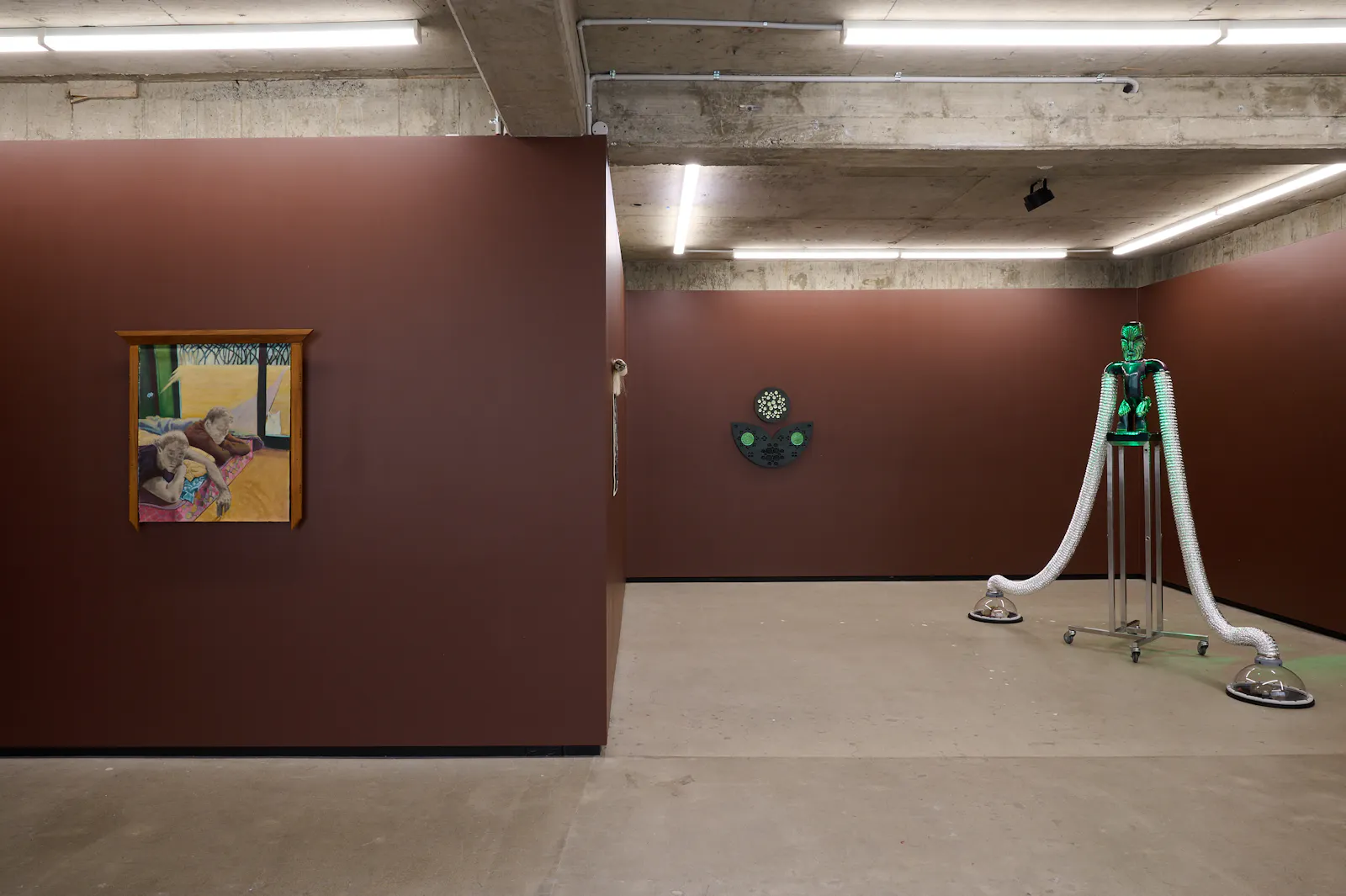
Pūtahitanga brings together new and recent work by contemporary ringatoi Heidi Brickell, Zena Elliott, AJ Manaaki Hope, Maioha Kara and Nadia Marychurch. Across painting, wall-based works and whakairo, the exhibition considers whakapapa as an expansive relational system, connecting people not only to their tūpuna, but to whenua, materials and the rhythms and cycles of te taiao, the natural world.
The title Pūtahitanga speaks to a meeting or confluence, a convergence of distinct practices that find resonance in one another. A shared kaupapa emerges through the exhibition, as ideas move between the personal and ancestral, the material and cosmological, and across different understandings of wā—time and space—where past, present and future coexist.
Throughout the exhibition, glitter, uku, onepū, harakeke, timber, woollen blankets and painted and carved surfaces are worked through gathering, binding, stitching, carving and painting. Guided by tikanga and tohu, the works draw on pūrākau and experiences of kāinga, while opening onto questions of identity, belonging and how knowledge is carried and transformed across generations.
Hikuawa rau, mā wai tōna kato e ātete.
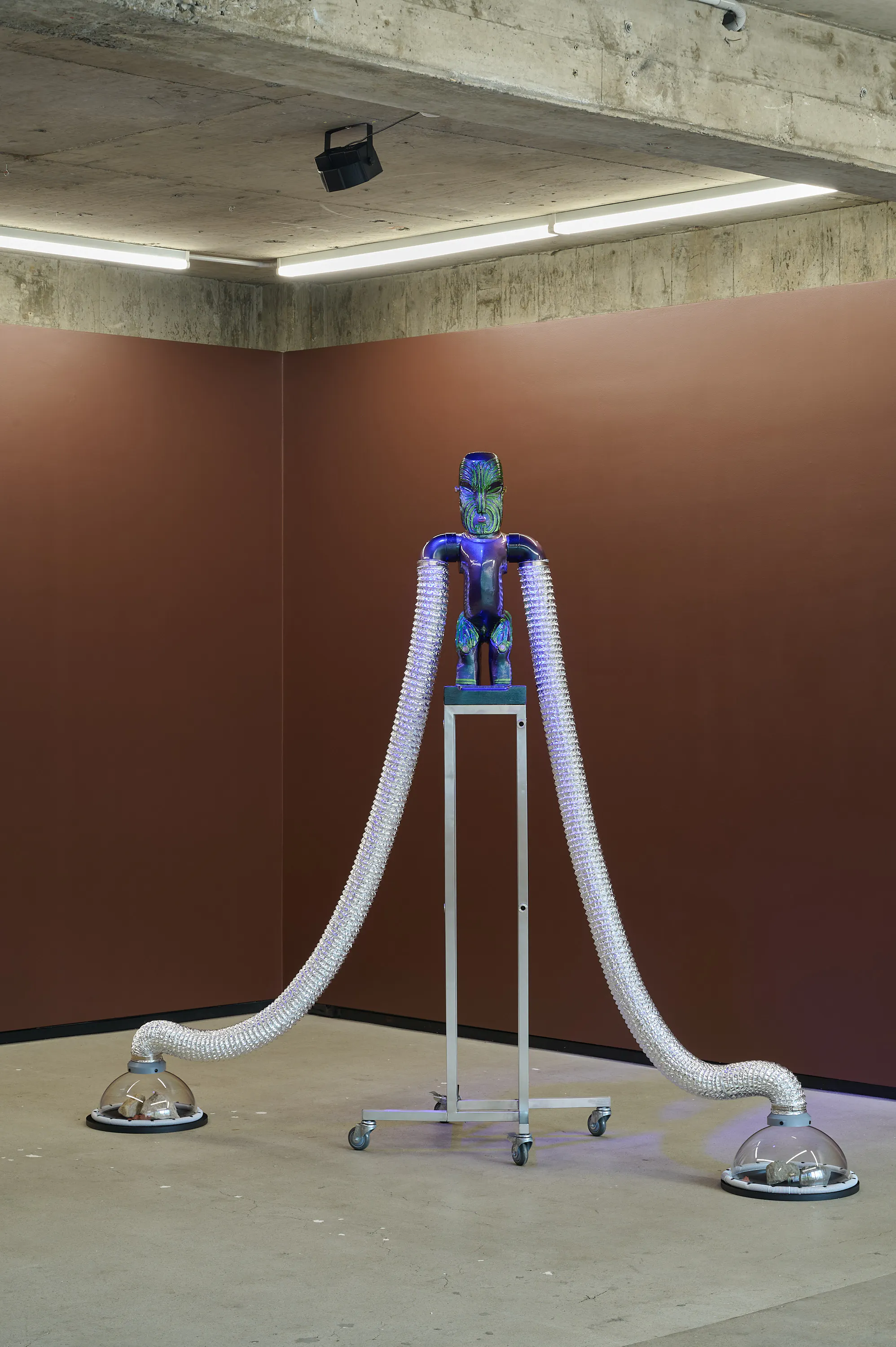
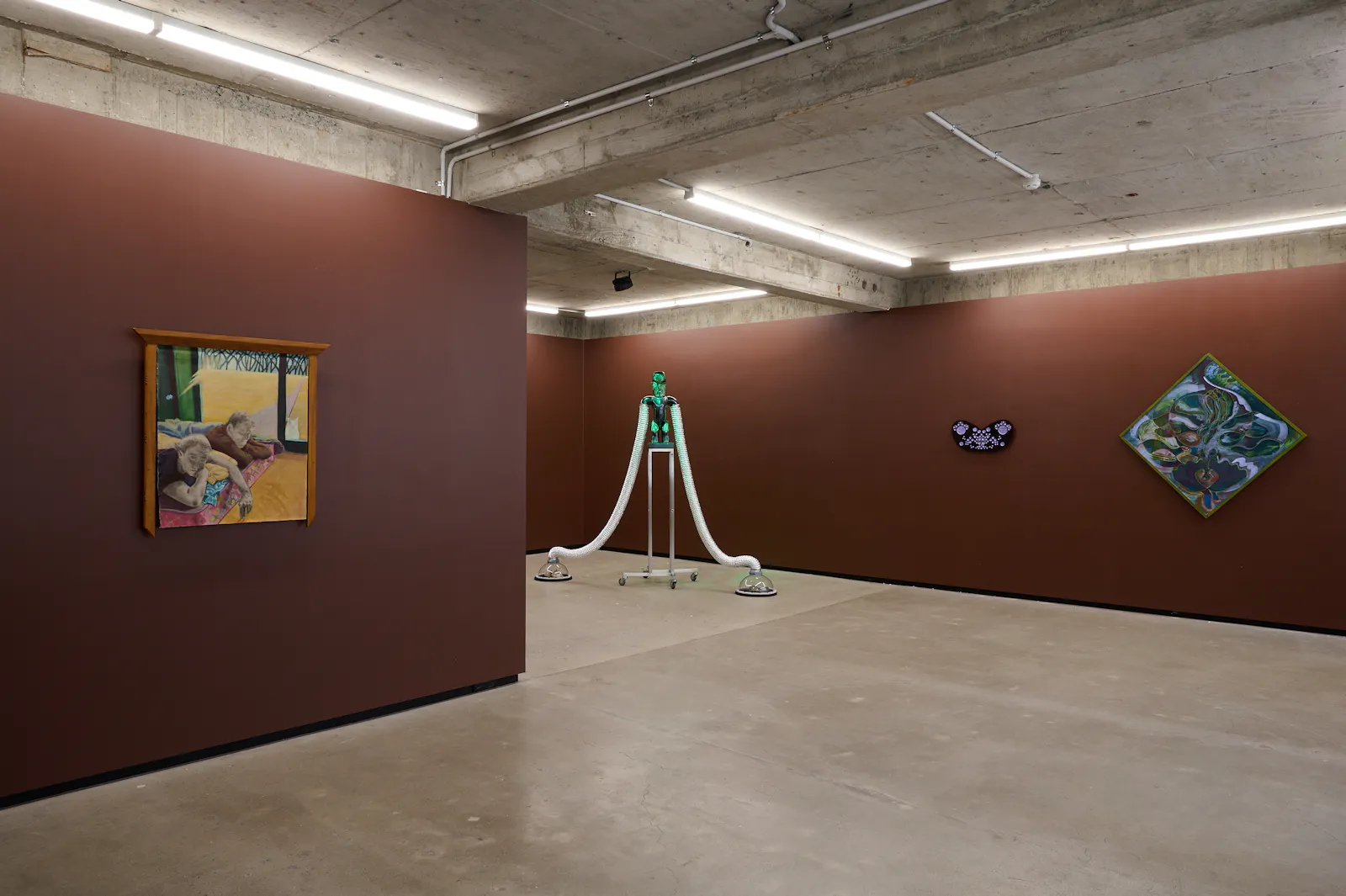
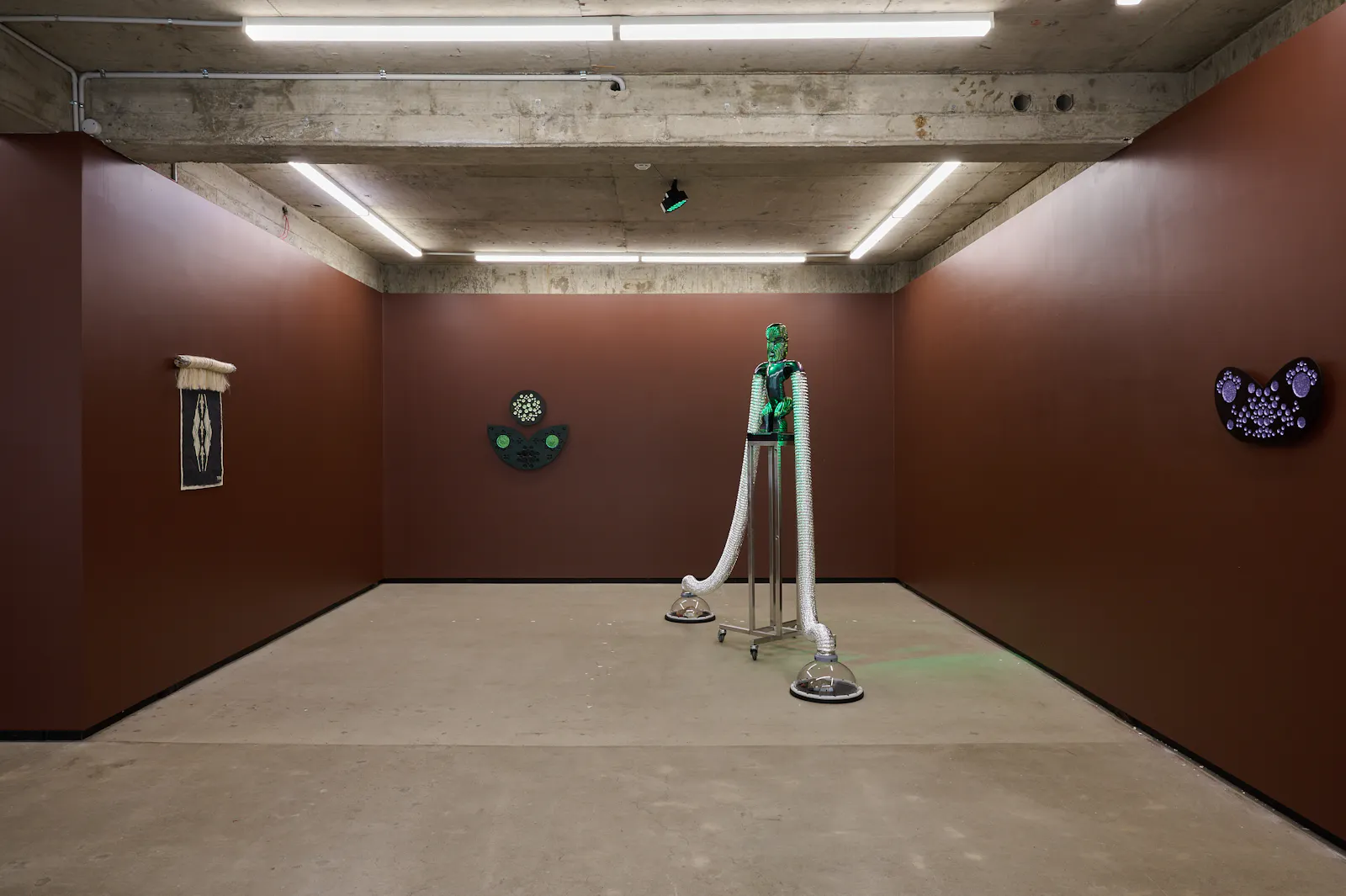
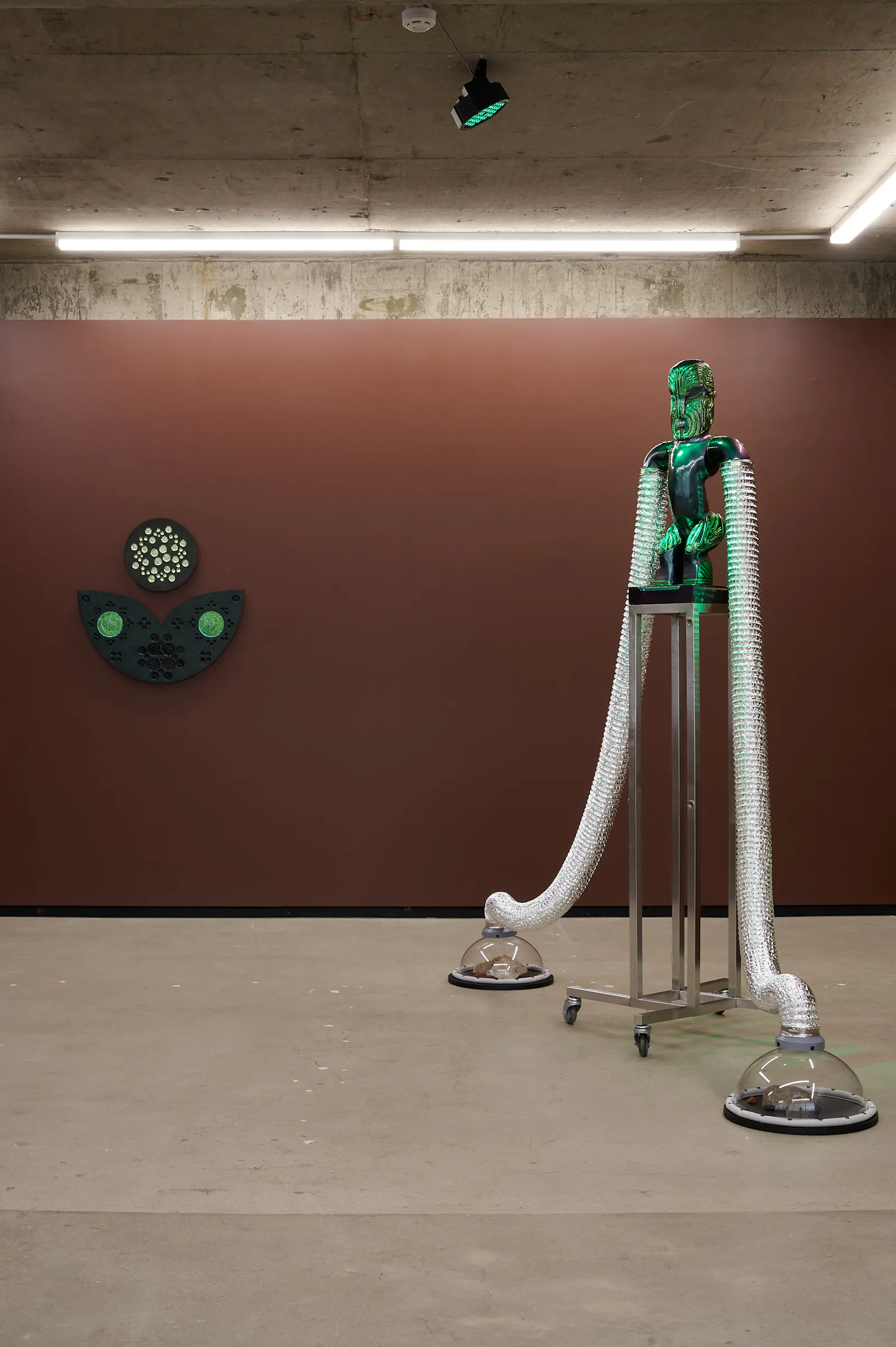
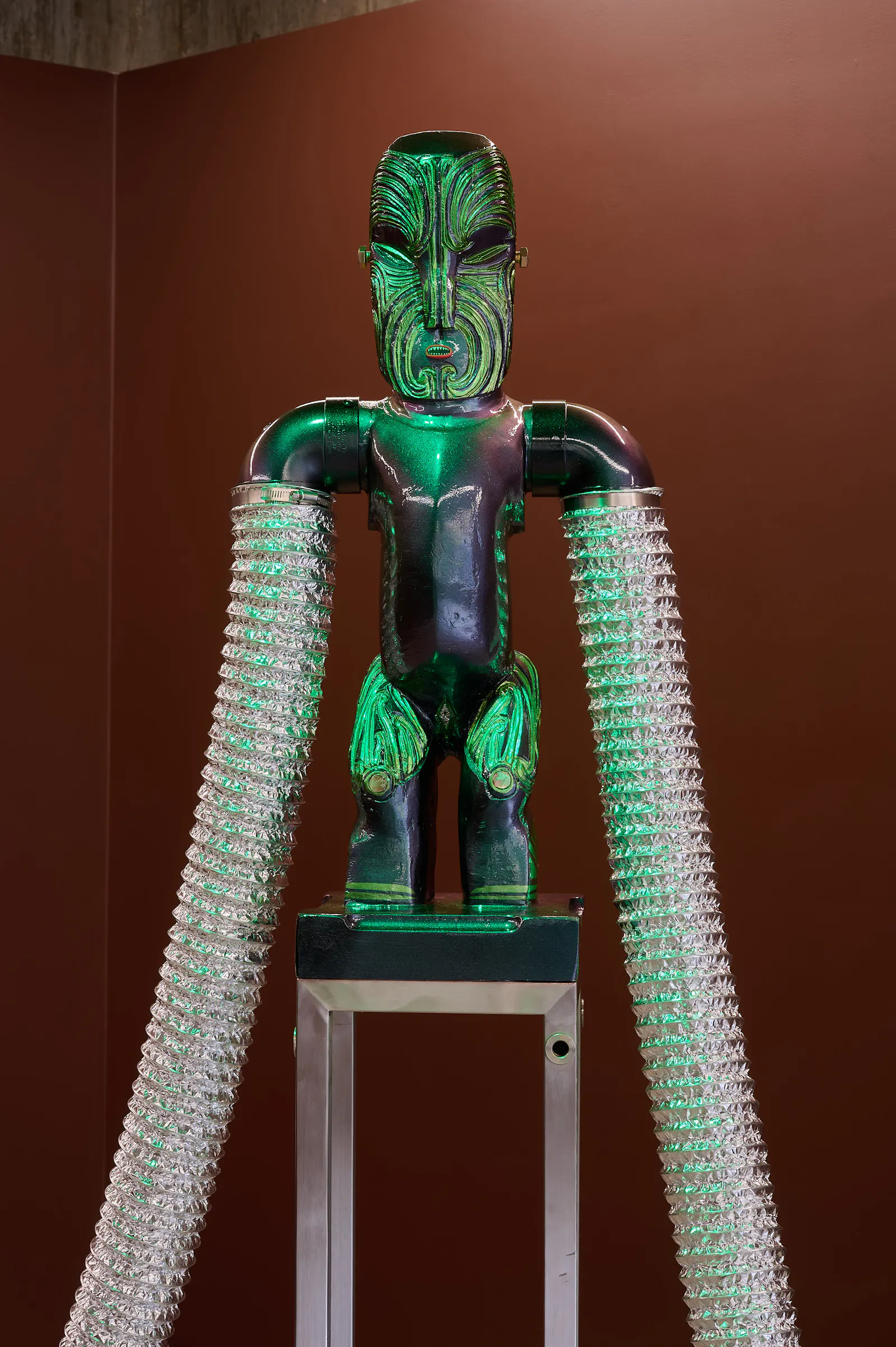
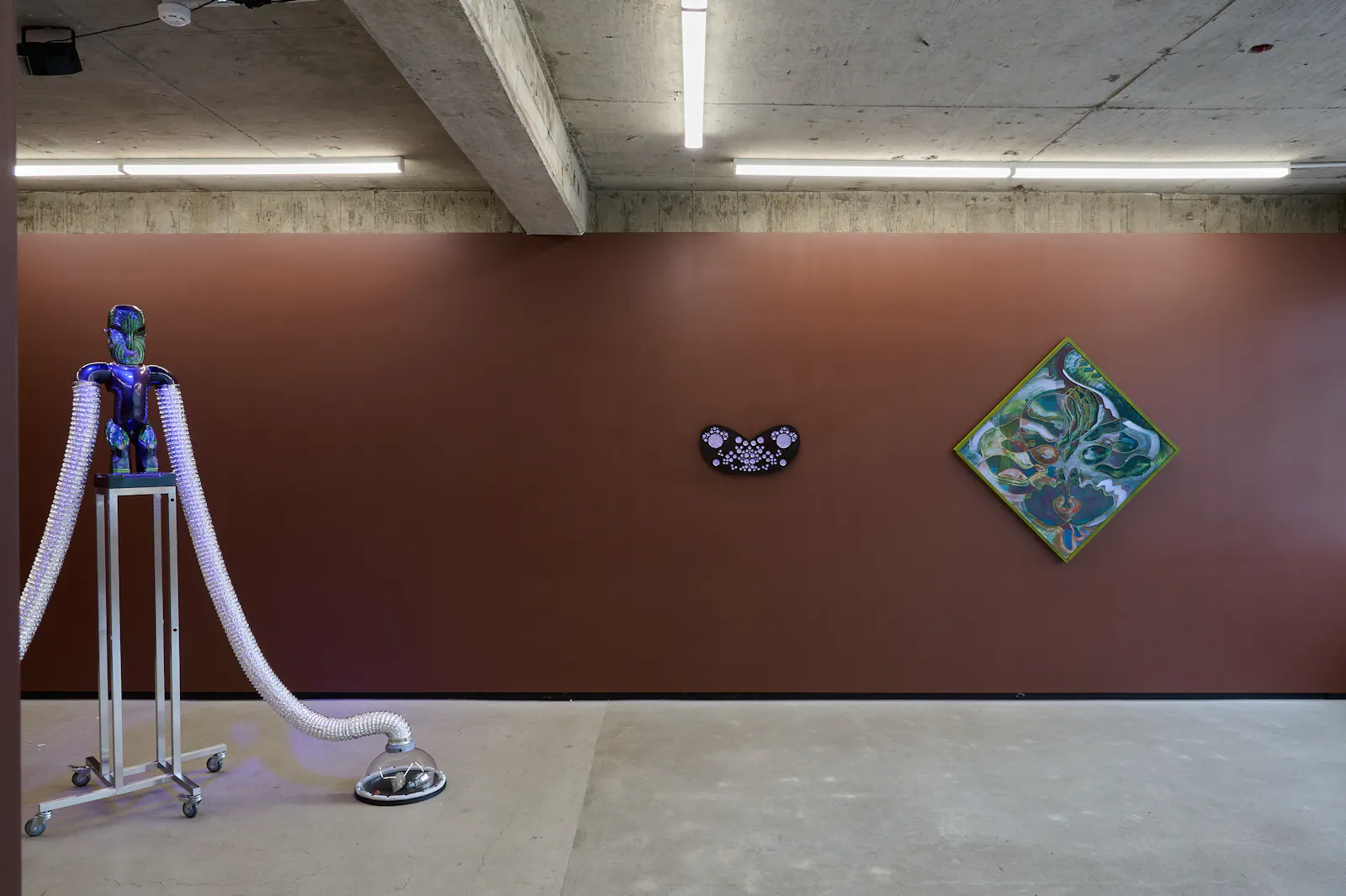
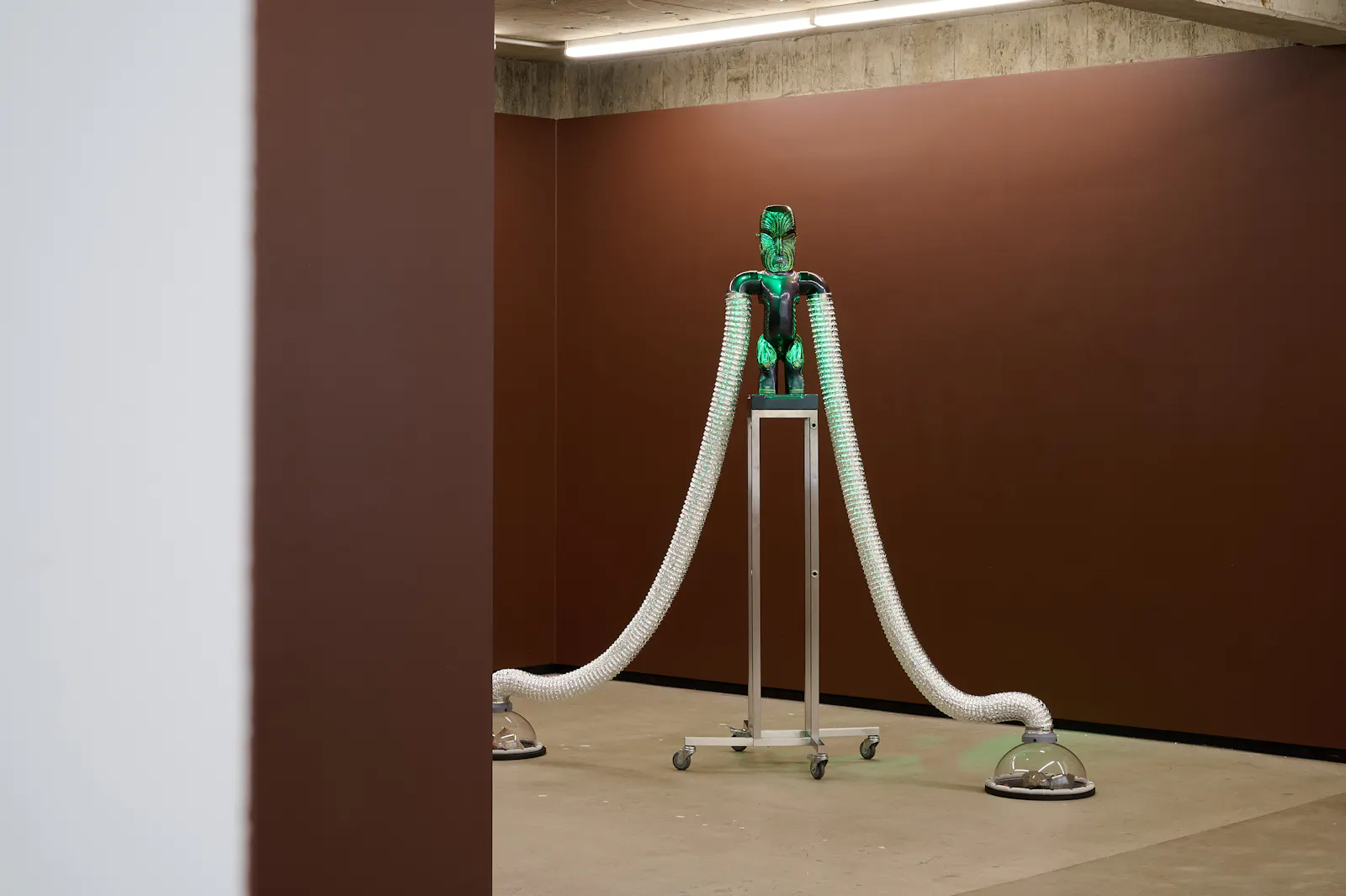
Hinetāwhiritore, Zena Elliott, 2026
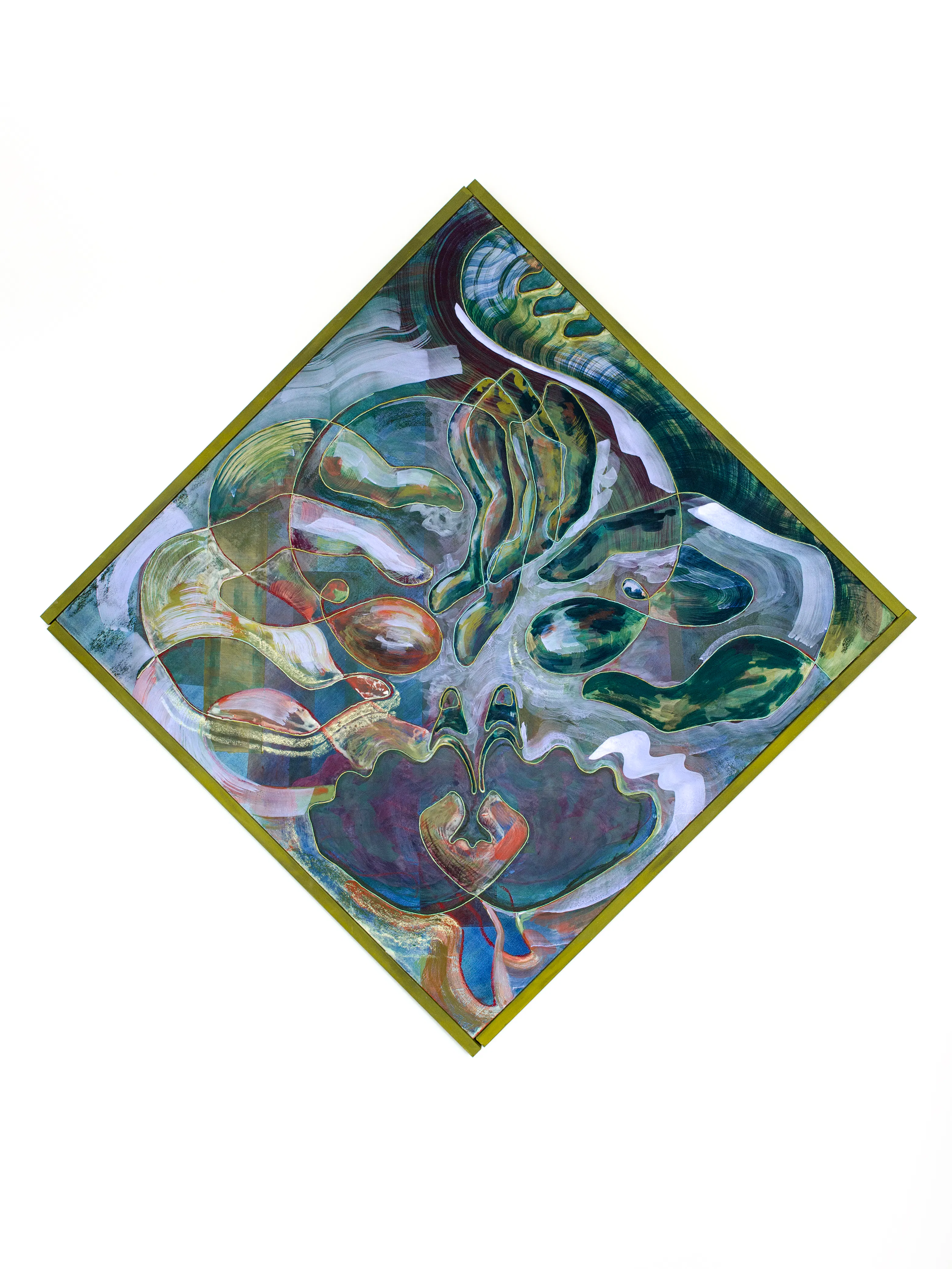
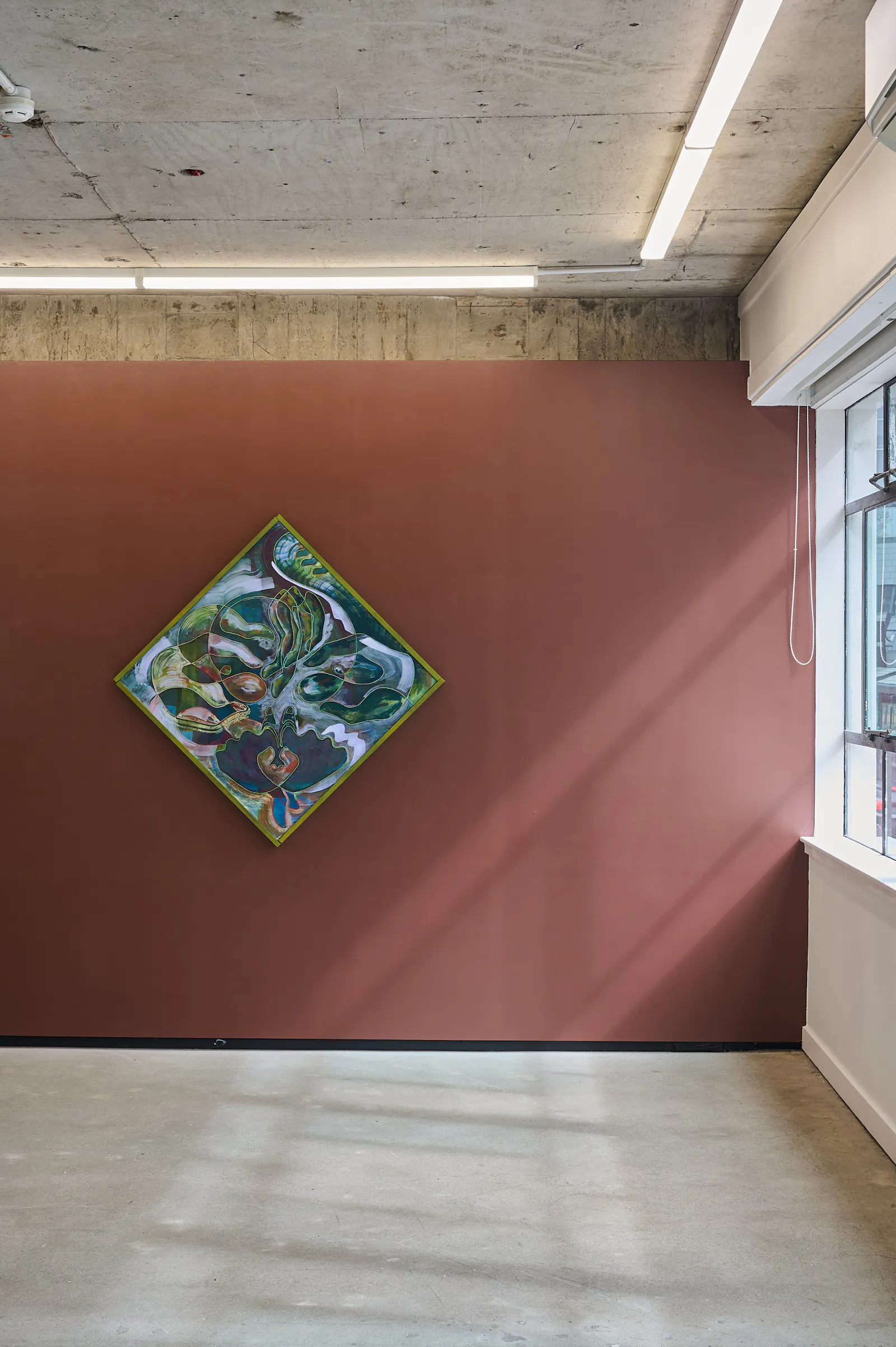
A Slippery Aka, Heidi Brickell, 2023
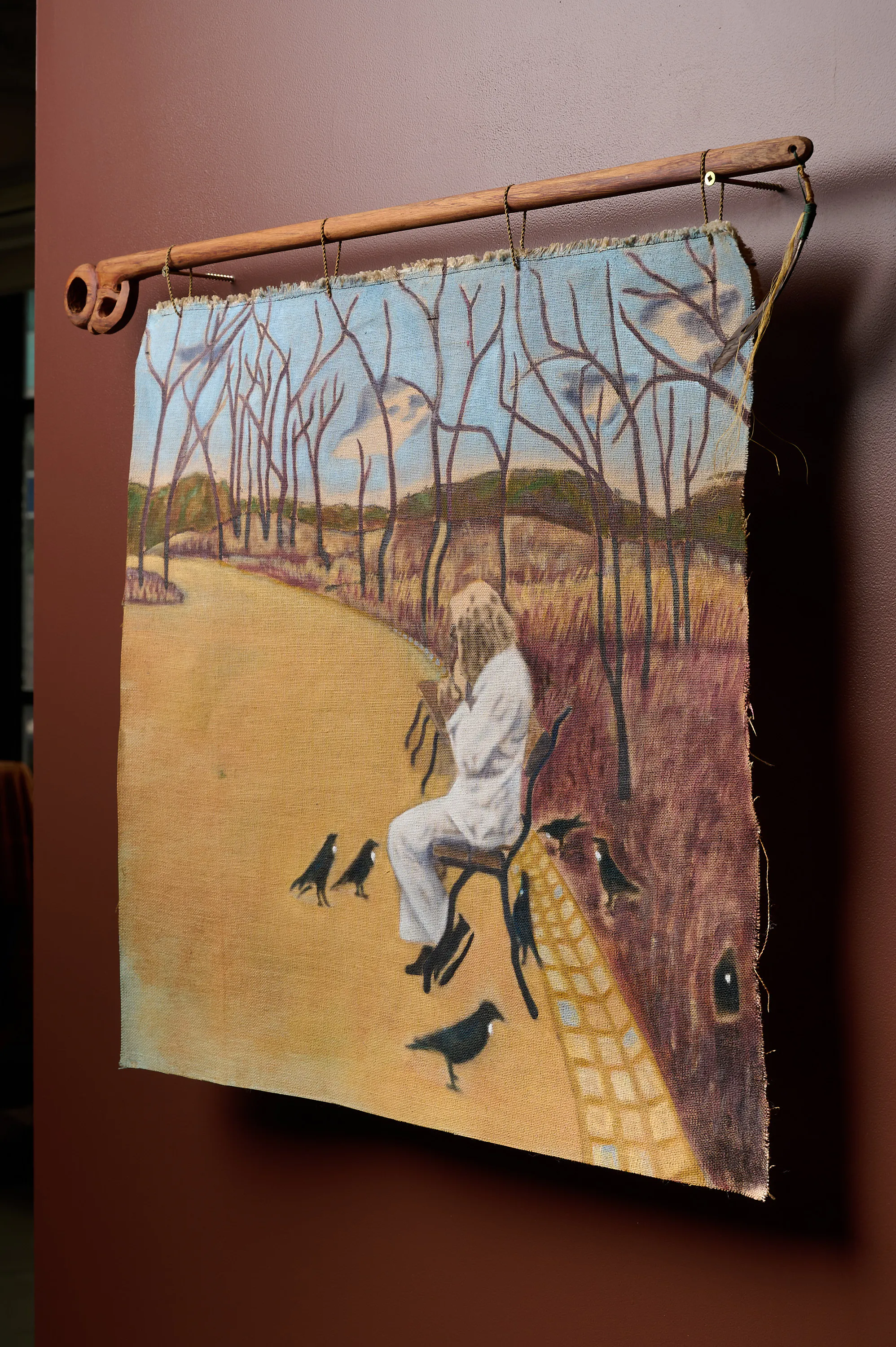
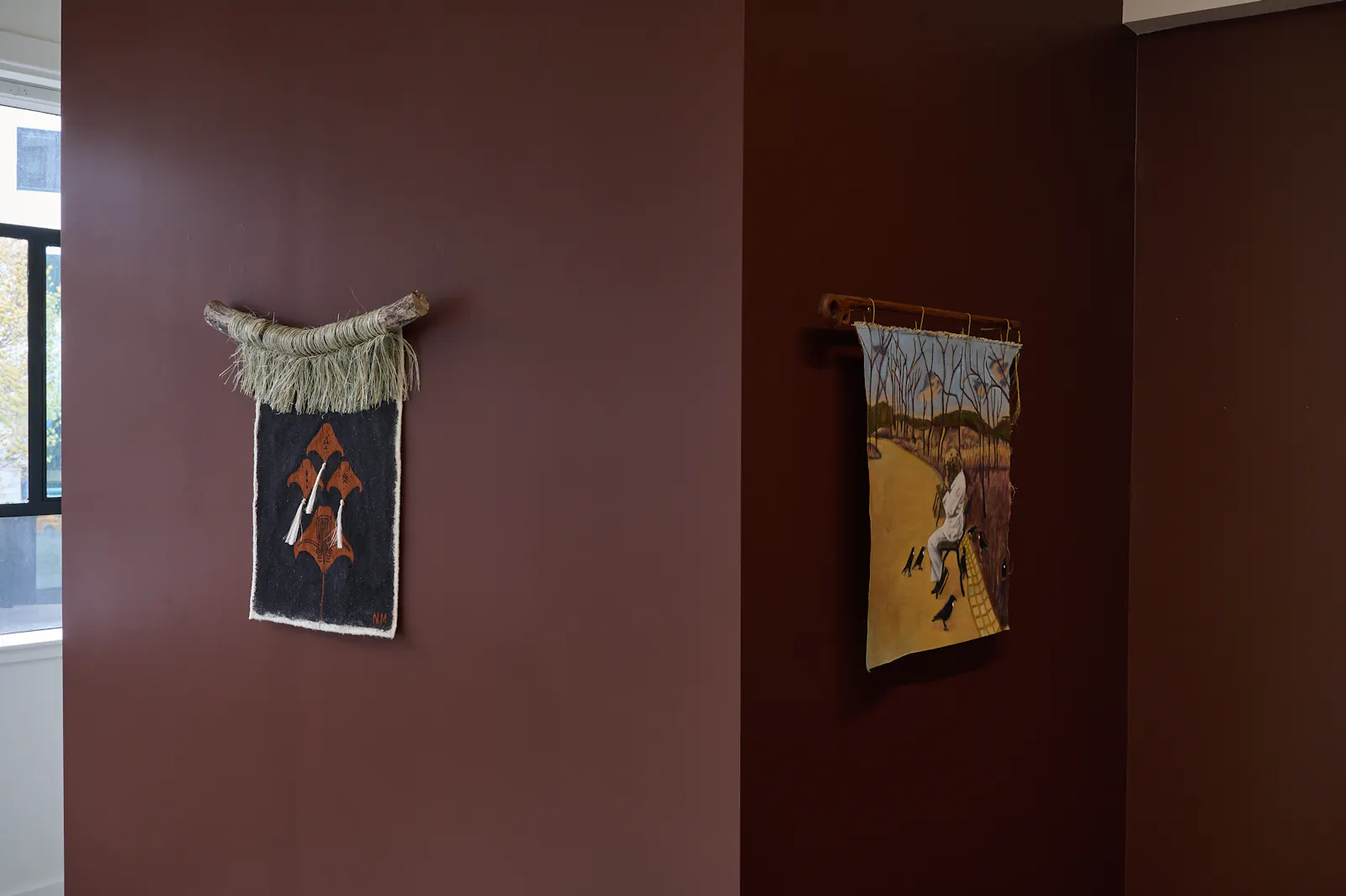
Ui ngā tūī, AJ Manaaki Hope, 2026

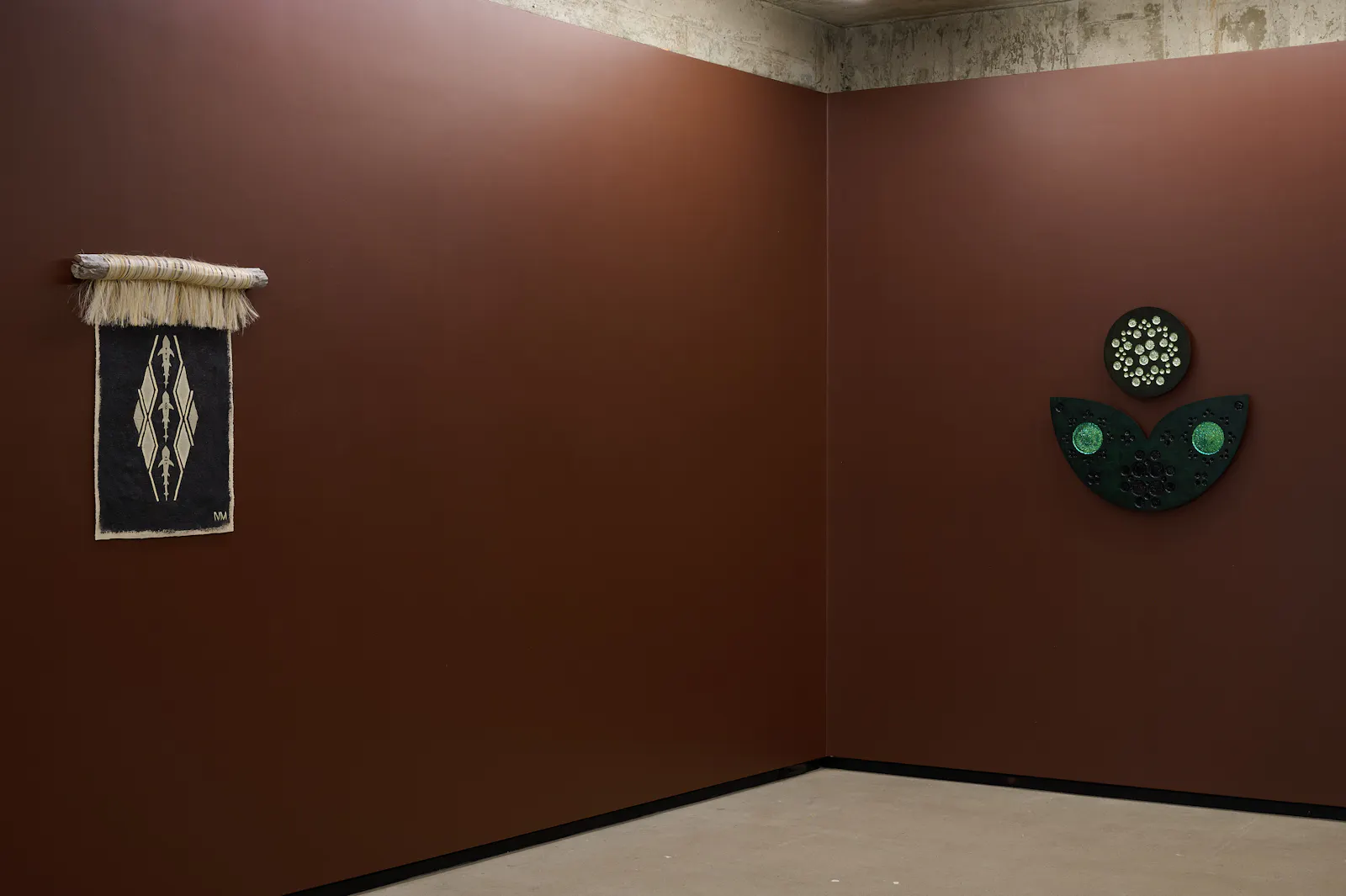
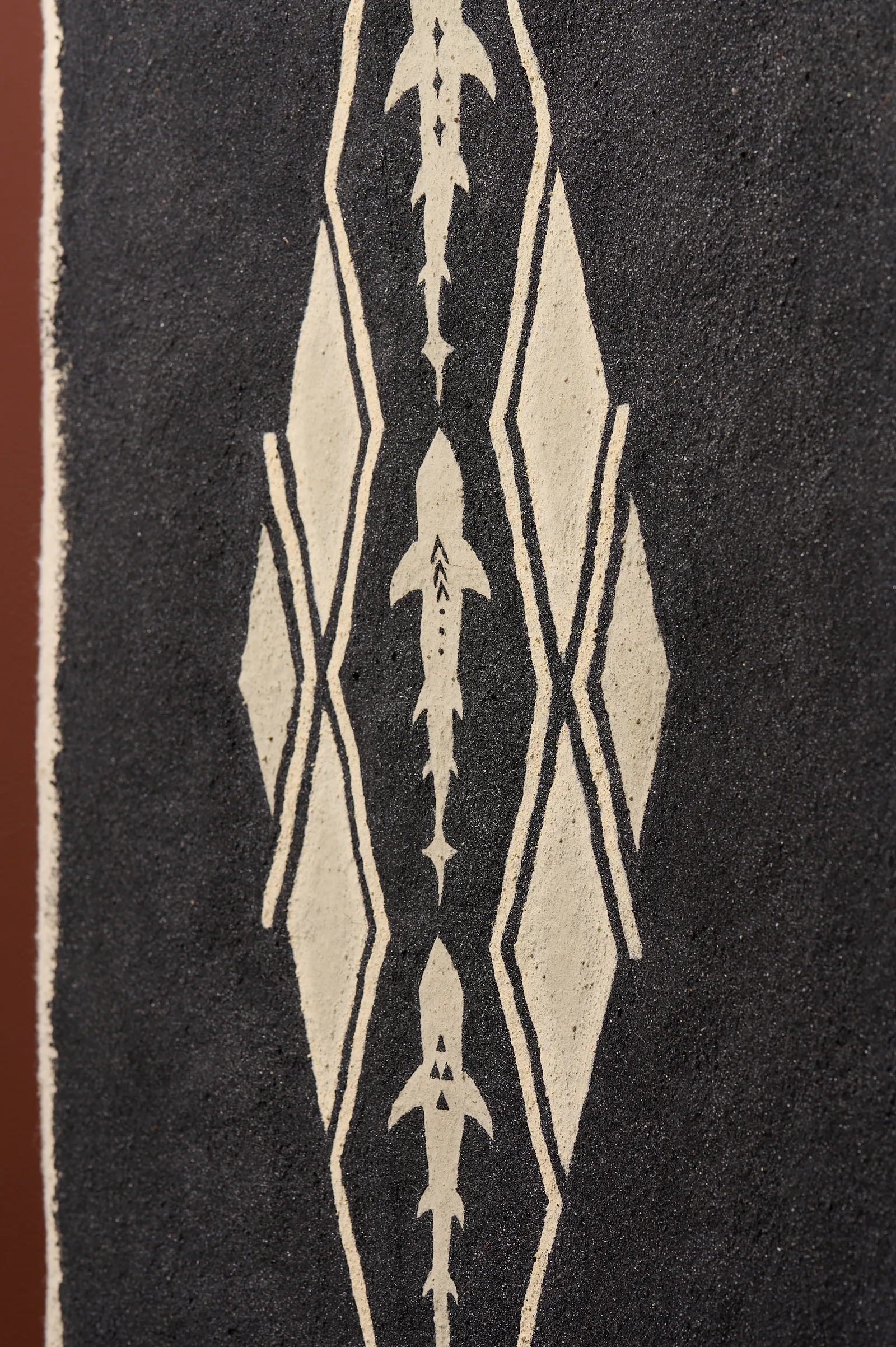
Kei Muri te Whaitiaki, Nadia Marychurch, 2026
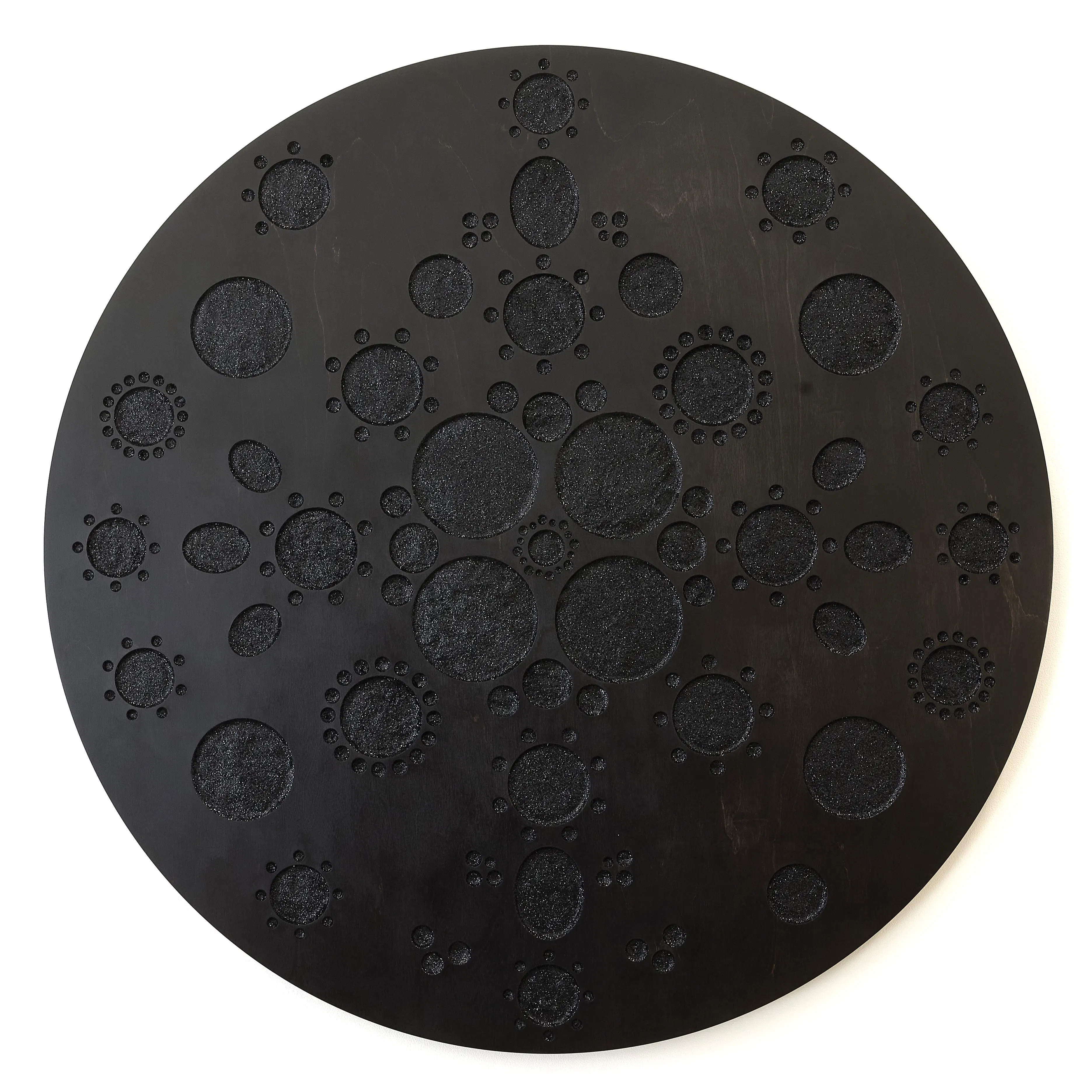
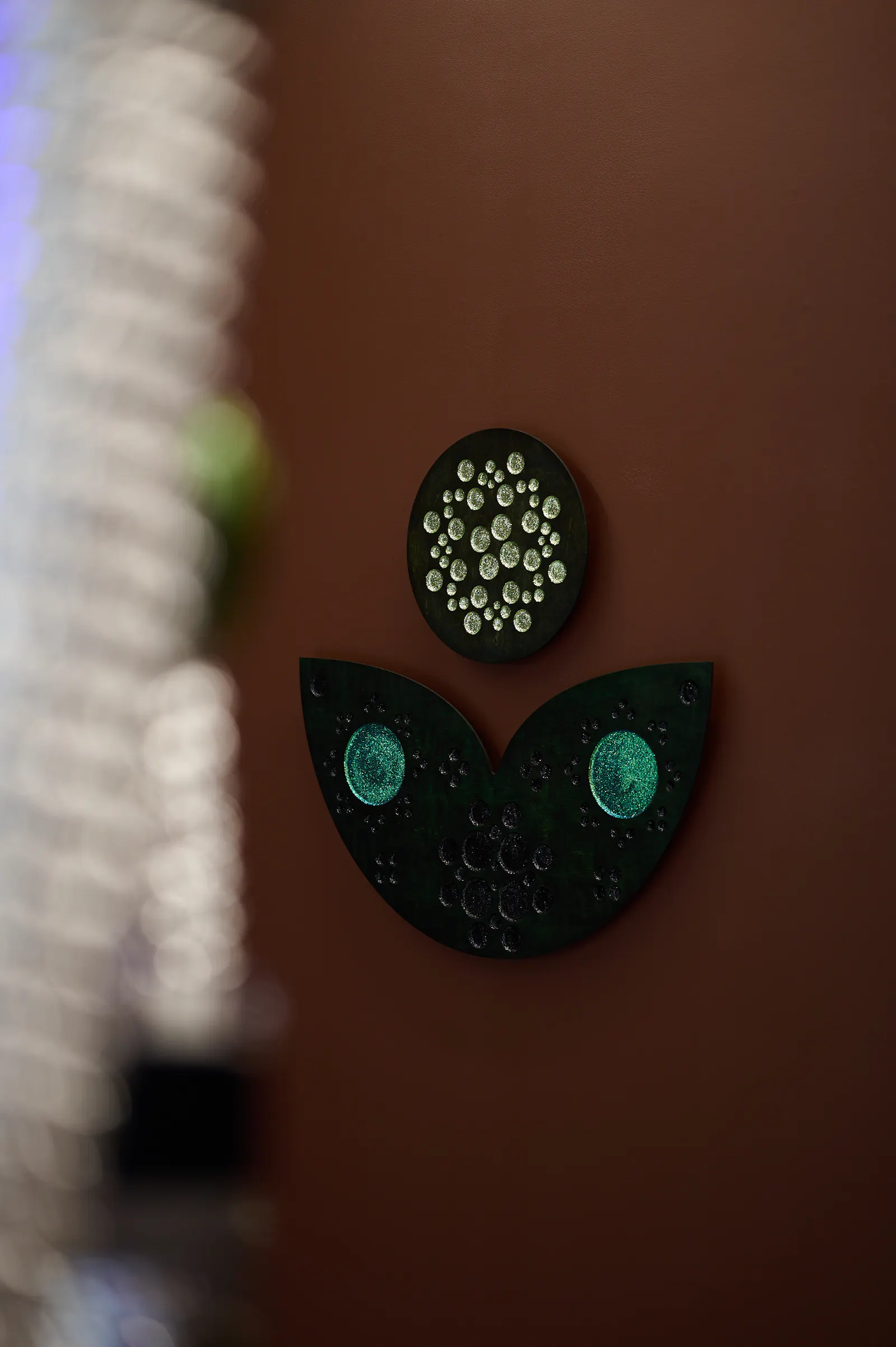
Māhina, Maioha Kara, 2025
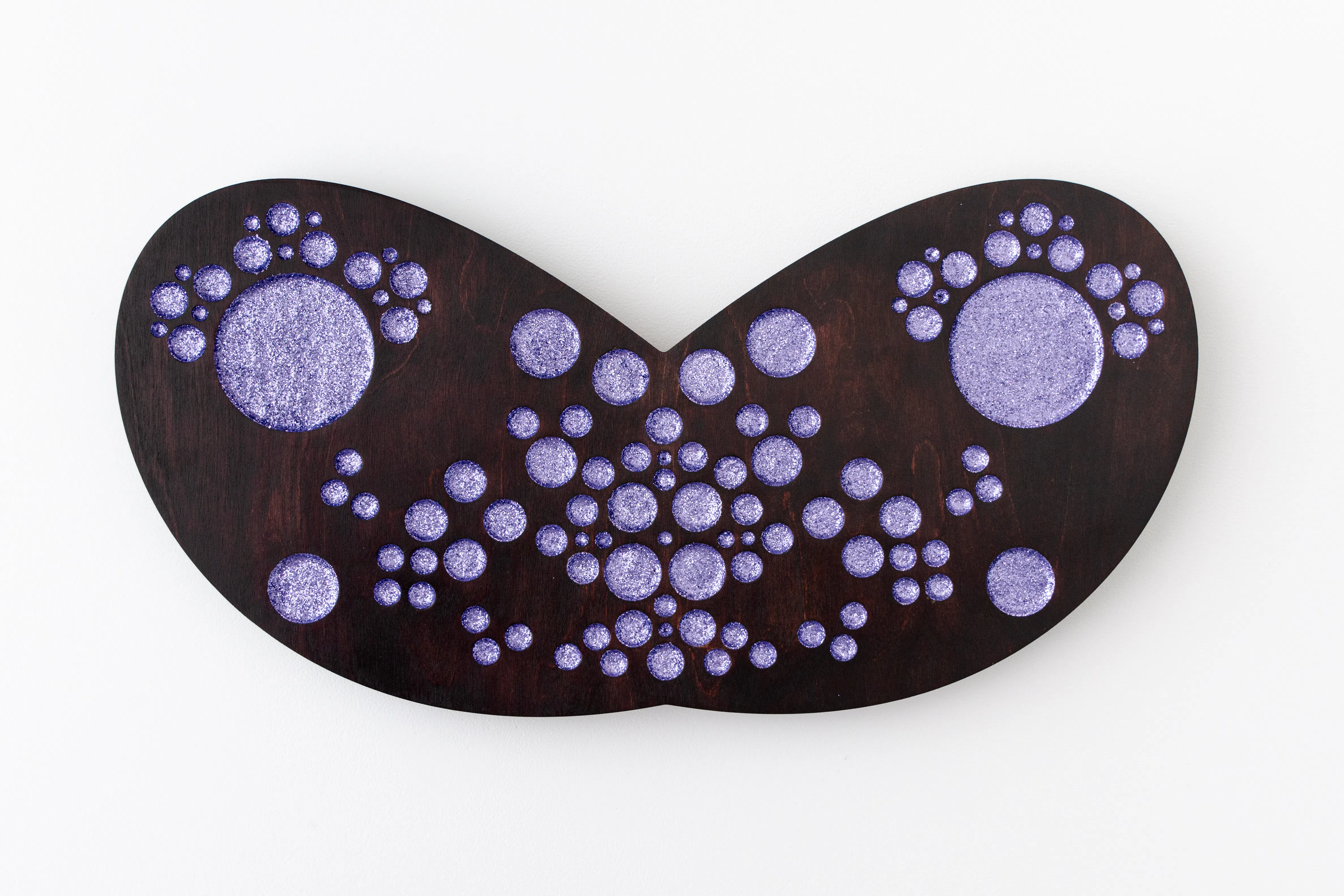
Hokoi, Maioha Kara, 2024

Te Ara o Aumoana, Nadia Marychurch , 2026
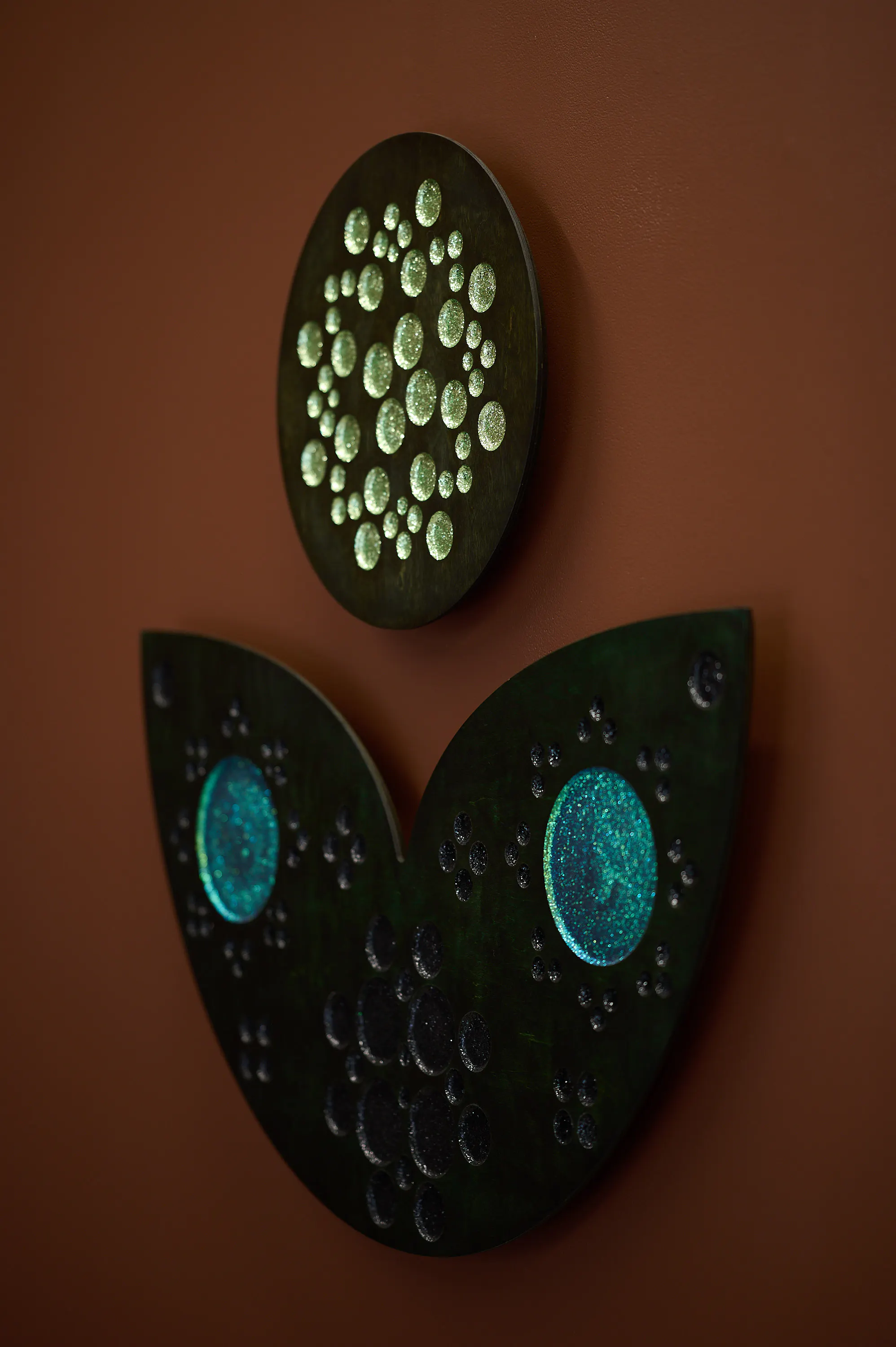
Wākainga, Maioha Kara, 2024

Te Pō-tahuri-atu, AJ Manaaki Hope, 2026
Pūtahitanga brings together new and recent work by contemporary ringatoi Heidi Brickell, Zena Elliott, AJ Manaaki Hope, Maioha Kara and Nadia Marychurch. Across painting, wall-based works and whakairo, the exhibition considers the relationships whakapapa establishes between people, their tūpuna, whenua, materials and the rhythms and cycles of te taiao, the natural world.
The title Pūtahitanga speaks to a meeting or confluence, a convergence of distinct practices that find resonance in one another. A shared kaupapa emerges through the exhibition, as ideas move between the personal and ancestral, the material and cosmological, and across different understandings of wā—time and space—where past, present and future coexist.
Throughout the exhibition, glitter, uku, onepū, harakeke, timber, woollen blankets and painted and carved surfaces come together through processes of gathering, binding, stitching, carving and painting. Guided by tikanga and tohu, the works draw on pūrākau and experiences of kāinga, while considering identity, belonging and the ways knowledge is carried and transformed across generations.
Hikuawa rau, mā wai tōna kato e ātete.
Heidi Brickell
Heidi Brickell (Te Hika o Pāpāuma, Ngāi Tara, Rangitāne, Ngāti Kahungunu, Rongomaiwahine, Ngāti Apakura) works across painting, sculpture and installation. Her practice is grounded in te ao Māori and shaped by sustained engagement with te reo Māori, mātauranga and education.
Brickell draws on pūrākau, whakairo, whakapapa and intuitive drawing to explore perception, relationships and change. Her forms often overlap, divide and merge, allowing one thing to become several at once. She describes this ambiguity as an āhuatanga that creates space for movement and possibility, connecting it to the generative potential of Te Pō.
For Pūtahitanga, Brickell presents A Slippery Aka. The title refers to an aka, or vine, and to pūrākau in which Tāwhaki or Tāne ascend a vine in pursuit of knowledge. Brickell connects this idea to her own making, describing art as an intuitive and exploratory way of considering whakapapa, values and our relationship to time. The “slippery” quality reflects her interest in knowledge as something unstable and shifting, always shaped by perspective.
Built through layers of distemper, egg tempera and pigment stick, with hand-dyed cotton twine extending the drawn line into relief, the painting remains visually unsettled. Forms slide into one another, while the raised string catches light and casts shifting shadows across the surface. Its pātiki-like orientation further destabilises the image, allowing it to remain part body, part landscape, part vine.
Heidi Brickell is based in Ōtaki and has an MFA from Elam. Her work has been exhibited at Auckland Art Gallery Toi o Tāmaki, Christchurch Art Gallery Te Puna o Waiwhetū, Te Whare Toi o Heretaunga Hastings Art Gallery and recently in the recent solo exhibition Māturuturu Trick at Tauranga Art Gallery. Her work is held in several public collections including Auckland Art Gallery, Christchurch Art Gallery and The Dowse Art Museum. Alongside her studio work, Brickell has worked in Māori-medium education and language revitalisation, as a mātauranga Māori learning specialist at Tāmaki Paenga Hira Auckland War Memorial Museum, and as a kaiako at Pātaka Art + Museum.
Zena Elliott
Zena Elliott is a transdisciplinary artist and researcher whose practice brings together whakairo, Indigenous futurism and speculative world-building. Educated in customary whakairo and contemporary art, Elliott challenges fixed ideas around carving, gender and materiality, approaching whakairo as a relational practice that can move across ancestral knowledge, contemporary experience and imagined futures. Their work draws on Māori identity and pūrākau alongside horror, science fiction, heavy metal and grunge, creating forms that move between the recognisable and the uncanny.
Elliott’s monumental Hinetāwhiritore is an Indigenous sci-fi pou whakairo that examines the politics of breath and the ways authority can minimise or silence those who raise concerns. Responding to the phrase “I don’t want to give this situation too much oxygen,” the work reframes breath as attention, care and the right to exist. Hinetāwhiritore returns oxygen to its own whenua in a gesture of mana motuhake.
The work forms part of Elliott’s wider project Multimodal Techno-ecologies: Māori World Building through Blending Modes of Creative Expression, supported by the Creative New Zealand Creative Fellowship Fund. Their doctoral research, Indigi [IA] techno-ecologies, challenges gendered assumptions within whakairo and extends carving into sonic, speculative and non-human registers. Elliott won the 2025 National Contemporary Art Award, and received a 2026 McCahon House Residency. Their work is held in the collection of The Dowse Art Museum. Recent exhibitions include e Awa te Ara, Te Kōputu a te Whanga a Toi; He Waa Uenuku / Queer Horologies, University of Waikato; and Things We Don’t Talk About, The Dowse Art Museum.
AJ Manaaki Hope
AJ Manaaki Hope (Waitaha, Kāti Māmoe, Kāi Tahu, Ngāti Te Ata, Ngāti Kahu, Pākeha) is an emerging painter and sculptor whose practice considers whakapapa, memory and place, and the ways these are carried across generations and geographies. His current practice centres on wā, loosely translated as time and space, and how concepts of kaika (home) might exist across different spatial and temporal registers: as whenua, memory, inherited kōrero and lived experience, all present in relation to one another.
Hope often begins a painting by reducing a source photograph to what he calls its “anchor”—the element that holds the image—before allowing the composition to rebuild around it. As he paints, images can evoke memories beyond their original source, raising questions about whether memory might also be inherited or carried through whakapapa. Hope describes this process as a kind of invention: making memories and placing them in conversation with kōrero much bigger and older than himself.
Hope has created two new paintings for Pūtahitanga, Ui ngā tūī (ask the tūī) and Te Pō-tahuri-atu. Ui ngā tūī takes as its starting point an ominous photograph Hope took in France of a woman feeding crows, but the scene is reconfigured through painting. The crows have shapeshifted into tūī, unsettling the familiarity of the original image and collapsing different places into a single scene. Within Hope’s whānau, and in wider kōrero, manu are understood as intermediaries between realms—between kā raki tūhāhā, te ao mārama and Raroheka.
Te Pō-tahuri-atu begins closer to home, with a photograph Hope took as a child on the morning after his grandmother’s tangi. His mother and sister lie across an old mattress while his cat Snoopy watches through the glass. In returning to the photograph through painting, Hope holds that particular moment in time while connecting it to the whakapapa of te pō: the title names one of the stages in the cosmo-genealogical creation narrative, loosely translated as “the night that borders day”, placing a personal memory of grief within a wider understanding of darkness, transition and the movement towards māramatanga.
Hope holds a BFA from Massey University College of Creative Arts and is a 2026 Arts Foundation Springboard recipient, mentored by Brett Graham. His work is in the collection of Christchurch Art Gallery.
Maioha Kara
Maioha Kara (Ngāti Korokī Kahukura, Ngāti Tipa, Te Ātihaunui-a-Pāpārangi, Tūhourangi, Te Whānau a Hinetapora, Kuki Airani) explores te ao Māori, whakapapa, Māori metaphysics and te taiao. Māori cosmology and pūrākau are recurring points of reference, alongside ideas of mauri, movement and relationality. Kara considers whakapapa as an expansive relational system, connecting people not only to their ancestors, but to whenua, materials and the rhythms and cycles of the natural world.
Working across wall-based works, sculpture and installation, Kara combines digital processes with careful hand-finishing and material investigation. Timber and glitter remain distinctive materials within her practice, with repeating geometric forms excavated into the surfaces of birch and rimu. Her patterns draw on the repetition and symmetry of toi Māori, while circular recesses (ira) accumulate across the surface in formations suggestive of constellations, growth, movement and energy.
For Pūtahitanga, we present Māhina, Hokoi and Wākainga—relief works made from stained birch and glitter. Across each work, individual elements operate in relation to those around them, reflecting an understanding of whakapapa in which material, ancestral and cosmological worlds are inseparable.
Kara completed her MFA at Massey University in 2021 and is currently completing a PhD in Fine Art, exploring whakapapa and Māori metaphysics. Her first solo public exhibition, In Good Relation, opened at Pātaka Art + Museum in 2024 before travelling to Toi Heretaunga Hastings Art Gallery. Her work has also been presented extensively throughout Aotearoa and is held in several public collections including The Dowse Art Museum, Waikato Museum, and Rotorua Museum.
Nadia Marychurch
Nadia Marychurch (Ngāi Te Rangi, Ngāti Raukawa) is a contemporary artist whose practice explores whakapapa, cultural memory and relationships between whenua, identity and time. Drawing from both Māori and Scottish heritage, her work reflects a deeply personal investigation into hybridity, ancestry and belonging.
Haerenga—gathering journeys—sit at the heart of Marychurch’s practice. Walking the shores of Matakana Island, she searches the whenua and moana for materials that will become part of her mahi toi: uku, onepū, harakeke. Guided by intuition and tohu from the whenua and her tīpuna, Marychurch brings these gathered materials together with reclaimed woollen blankets—objects historically bound up with colonial trade and exchange. Her process moves through gathering, harvesting, preparing, binding and stitching, with each stage intentional and informed by tikanga. Through this material practice, whakapapa is understood as living and continuous, with past, present and future coexisting and remaining in constant conversation.
For Pūtahitanga, Marychurch presents new mahi centred on the pioke (sand shark) and whai (stingray), precious kaitiaki of Matakana Island. Te Ara o Aumoana incorporates aumoana for the first time in her practice, a subtle duck-egg blue whenua pigment she had spent two years searching for. She recently found it close to her mother’s urupā and believes her mum guided her to its location. Kei Muri te Whaitiaki continues her whaitiaki works centred on the whai. The whai is a precious kaitiaki within Marychurch’s practice and also appears in the tā moko she bears on each wrist.
Marychurch completed an MFA with honours at Whitecliffe College of Arts and Design in 2025. Earlier this year she presented the solo presentation He Haerenga Whenua in the Horizons sector of the 2026 Aotearoa Art Fair, curated by Becky Hemus.