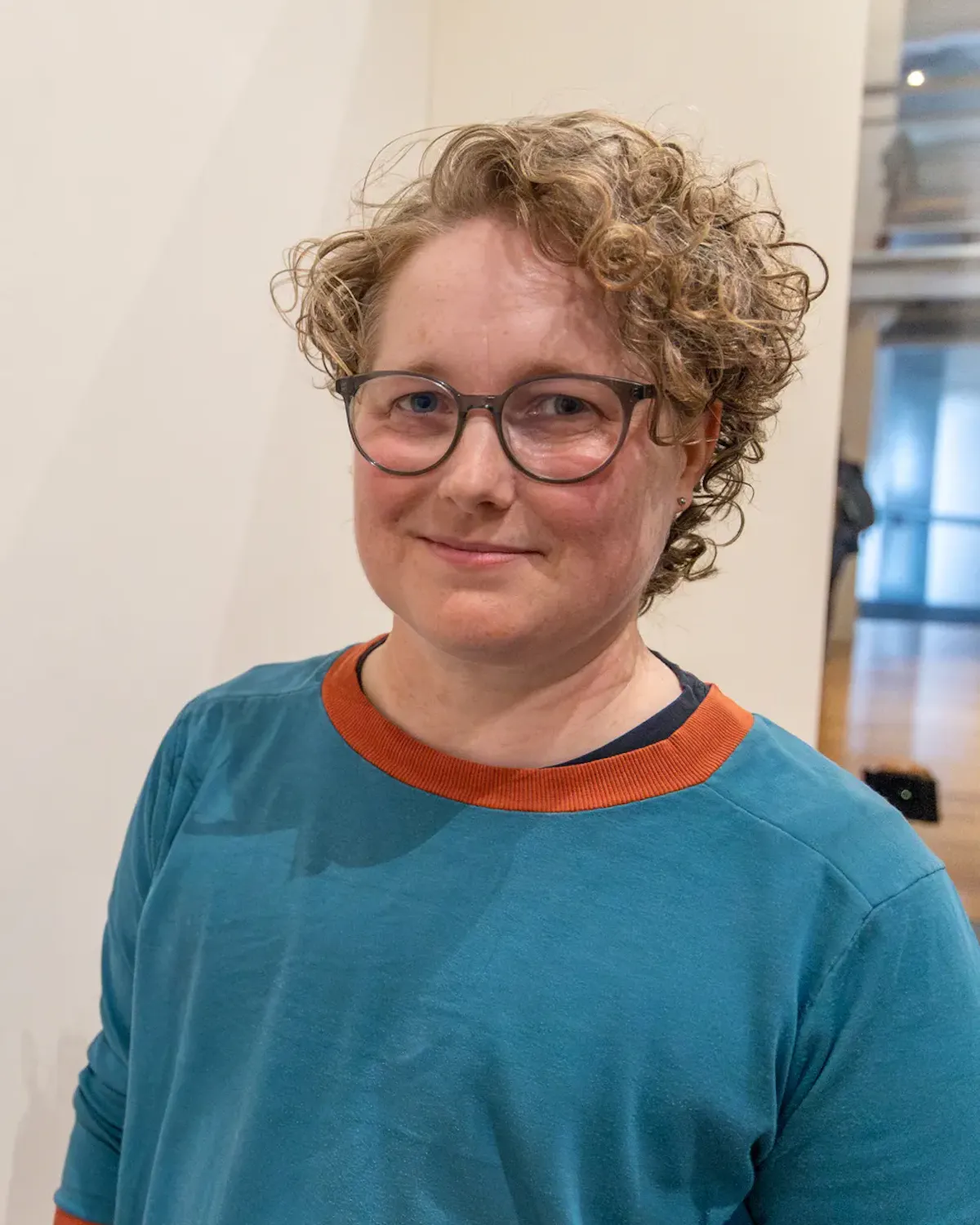
Caroline McQuarrie
I ran out of names
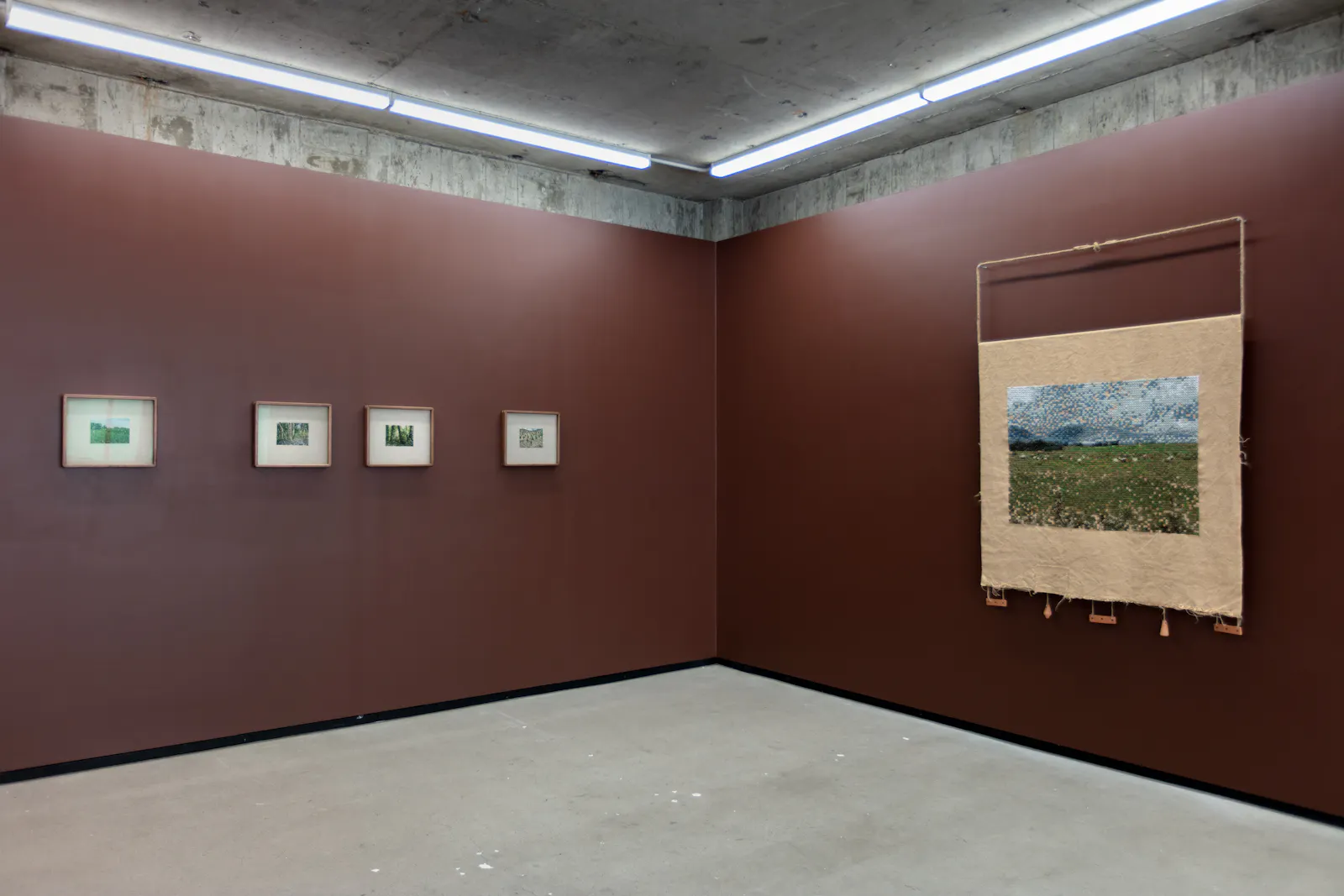
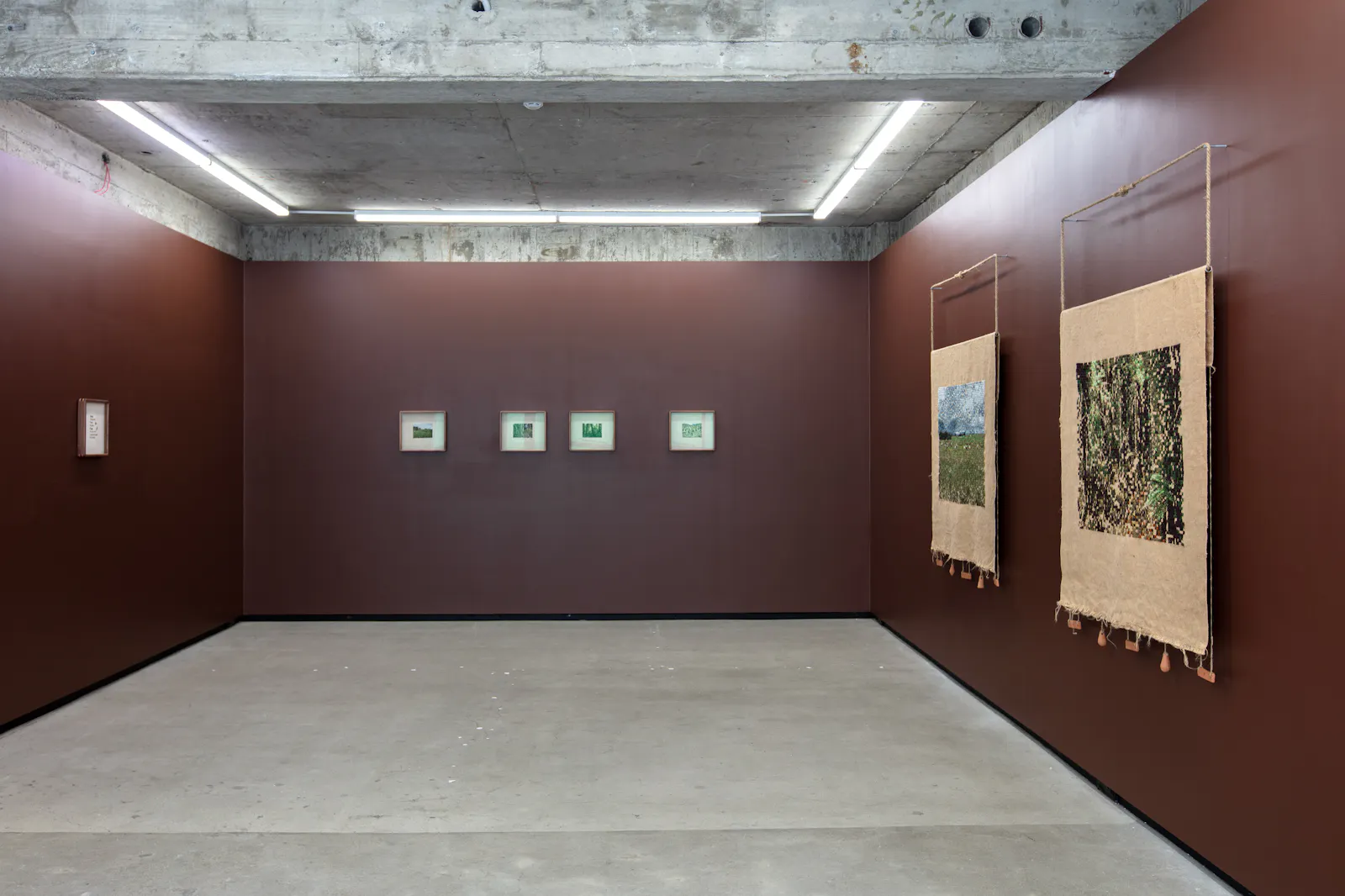
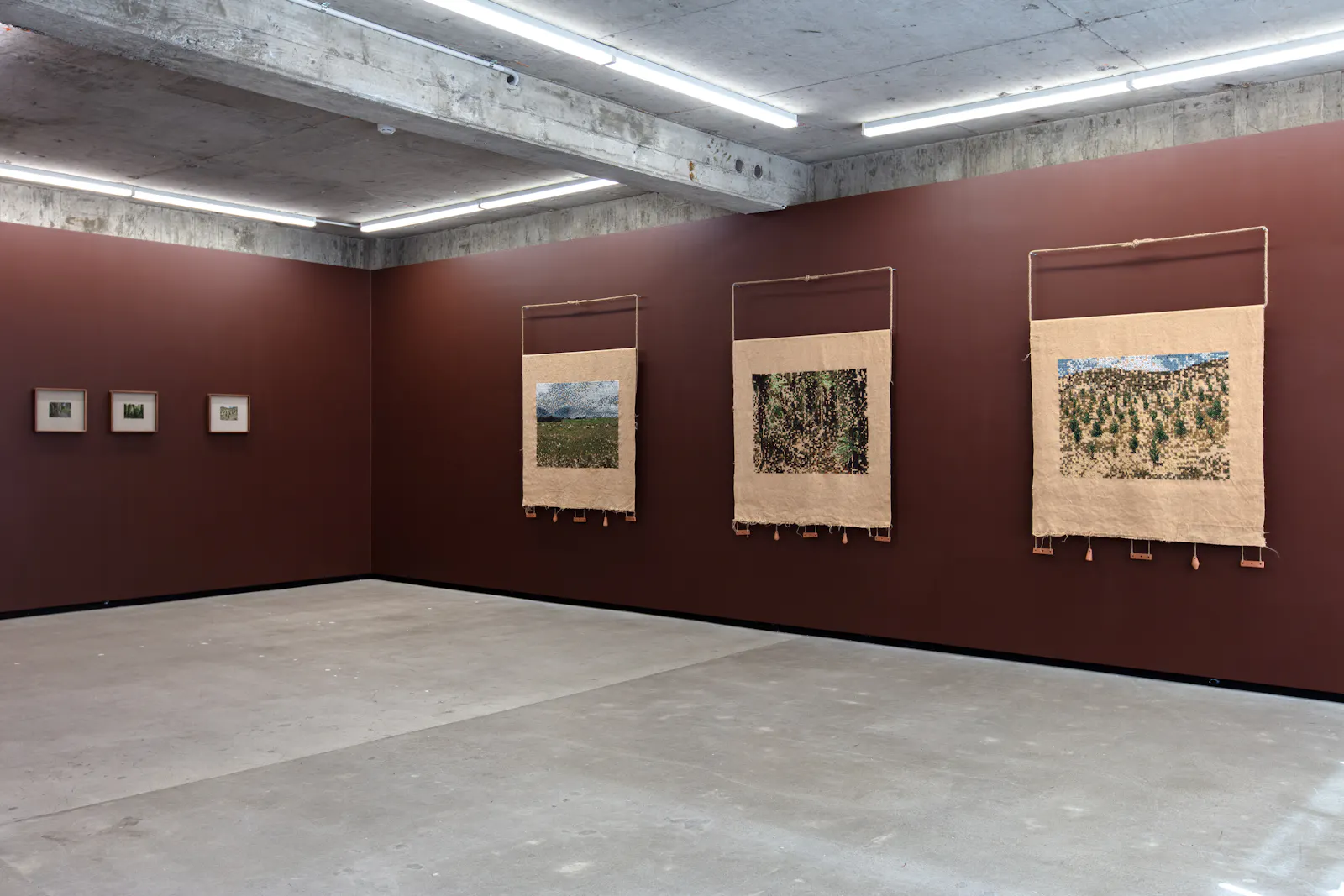
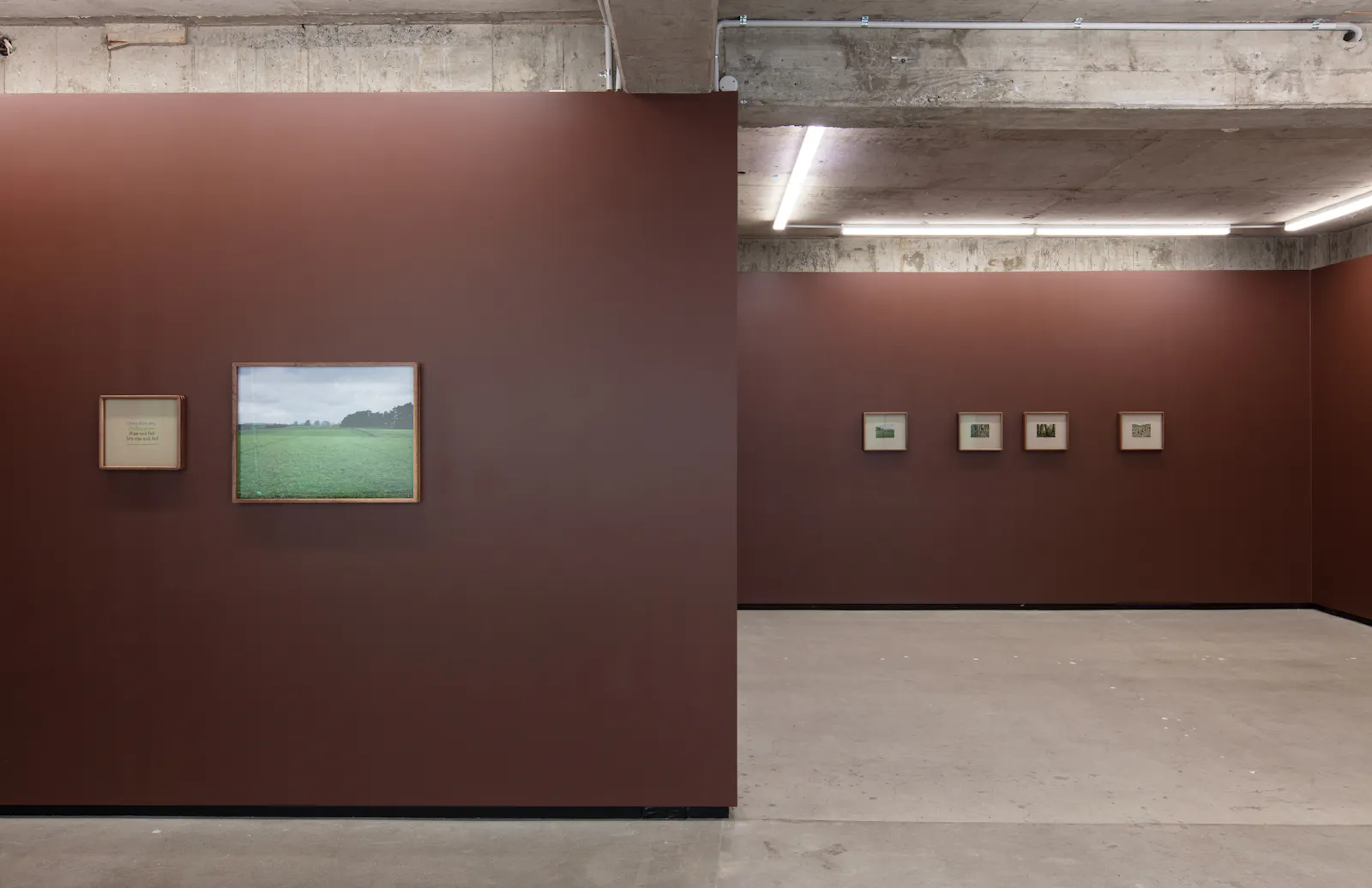
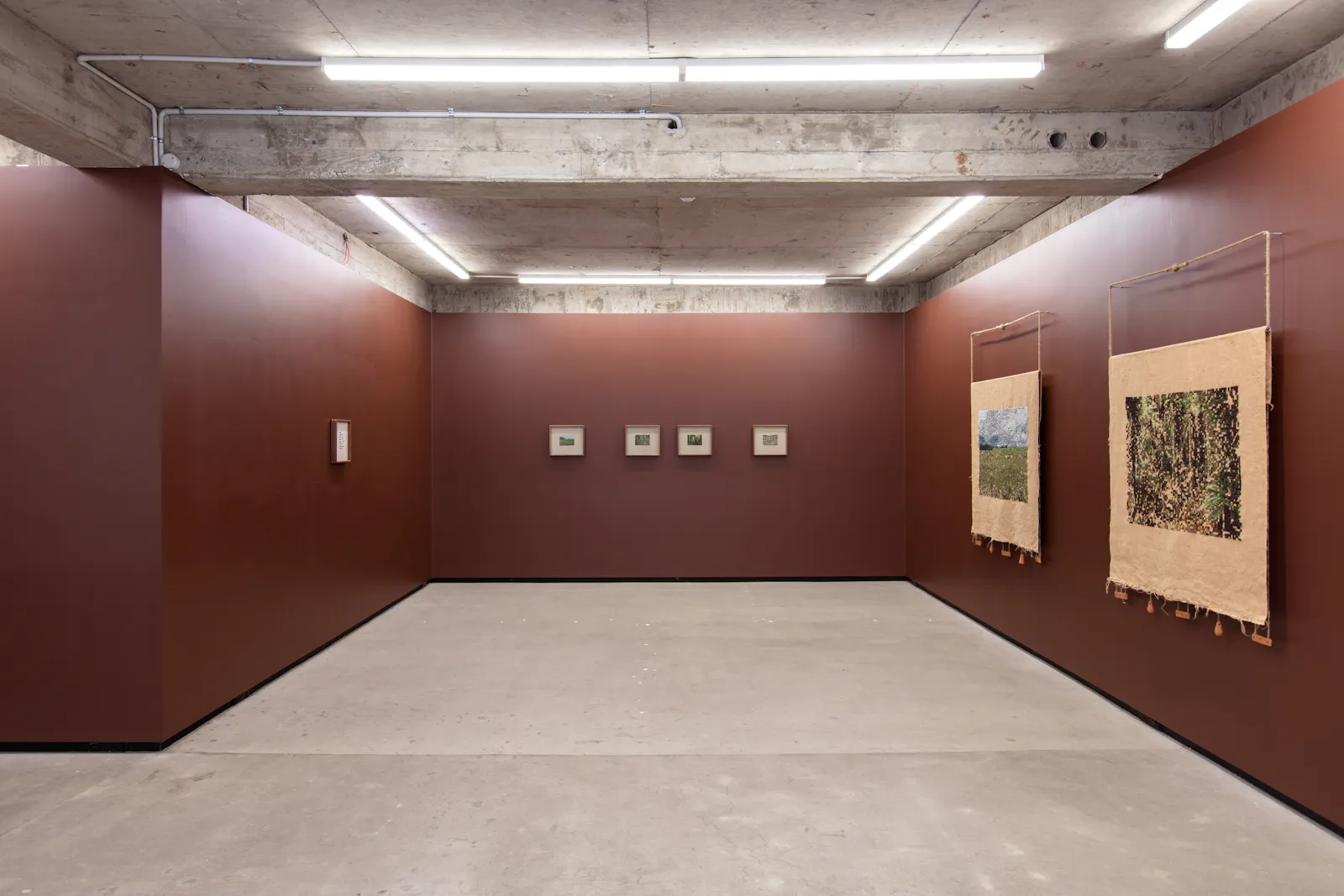
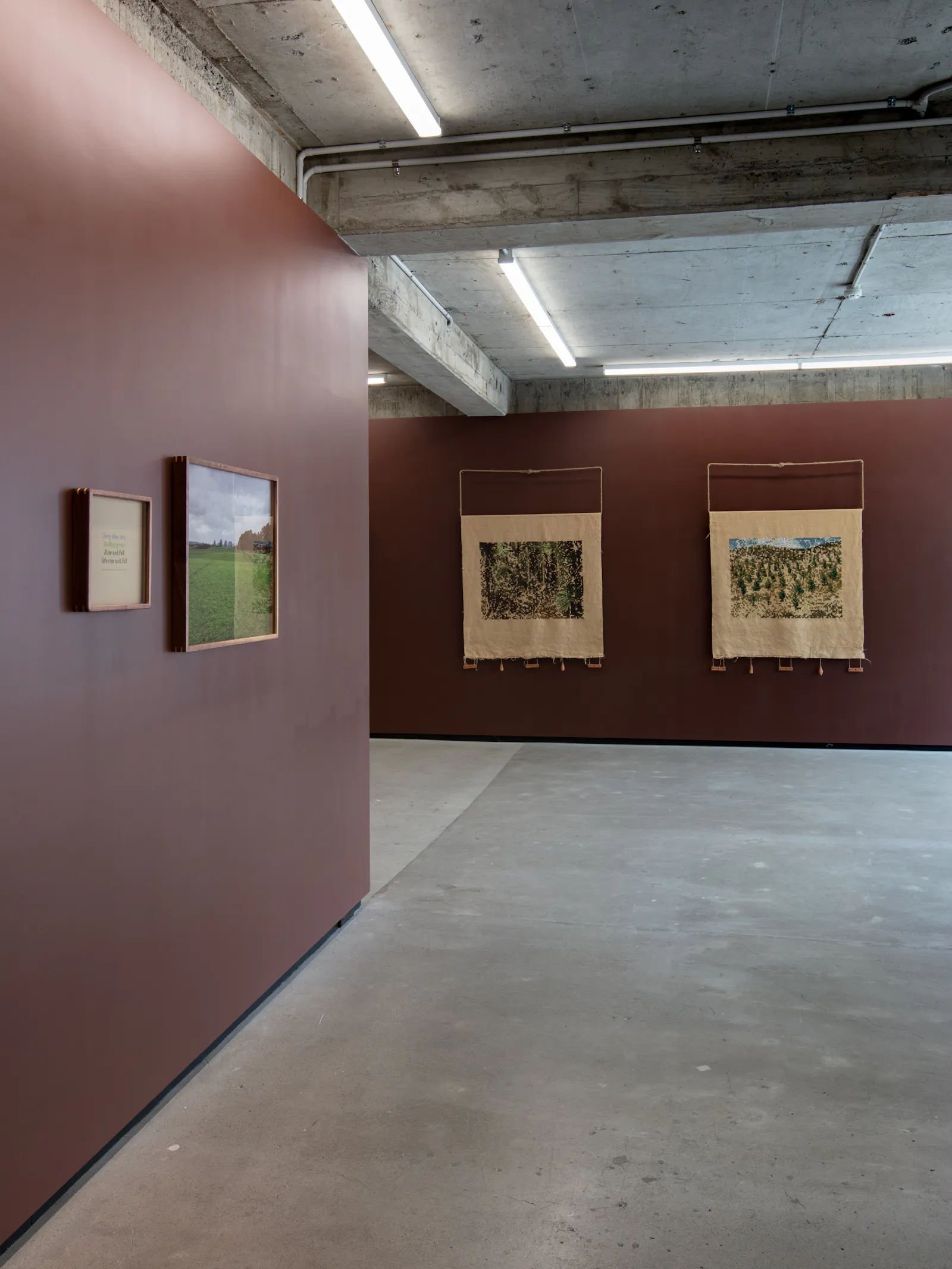
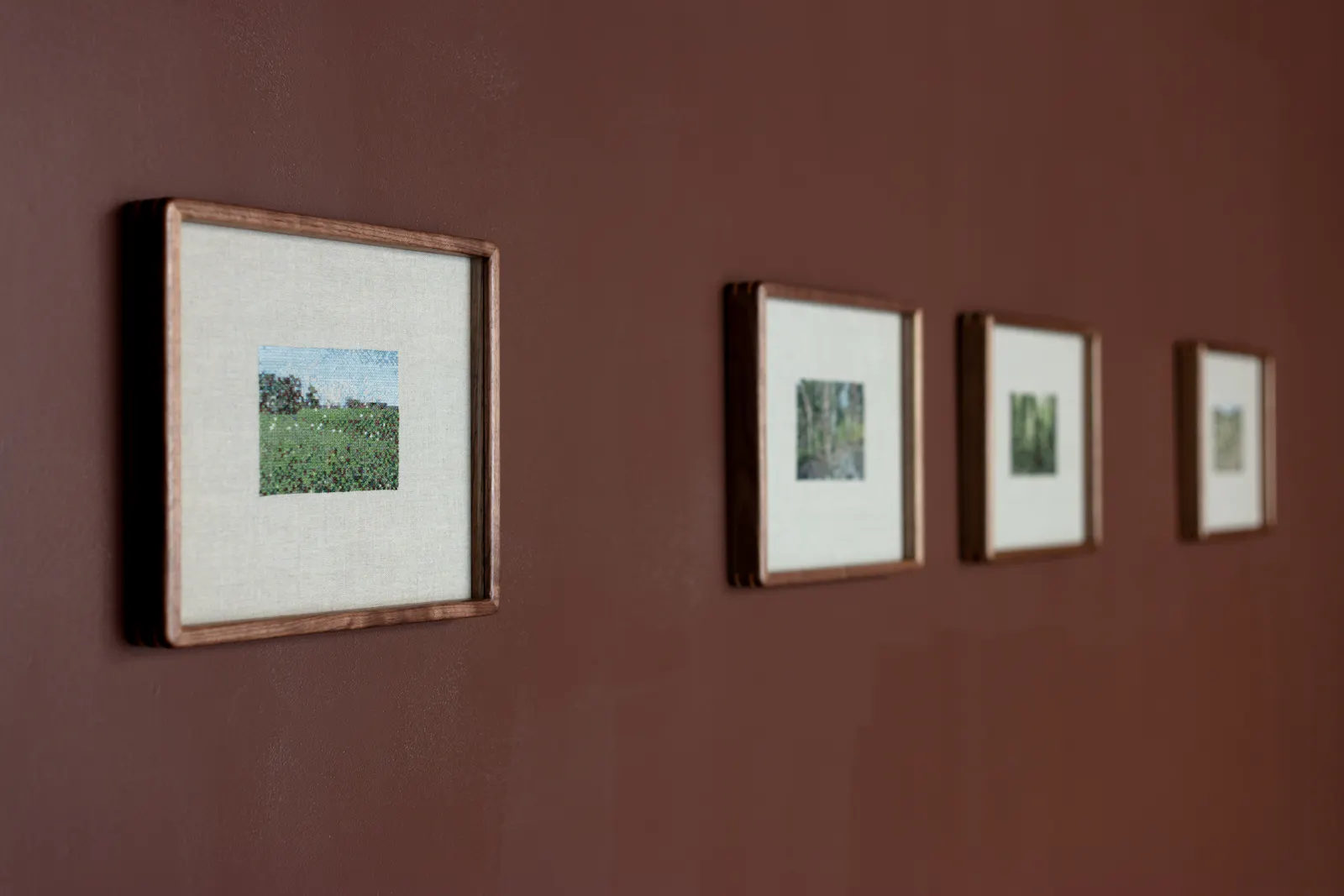
31 October — 21 November
"The past is never dead. It's not even past."
In 2023, while on The Gullies Art Residency on a farm in the Rangitīkei, Caroline McQuarrie endeavoured to make lists of the plants and birds she observed. She started a page in her journal, imagining a flourishing glossary of nature building up over time. Very soon, however, she came up against the limits of her ability to identify what she was seeing – making a melancholy note in her journal: ‘I ran out of names for the birds’.
Continuing on from The land, again, exhibited at Aratoi Museum of Art and History in early 2026, I ran out of names draws attention to the constructed nature of landscape in Aotearoa, examining the extractive colonial worldview imposed upon whenua and the profound transformations that followed.
The exhibition explores how photography mediates the way these landscapes are viewed, packaging them neatly within a photographic frame before allowing them to fall apart through material transformation. Moving between traditional photography and cross-stitch embroidery, McQuarrie considers how histories of settlement, extraction and land use continue to shape the ways these landscapes are viewed, understood and culturally framed in the present.
Quote from William Faulkner. Requiem for a Nun. 1951.
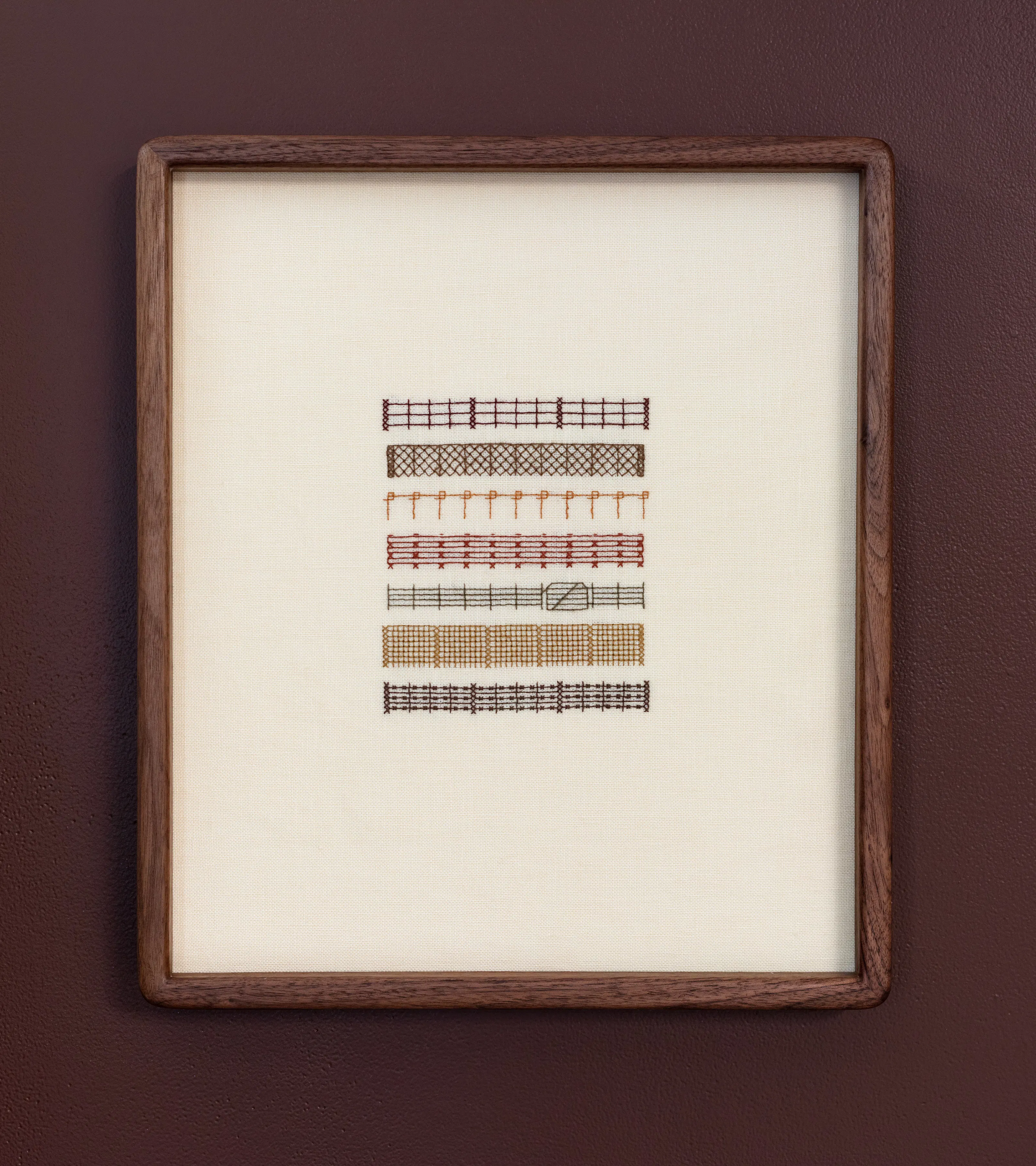
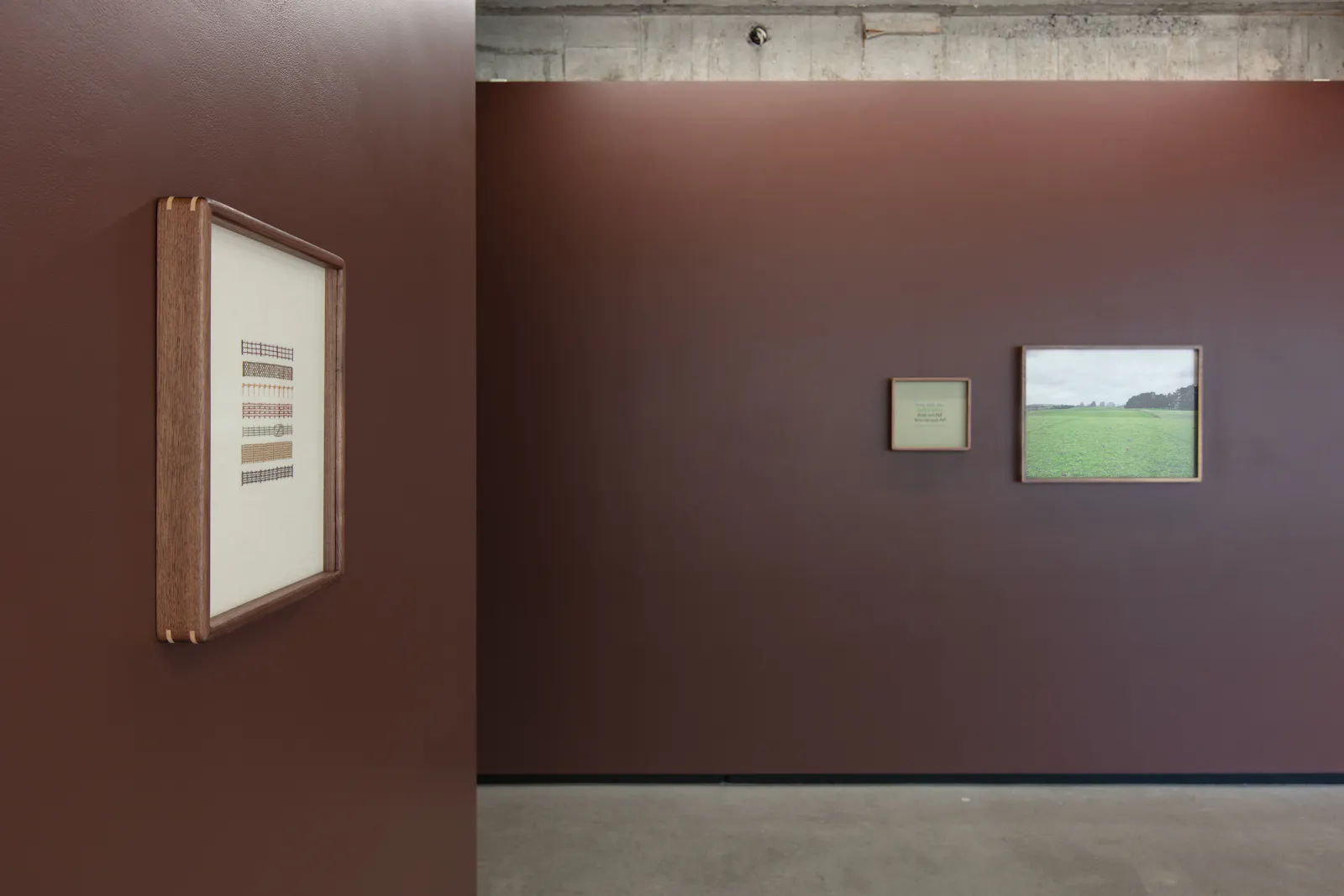
Forms of enclosure , 2026
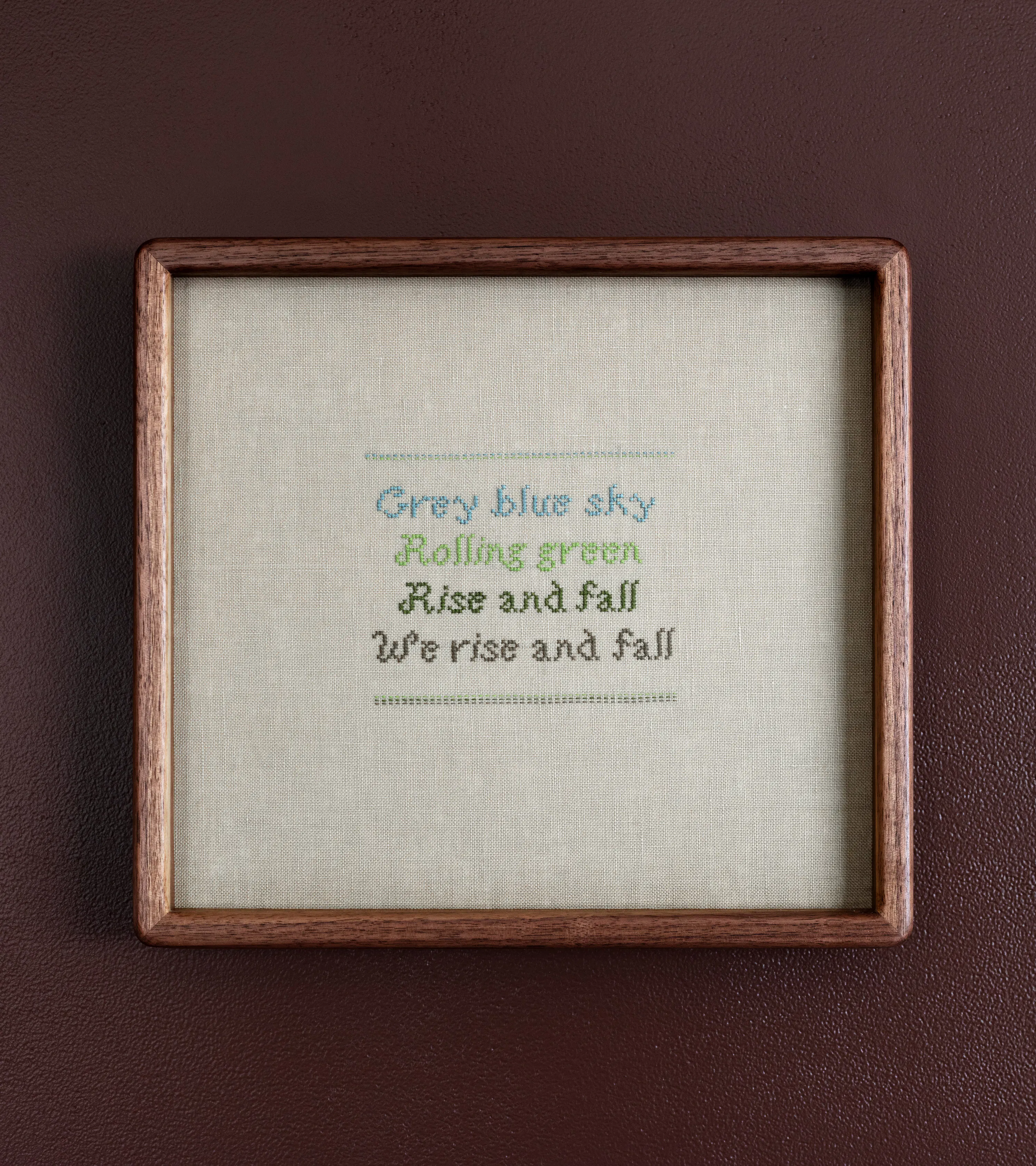
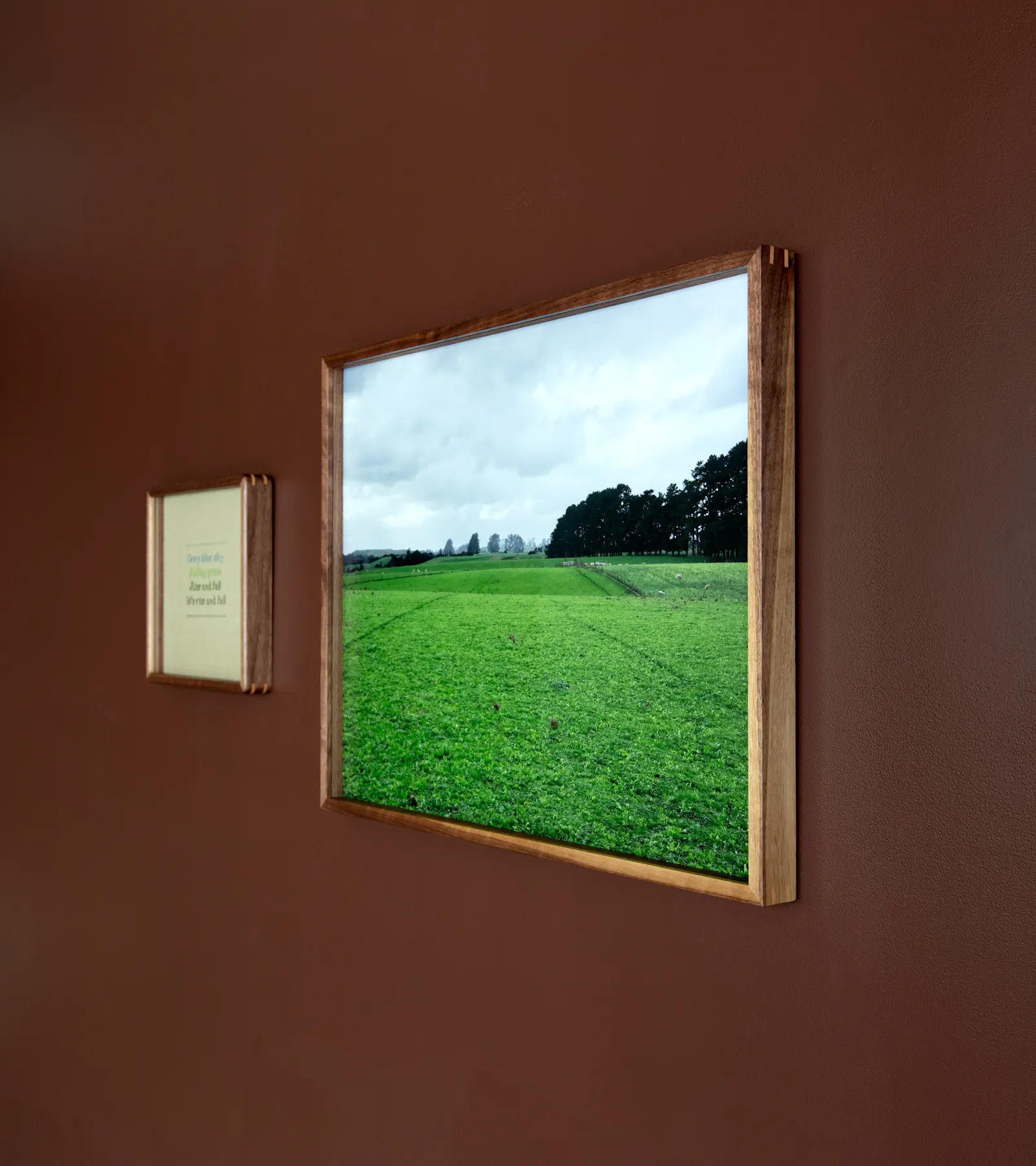
Rise and fall, 2026
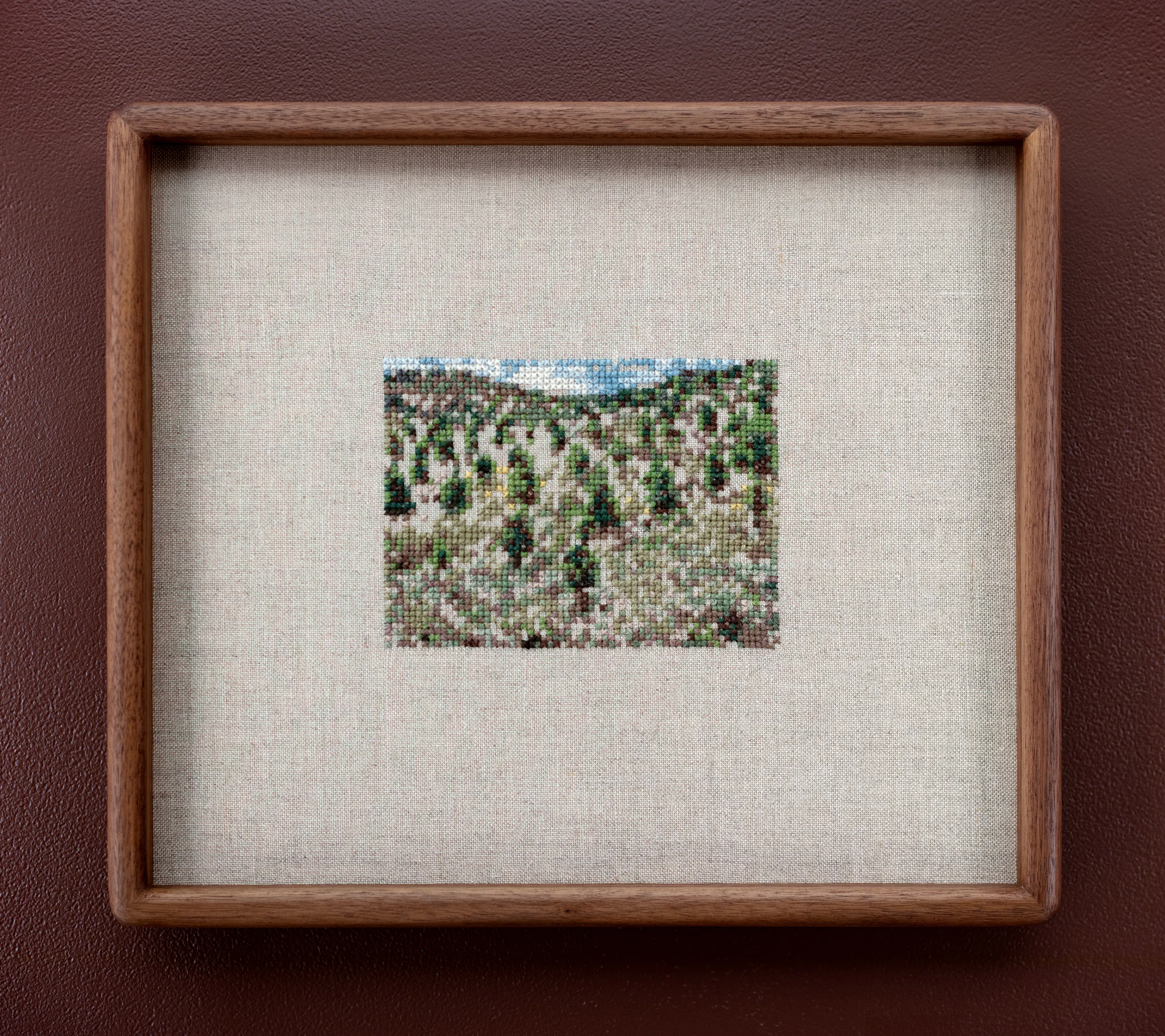
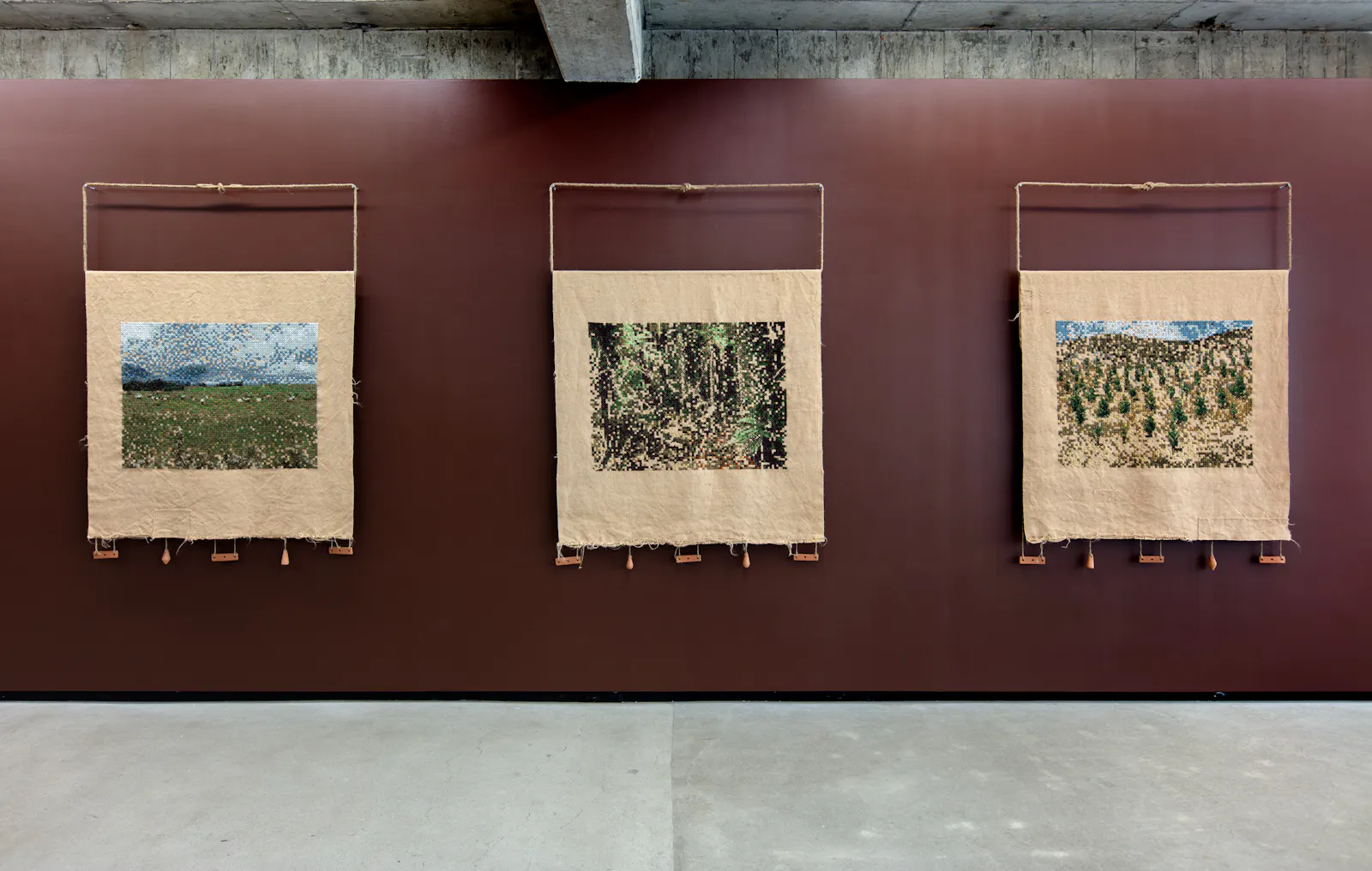
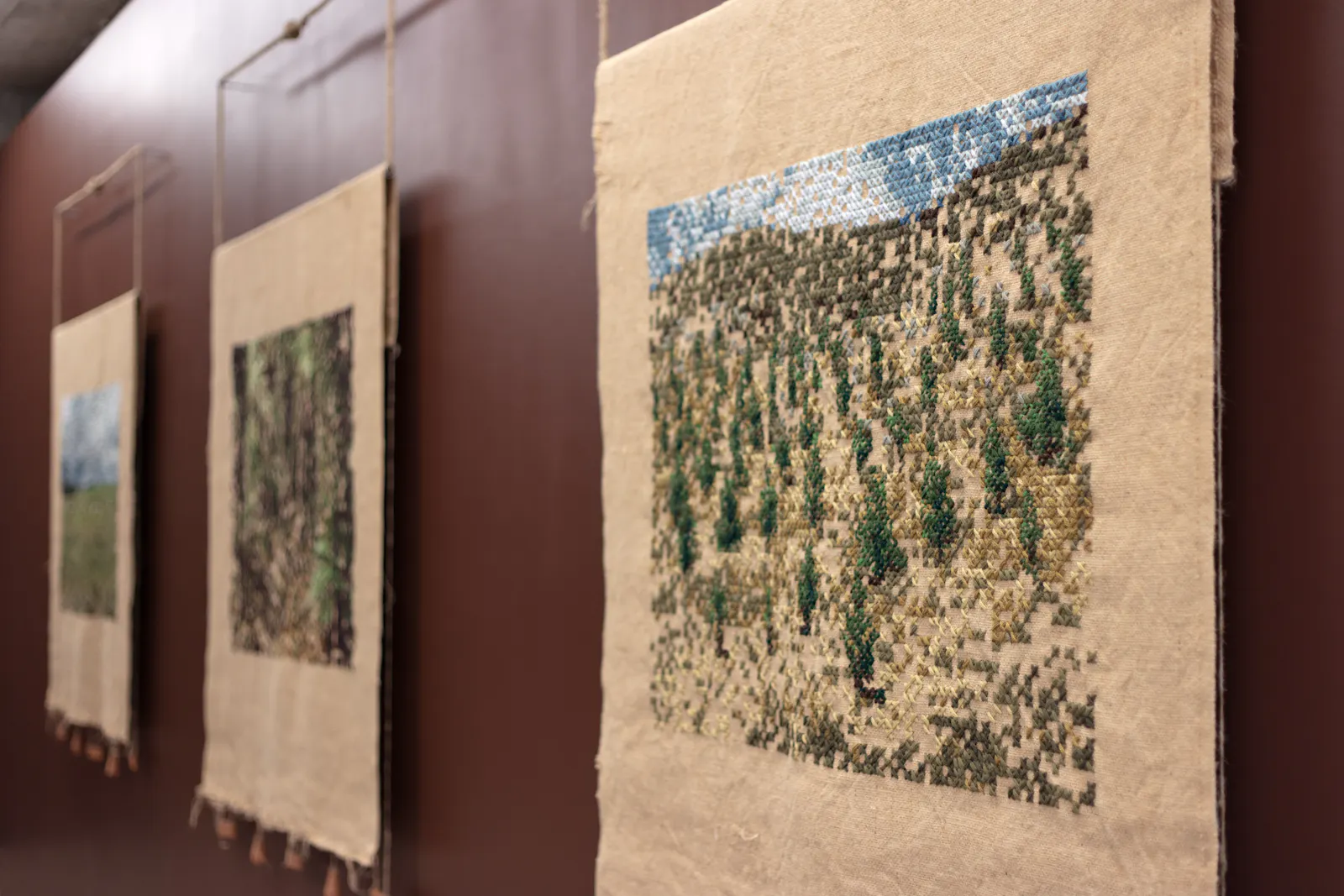
Diversification No.1 (Pinus Radiata), 2026
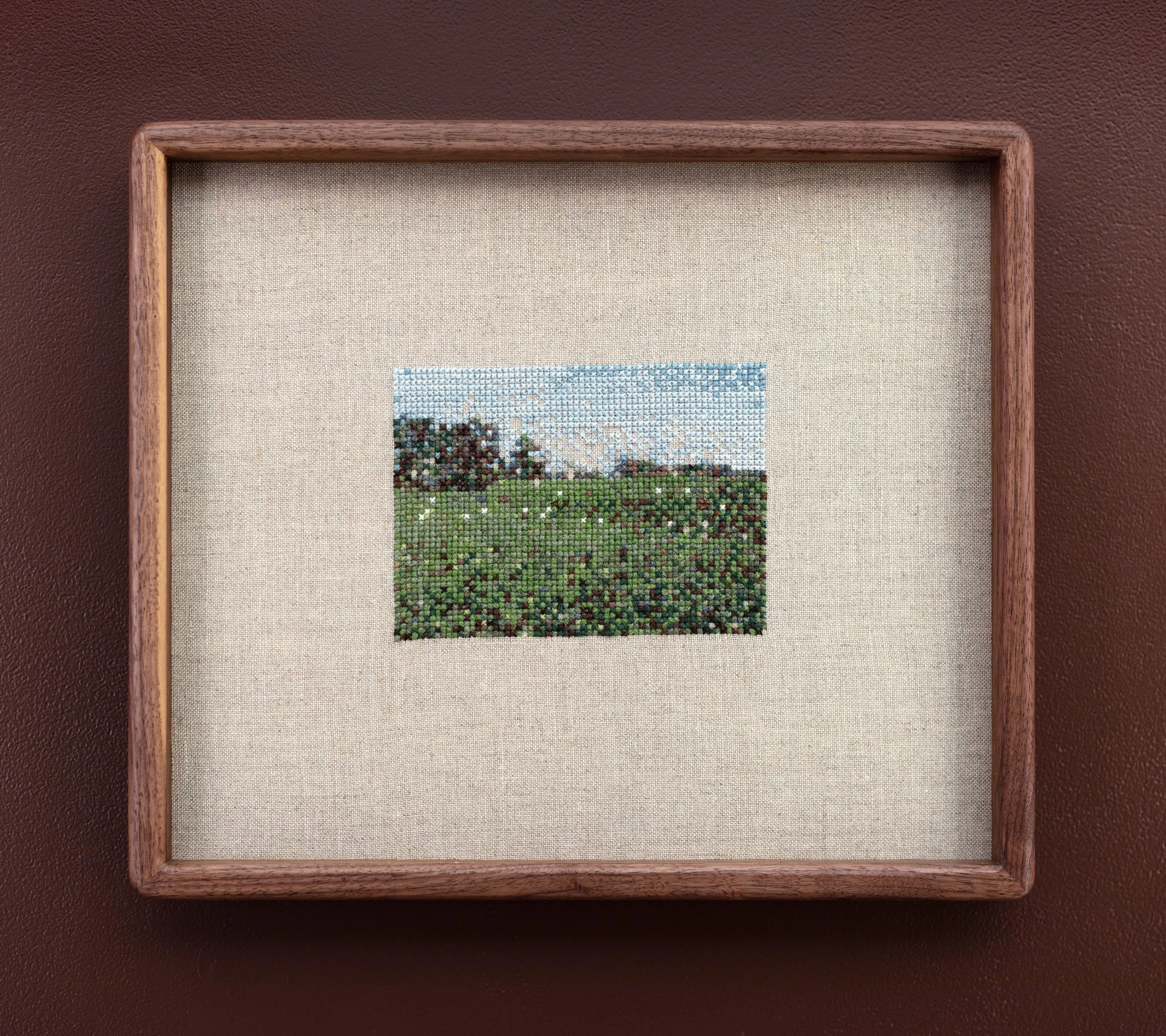
Production No.1 (Perennial Ryegrass), 2026
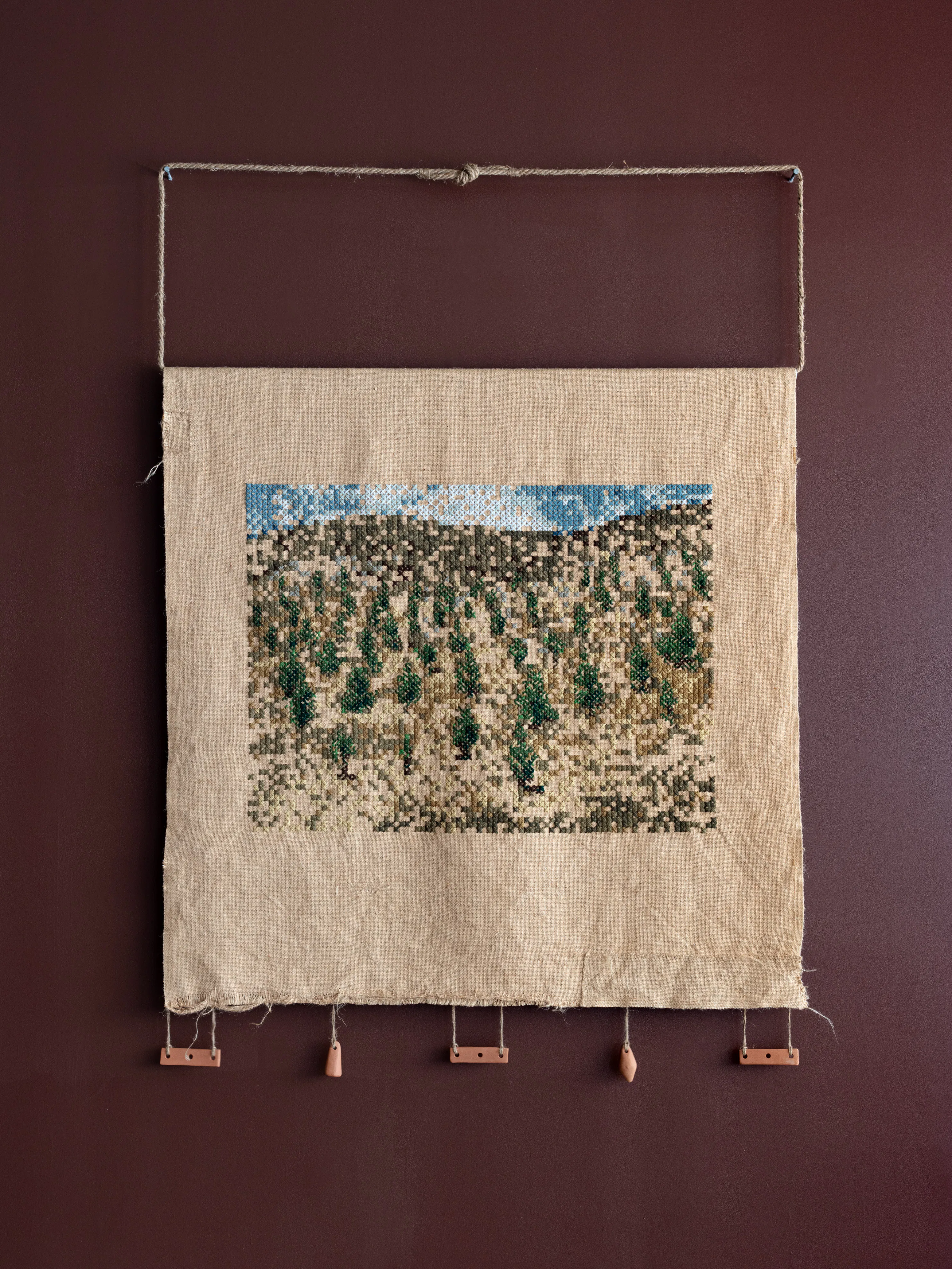
Improvement (diversification), 2026
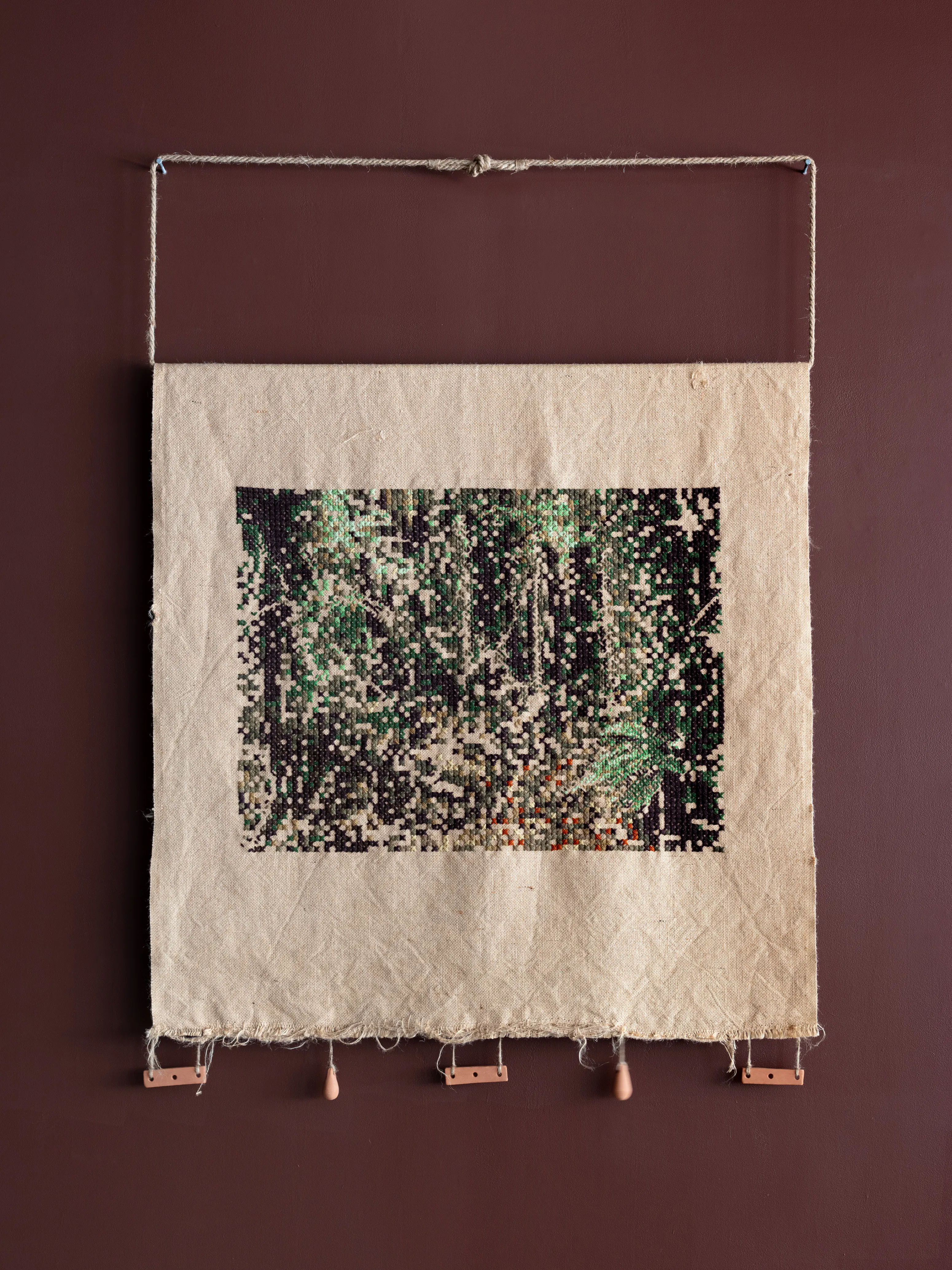
Improvement (regeneration), 2026
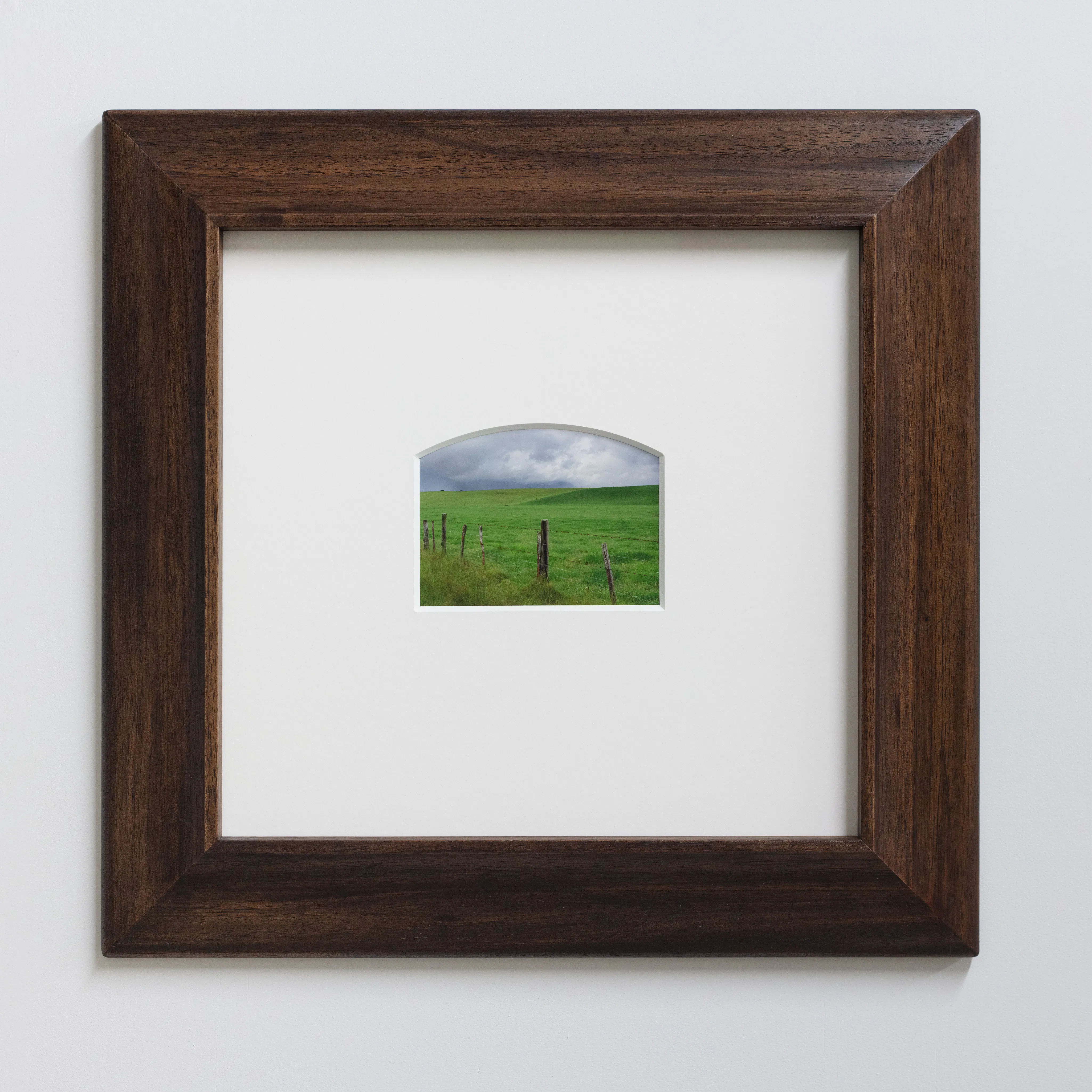
Enclosure, 2026
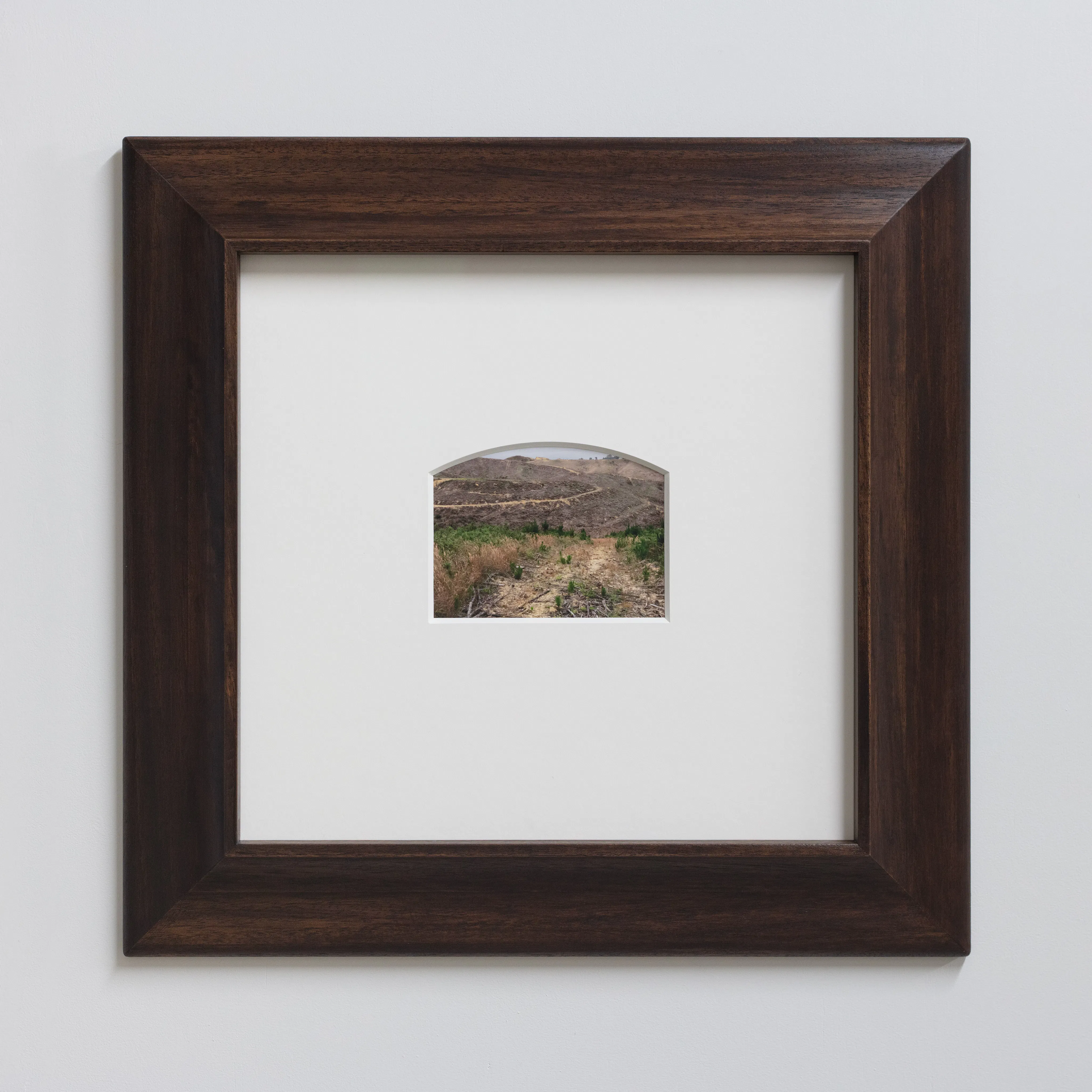
Clearance, 2026
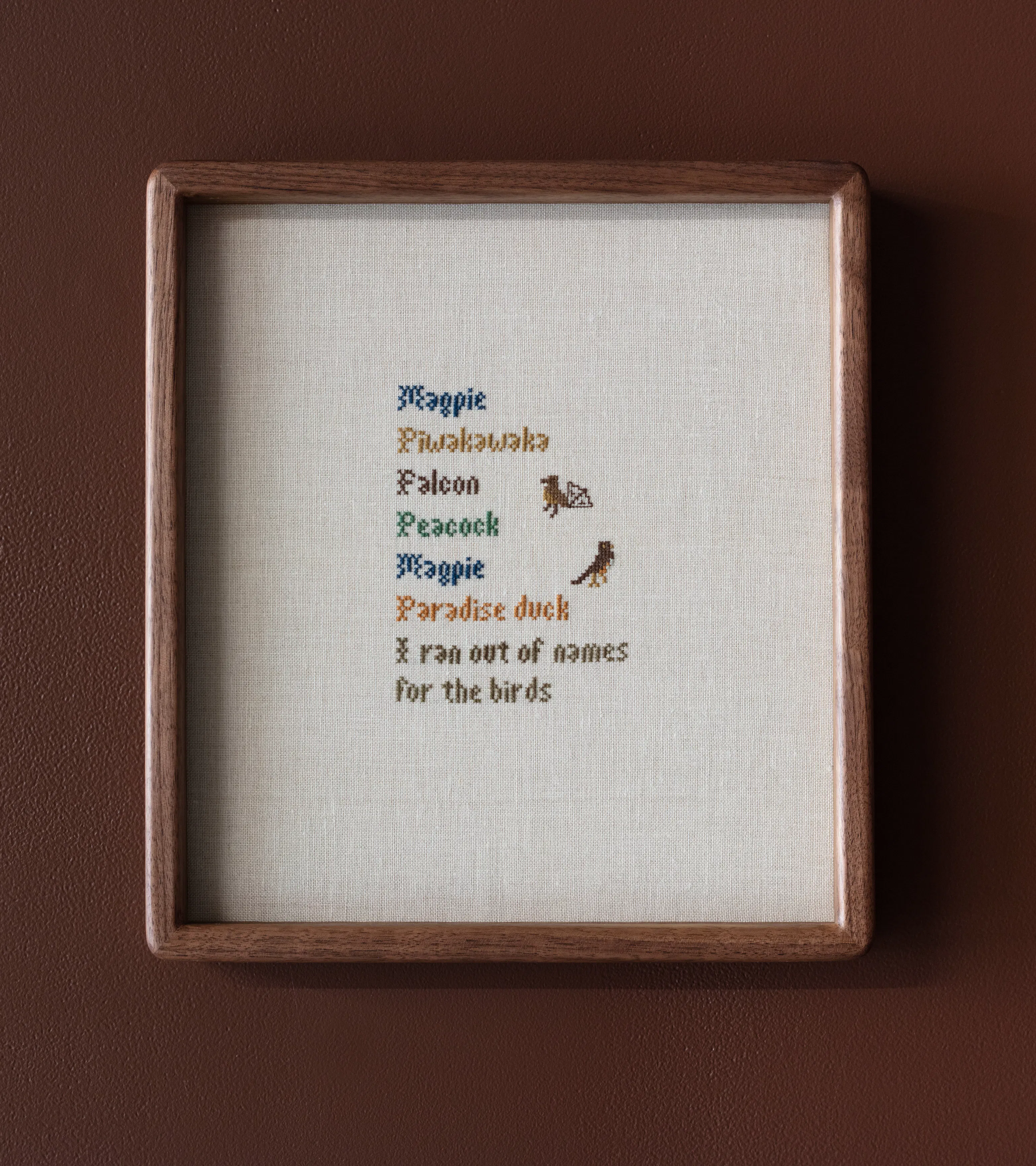
I ran out of names for the birds, 2026
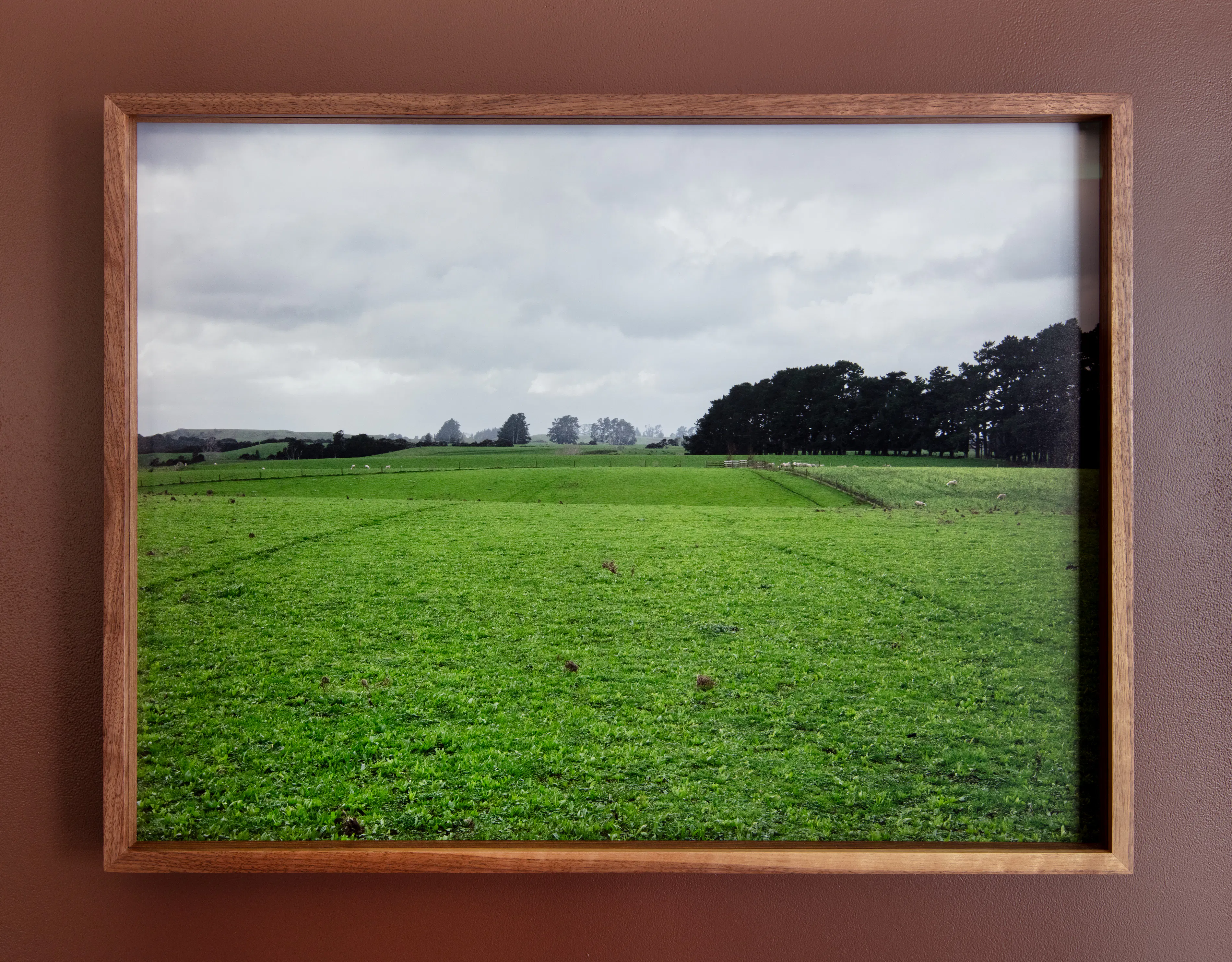
Rolling green , 2026
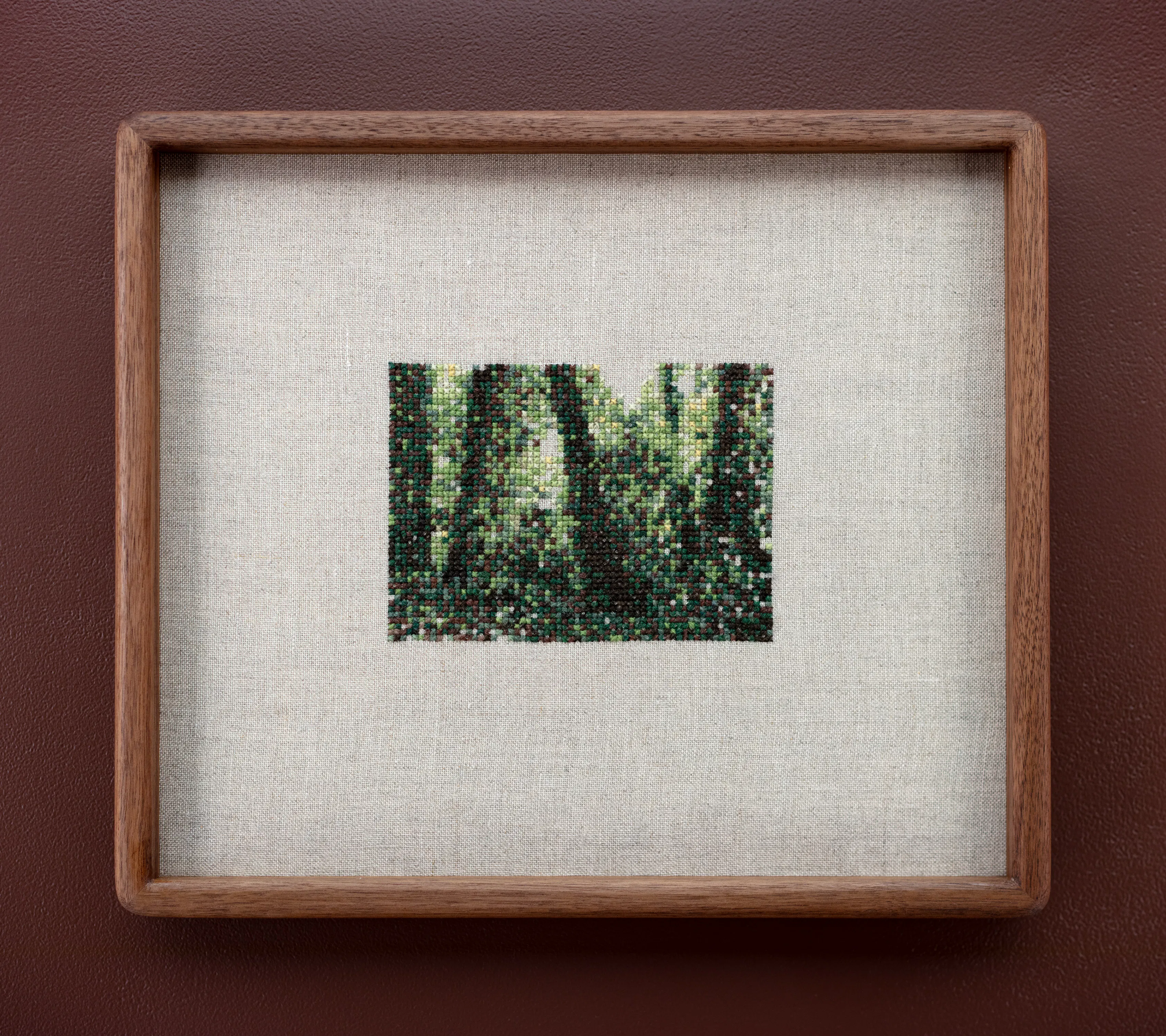
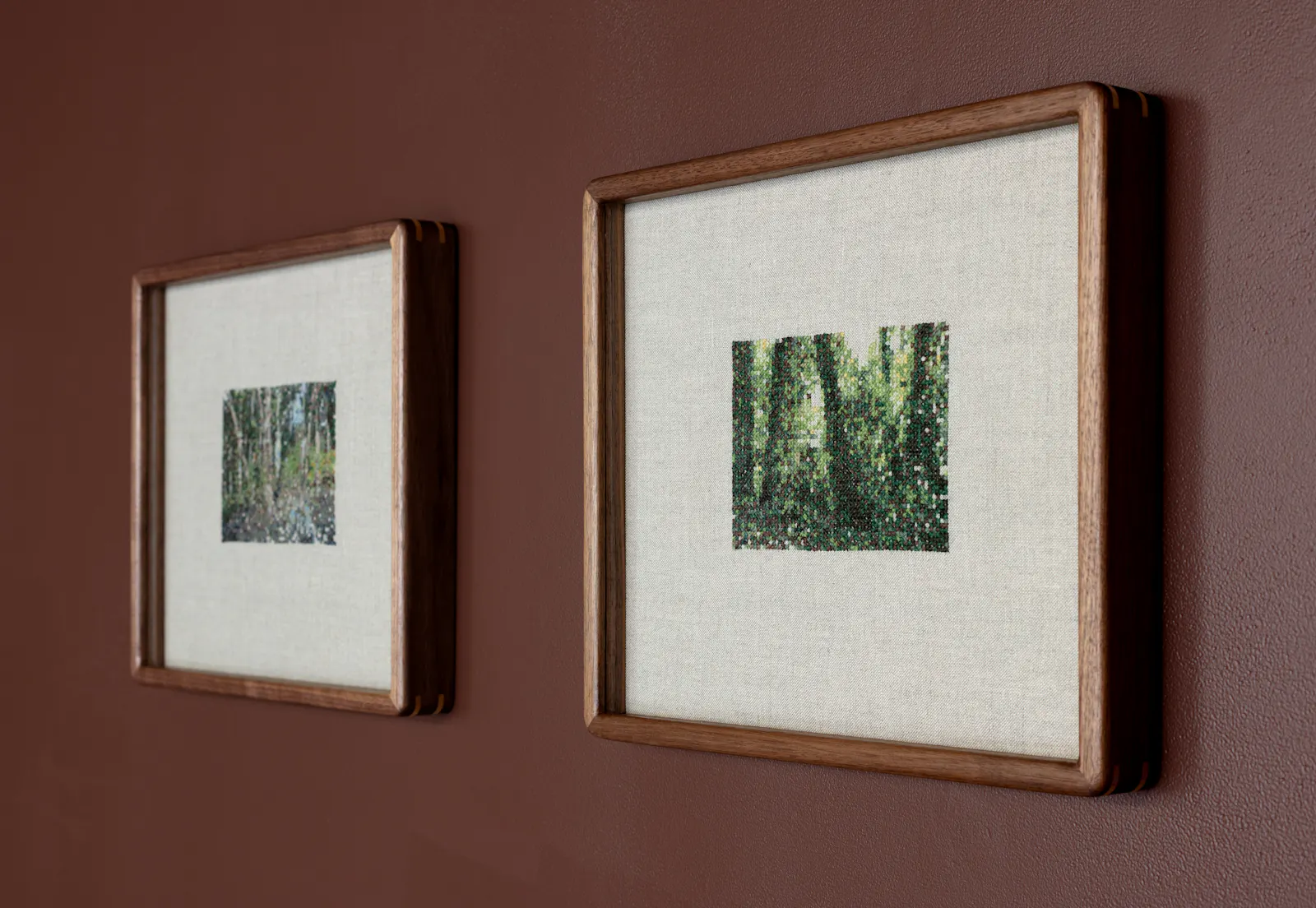
Regeneration No.2 (Podocarp), 2026
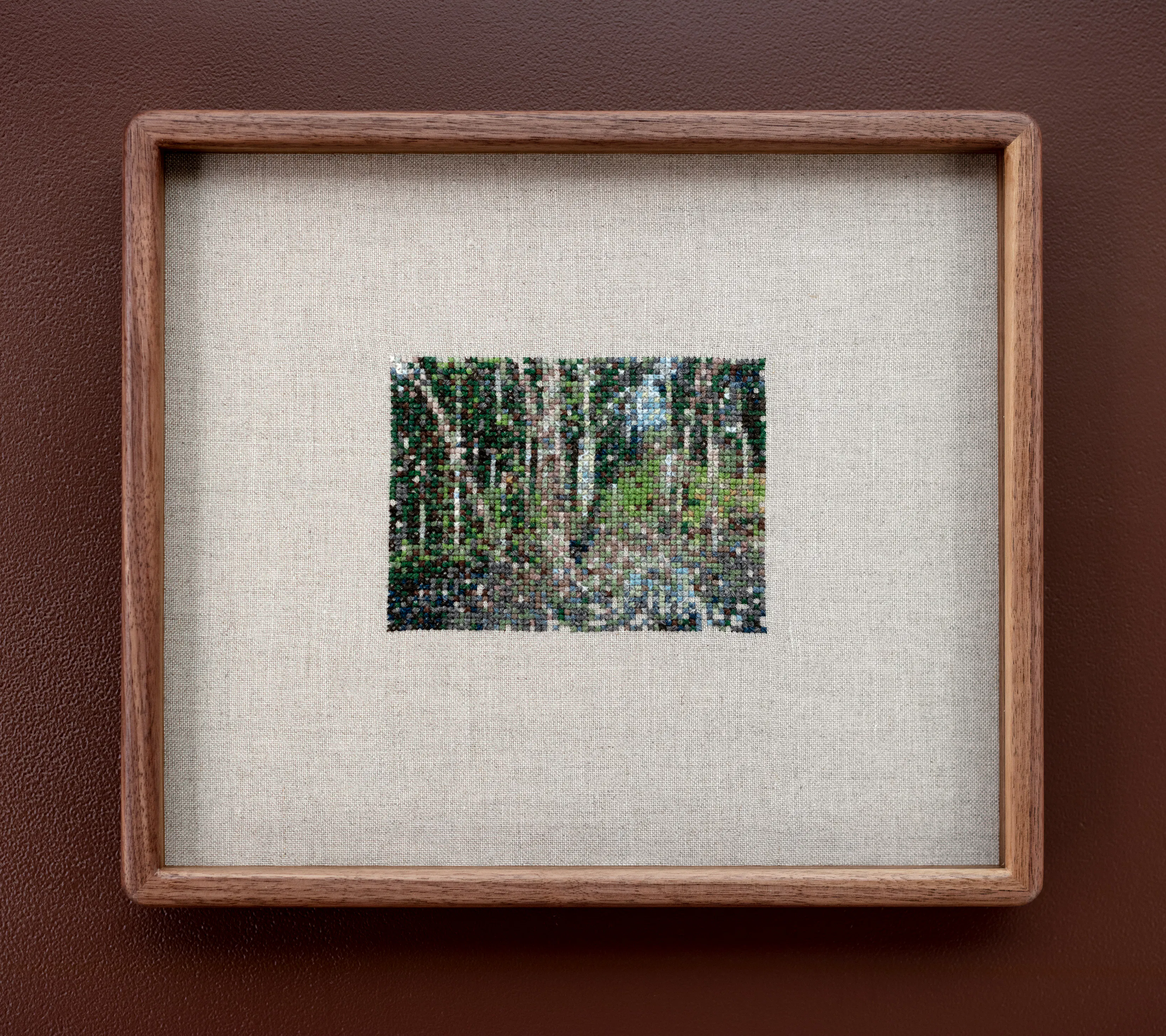
Regeneration No.1 (Manuka), 2026
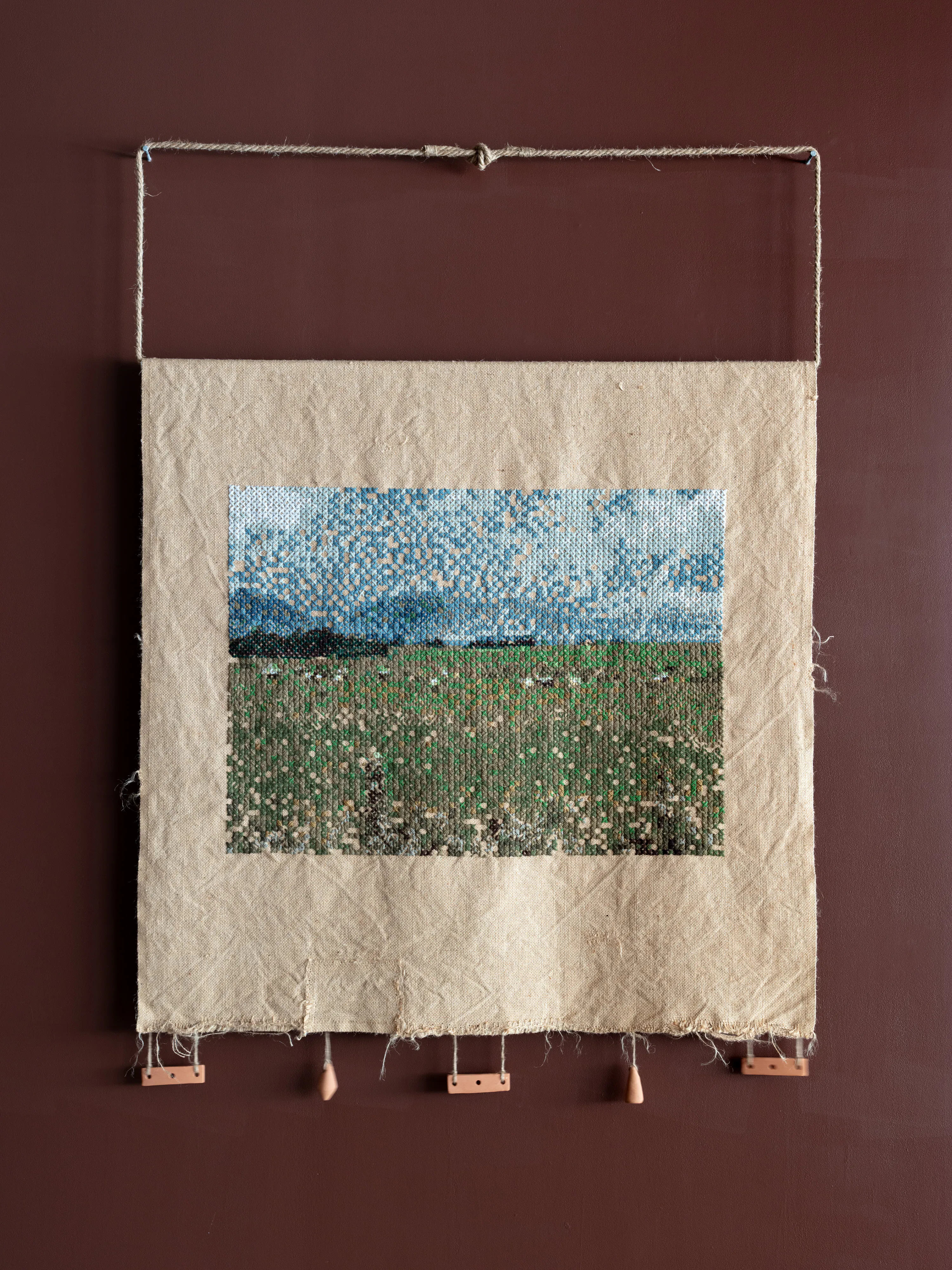
Improvement (production), 2026
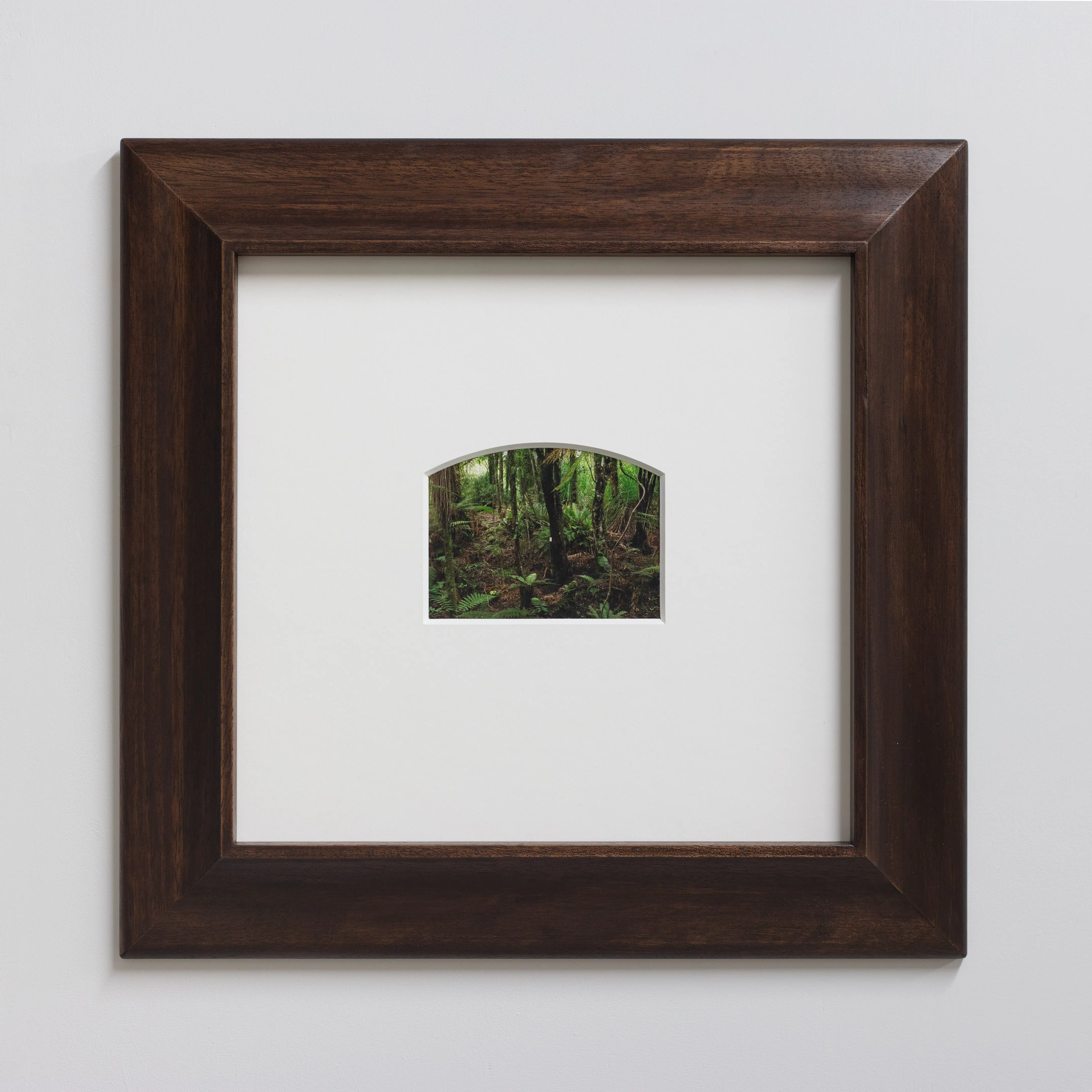
Marker, 2026
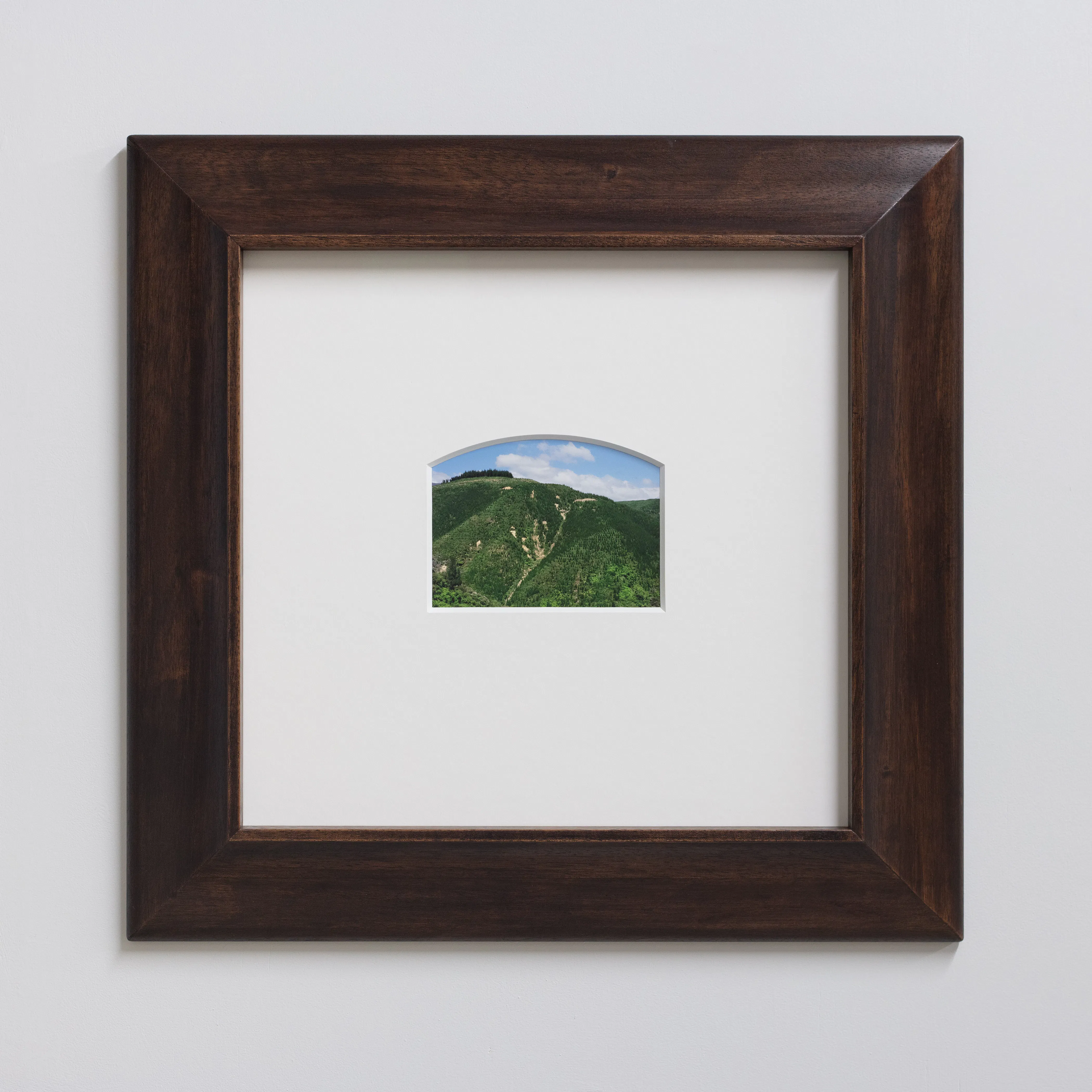
Crop, 2026
I ran out of names, Caroline McQuarrie
The past is never dead. It's not even past.[1]
In 2023, while on The Gullies Art Residency on a farm in the Rangitīkei, Caroline McQuarrie endeavoured to make lists of the plants and birds she observed. She started a page in her journal, imagining a flourishing glossary of nature building up over time. Very soon, however, she came up against the limits of her ability to identify what she was seeing – making a melancholy note in her journal: ‘I ran out of names for the birds’.
Continuing from The land, again, exhibited at Aratoi Museum of Art and History in early 2026, I ran out of names draws attention to the constructed nature of a particular type of colonial landscape in Aotearoa New Zealand and the Pākehā worldview overlaid with it. The exhibition explores how photography mediates the way we view these landscapes, first packaging them neatly into a photographic frame before letting them fall apart through material transformation.
Considering the difference between ‘nature’ and ‘natural’, the exhibition focuses on the hill-country landscapes 19th-century colonial settlers cleared of native forest and transformed into sheep farms. This type of landscape became synonymous with late 19th- and 20th-century Pākehā New Zealand: productive, picturesque, a slightly more rugged facsimile of the rolling hills of ‘home’ back in Britain. If land is physical material, landscape is something different – a cultural construction, a way of selecting, framing and understanding land according to particular values and worldview.
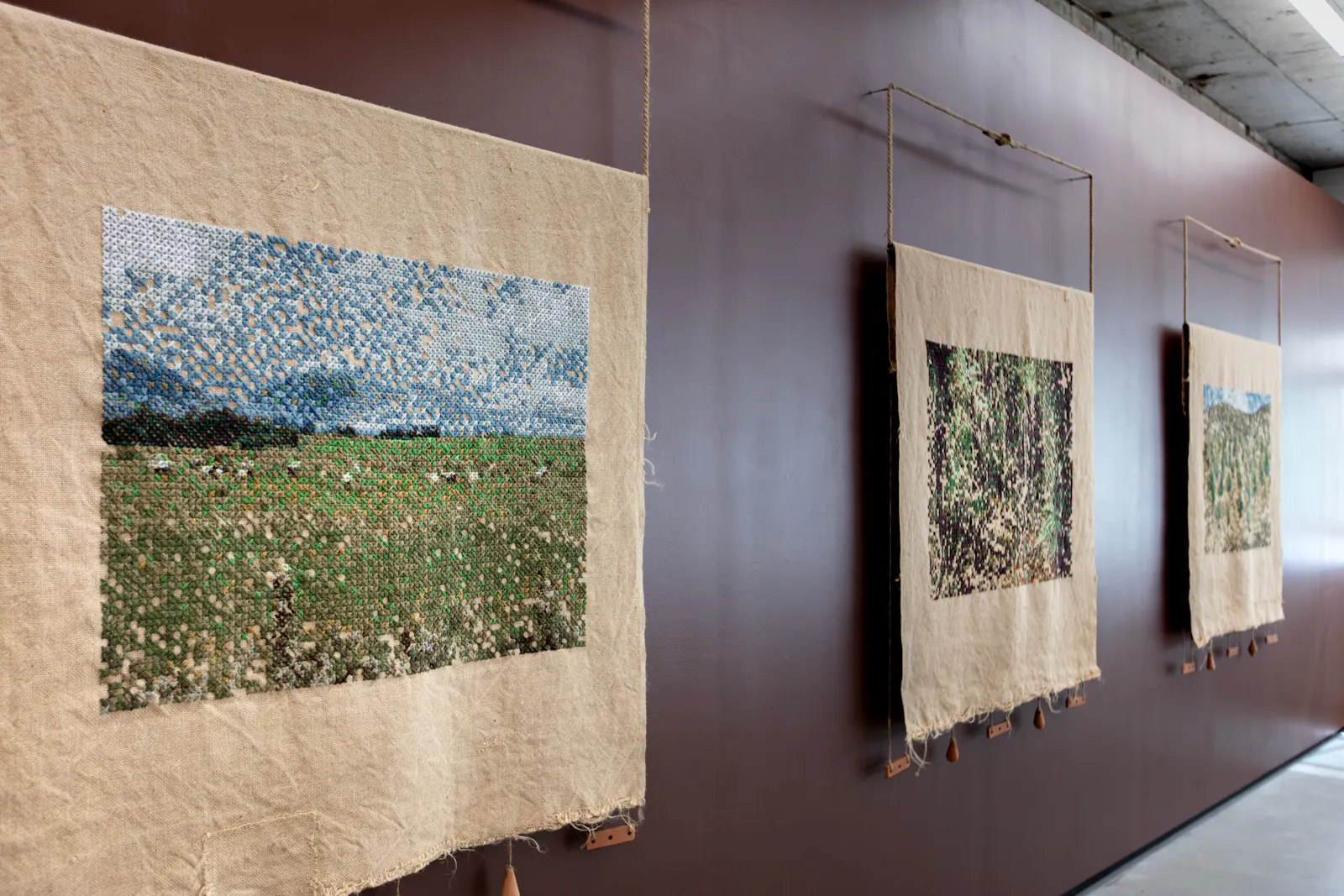
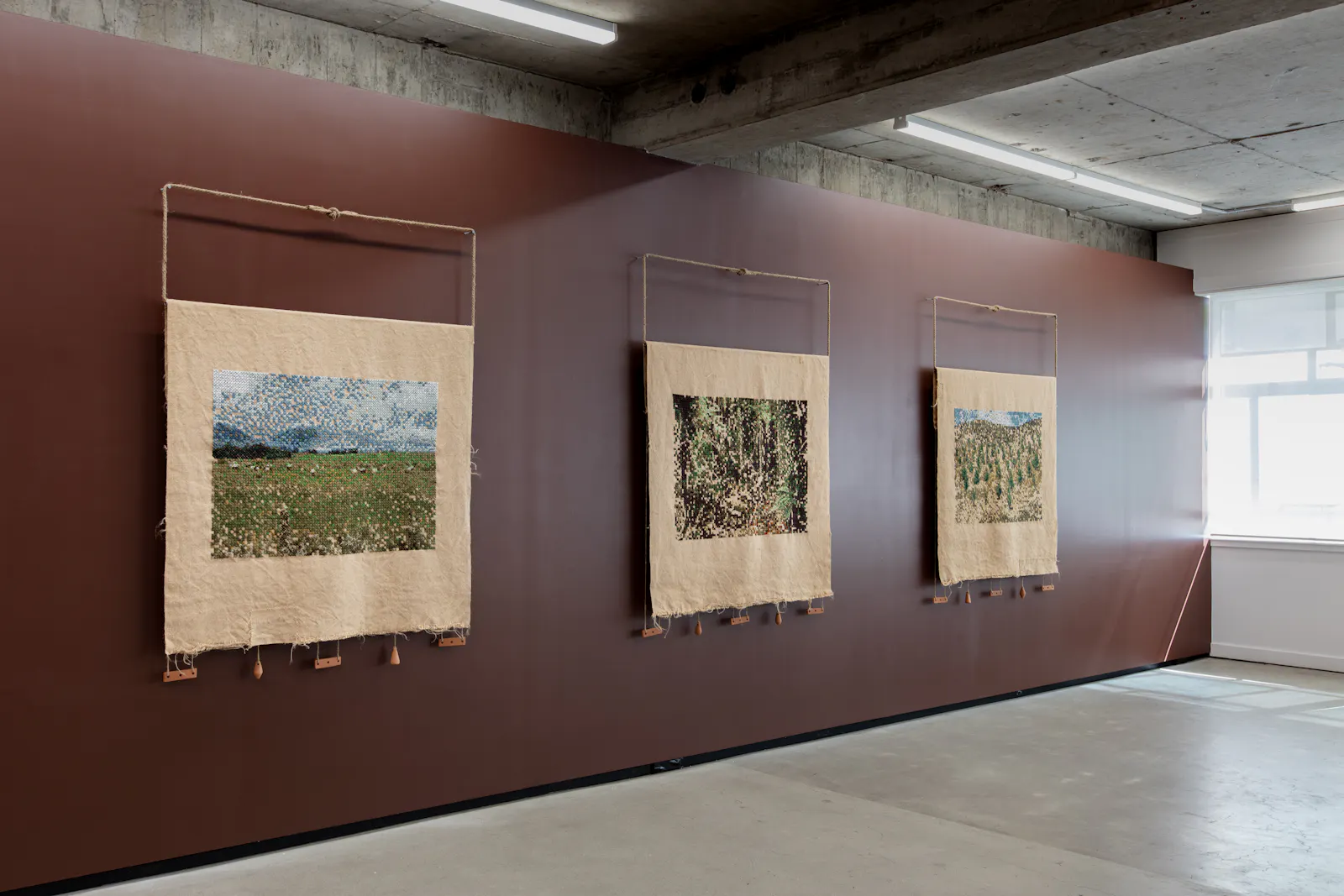
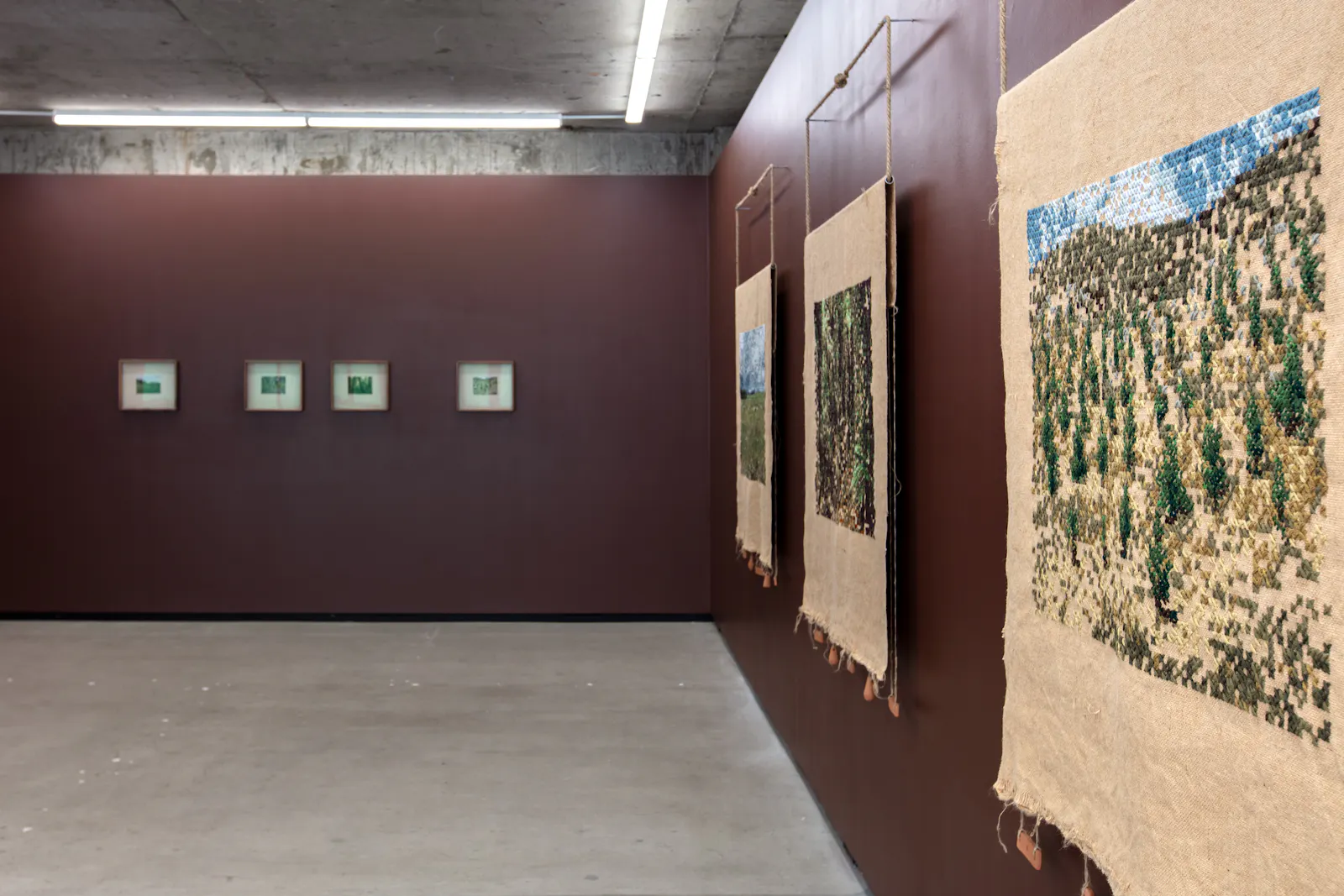
Three large-scale cross-stitched wall works trace the various ways this type of land has been ‘improved’. Developed from the artist’s own photographs, the regenerative, productive and diversification efforts of those who care for and cultivate the land are purposely reproduced from a photographic single-point perspective stitched into rough-hewn hessian once used for wool sacks. These anchoring pieces are joined by a series of smaller works which engage the same trio of landscape archetypes; sheep farming, pine forest and regenerating native forests.
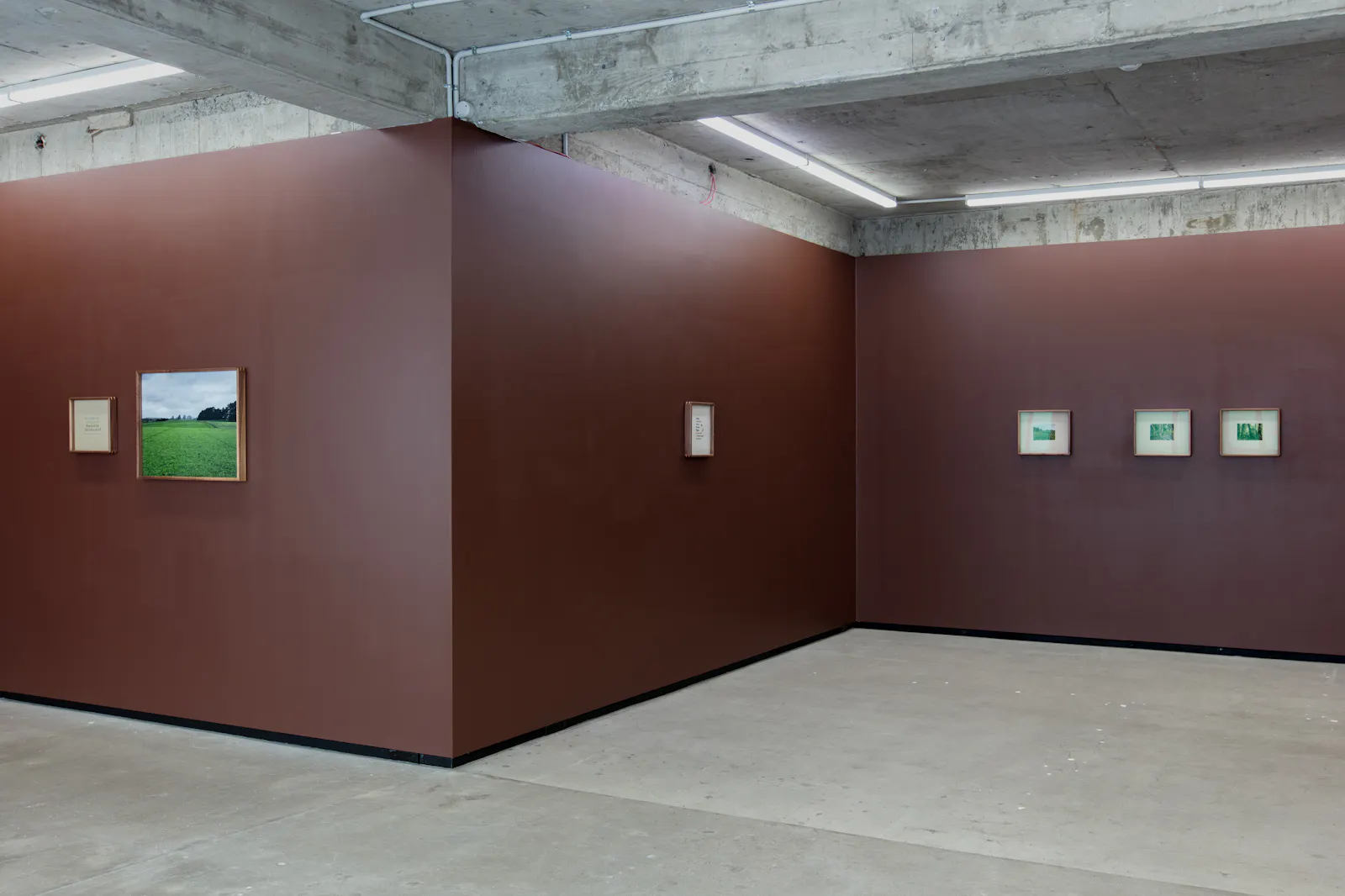
Scale shifts dramatically in I ran out of names; fabrics and stitched wools shift from tough hessian and thick knitting wool to fine linens and naturally dyed crewel embroidery thread. The wools used to depict the landscapes tie the work back into the commercial use of the land. This move into smaller, more contained works nods to the efforts to control and tame wild environments into well-groomed landscape. Through generations of manicuring, complex ecosystems seen in Marker are eventually smoothed into the relative monoculture of Rolling green.
Wool and lamb production, and their success in 19th- and 20th-century New Zealand, are intrinsically linked to the colonial narrative. Wool quickly became the predominant textile process after the first sheep were imported in 1834. By the mid-1880s, the wool industry dominated agricultural earnings for over a century, but this was only possible because of the dramatic transformation of the landscapes sheep were raised on. These landscapes remained relatively constant while wool remained profitable.
In the 21st century wool prices dropped dramatically, instigating a second period of reshaping landscapes as farmers turned to other income sources. In recent decades, some hill country farms have been converted to commercial non-indigenous forestry as an alternative income source. Offering a diversification of income through carbon credits, these changes continue to reinforce the idea that land should justify itself economically. However, efforts are also being made on working farms to regenerate native forests. Perceived as more natural than landscapes shaped for industry, and certainly more diverse ecologically, they too are human constructs; through proactive planting and pest control, they too are shaped by our values.
-------
The language we use to describe land performs a kind of framing. In I ran out of names words such as improvement, production, clearance, enclosure, crop, diversification and regeneration describe landscapes according to what humans require from, and project onto them. Those terms recur throughout the titles in this exhibition and echo the way that capitalist systems recognise the natural world only as a commodity.
The idea that land should be ‘improved’ and prove its usefulness has a long history. In 1689 English Enlightenment philosopher John Locke argued that human labour could transform land from something held in common into private property. Land not subjected to this kind of productive labour could consequently be characterised as ‘waste’[2]. Locke saw this work as the duty of a good Christian: ‘such improvement was in accord with the mind of God. Land not thus improved was “waste land,” and native communities did not have a right to claim it.’[3] However the landscapes encountered by settlers in Aotearoa were not untouched wilderness: they were already known, named, used and shaped through generations of Māori habitation and relationships with whenua. What colonisation imposed was a radically different system of ownership, extraction and transformation.
Under colonisation complex indigenous ecosystems could be categorised as ‘waste lands’ because they did not conform to European ideas about cultivation, private property and productivity. Nineteenth-century legislation regulating the sale and occupation of Crown ‘waste lands’ sat within a much wider colonial system that disregarded Māori systems of land tenure, occupation and authority, and facilitated the alienation and transformation of vast areas of whenua resulting in widespread violence and displacement. This was not simply the replacement of one system of property ownership with another. Whenua was bound up with whakapapa, collective identity and relationships between people, place and generations, relationships that could not be accommodated within a colonial model of land as an individually owned and economically productive commodity.
Conflict over land and sovereignty contributed to the New Zealand Wars of the nineteenth century, after which large areas of Māori land were confiscated through raupatu. Other mechanisms, including Crown purchasing and the Native Land Court, further transferred Māori land into settler ownership. The consequences were not simply changes in ownership, but profound disruption to Māori communities and a dramatic physical remaking of the land itself. A harsh irony is that much of this displacement and transformation was undertaken by colonial settlers whose ancestors had themselves been violently shifted from common land in the United Kingdom and Ireland through earlier processes of enclosure and clearance.
[1] William Faulkner. Requiem for a Nun. 1951.
[2] John Locke. Second Treatise on Civil Government. 1689.
[3] Susan Healy. ‘Settler Christianity and the Taking of Māori Land’, p. 18. In S. Healy (Ed.), Listening to the People of the Land: Christianity, Colonisation & the Path to Redemption. Auckland: Pax Christi Aotearoa New Zealand, 2019.