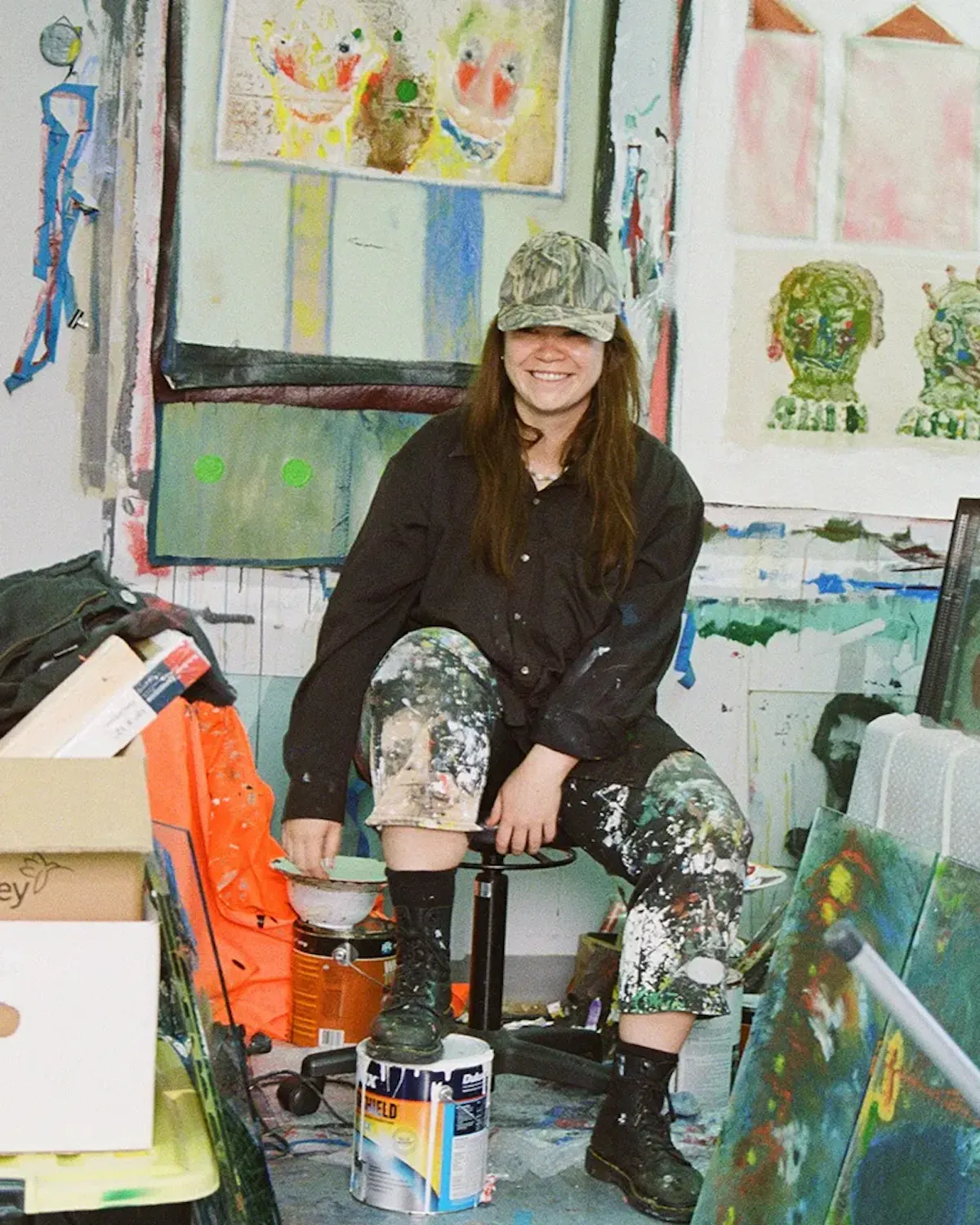
Hannah Ireland
Stuck in the mud
13 May — 5 June
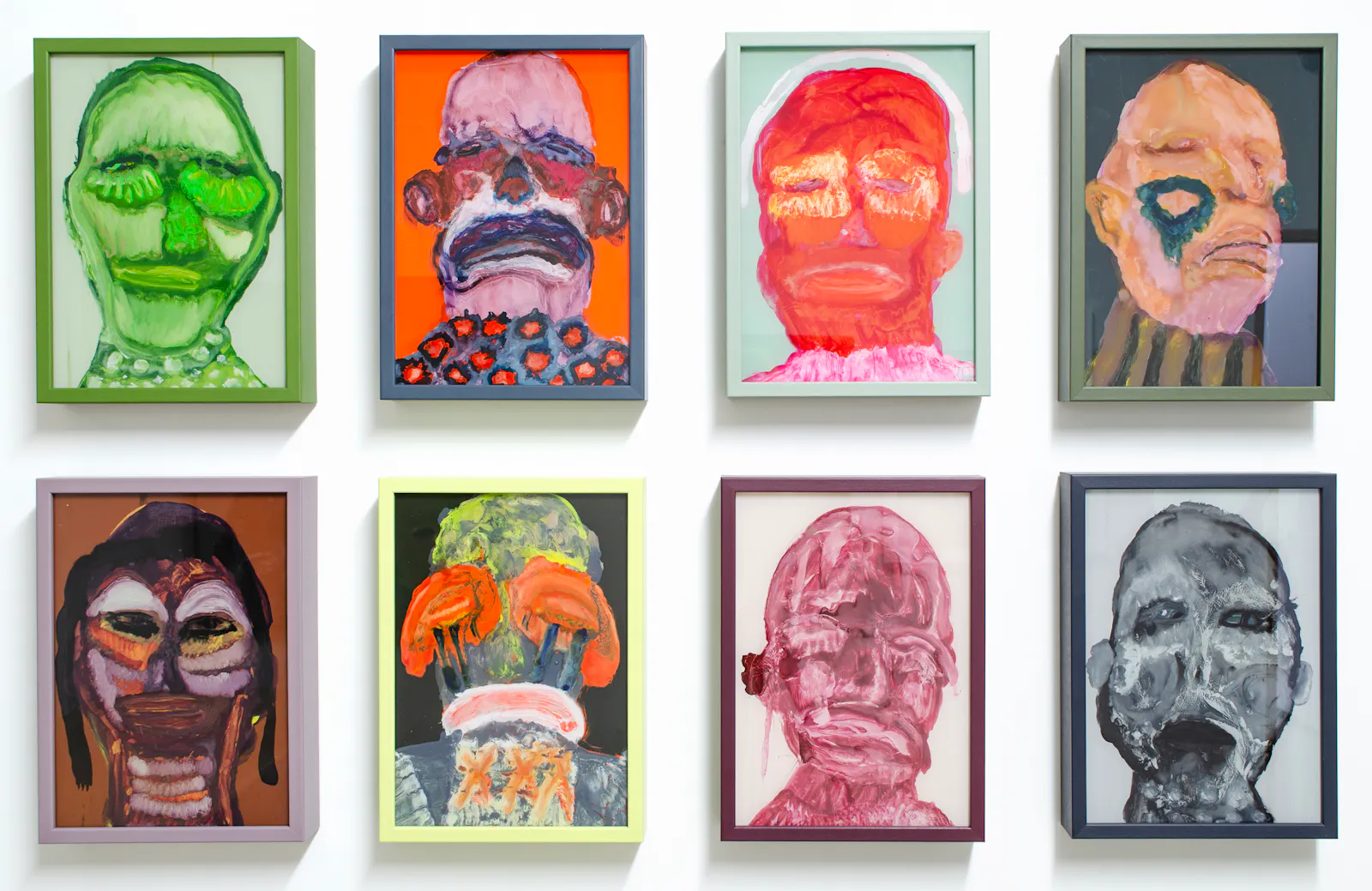
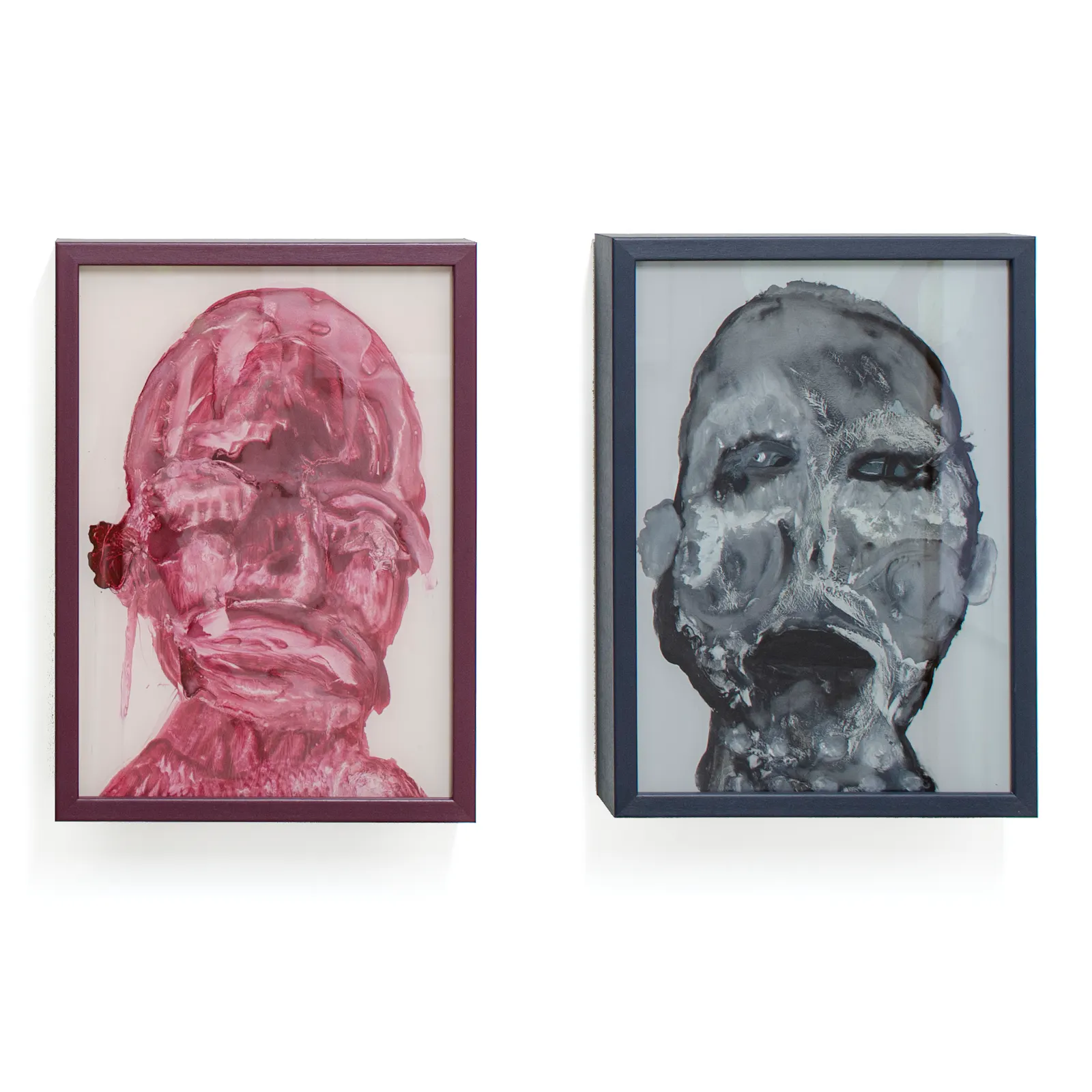
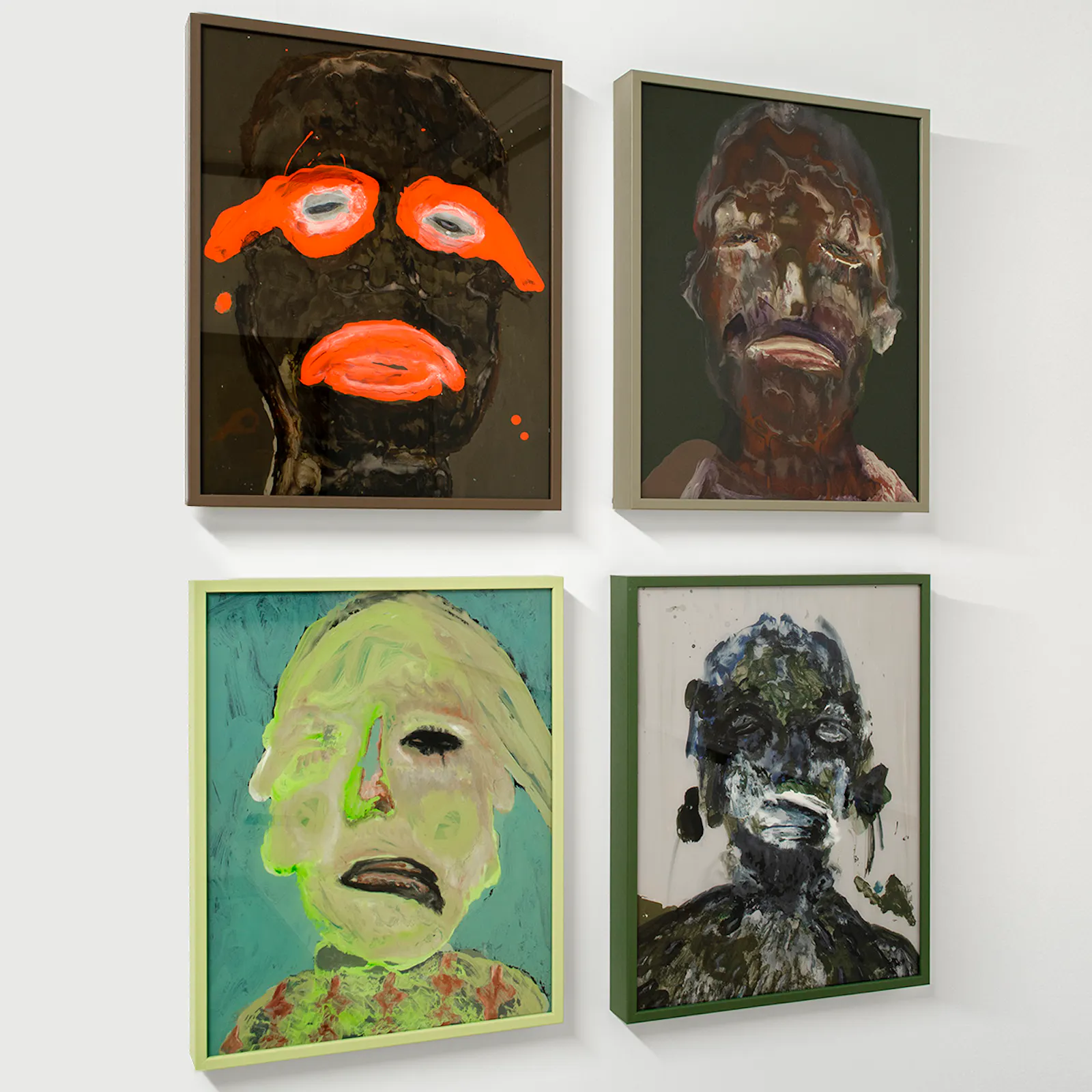
Hannah Ireland makes faces. As children, we liked making faces too. Although we were told to be careful with the habit, because, if the wind changed, the face would stick! As a cultural value not pulling faces is pretty boring. It doesn’t seem to serve much of a purpose beyond encouraging decorum and conformity. What is interesting, however, is the idea that in transgressing this norm we risk invoking terrible consequences — that there’s a serious cost to letting a cool face slip. In the world of this idiom, Ireland is the wind. Her painting and sculpture freeze the faces that have let loose their tight compositions and become something else, if just for a moment.
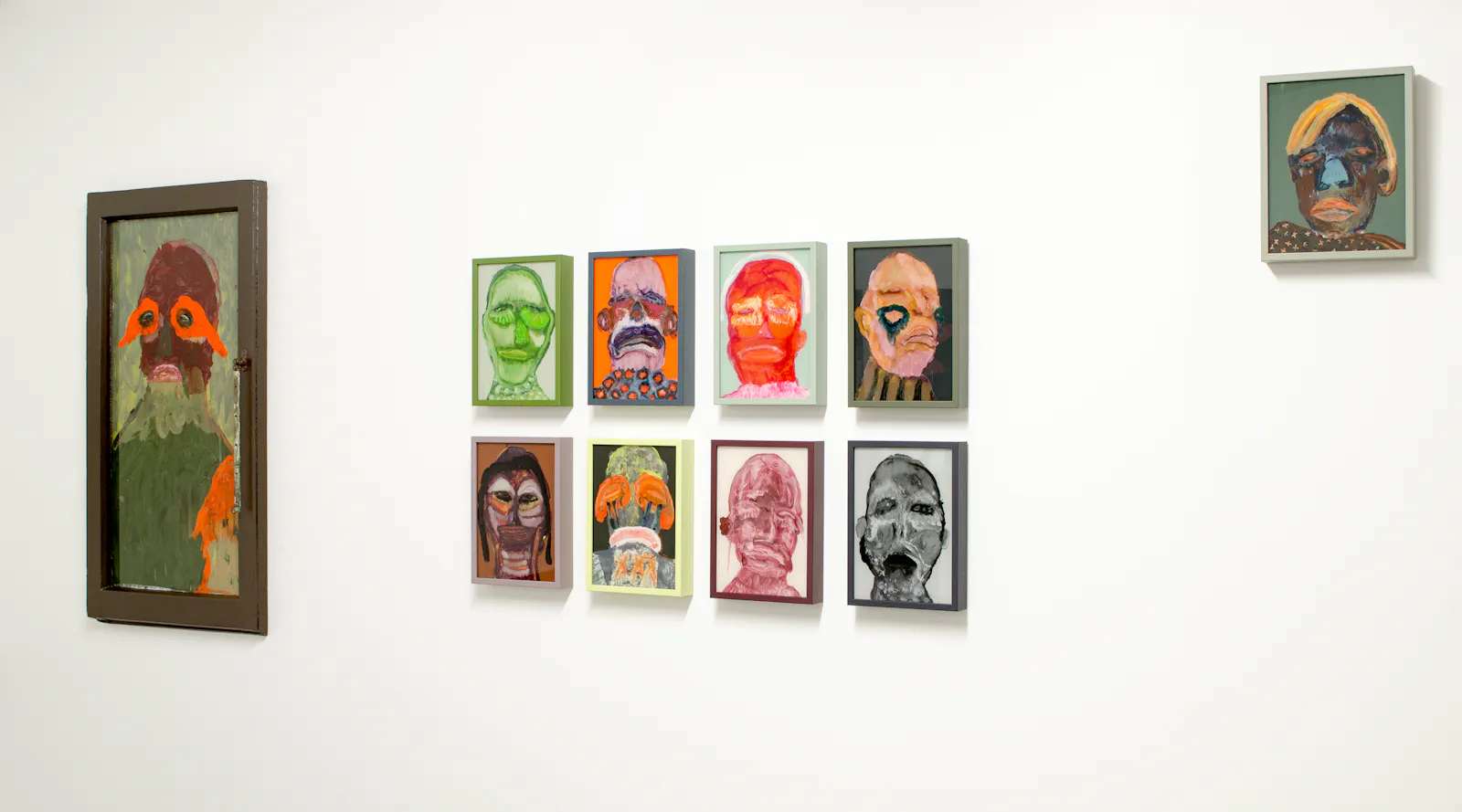
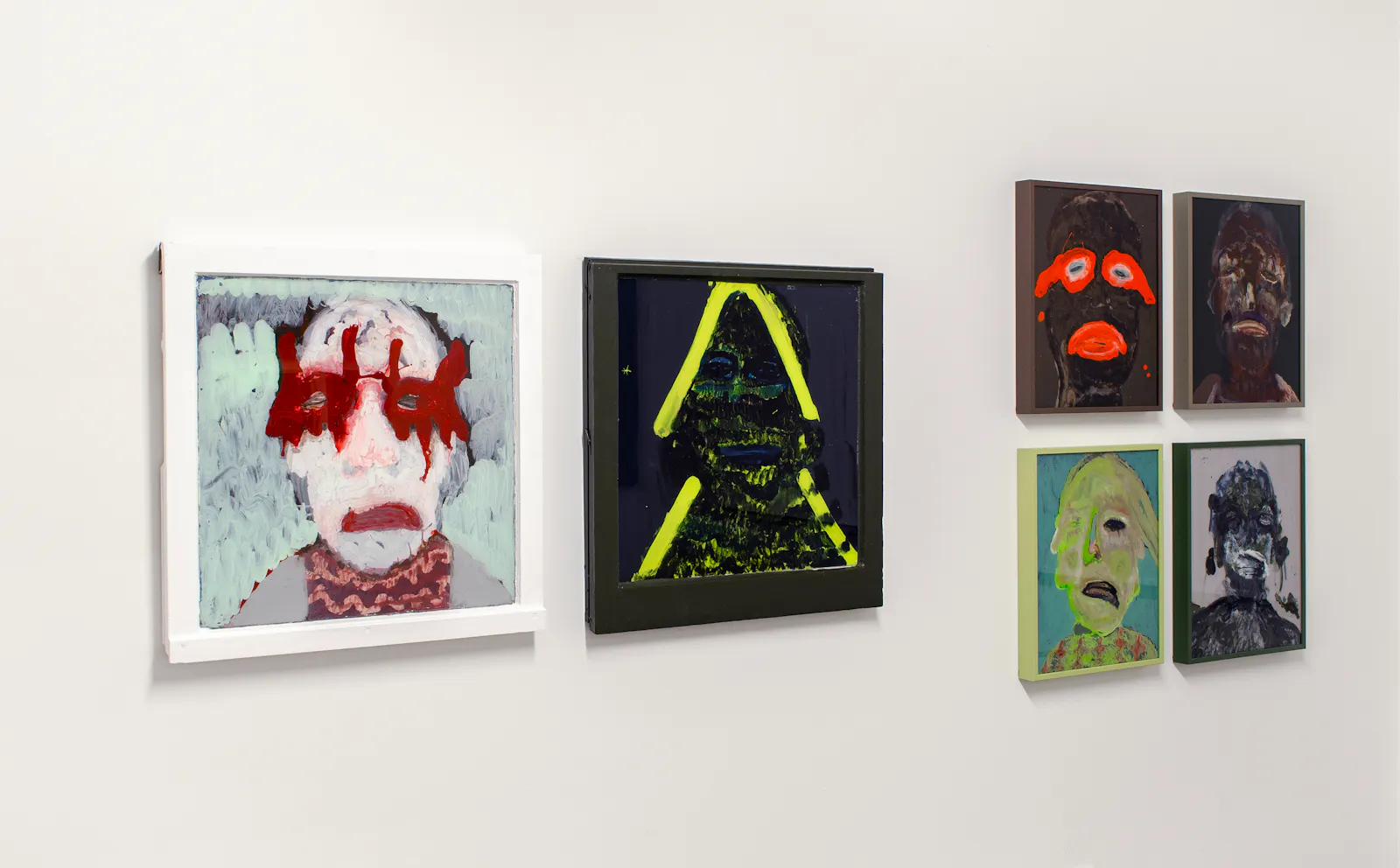
Ireland works on glass. She makes faces that emerge from watercolour washes and impasto smudges and smears. They’re made to be viewed from the reverse — portraits declared in a half-turn. Several of the faces rebel against their supports, some are quiet and content, a few peer longingly out from the closed windows. Some do, in fact, stare from real window frames, taken from their original context and made into art objects.
Within her portraits are the exaggerated flourishes of an eyelash, glasses, lipstick, tinted brows, the beads of a necklace, the patterns of a shirt. They are emotive — sad, hurt and confused or confident, aloof, questioning. Ireland’s artworks consider how we construct, revise and reassemble our images to suit different needs, different contexts, different people.
Hannah Ireland is an emerging artist from Tāmaki Makaurau, Aotearoa (NZ) and is of Māori and Pakeha descent. She holds a Bachelor of Arts (Psychology) and a Bachelor of Fine Arts from the University of Auckland. Ireland recently won the Supreme award at the Molly Morpeth Canaday Awards in Whakatane and is a finalist in the inaugural King Tūheitia Portraiture Award at the New Zealand Portrait Gallery.
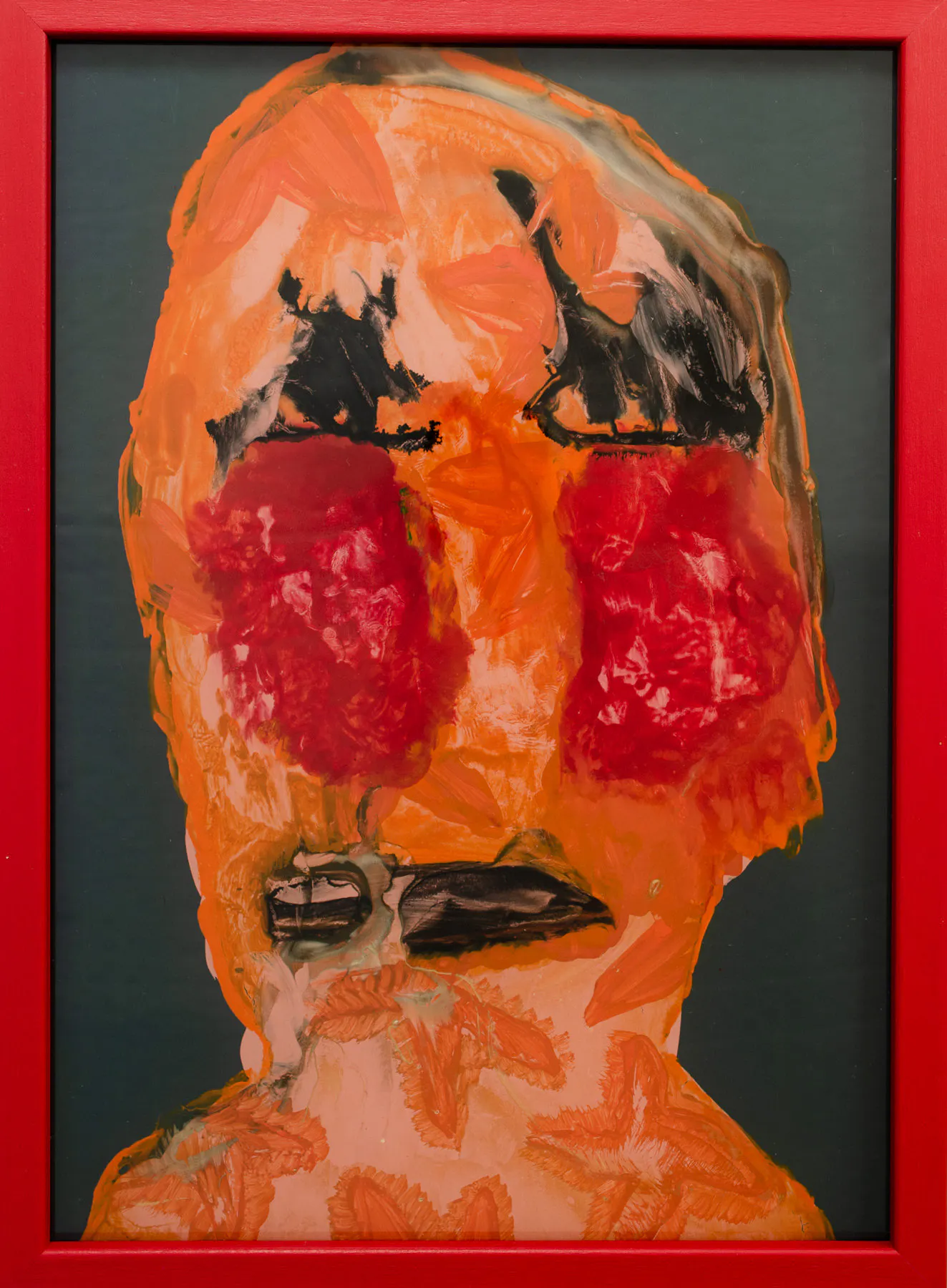
How do you celebrate, 2021
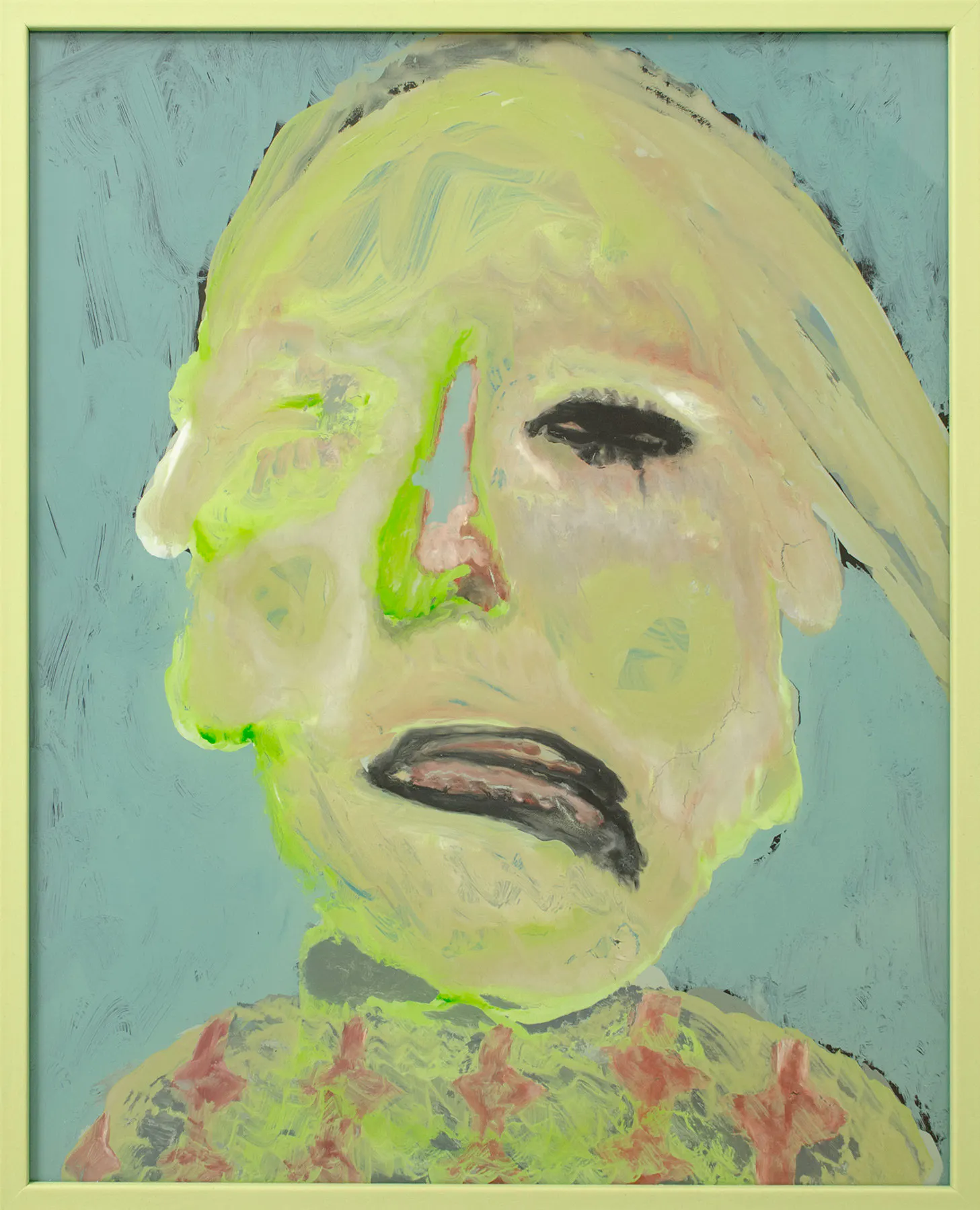
Something about the way I felt when I woke up, 2021
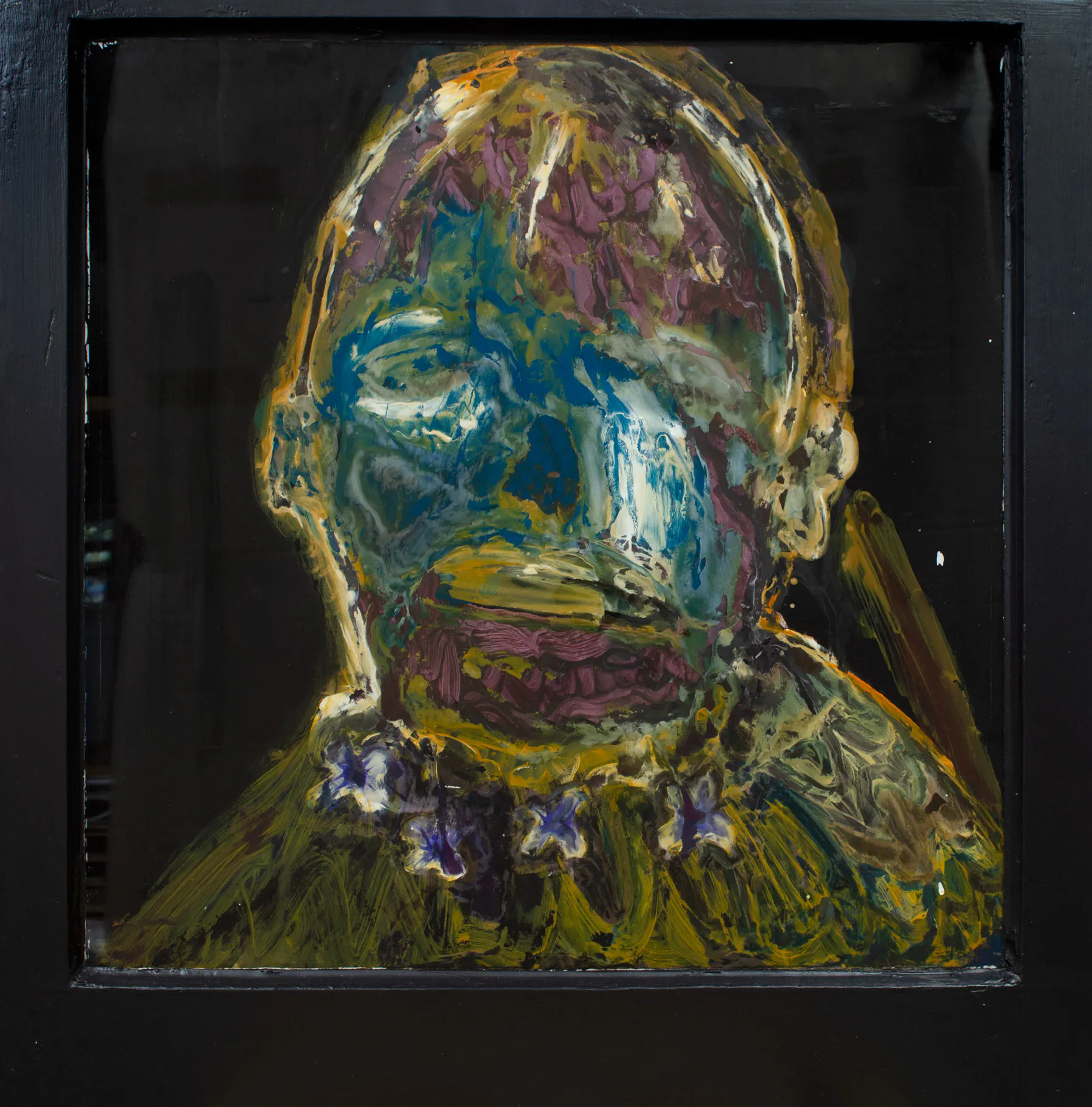
Sneak peek, 2021
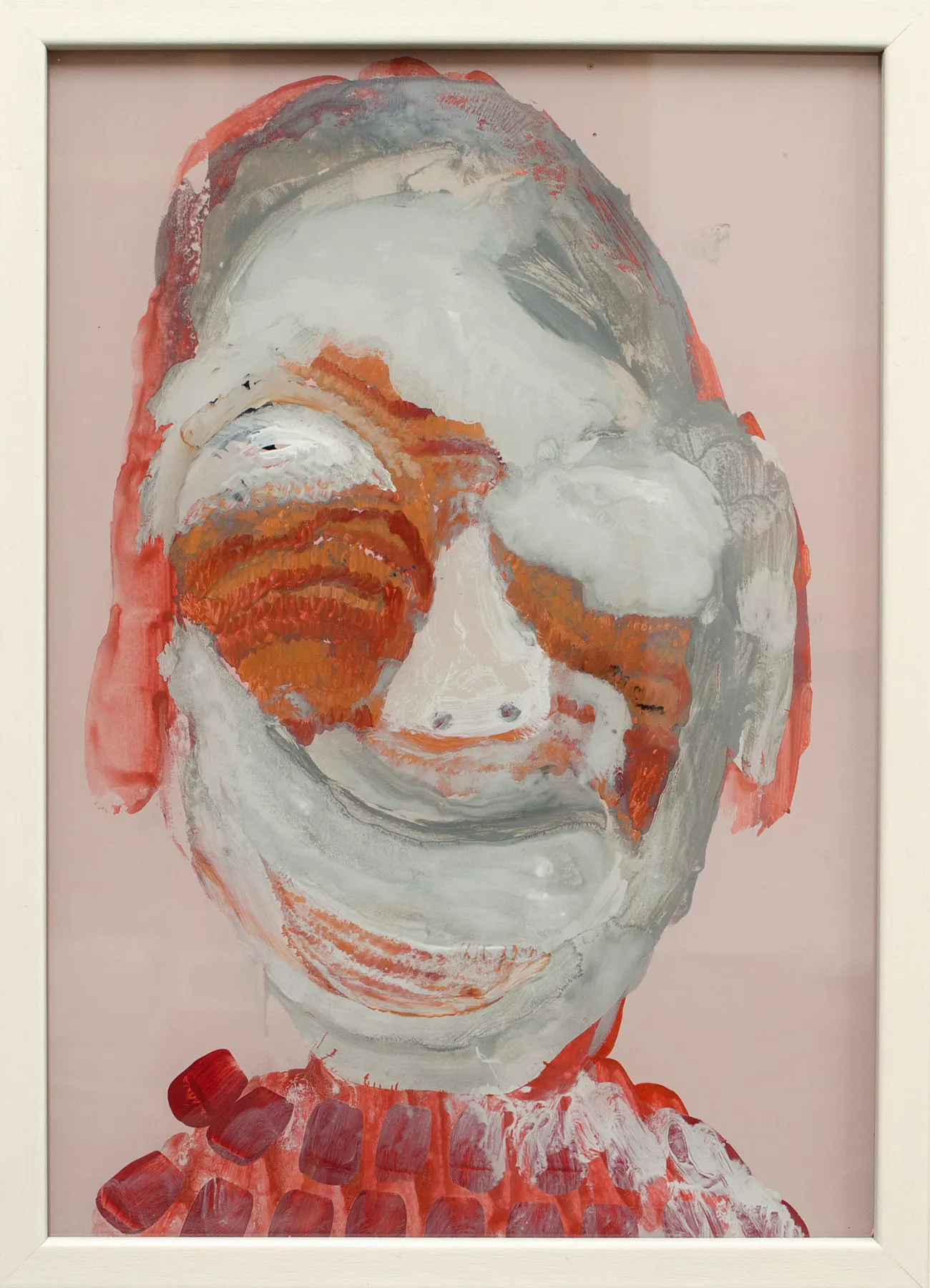
If only, 2021
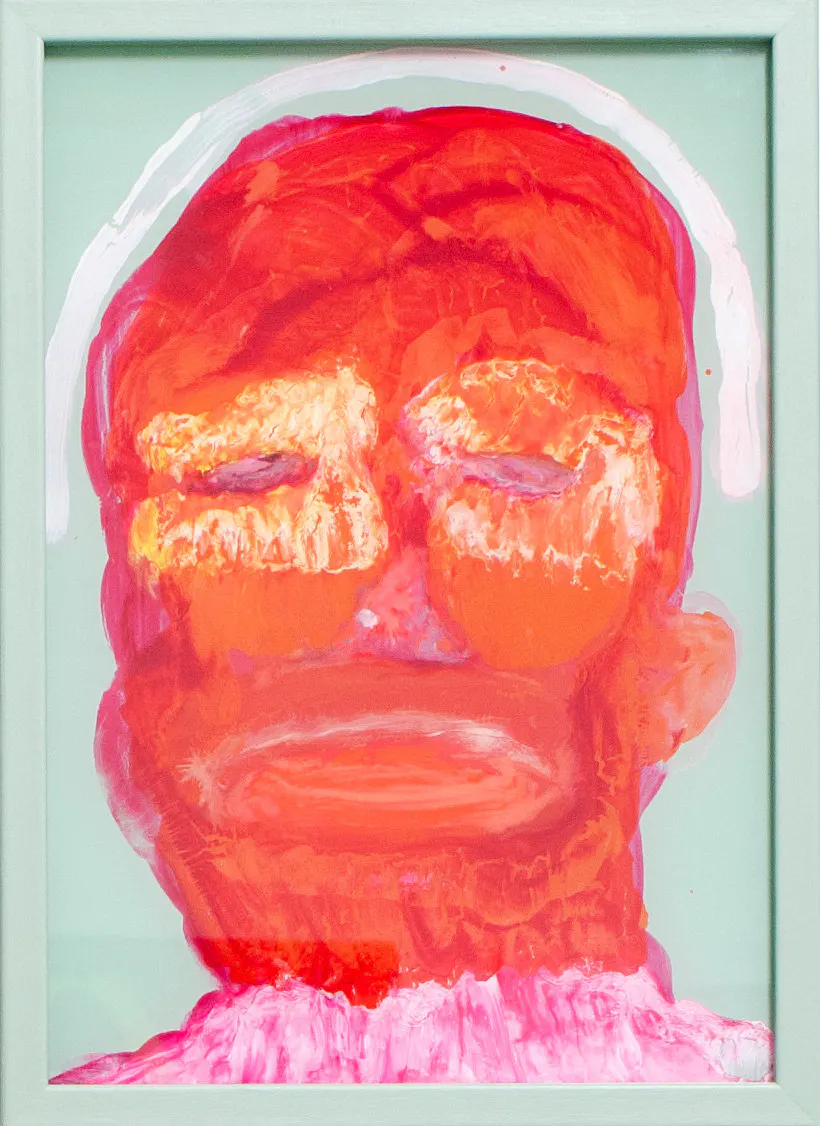
Stare at me goggles, 2021
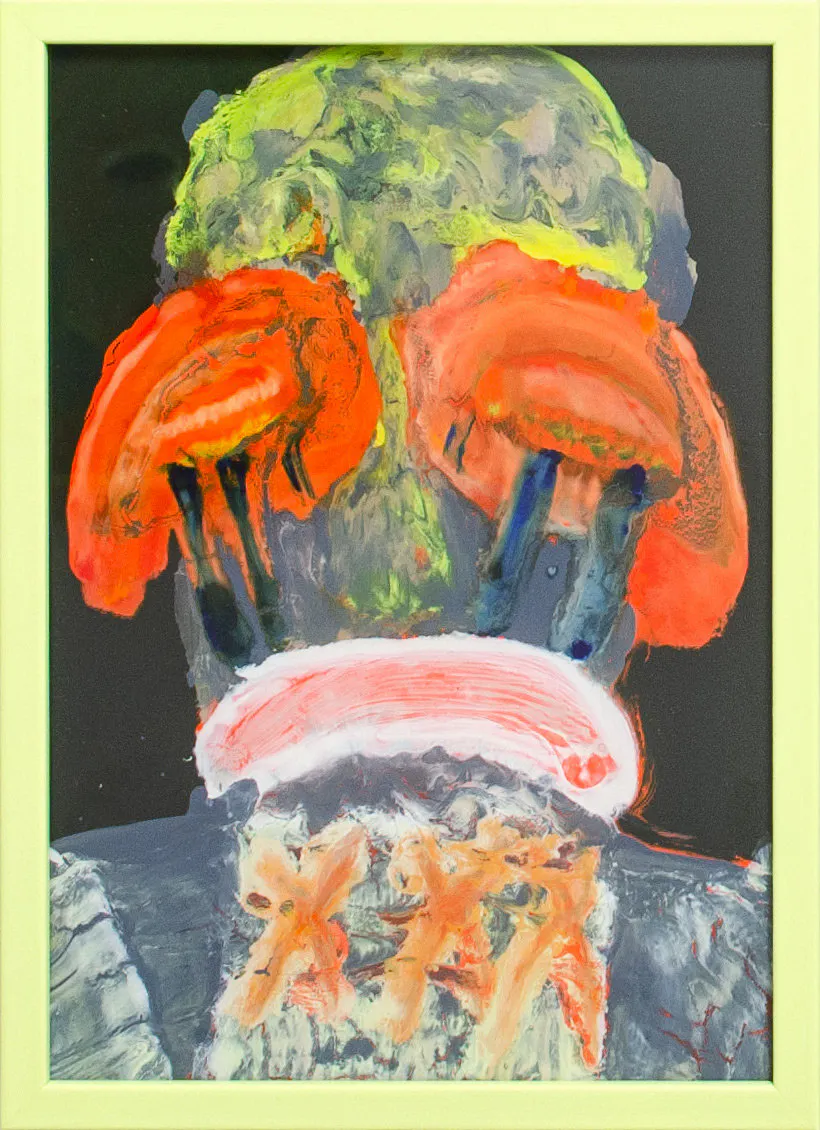
Left me low in the car park with my high…, 2021
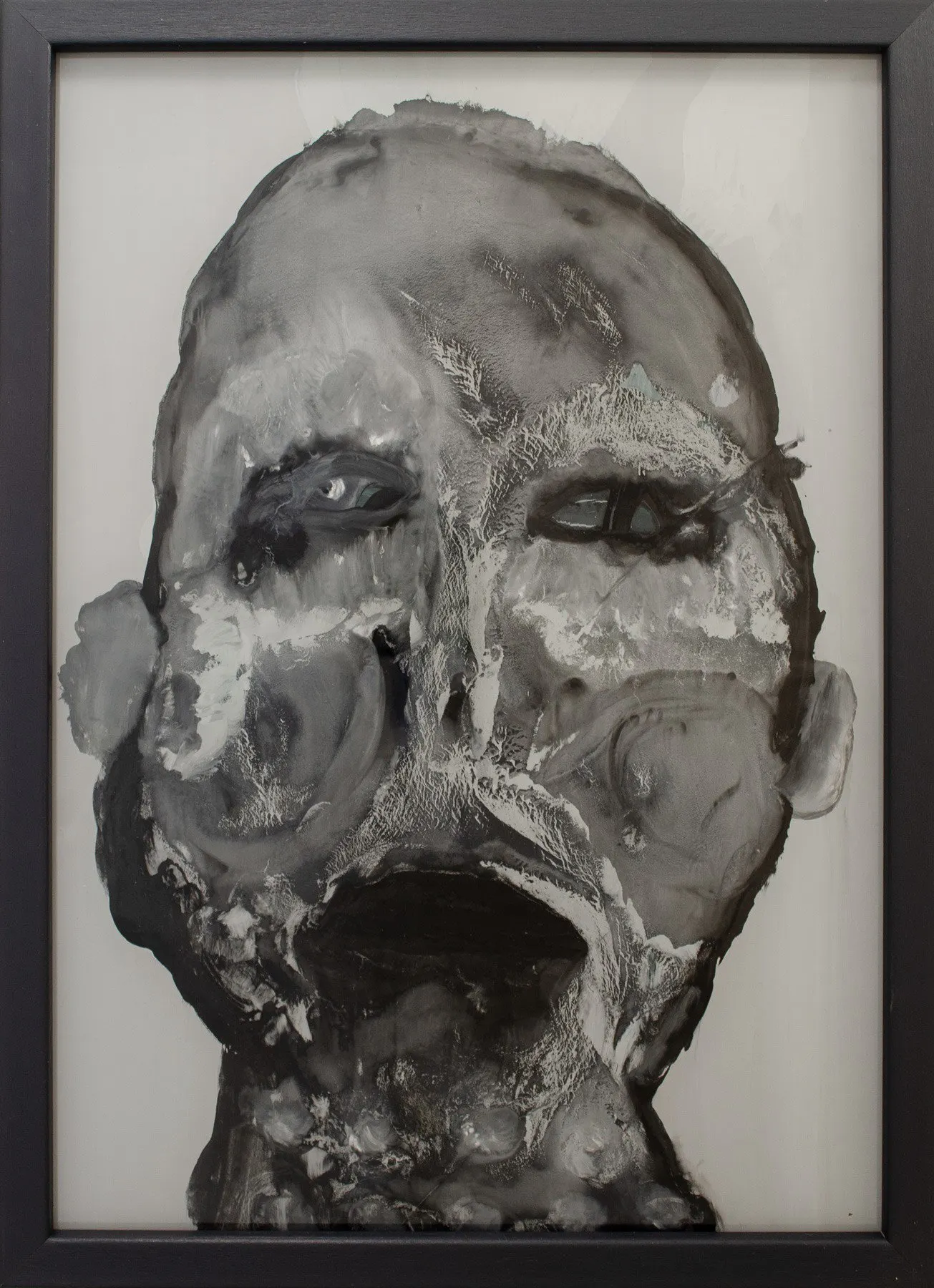
Supposedly I’m unhappy now, 2021
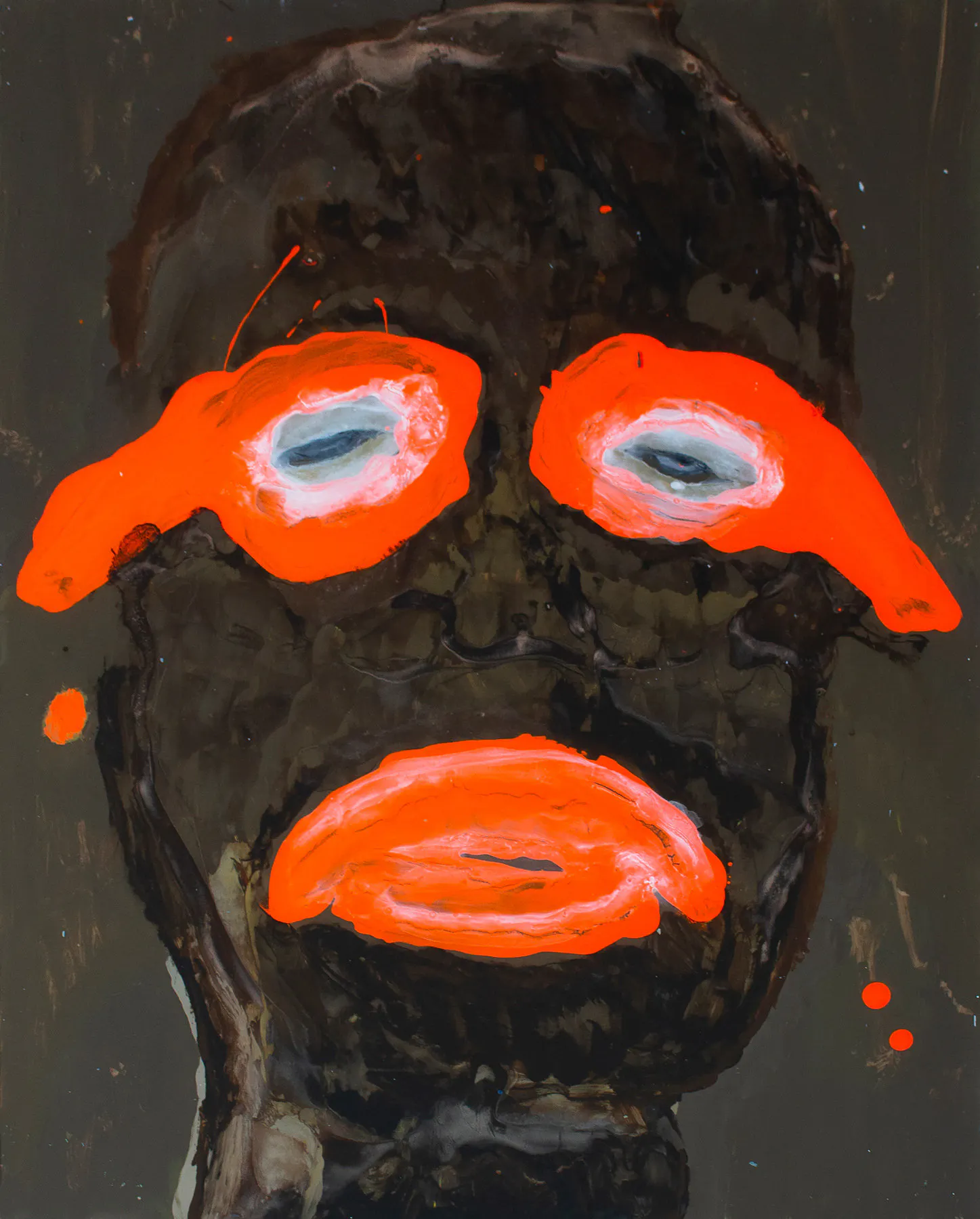
Hannah Ireland, Tell me about it, 2021
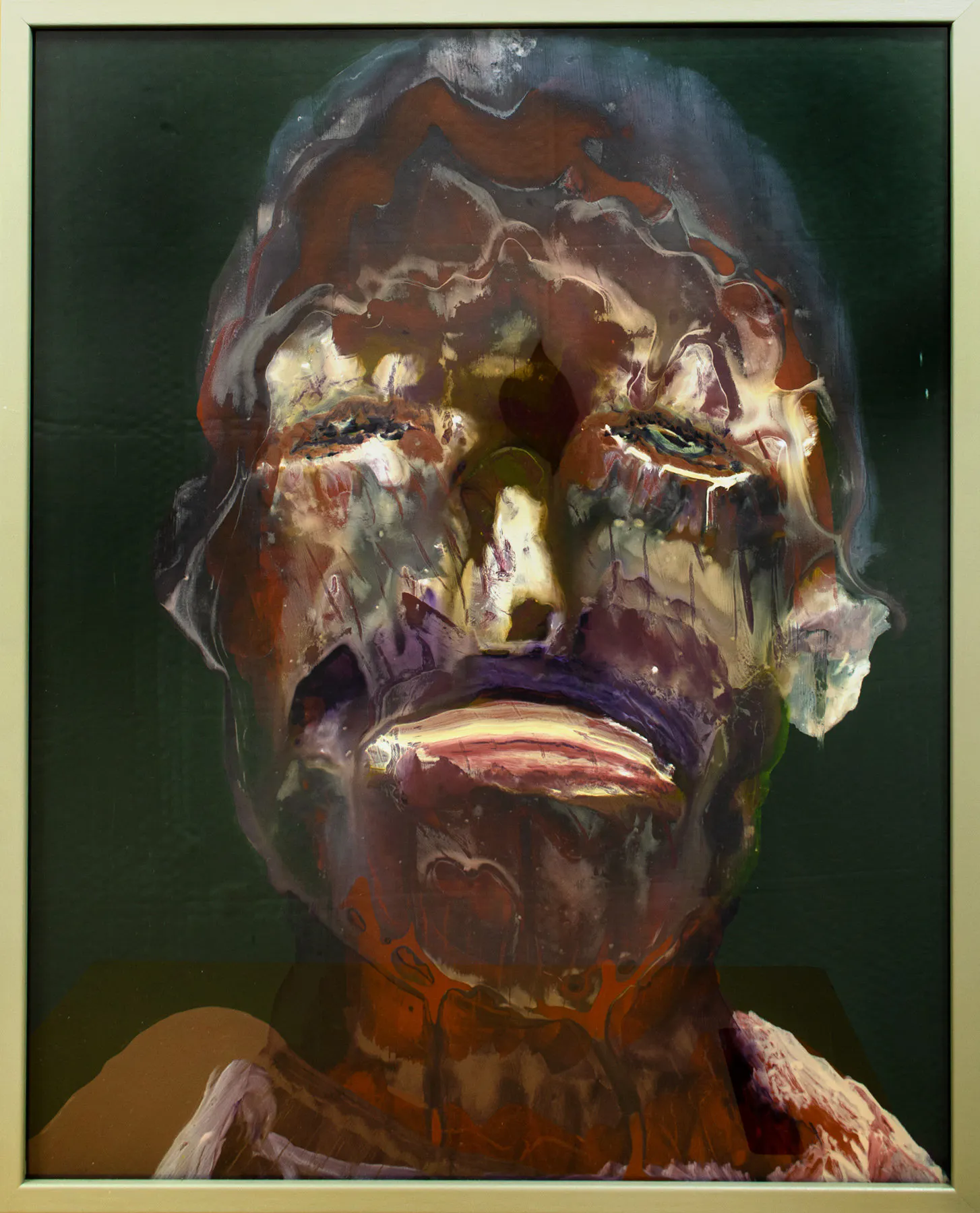
Hoping the reflection will tell me something, 2021
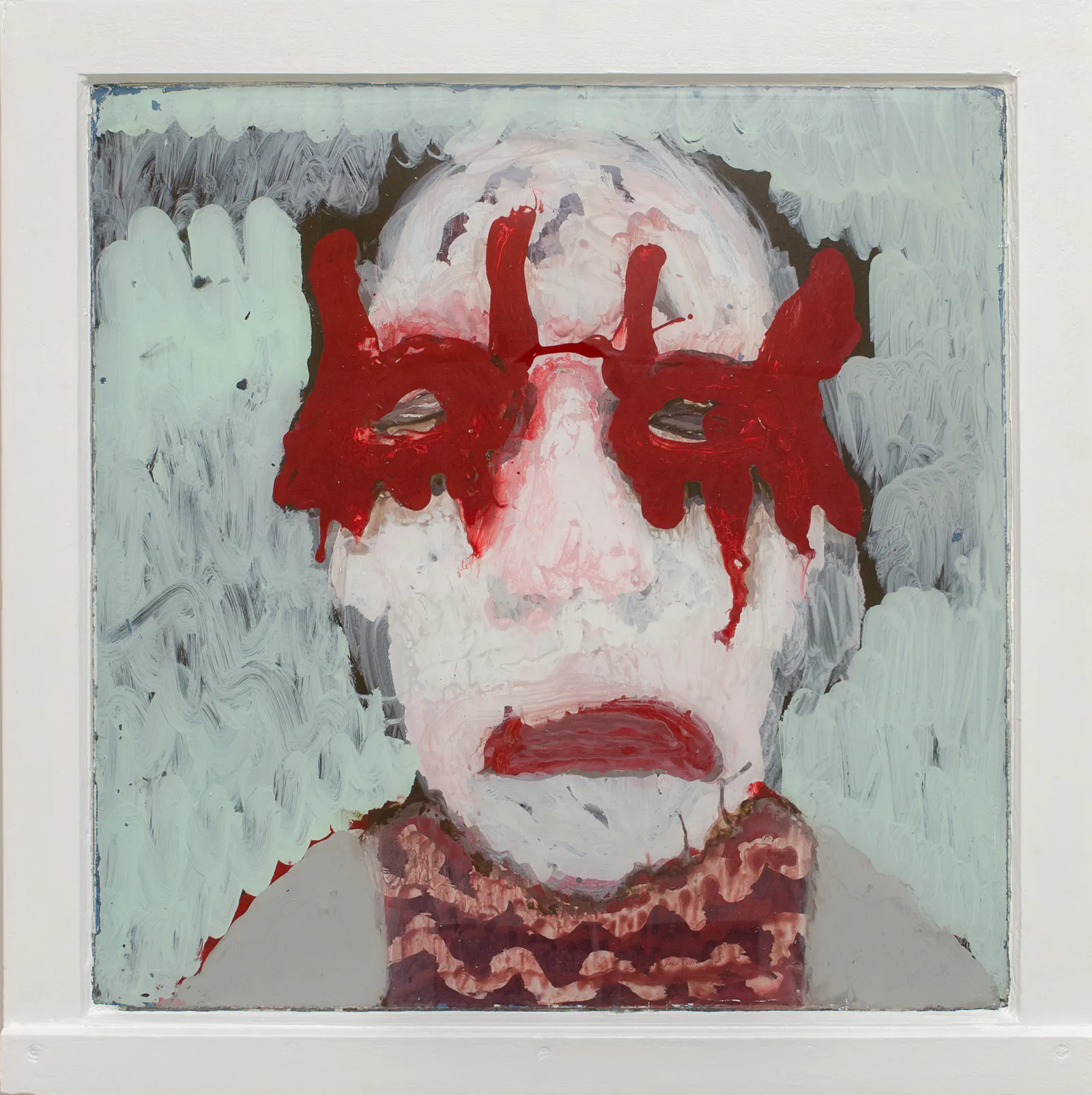
In a thread of bubbles, 2021
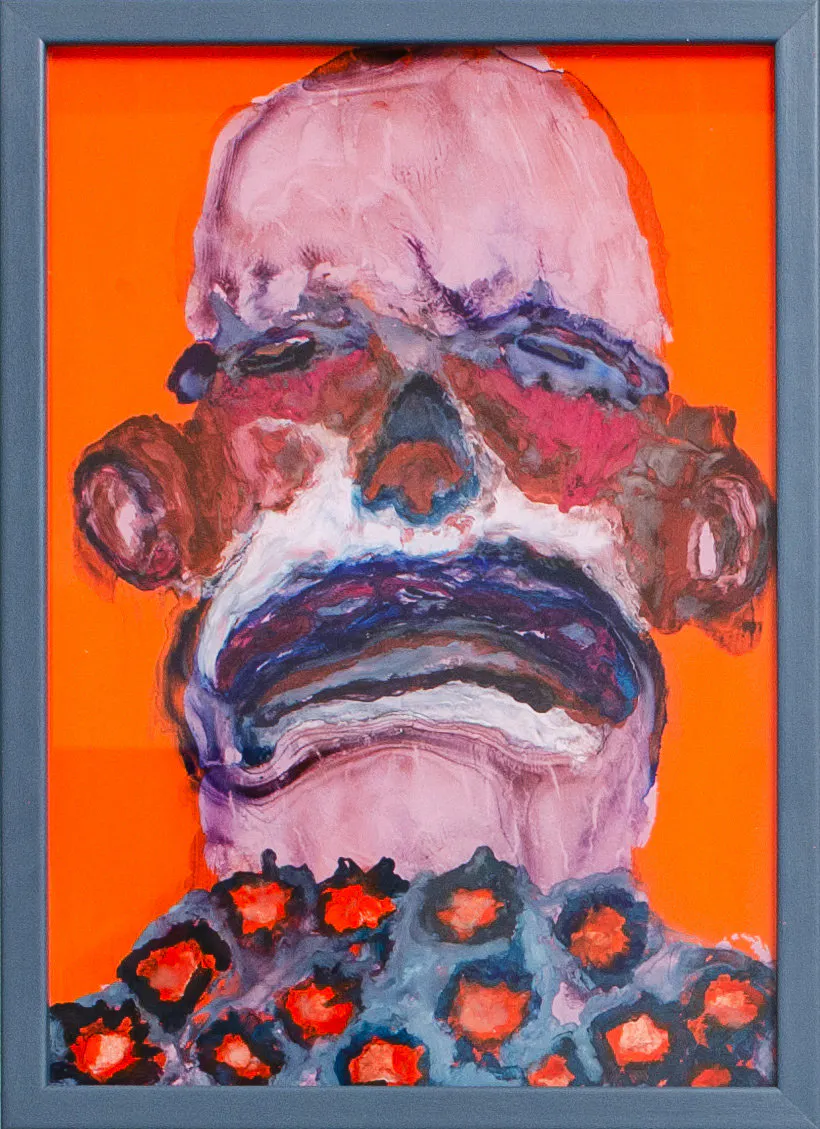
Hot traffic, 2021
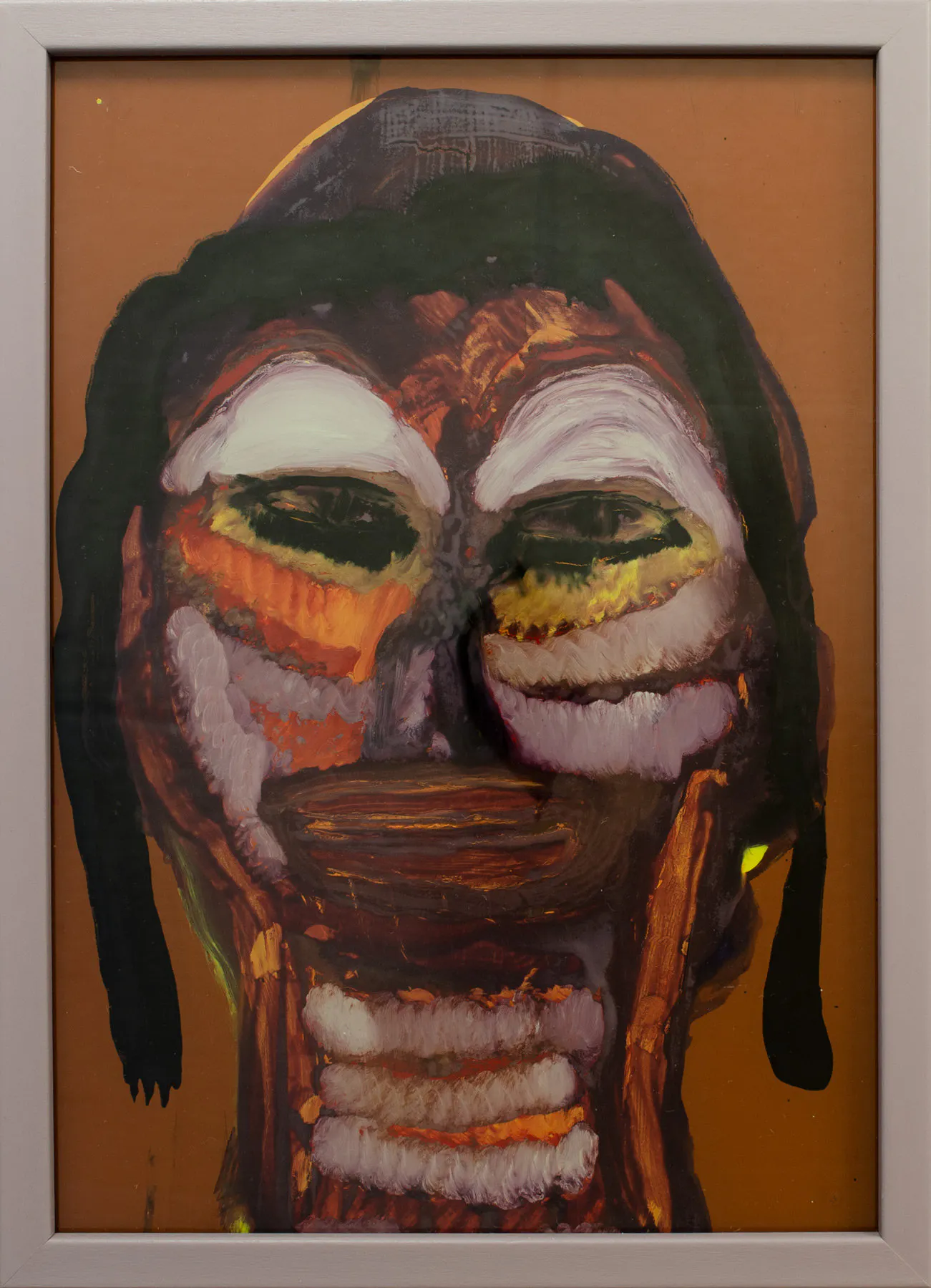
Pretend it makes sense, 2021
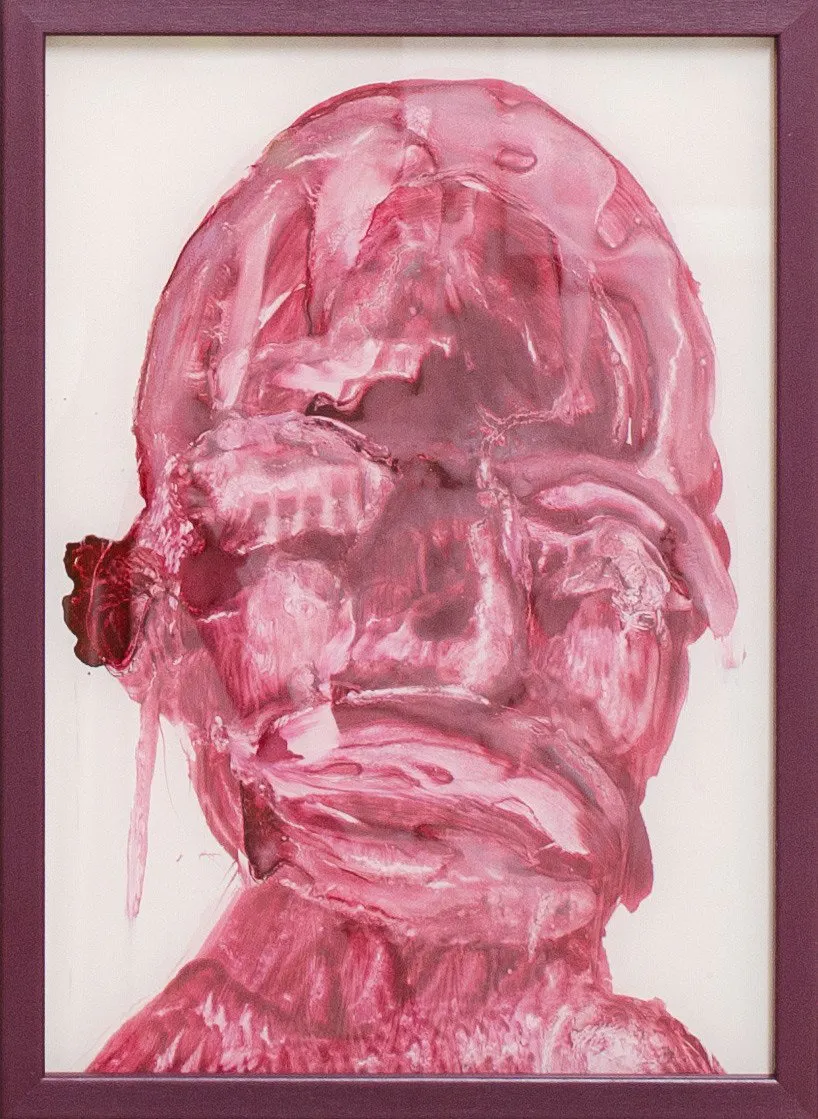
Terrible timing, 2021
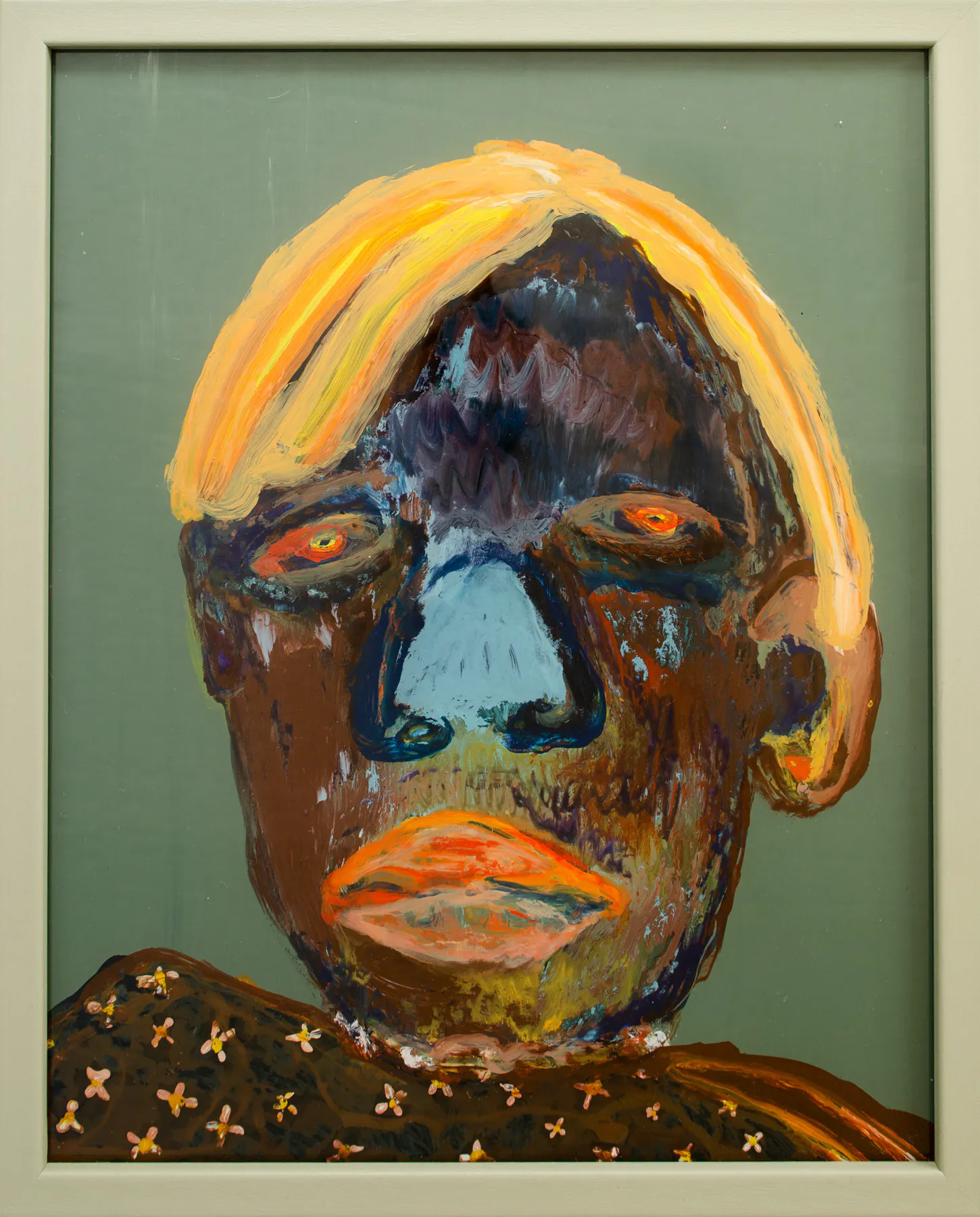
I don’t believe I know you, 2021
Hannah Ireland makes faces. As a child, I liked making faces too. But mum told me to be careful with the habit because, if the wind changed, my face might freeze and leave me gurning for eternity. This warning was often accompanied by a picture book in which a boy—befreckled and ginger as I—is ensnared by this curse. As a cultural value, keeping a straight face is pretty boring. It doesn’t seem to serve much of a purpose beyond encouraging decorum and conformity. What is interesting, however, is the idea that in transgressing this norm we risk invoking terrible consequences—that there’s a serious cost to letting a cool face slip. In the world of this idiom, Ireland is the wind. Her painting and sculpture freeze the faces that have let loose their tight compositions and become something else, if just for a moment.
Ireland works on glass. She makes faces that emerge from watercolour washes and impasto smudges and smears. They’re made to be seen in reverse—portraits declared in a half turn. Her colour palette comes from snap-locked leftovers long abandoned at the back of the fridge. In mouldy greens and browns and oranges and whites the faces rebel against their supports, trying to make their way out from so many closed windows. Some do, in fact, stare from literal window frames taken from their context and made into art objects. Some have even completed their escape—squishy voyeurs extracted from the glass and hardened into ceramic sculpture.
Showing one of Ireland’s paintings to a friend, she replied that it reminded her of ‘you know... those discombobulated Renaissance vege-portraits’. A reference that could only have been to Giuseppe Arcimboldo, the sixteenth-century Milanese portrait painter who conjured fantastical people out of discrete themed objects like flowers, books, or vegetables. I’m not sure how well the comparison holds aesthetically, but there is an understanding about the construction of faces—especially faces in public—that Ireland shares with the Renaissance painter.
Portraiture has always been more about the construction of an ideal than a true reflection of its subject. But Ireland’s artworks ask us to expand this dynamic well past the boundaries of a frame and into its infinite expressions in our daily lives—to how we construct and revise and reassemble our images to suit different needs, different contexts, different people. Endless combinations of the relationship between artist and subject, wherein our images emerge from a marriage of looking and being looked at.
In her portraits you can see the exaggerated flourishes of an eyelash, glasses, make-up, lipstick, tinted brows, the beads of a necklace, the patterns of a shirt. But these constructions are also more than just the accumulation of props. We shift expression, change the register of our voices or the inflection of certain words. We hold our faces in different smiles and frowns and serious furrowed nods to show that we’re definitely listening. Ireland’s faces do this too. Their distended and engorged features magnify usually subtle changes into an extreme. Taken together they build up the constituent parts of constructed roles—the prosaic, contemporary equivalents of Giuseppe’s veges.
I don’t read these portraits as the finished, polished masks of their subjects, but as faces unwillingly caught at points of transformation and becoming in between different roles. They are moments captured in a flash-bulbed instant of characters that live most of their lives looking entirely different. They’re us, caught by the changing wind in moments when our finely curated facial postures fleetingly disassemble. The moments when our features frantically dissolve and recombine as we move from one social setting to another—switching faces and codes in an automatic reset to suit new expectations.
Sometimes they’re the moments on busses and trains when, in the confounding privacy of a packed carriage, a crafted face softens and melts away. They’re vulnerable, but that’s nothing to despair about. Some are sad and gloomy, yes, but others—unarmed and wide open—are proud, silly, daring, confident, utterly content. And so I can’t see Ireland’s portraits as aspirational postures or ones to be reviled—they really just are. They’re moments, stuck between clear panes and white walls.
In the picture book, the boy—befreckled and ginger as I—is relieved of his endless snarling by the wind reversing course yet again. But only after his perma-gurn helps to avert a bank robbery, and saves his father’s life. There’s value to be found in making faces. There’s value to be found in between the faces we make. And there’s value in taking time with these postures, perhaps finding ourselves in them, frozen by a changing wind, caught behind glass.
**
Hannah Ireland is an emerging artist from Tāmaki Makaurau and is of Māori and Pakeha descent. She holds a Bachelor of Arts (Psychology) and a Bachelor of Fine Arts from the University of Auckland. Ireland recently won the Supreme award at the Molly Morpeth Canaday Awards in Whakatane and is a finalist in the inaugural Kiingi Tūheitia Portraiture Award at the New Zealand Portrait Gallery.