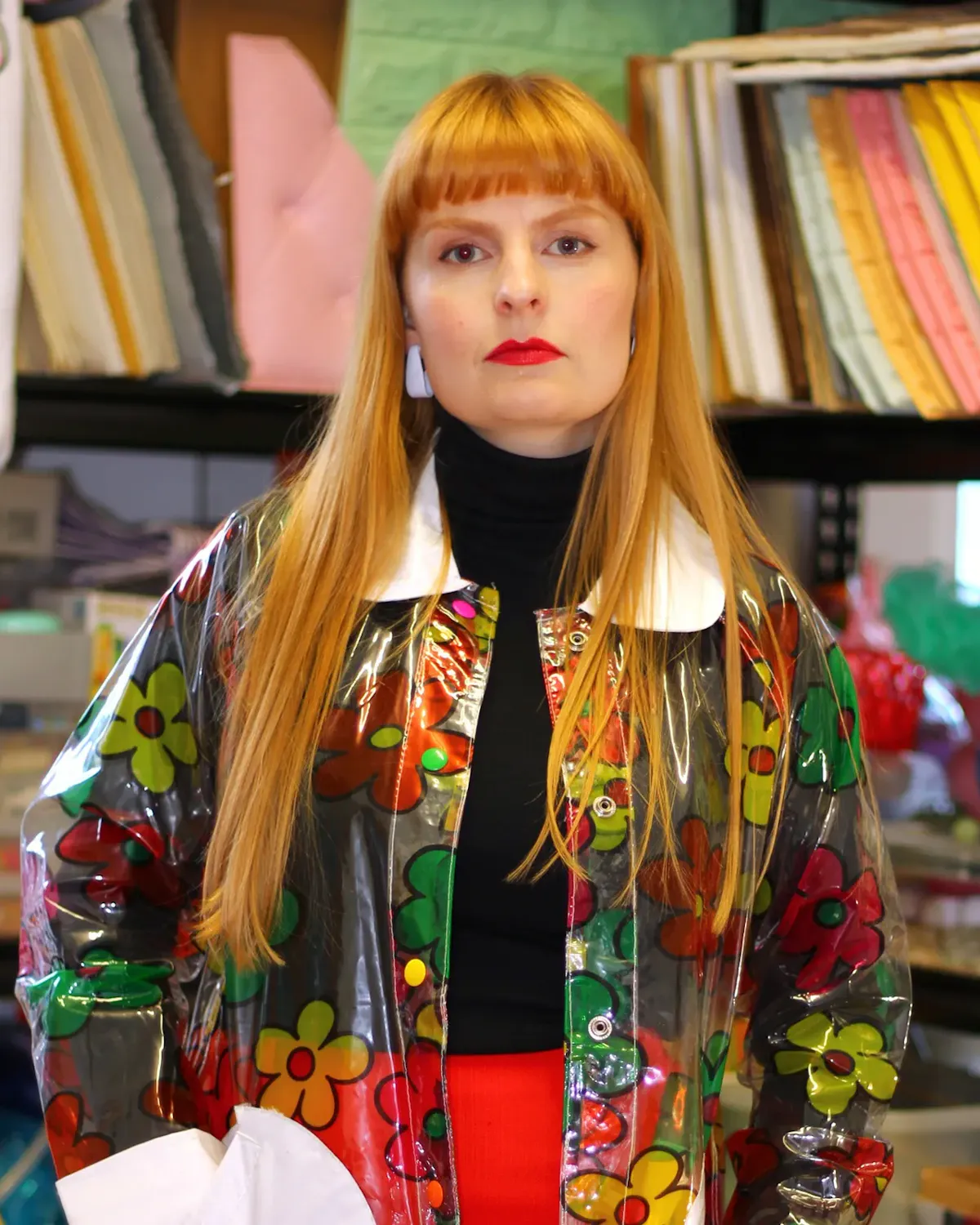
Emily Hartley-Skudder, CAMEO
Te Manawa Art Gallery
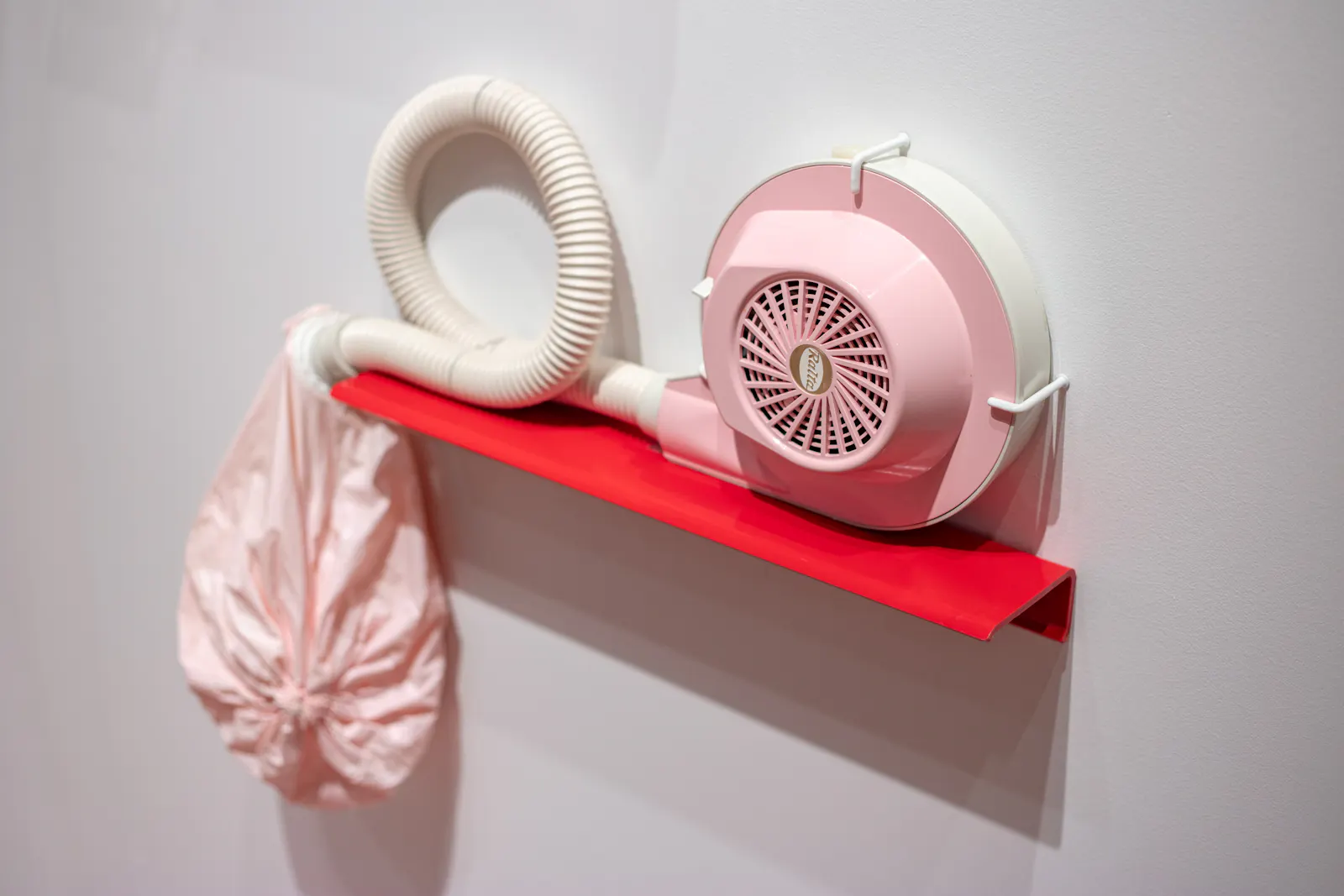
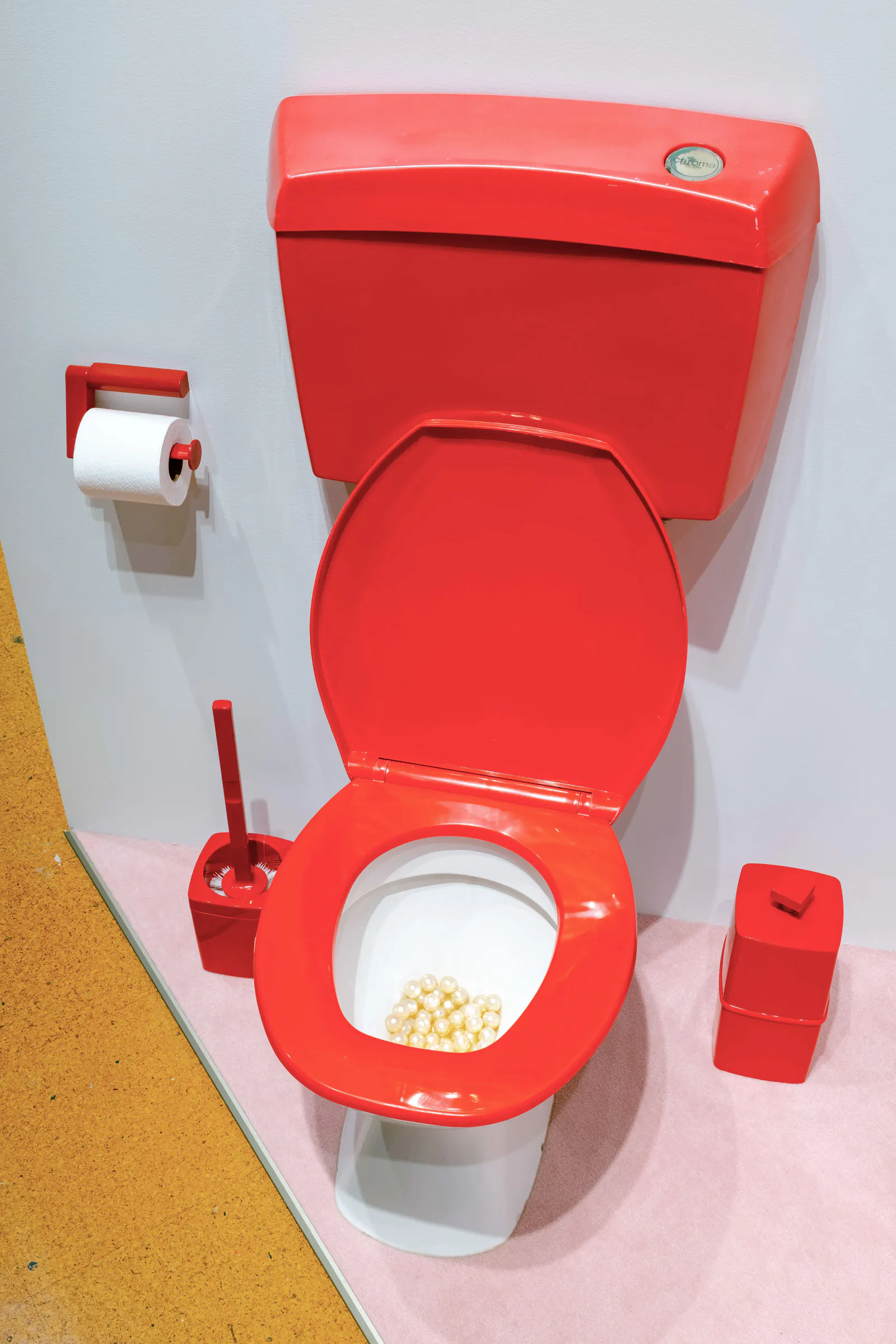
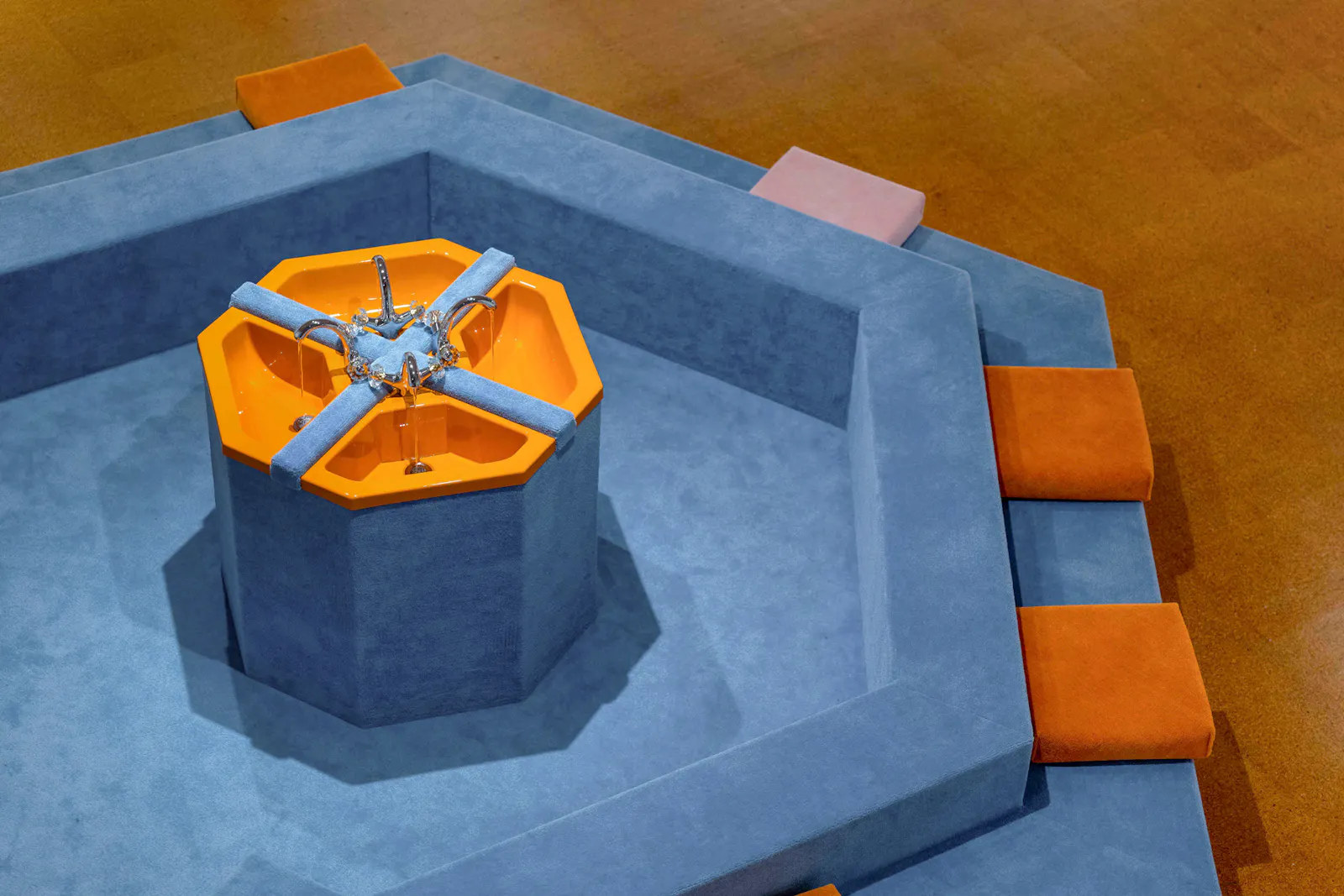
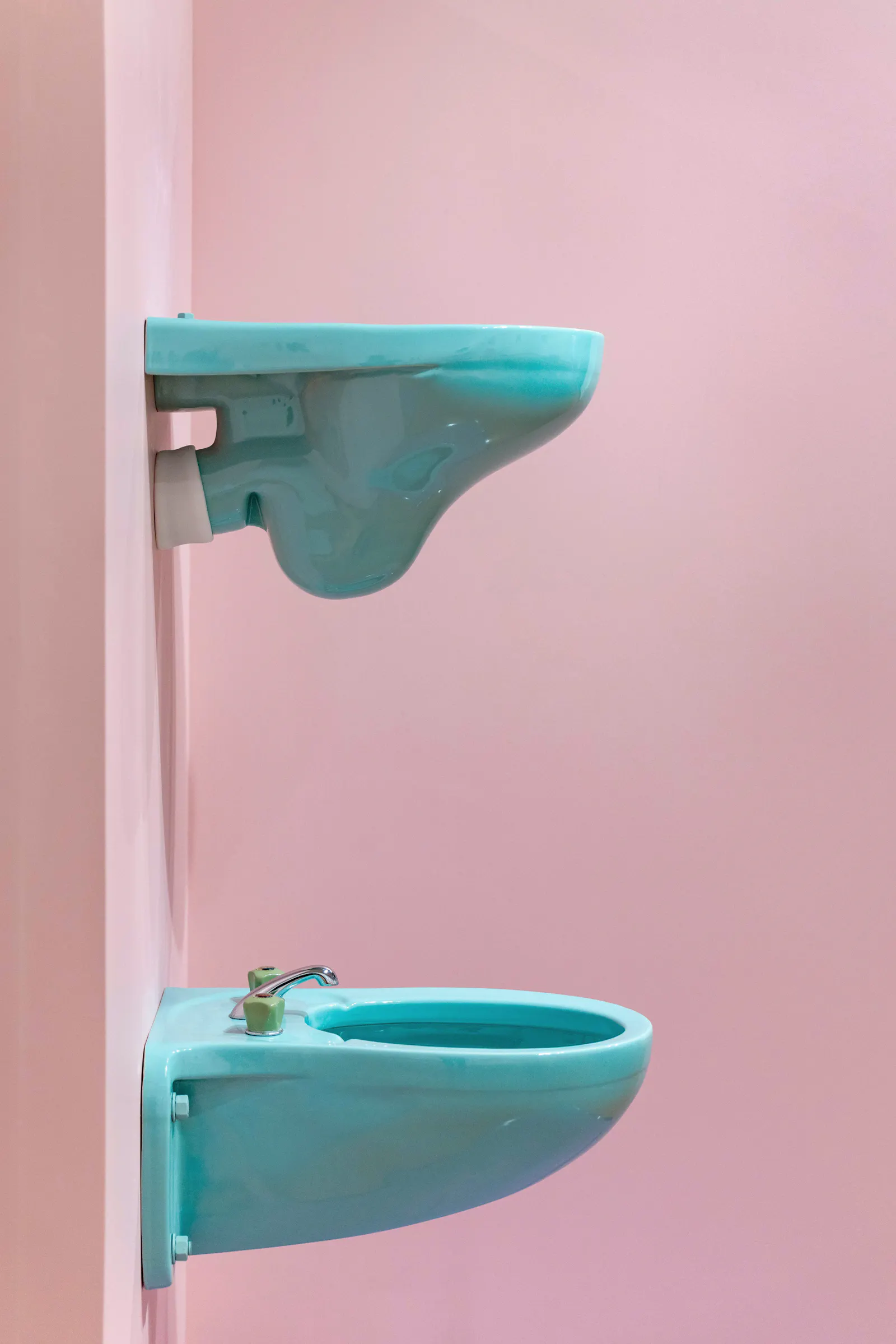
22 August — 4 July
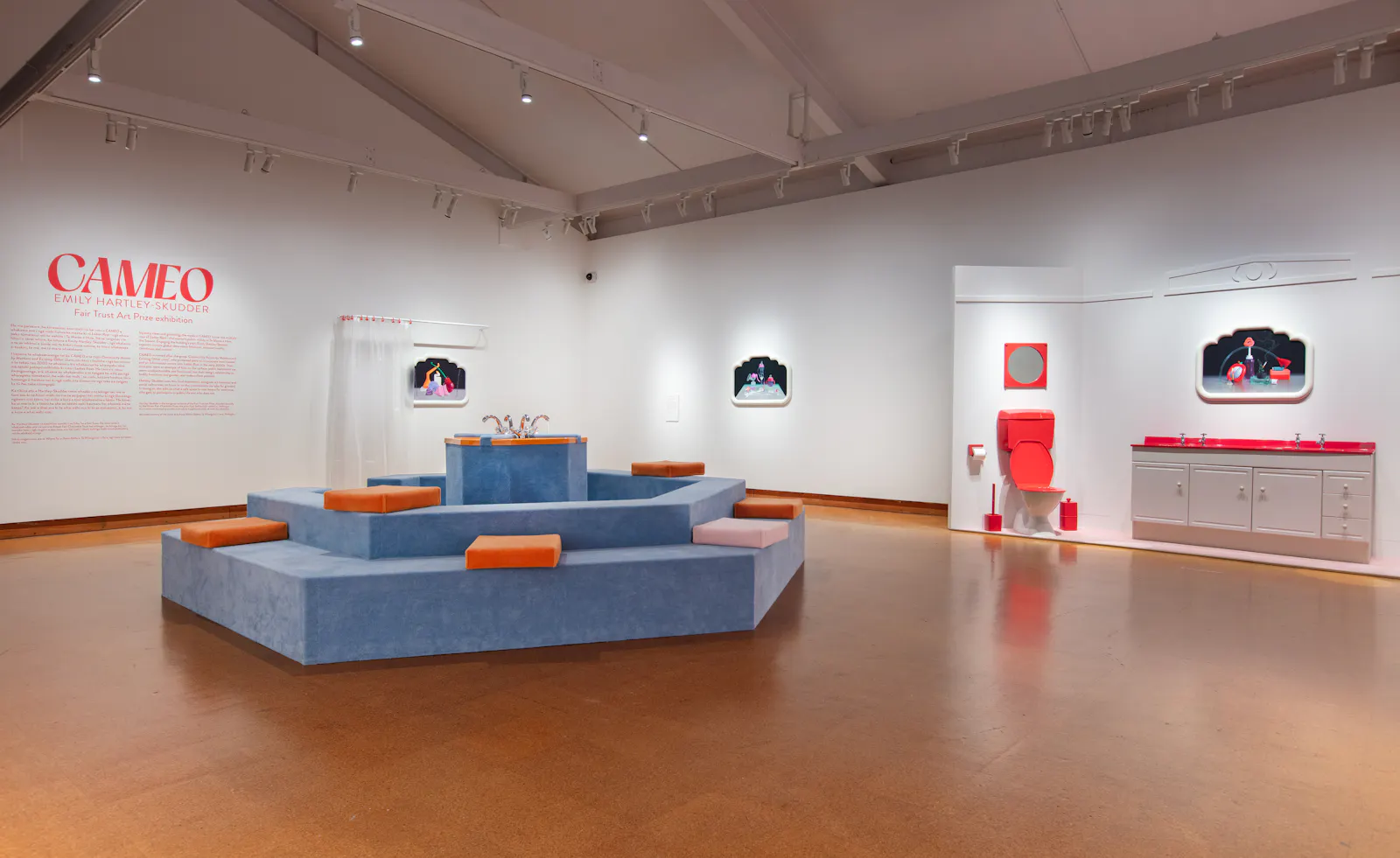
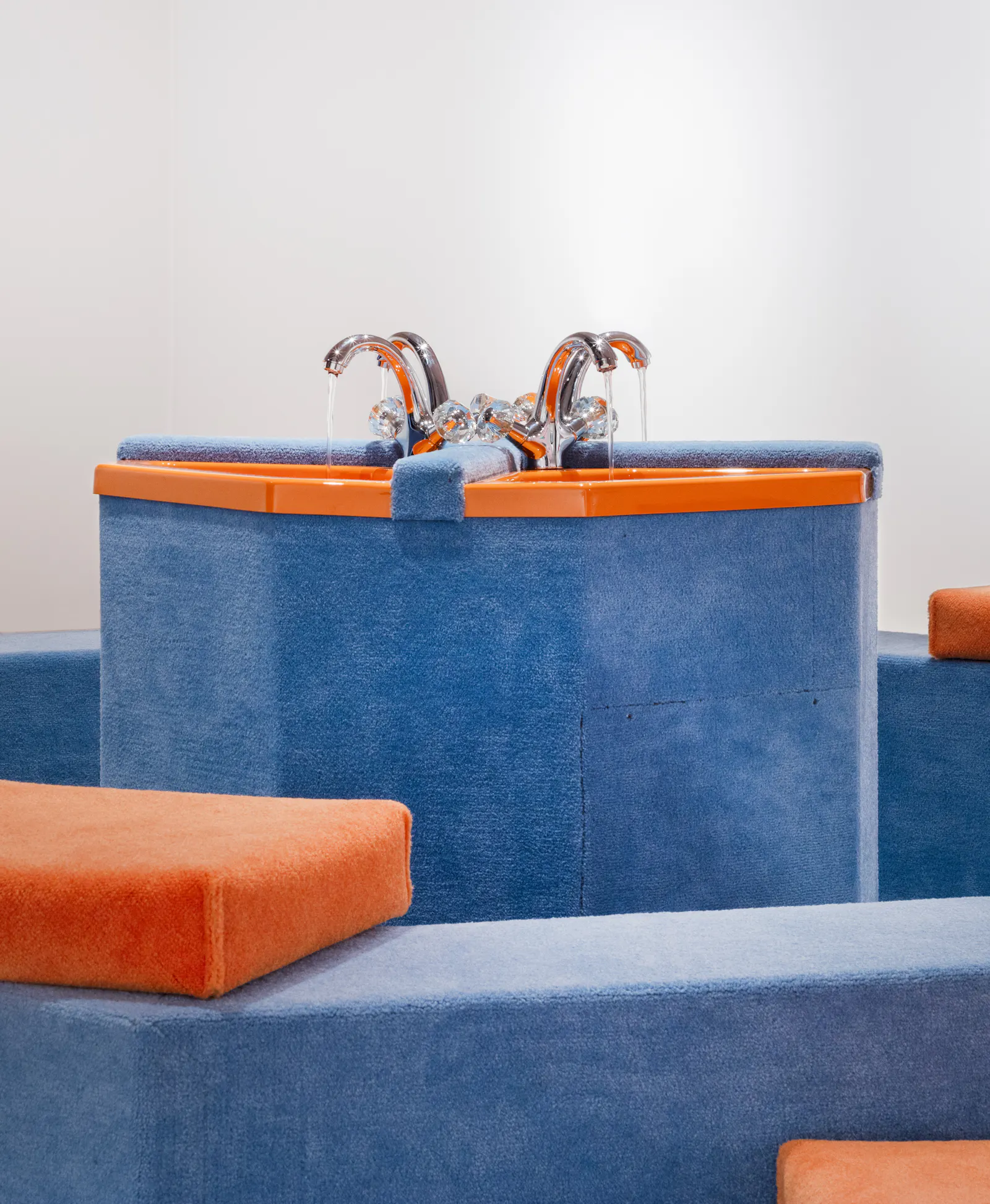
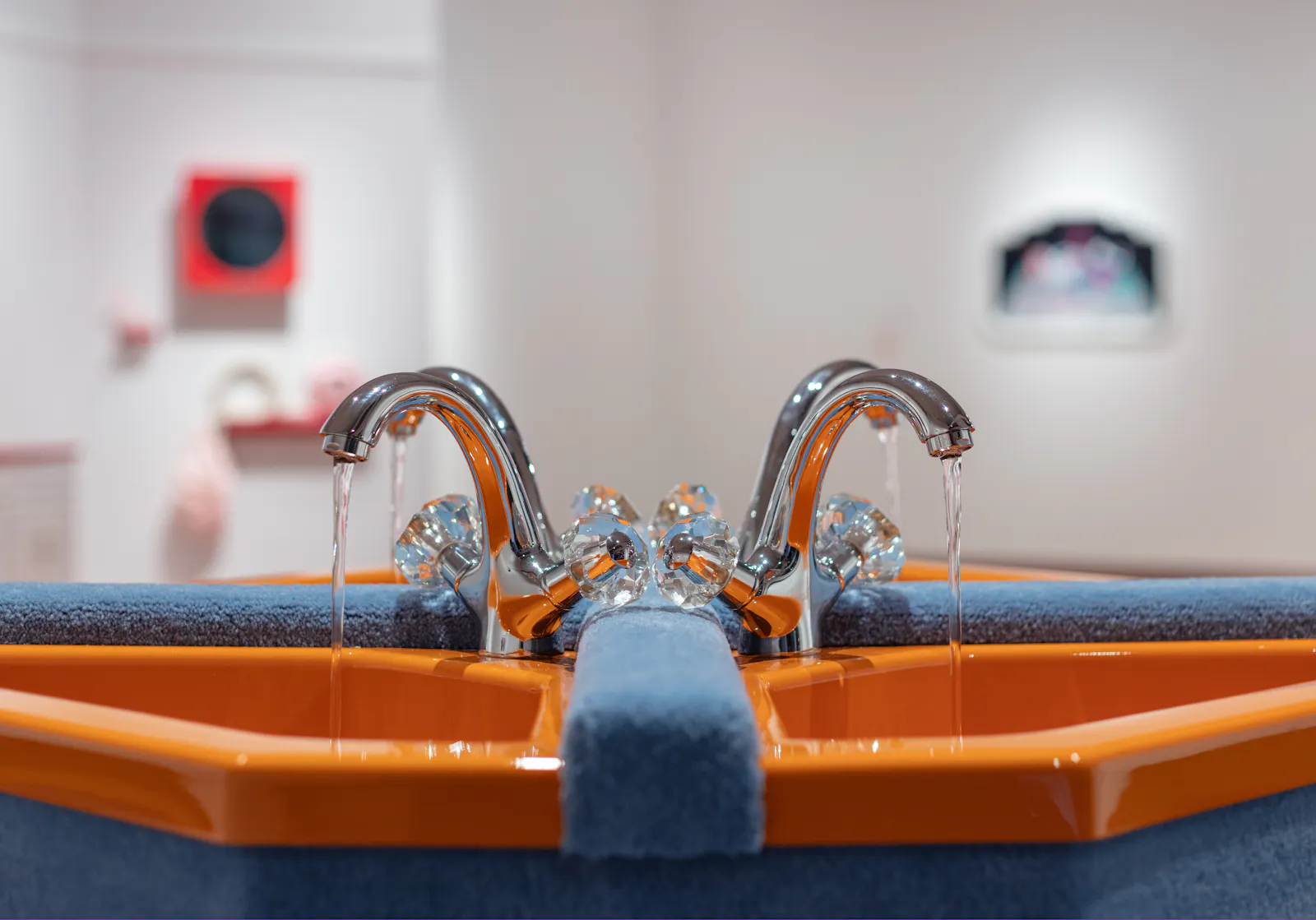
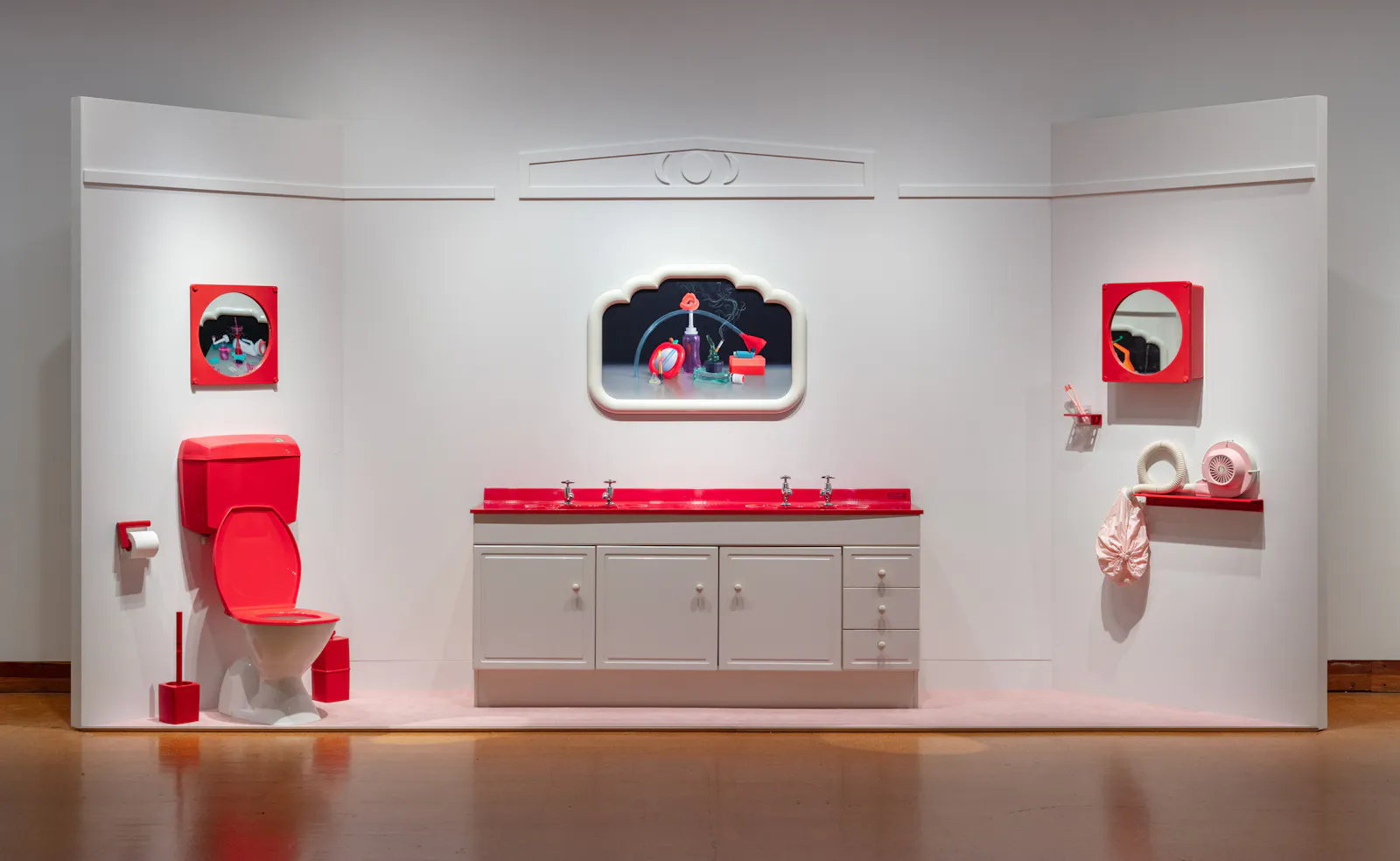
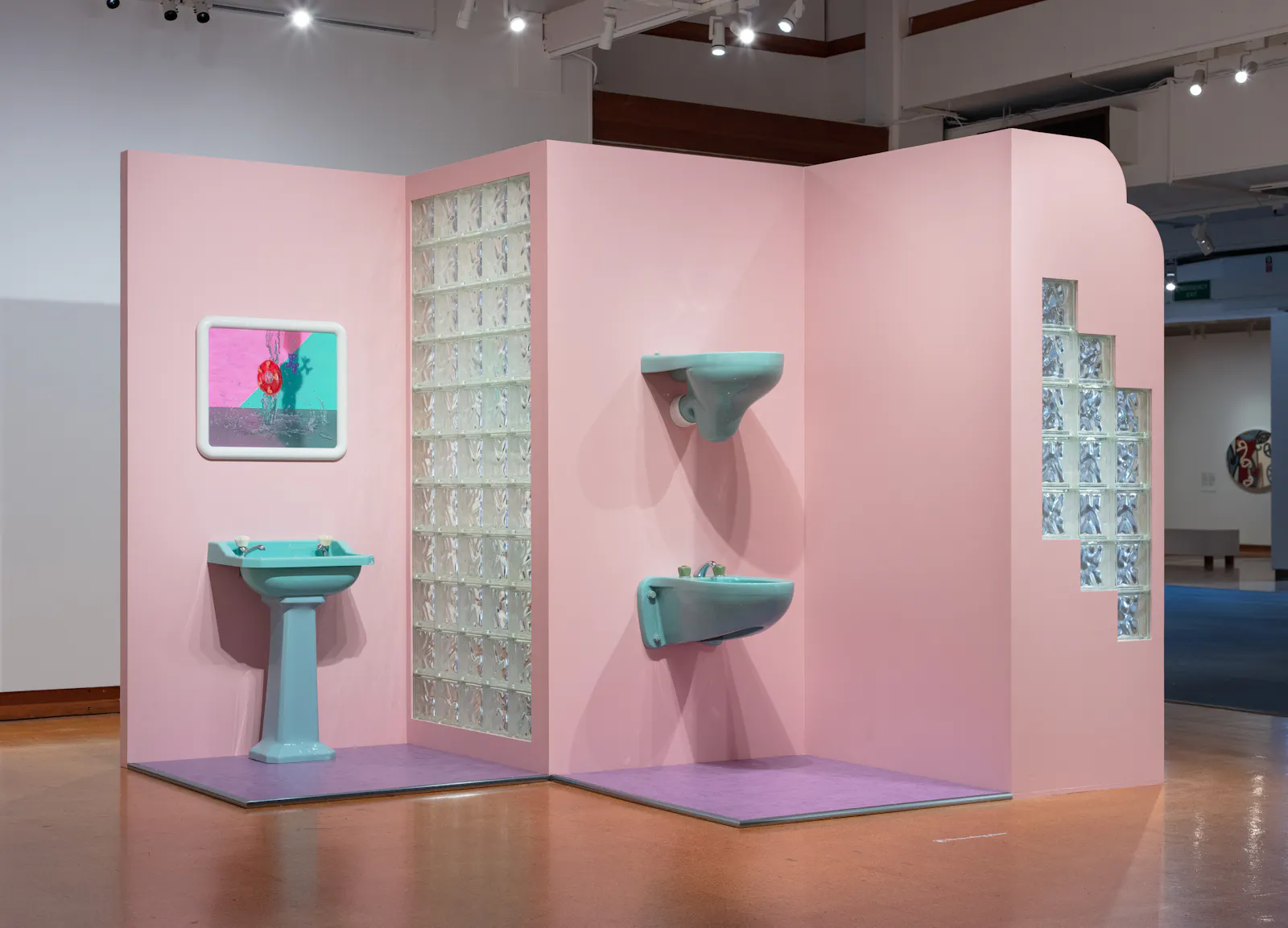
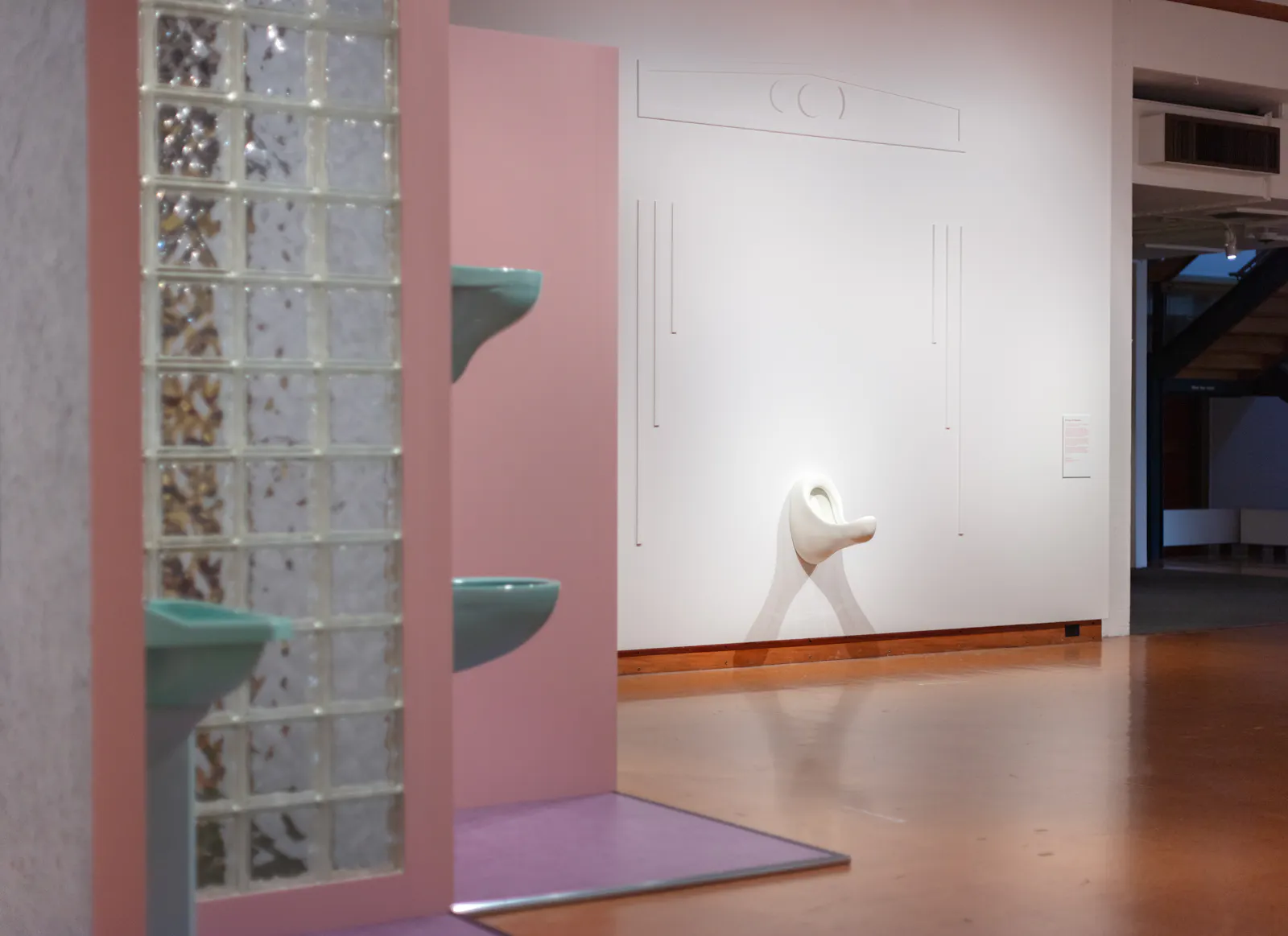
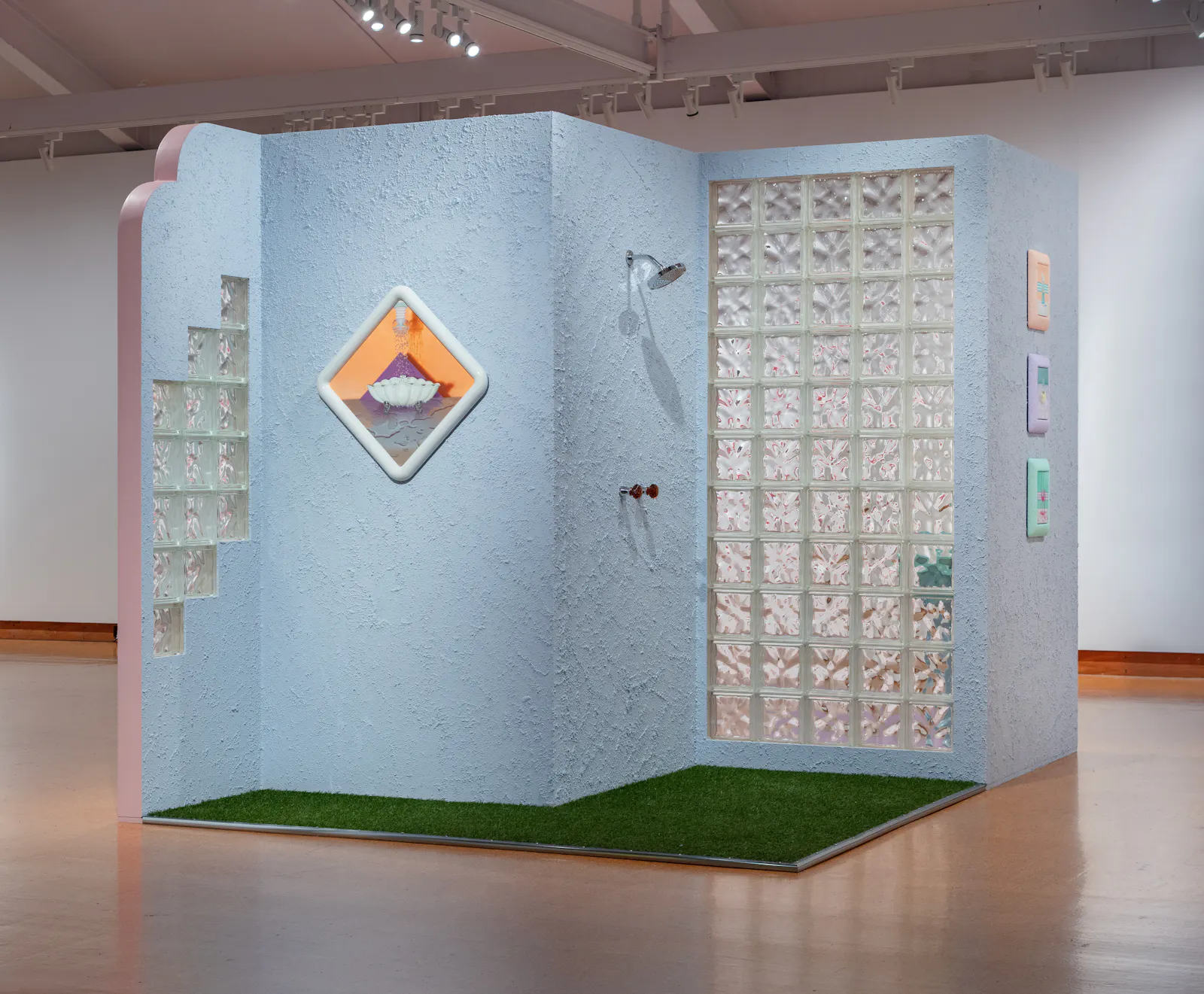
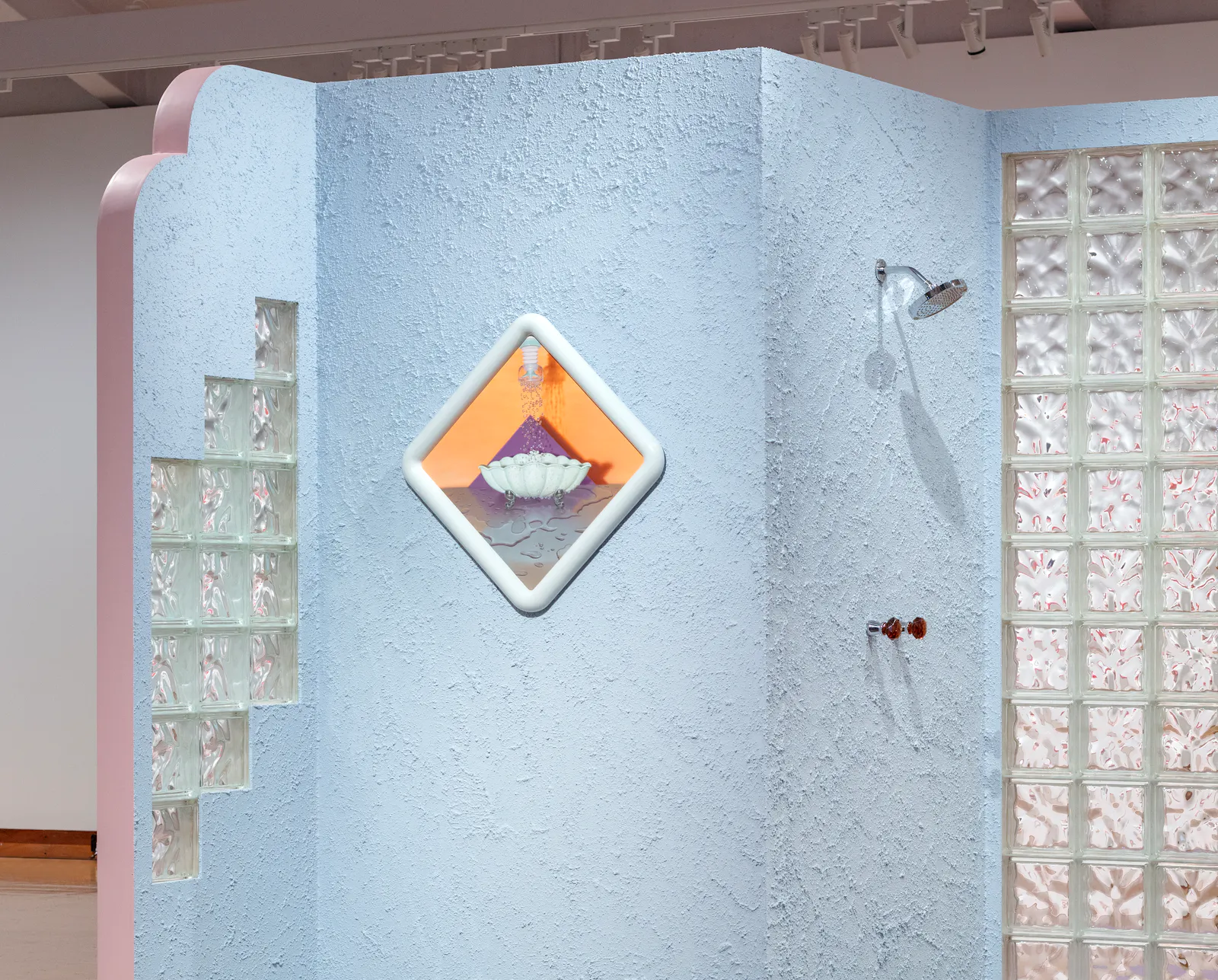
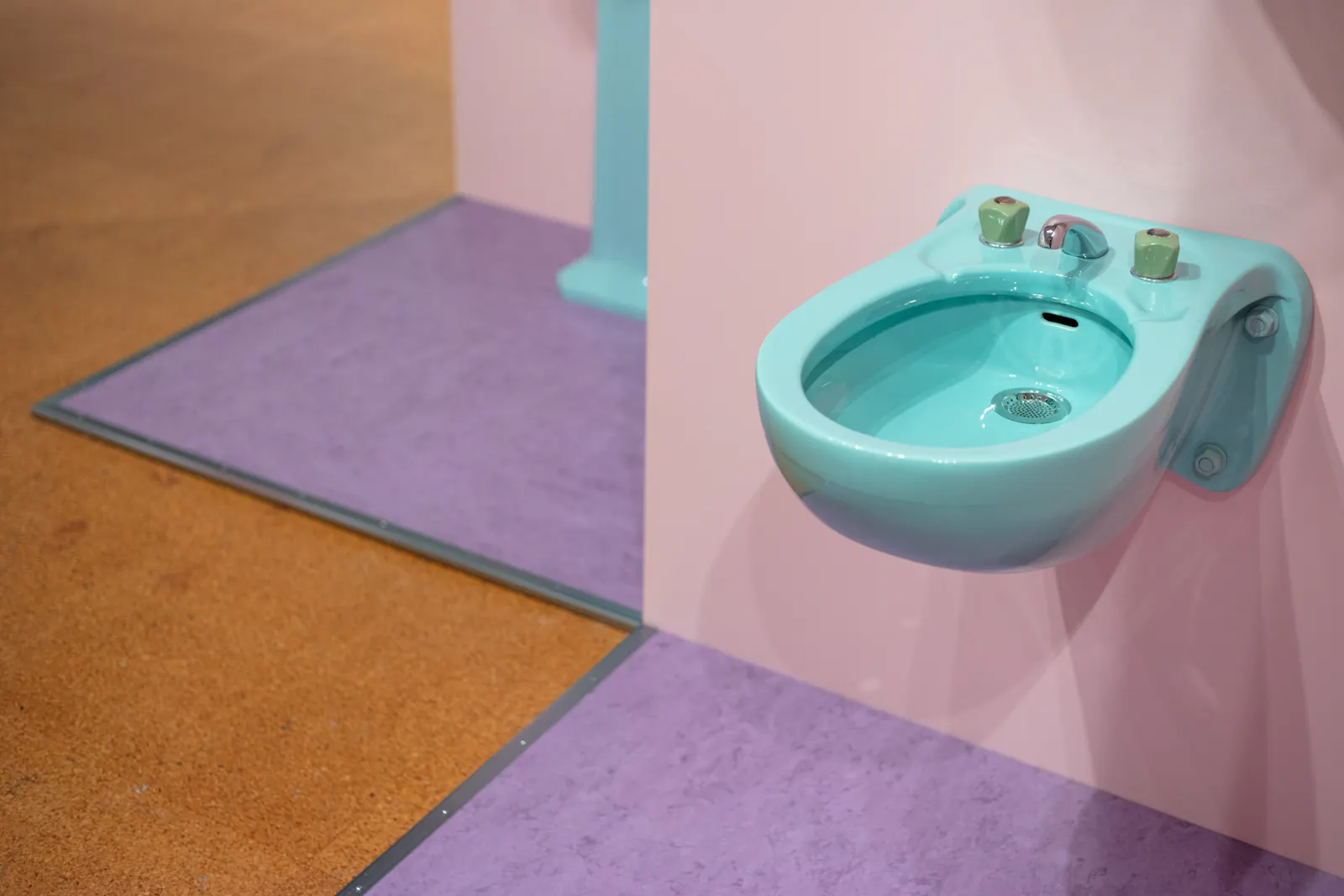
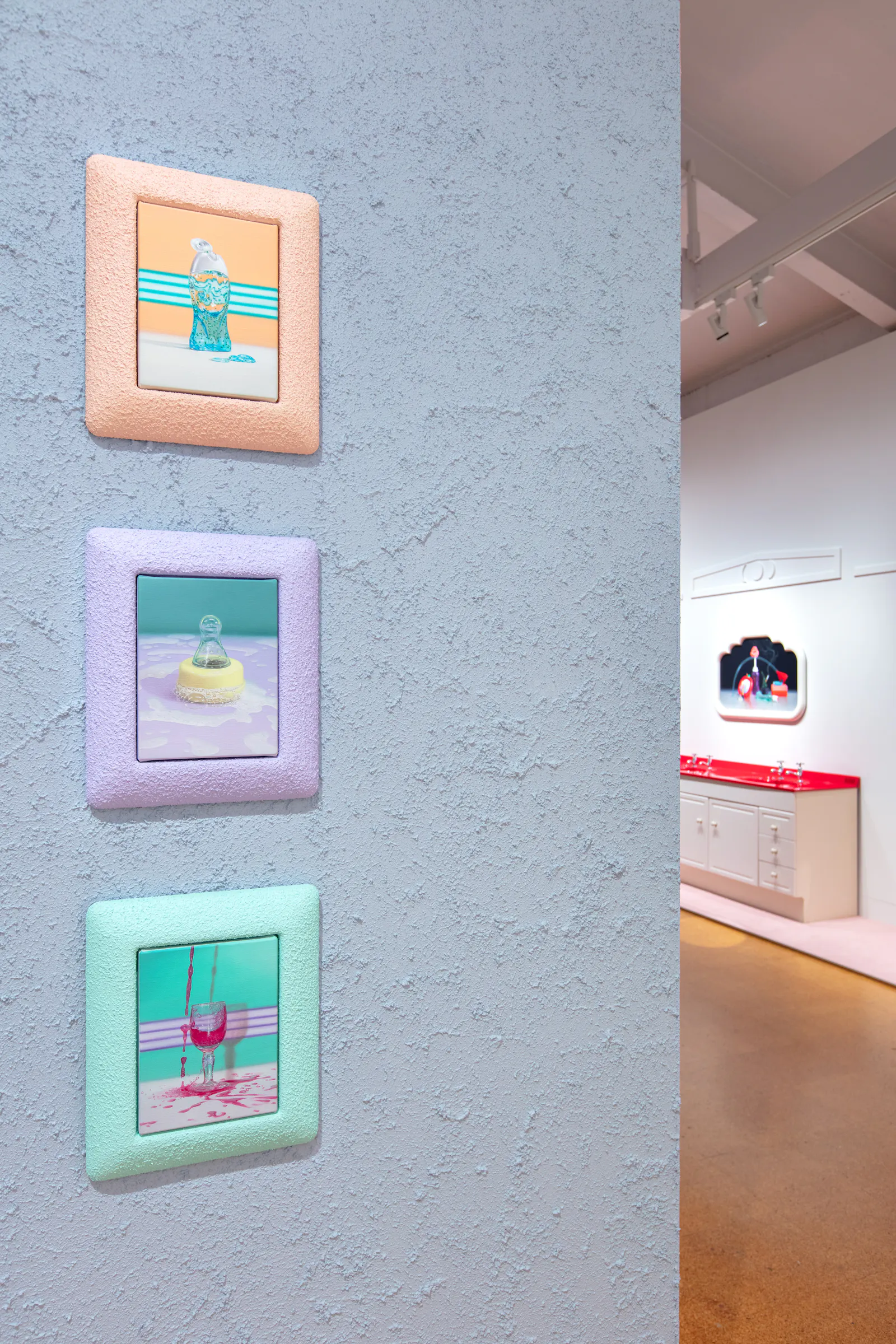
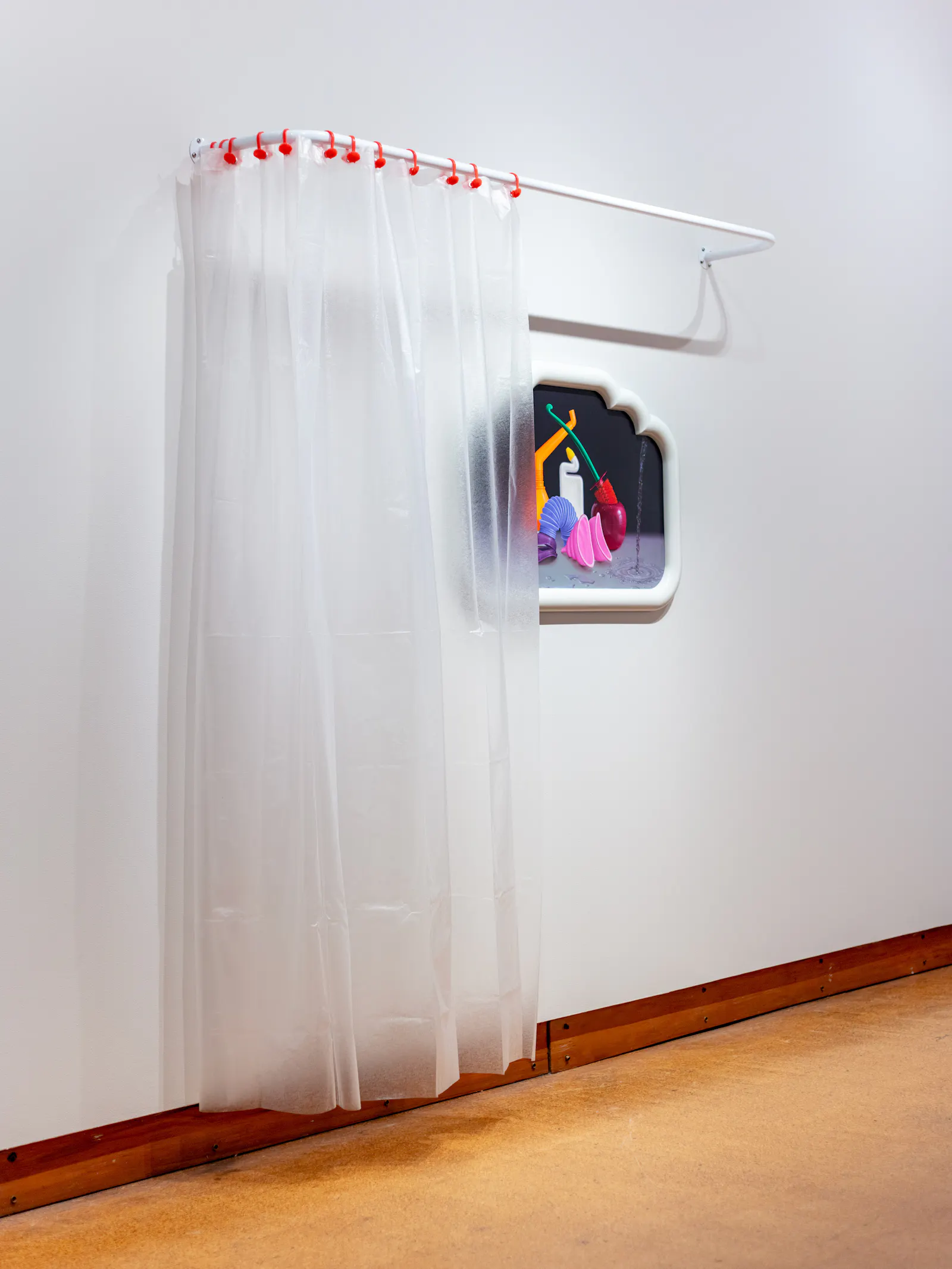
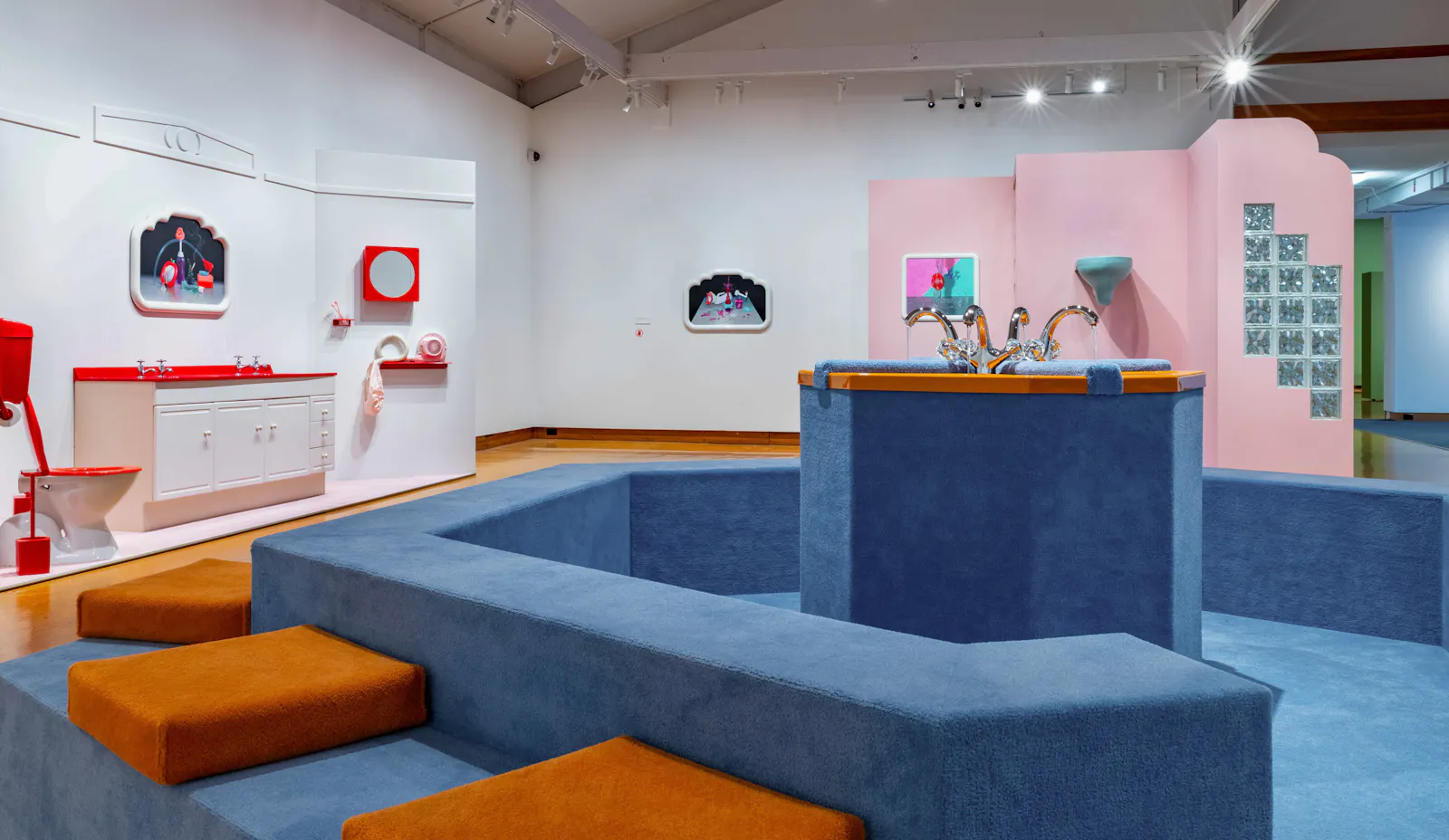
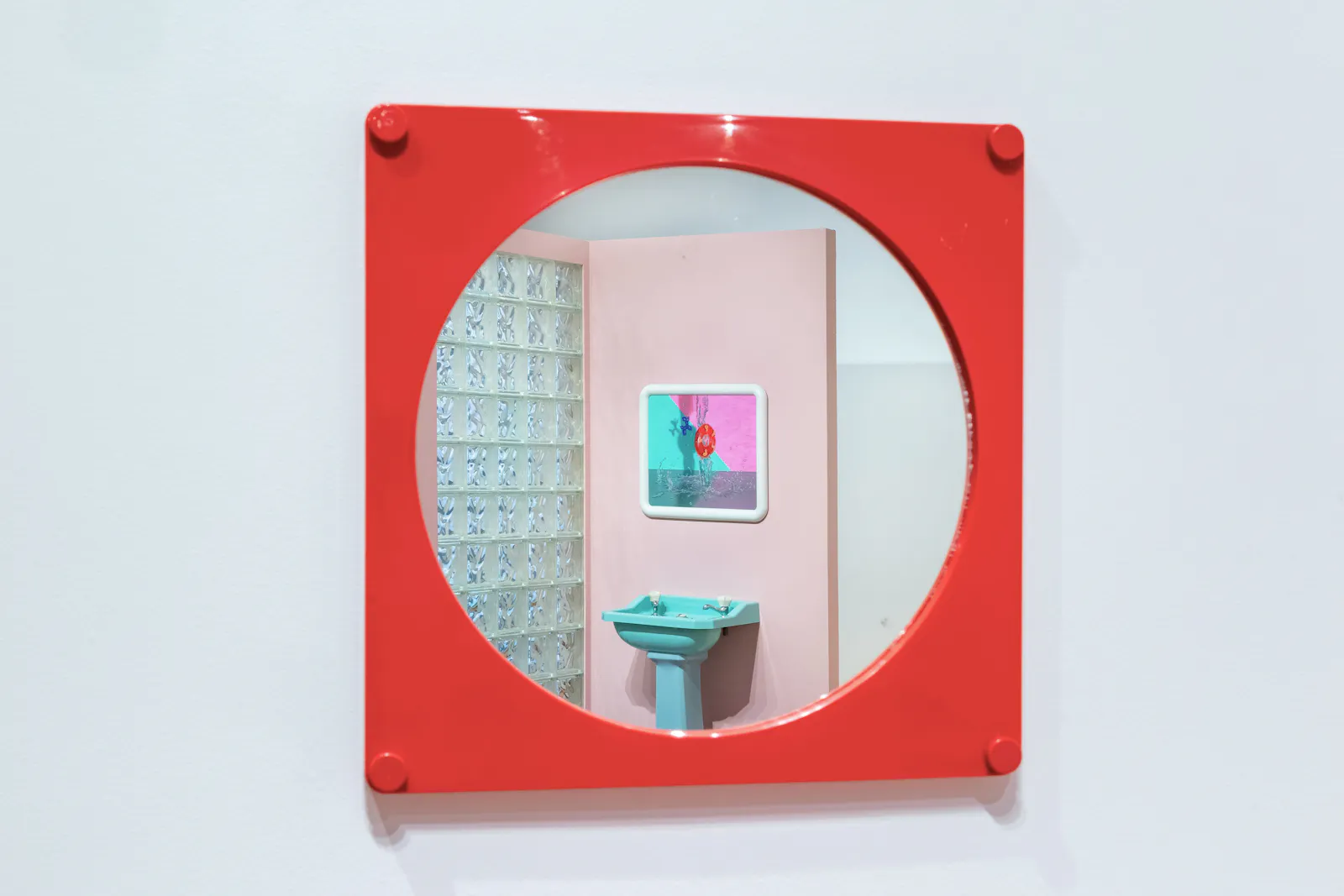
Squeaky clean and glistening, the works in CAMEO mirror the multiple uses of Ladies Rest—the women’s public toilets in Te Marae o Hine, the Square. Engaging the building’s past, Emily Hartley-Skudder explores current global ideas about feminism, intersectionality, cleanliness and control.
CAMEO is named after the group ‘Community Action by Mothers and Existing Other users’, who protested plans to incorporate men’s toilets and an information centre into Ladies Rest in the early 2000s. Their concerns were an example of how on the surface, public bathrooms can seem unobjectionable and functional, but their design, relationship to bodily functions and gender, also makes them political.
Hartley-Skudder uses this local experience, alongside art historical and social references, to focus in on the conveniences we take for granted. In doing so, she asks us what a safe space to rest means for everyone, who gets to participate in public life and who does not.
_
Festival of Design Aotearoa Panel Discussion
24 October, 5:30pm at Ladies Rest, The Square, Palmerston North
Curator Sian van Dyk will lead a Q&A with Emily Hartley-Skudder, historian Dr Caroline Daley (Auckland), and local architect Darren Shadbolt, along with photographer Catherine Russ, in a lively conversation about gendered history, sanitation, and the taonga that is Ladies’ Rest.
This event also launches a series of small flower posy paintings installed throughout Ladies Rest, as homage to past attendants who picked flowers from their garden to decorate the restrooms.
_
Emily Hartley-Skudder is the inaugural recipient of the Fair Trust Art Prize. Awarded annually by the Eileen Fair Charitable Trust, this $40,000 prize enables a mid-career New Zealand artist to create a significant new body of work for public exhibition at Te Manawa.
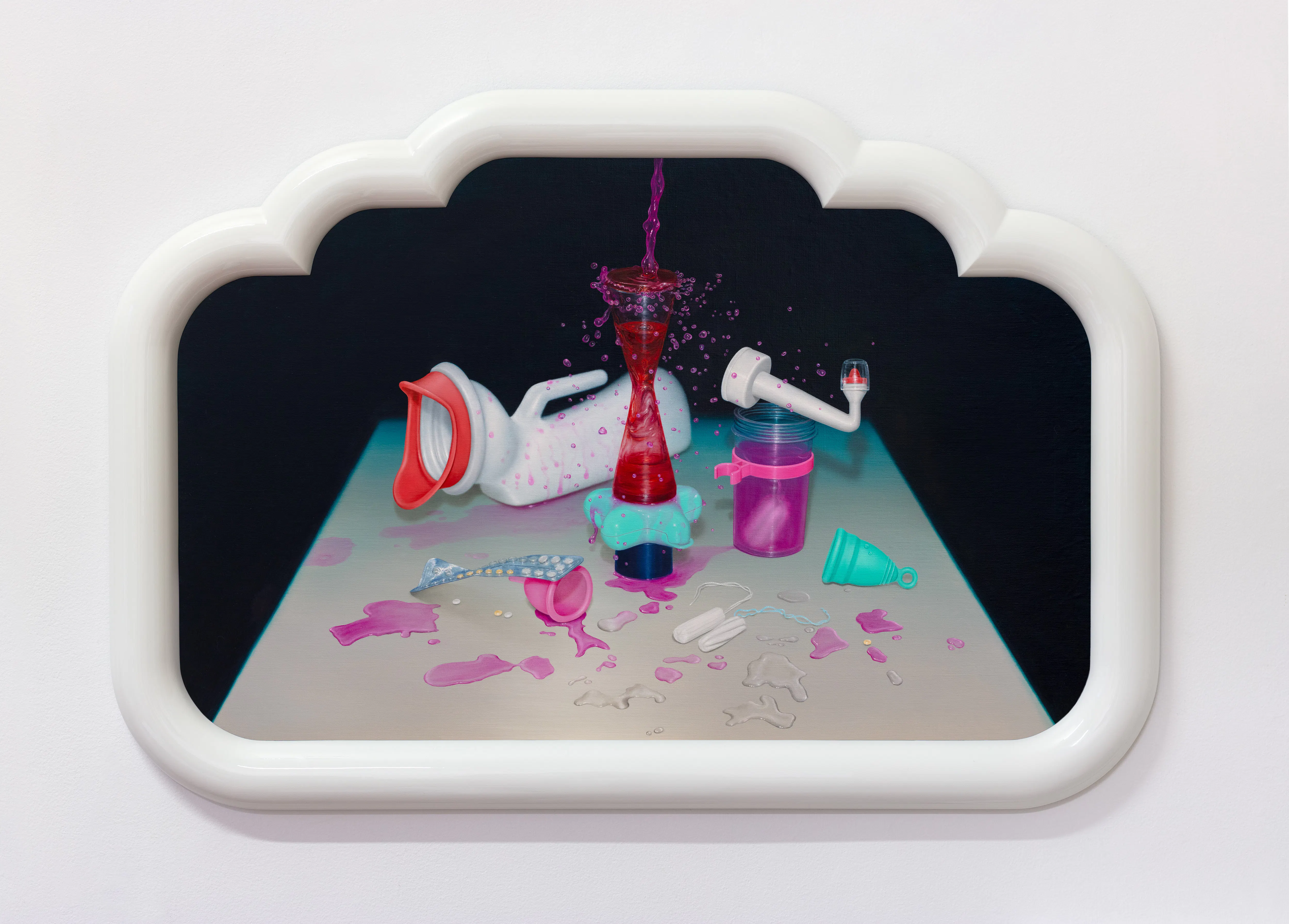
Menstruation Station, 2026
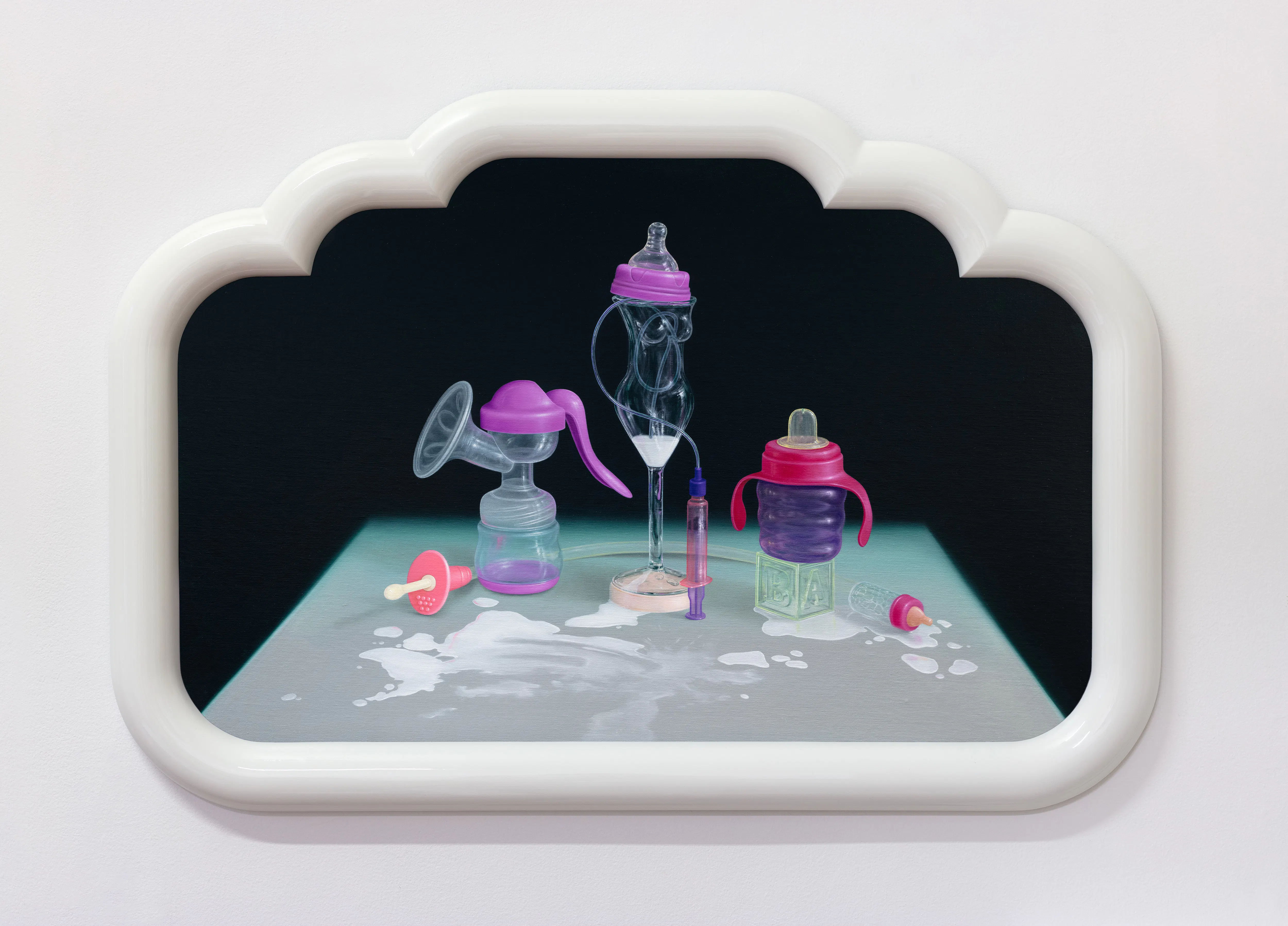
Wet Nurse, 2026
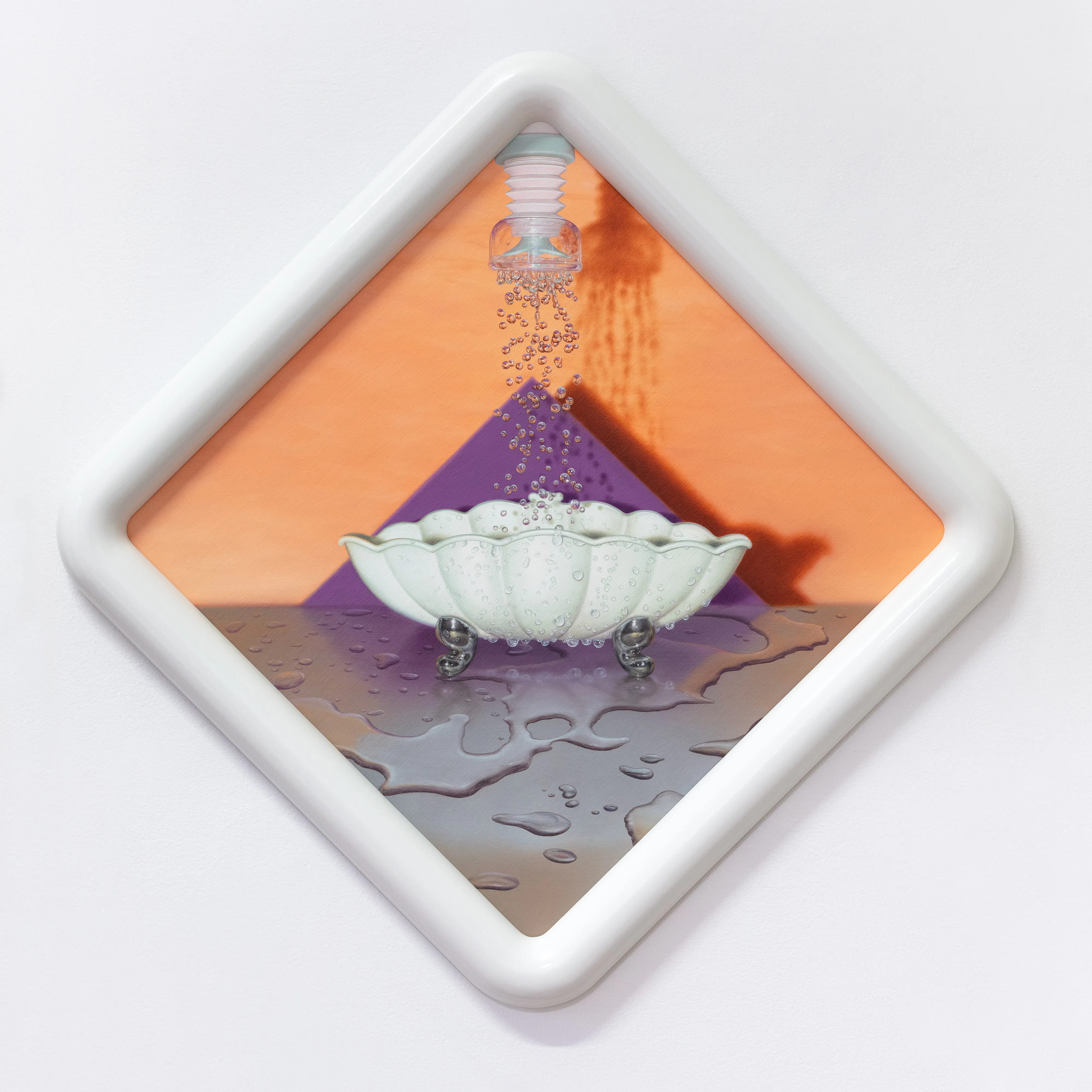
Soak and Splash, 2026
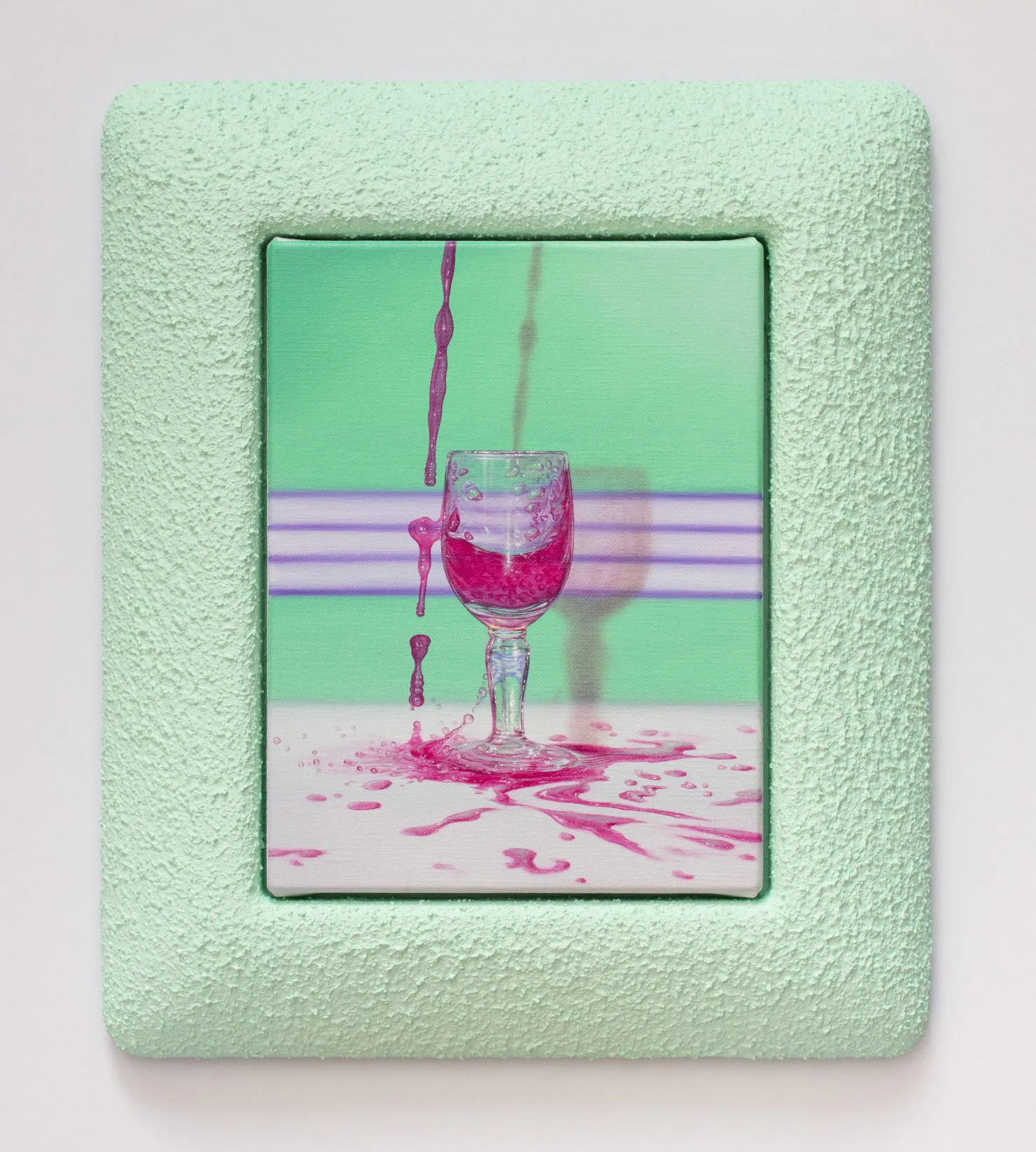
Slosh, 2023
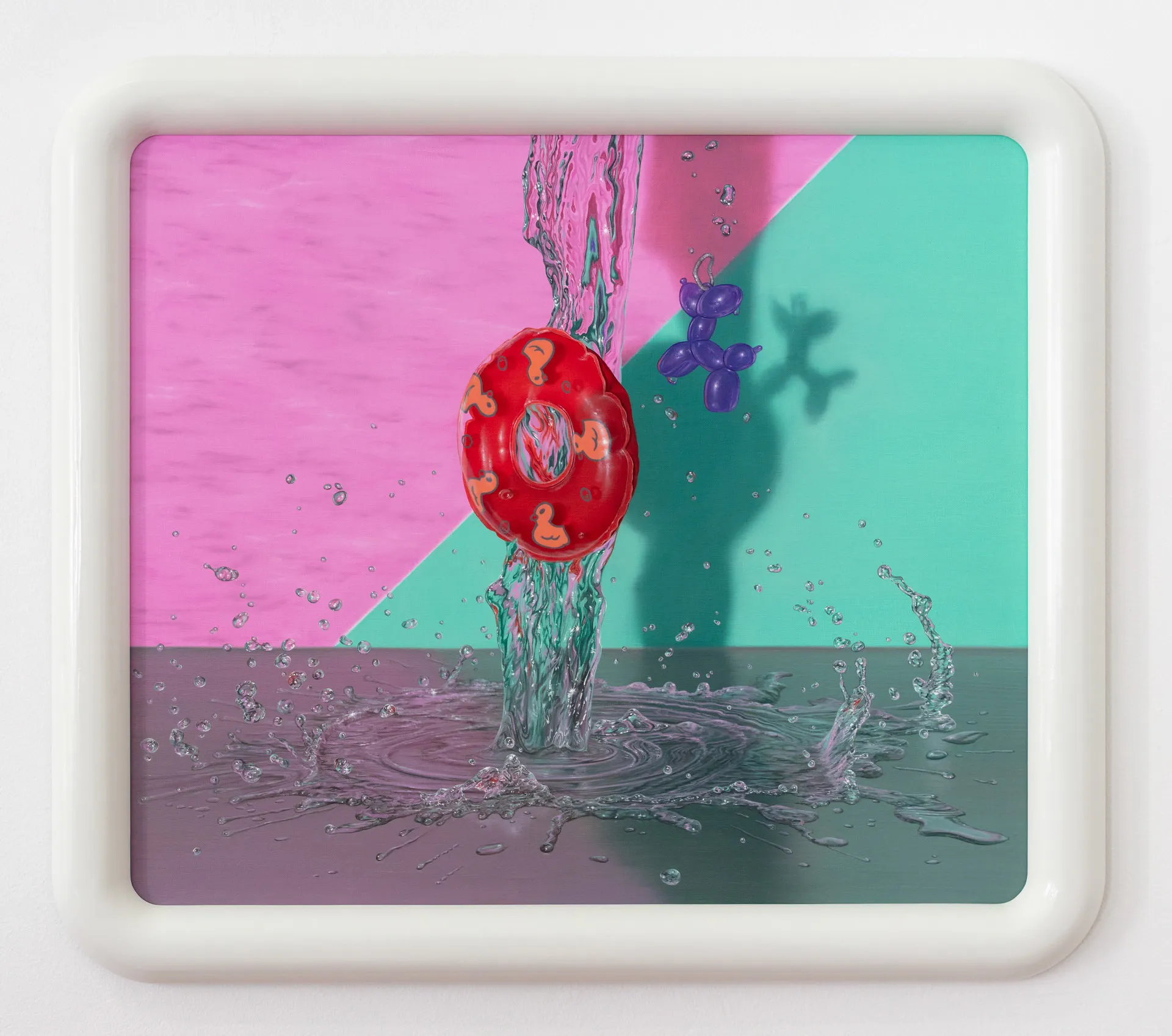
Deluge Zone, 2025

Ladies Rest, 2026.
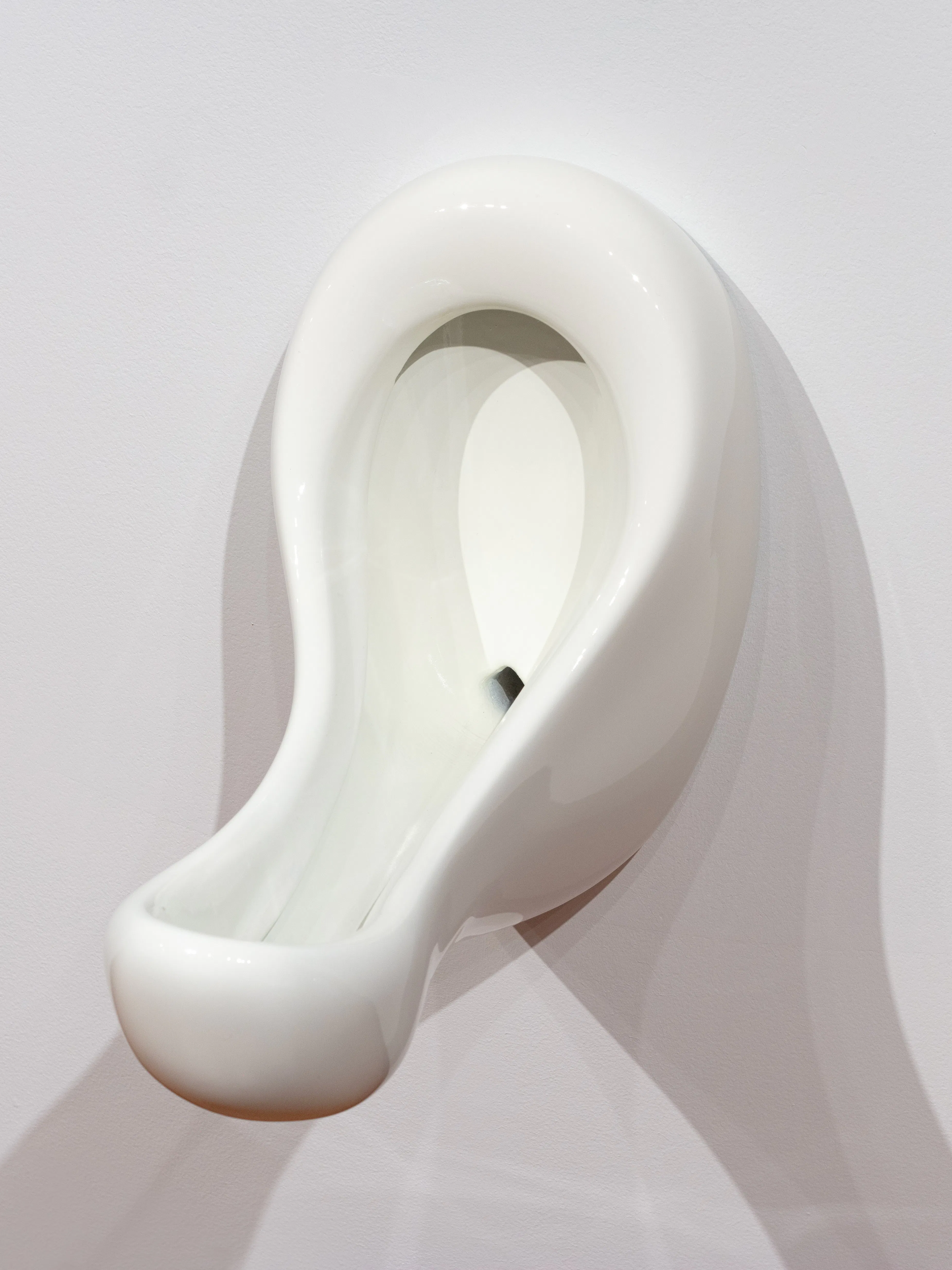
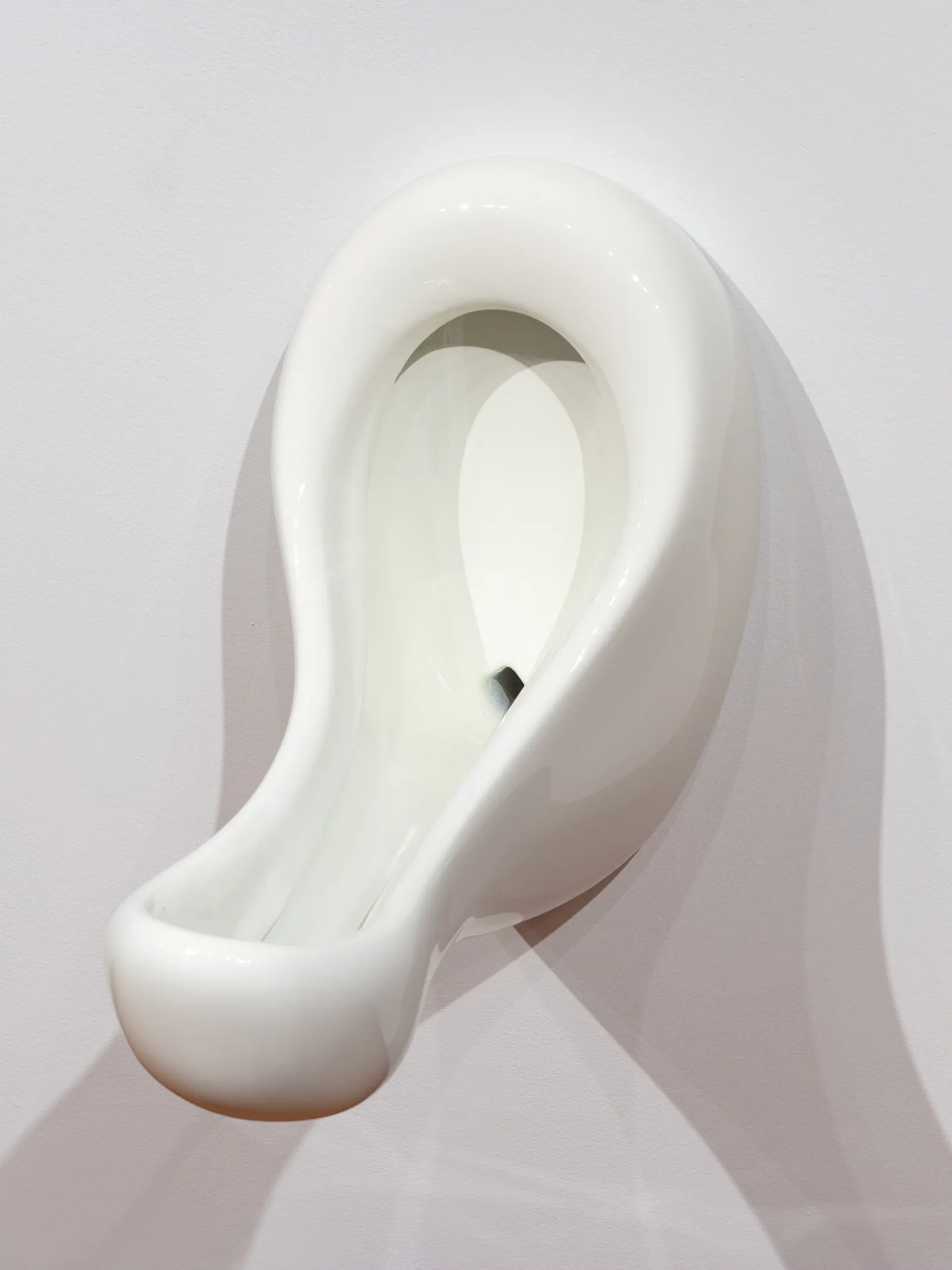
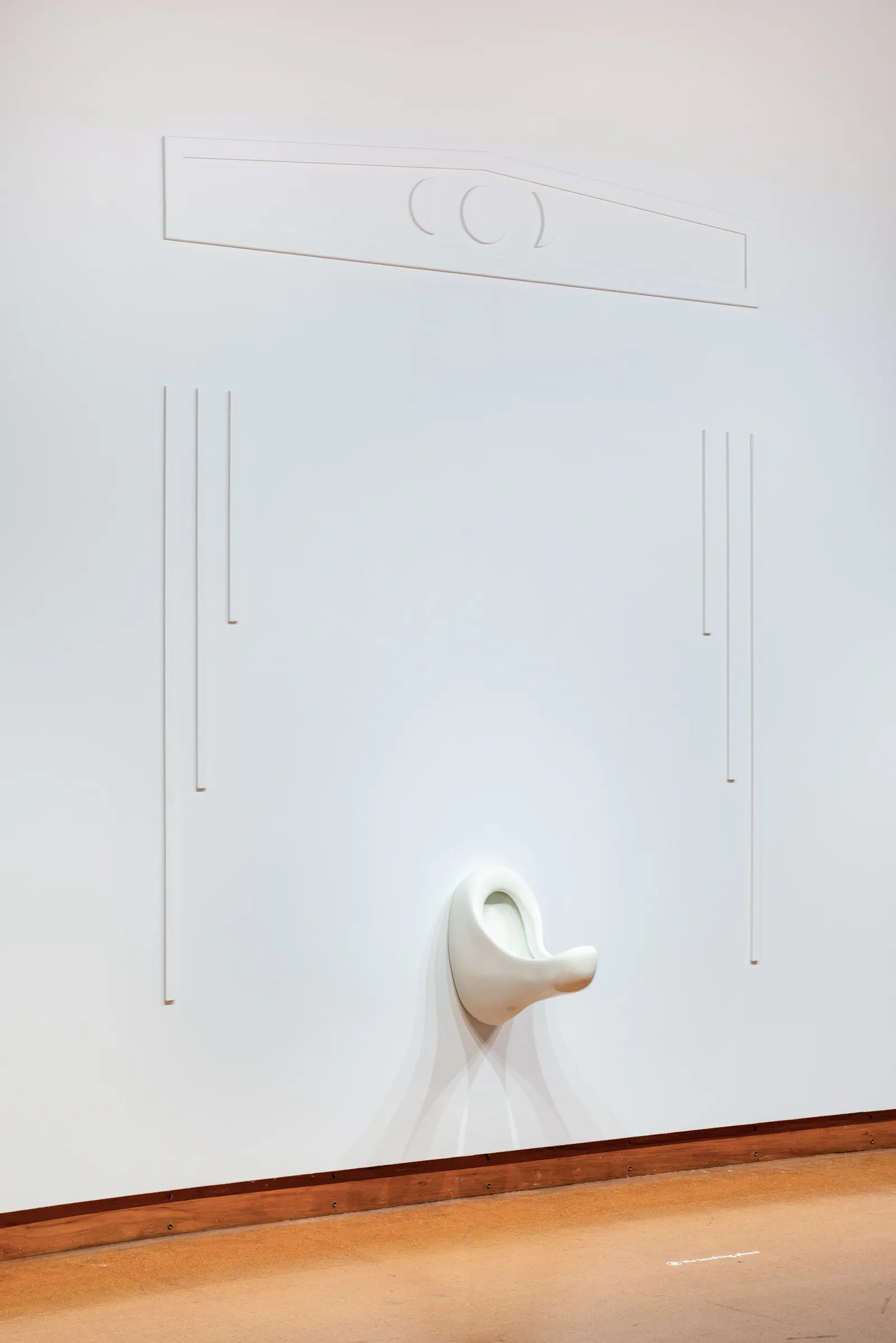
Urinette (after Elsa), 2026
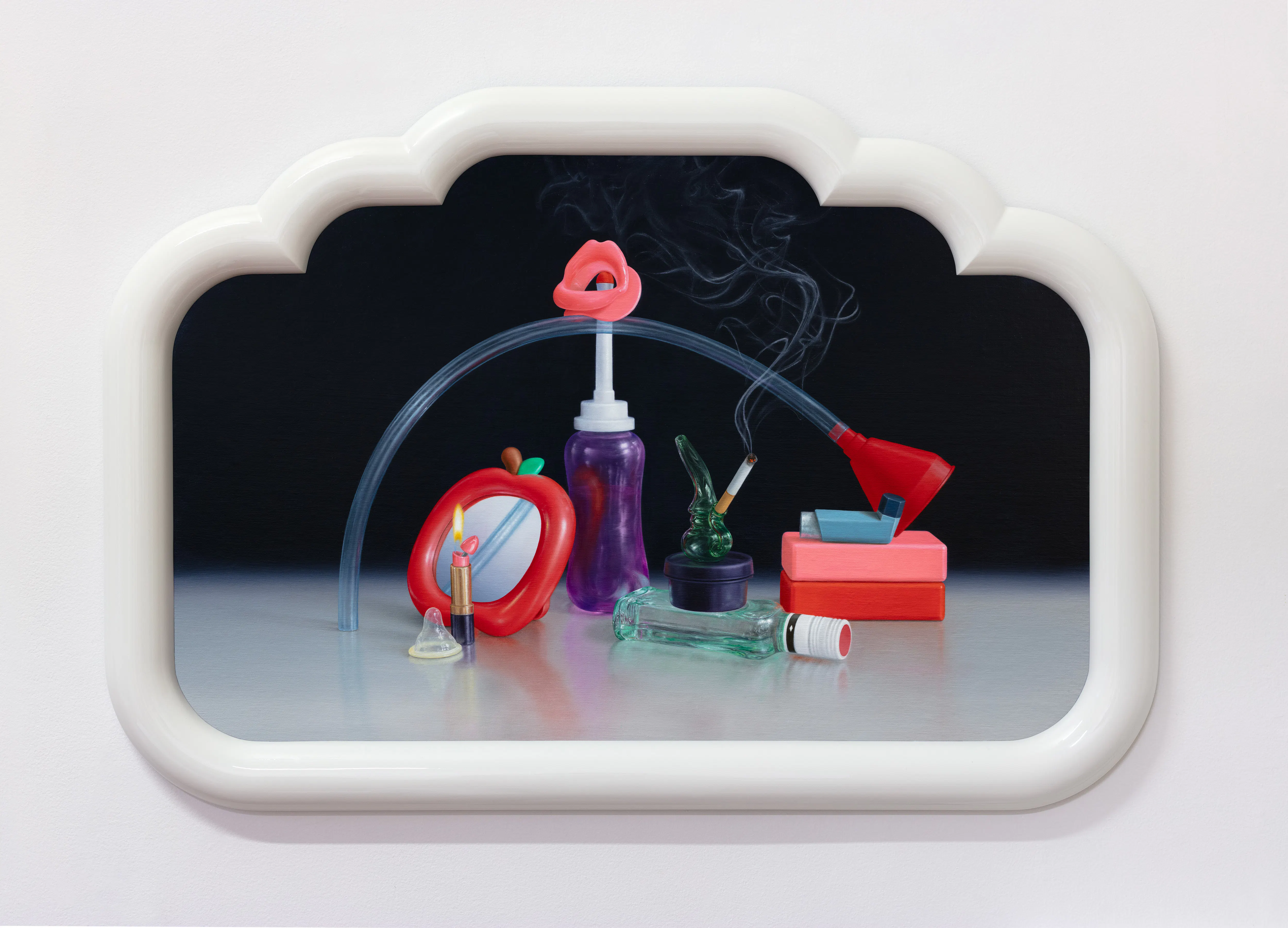
Gettin’ Fresh, 2026
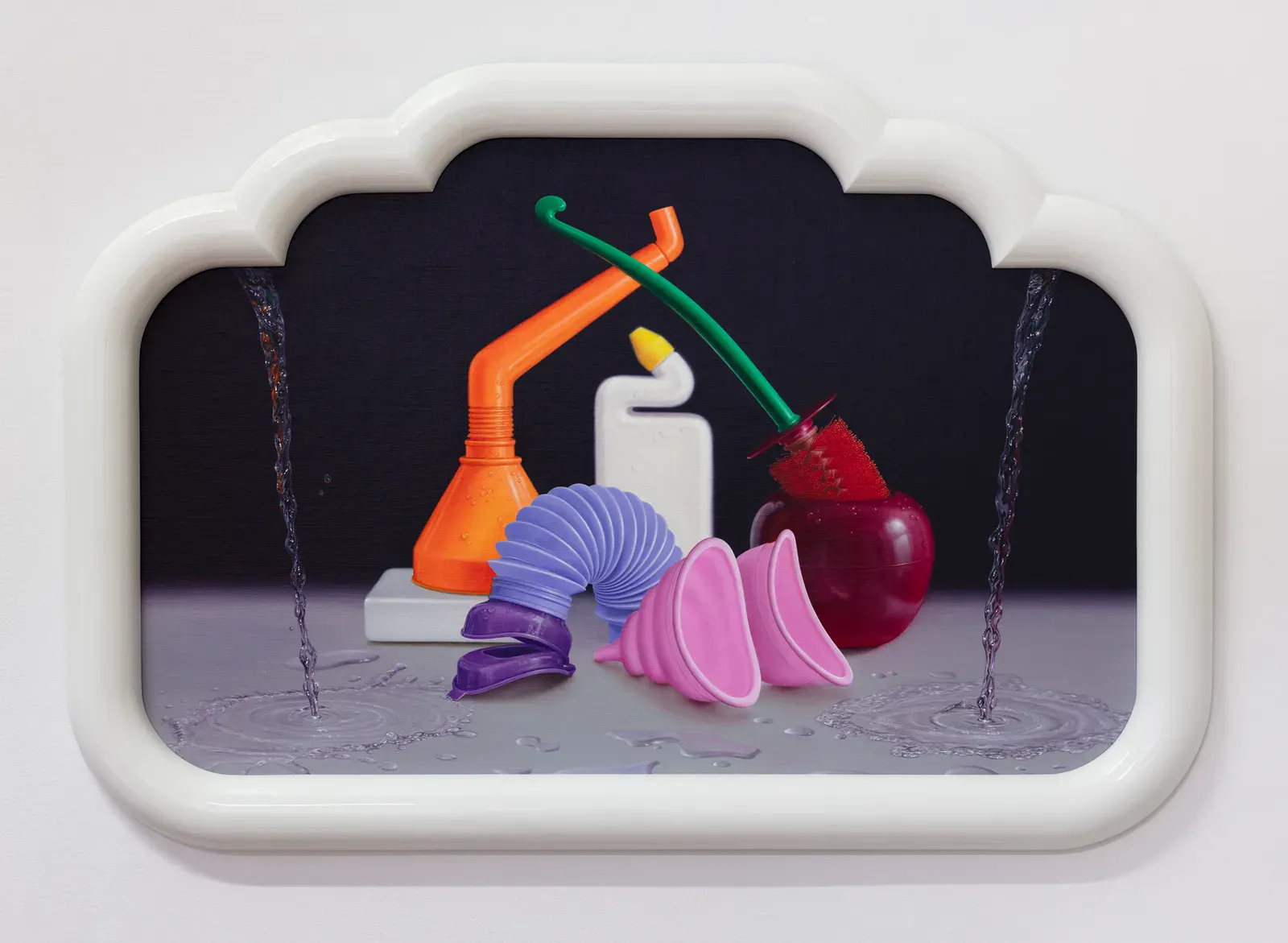
Piss Factory, 2026
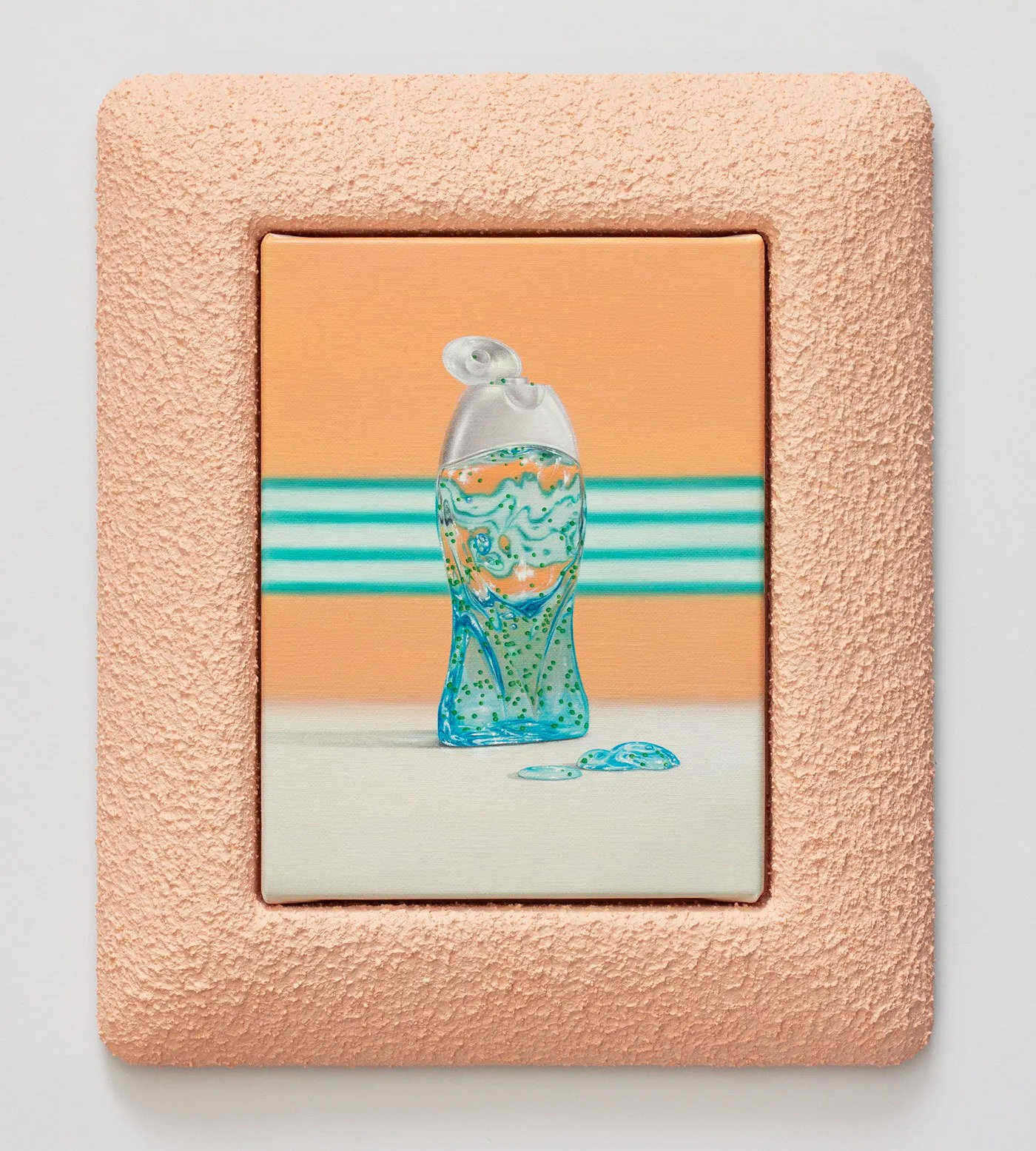
Purify, 2023
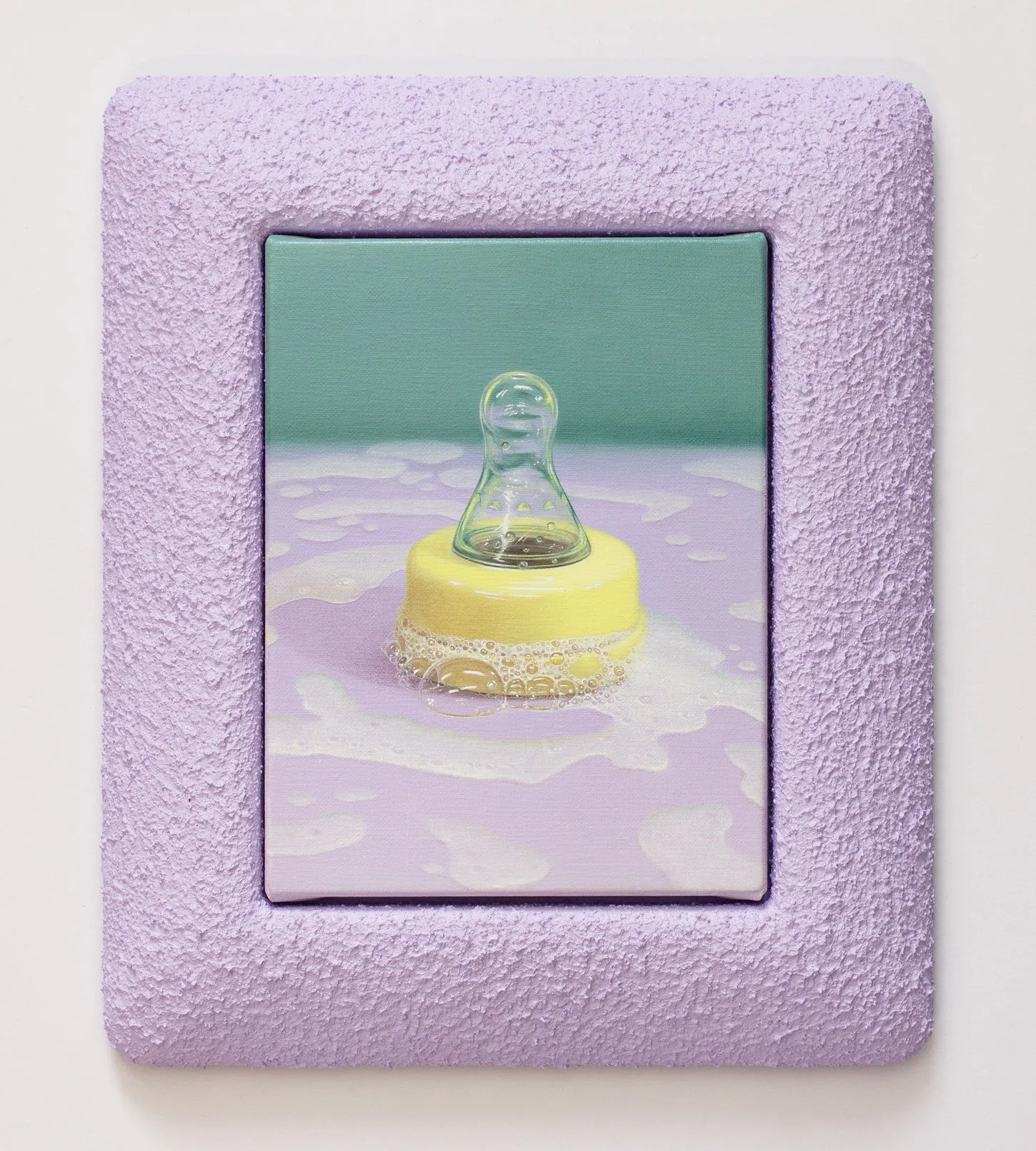
Froth, 2023
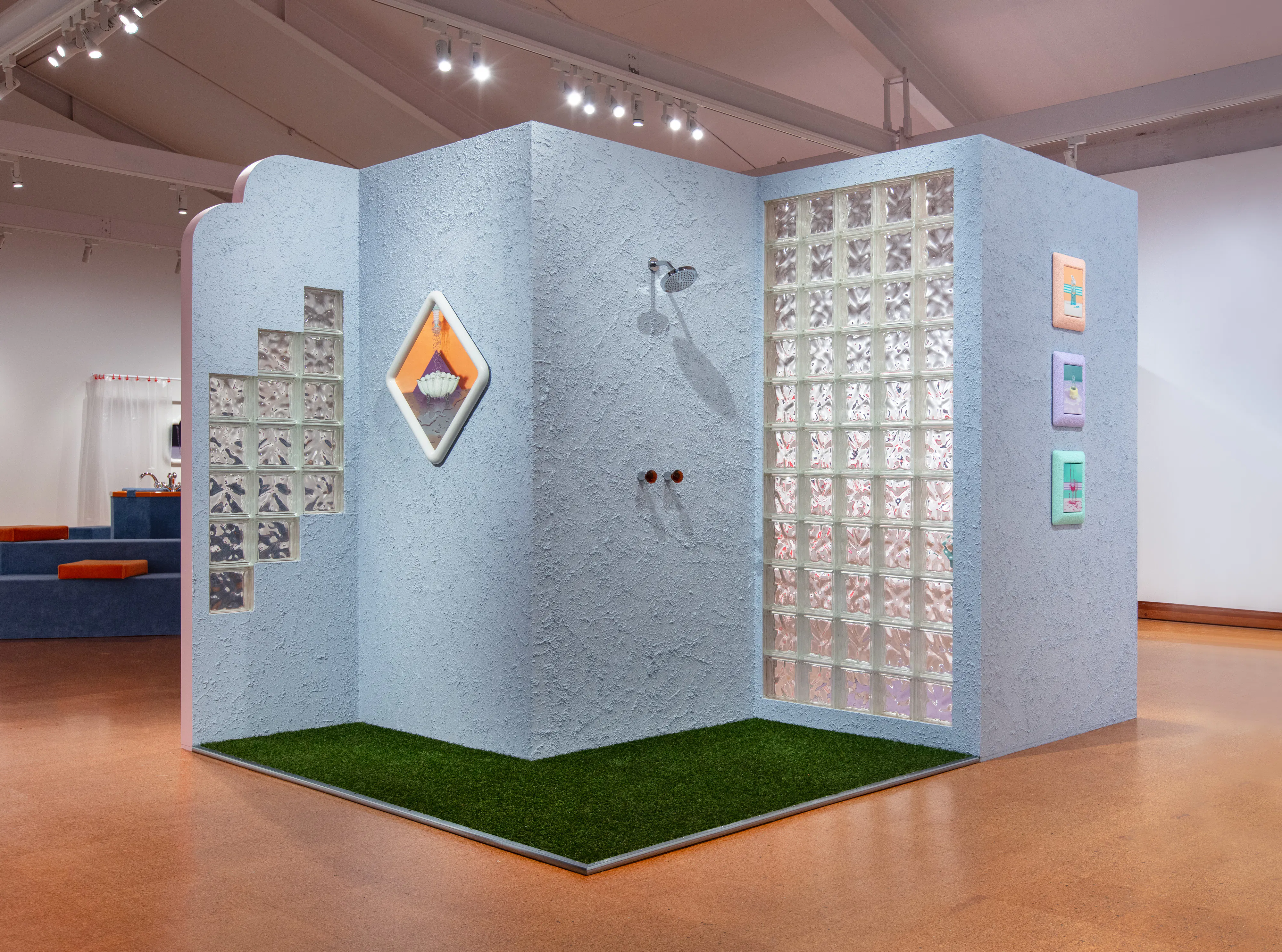
Indoor-Outdoor Flow, 2026
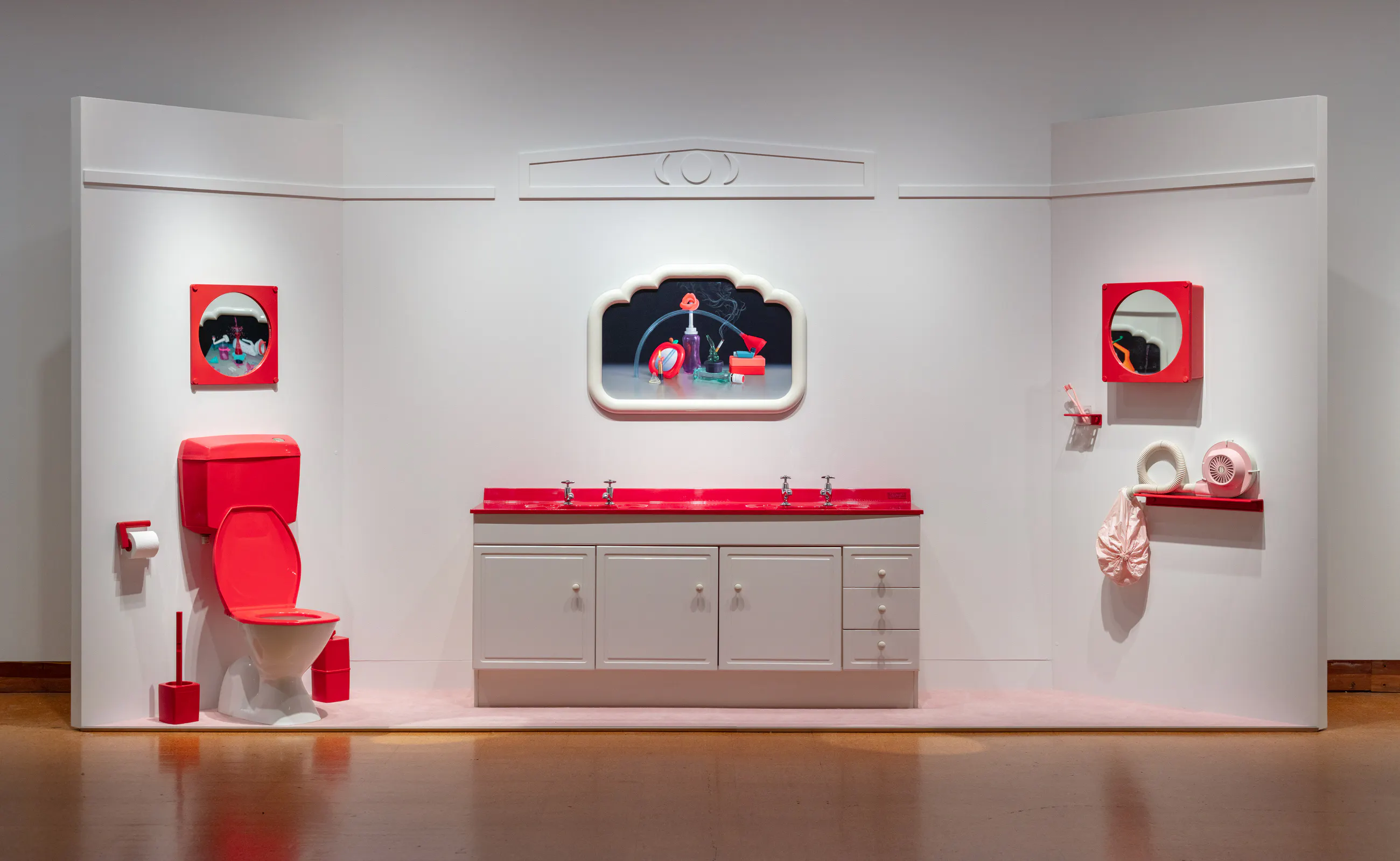
Twin Flame, 2026
E aku nui, e aku rahi, tēnā ra kouotou katoa
Spending time in Emily Hartley-Skudder’s Cameo today, the thought occurred to me that there’s a parallel – probably unsurprising – between Western art history and Western civic spaces. Women have traditionally been excluded from both.
When curator Sian van Dyk sent me the wall panels for Emily’s show, I went into a deep research spiral about women’s public rest rooms.
These facilities say so much about women’s space in the world.
In the 1860s, amidst rising concerns about sanitation and public morality, large cities began introducing men’s urinals. Men’s toilets began to be built into public building – but there were no facilities for women. Instead, they could use makeshift arrangement behind private houses, prevail upon a shopholder – or just hold on.
Gradually, women’s bathrooms began to be introduced. Dunedin opened theirs in 1909, Auckland in 1910.
In the early 1920s, ideas around these facilities began to shift from toilet to rest room – a private space for women in the public sphere for women to relax, care for children, and be together.
Like Palmerston North, New Plymouth’s central city had a Women’s Restroom, on Ariki Street, near where the Centre City mall is today. Opened in 1936, in recent years each time demolition is proposed public outcry ensues.
We visited those restrooms when my mum brought us into town from the farm to go shopping. My memory is primarily visual: a blue building, lots of native wood, glass panel doors and a fancy plaster ceiling. But when I think of that experience from my mother’s perspective – wrangling three annoying kids while trying to get things done – I better appreciate what these spaces bring to the city.
New Plymouth’s women’s rest rooms are a perfectly nice concrete bungalow-style building. Aesthetically, they don’t hold a candle to the Ladies Rest in Palmerston North. But they share a different connection: that they are amenities that you don’t think about until you need them – or some form of change threatens them.
The rest rooms in New Plymouth make a splash when periodically demolition is proposed and then the community rises up in opposition. Likewise, Cameo is named after the group ‘Community Action by Mothers and Existing Other users’, who protested plans to incorporate men’s toilets and an information centre into Ladies Rest in the early 2000s.
Everyone needs them – and at different points in time, it seems everyone has an opinion about them. Bathrooms hit the headlines when as a society we’re discomforted about something: about homelessness, about drug use, about gender and sexuality.
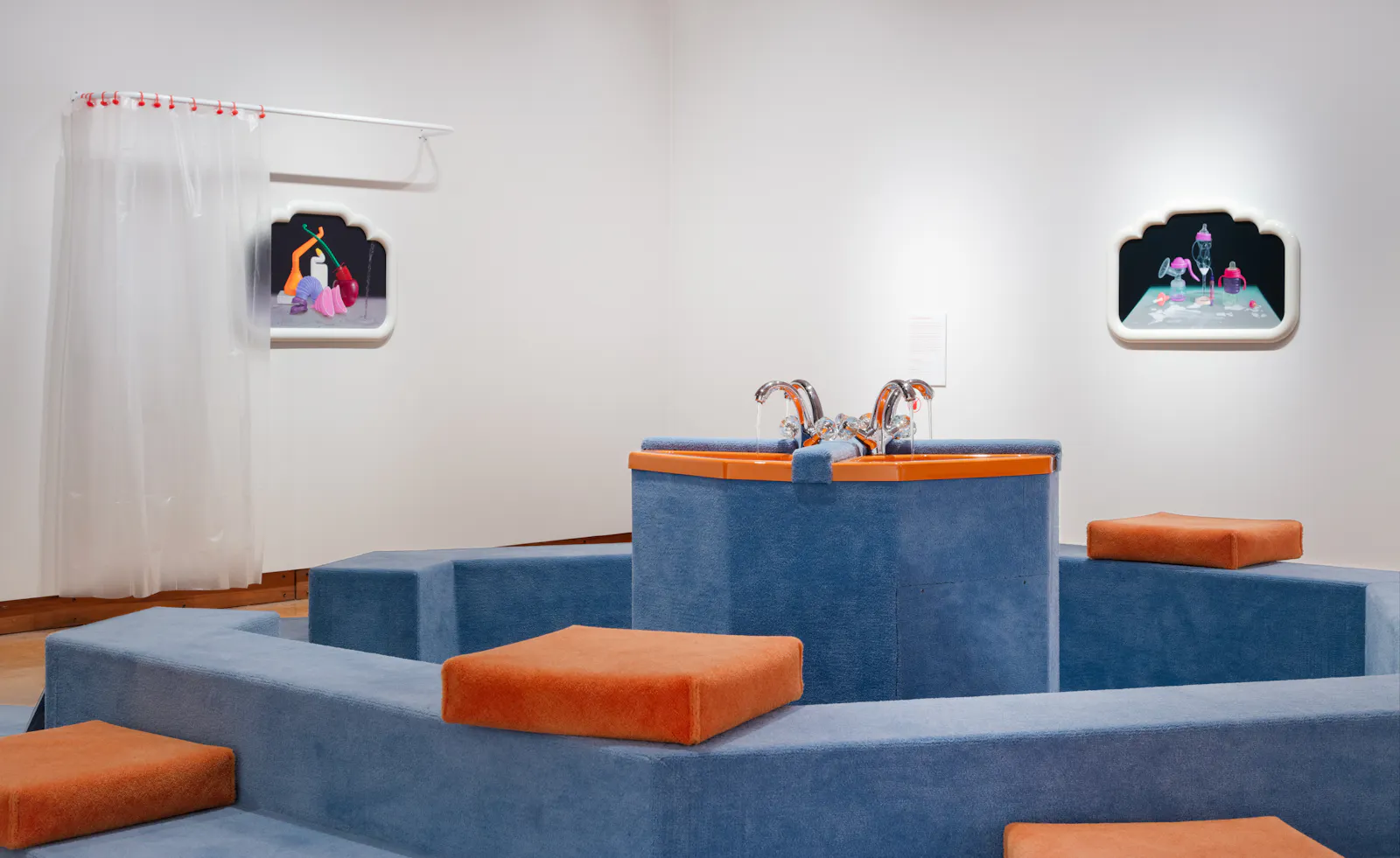
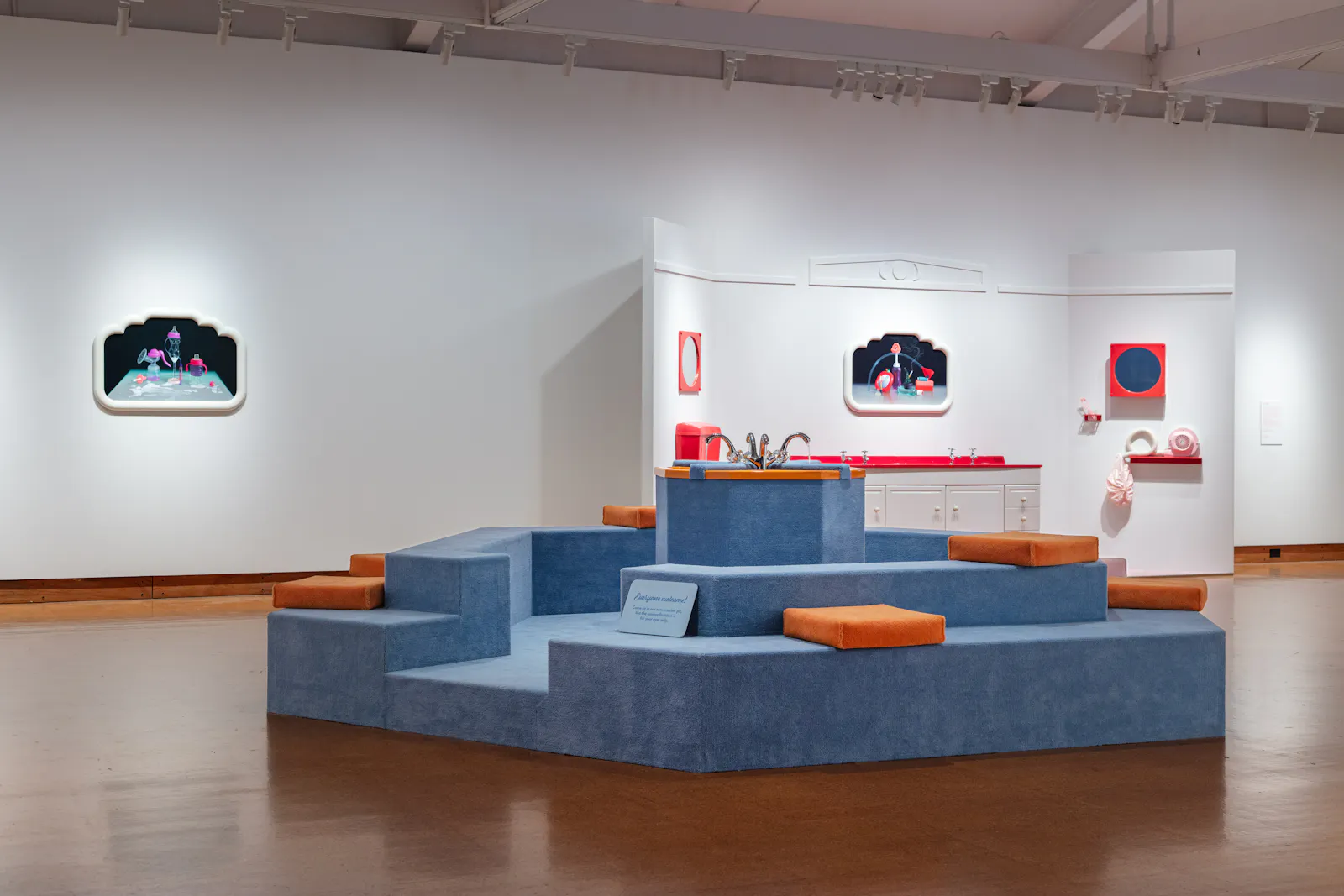
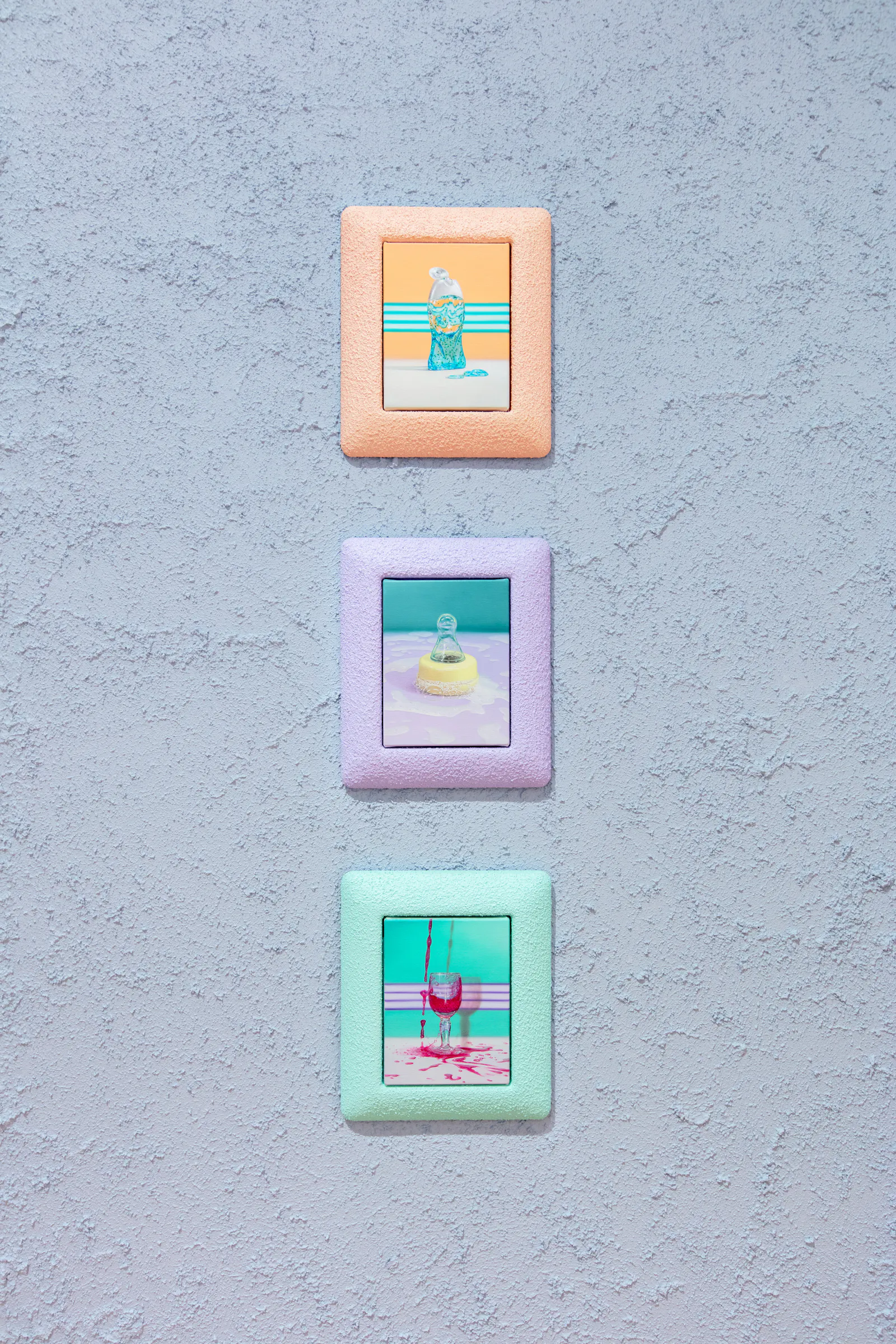
In Cameo, Emily has brought her seductive and subversive art practice to this specific regional site, and this set of much larger social concerns. We see the hallmarks of her practice here: the still-life paintings that begin as obsessive collecting of found items and materials, carefully posed, photographed and then finely painted in oils.
We see also the way these paintings are integrated into showroom-like displays, sculptural assemblages that extend the paintings into three dimensions and put them into action with our bodies.
Capping it all off is Ladies Rest, a conversation-pit like structure in the centre of the gallery that encourages the visitor to pause, relax, chat – perhaps share a compliment or some intimacy, as women might in a rest room.
I don’t want to suggest this show is all surface gleam and comfort though. Woven through it, waiting to be discovered by the attentive viewer, are all kinds of provoking detail.
One work asks why women have been so historically denied convenience and amenity, while calling into question the authenticity of the legend that’s grown around a key piece of 20th century art [Duchamp’s Fountain, 1917].
Others draw forth the parallels between hiding women’s bodily functions from public sight, and other activities society has at times or still finds distasteful and unsettling: sex work, illicit relationships, illicit substances.
It’s a beautiful exhibition, and thoughtful one, and a provocative one. Emily – and everyone involved – should be very proud.
To zoom out. It feels like everywhere I look right now, there is another story about the pressures on the arts.
And that’s why a new, and substantial, arts funder like the Eileen Fair Charitable Trust and their initiative with the Fair Trust Art Prize, is so important. Artists, to work to the fullness of their potential – need the basics: space and time. Both of these cost money. The opportunity Emily has been afforded to work consistently on this exhibition, to have her material costs off-set and be guaranteed a gallery space in which to share her work is not as common as you might think it is.
So, I want tonight to congratulate both Emily and the Trust. I wish you – and Te Manawa, is supporters, locals and visitors to the city – joy and satisfaction with this exhibition. You thoroughly deserve it.
Thank you again for the opportunity to speak tonight
No reira, tēnā koutou, tēnā koutou, tēnā koutou katoa